 Search


- According to data from the China Council for the Promotion of International Trade, there are 1259 overseas exhibition projects in China

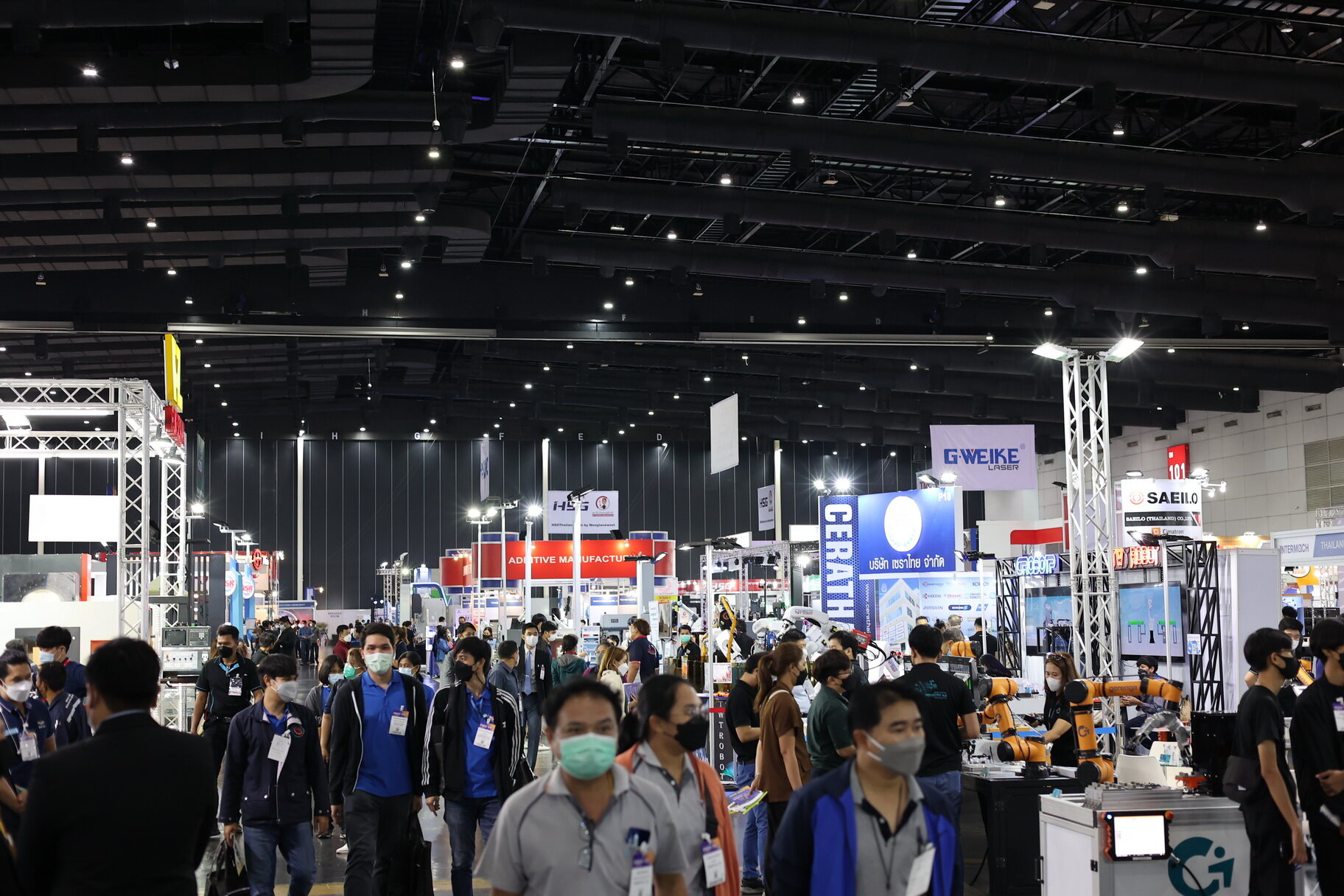
Against the backdrop of new challenges in the process of globalization, a report reveals the increasing enthusiasm of Chinese companies to go global. At the beginning of 2026, according to the "Report on the Development of China's Exhibition Economy 2025" released by the China Council for the Promotion of International Trade, Chinese enterprises implemented a total of 1259 overseas exhibition projects in 2025, covering 57 countries and regions around the world, with a total of over 47700 enterprises bravely stepping onto the world stage. This series of numbers is not only a market statistic, but also a vivid portrayal of Chinese enterprises actively integrating into the global economy and actively seeking new opportunities.
Emerging markets become growth engines
The report data shows that the overseas expansion of Chinese enterprises is undergoing a profound restructuring. Although traditional European and American markets remain important destinations (with Germany, the United States, and Russia ranking among the top three), the most rapidly growing highlights are emerging markets. Among them, the Asian region, with 520 projects and an absolute advantage of 41.3%, firmly holds the "preferred springboard" for China's exhibitions. The more explosive growth comes from the African and Latin American markets, where the number of projects in 2025 increased by 31.11% and 21.57% year-on-year, respectively. This clearly indicates that Chinese companies' globalization strategy is no longer satisfied with mature markets, but has shifted their focus to broader emerging economies with greater growth potential and development space.
Accurate layout, each taking what they need
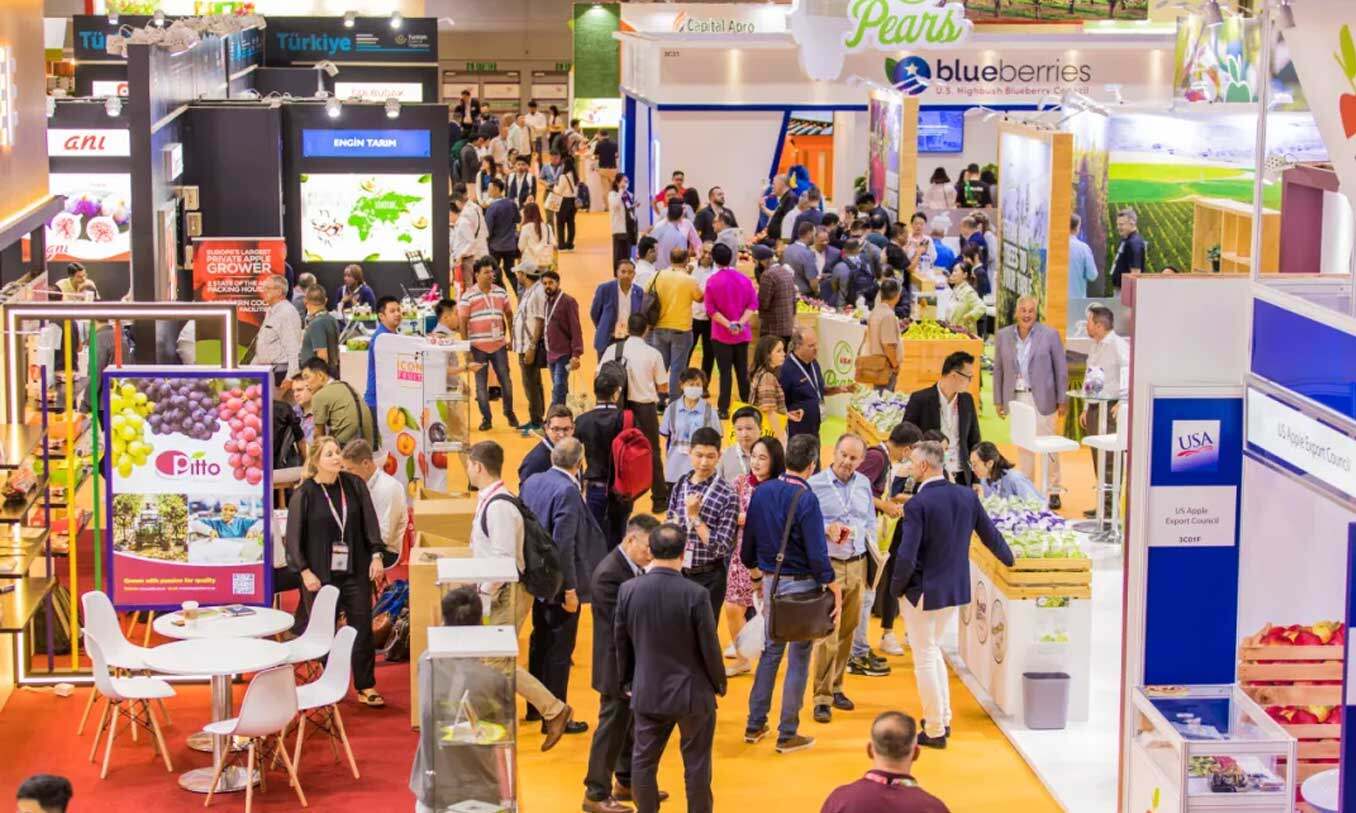
Enterprises from different industries exhibit highly differentiated characteristics in their overseas strategies, forming distinctive global layout networks. In terms of exhibition scale, the three major industries of machinery, transportation and logistics, textile and clothing, and leather products have consistently ranked among the top three in terms of project quantity, making them the absolute main force for overseas exhibitions. From the perspective of layout logic analysis, industries such as machinery and hardware tools tend to favor countries with strong industrial foundations such as Germany, the United States, and Mexico; The textile, clothing, and consumer goods industries are simultaneously targeting mature consumer markets such as the United States, Japan, and Europe, as well as regions with demographic dividends such as Vietnam and Indonesia; Transportation and construction industry, focusing on regional hubs such as Türkiye and Kazakhstan; High tech industries such as healthcare and information and communication prioritize developed countries with cutting-edge technology. Keywords: Feature News Information, Feature News Network
The key to transitioning from quantitative change to qualitative change
Facing the increasingly complex international market, how enterprises can transform their exhibition investment into tangible customers and orders has become the key to successful overseas expansion. The report points out that successful exhibitions have evolved from "casting a wide net" in the past to "focusing on precision". Enterprises need to accurately choose professional exhibitions in vertical fields based on their own product attributes and target markets, rather than blindly pursuing scale. Efficient pre exhibition preparation (such as sending invitations to target customers one month in advance), professional on-site display and interaction (such as using the "three color labeling method" to quickly classify customers), and the crucial 72 hour golden follow-up window after the exhibition constitute the core closed loop of modern professional exhibitions. These refined and specialized operations are the necessary path for enterprises to improve their exhibition effectiveness and transform their enthusiasm for going global into commercial achievements.Editor/Gao Xue
Comment





 Praise
 Collect
 Comment

 Share
Share


Write something~