 Search


- The Pishihang Irrigation District, which has been in operation for over 60 years, has reached a new starting point
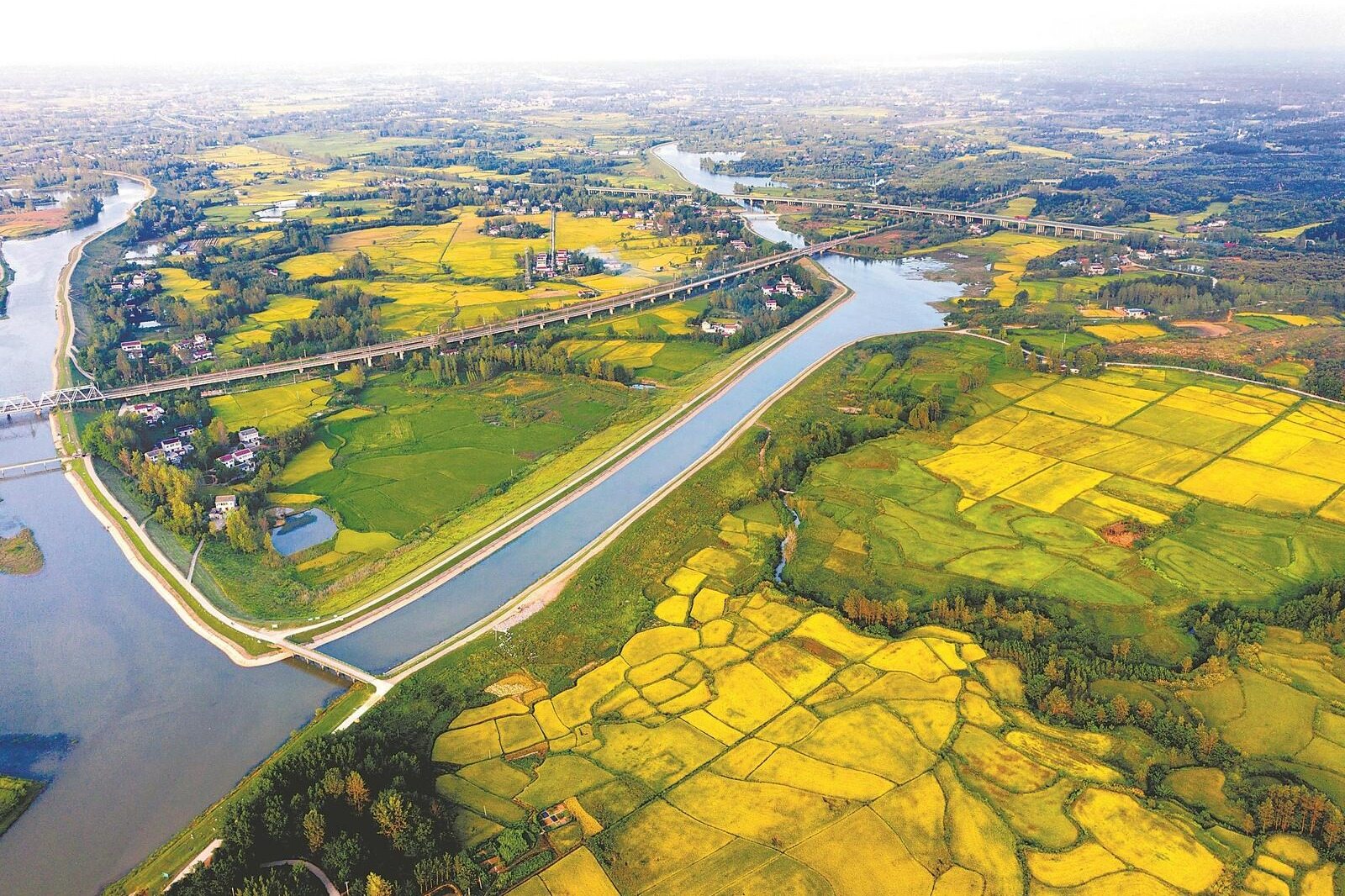
Against the backdrop of intensified global climate change and frequent extreme weather events, ensuring food security and efficient utilization of water resources have become global challenges. The modernization of water infrastructure is urgently needed. As a major agricultural country, the construction and management of irrigation areas in China are of great significance to national food security and ecological stability. The Pishihang Irrigation District, the largest irrigation district built in China after the founding of the People's Republic of China, is standing at a new historical starting point and embarking on a magnificent journey of modernization.
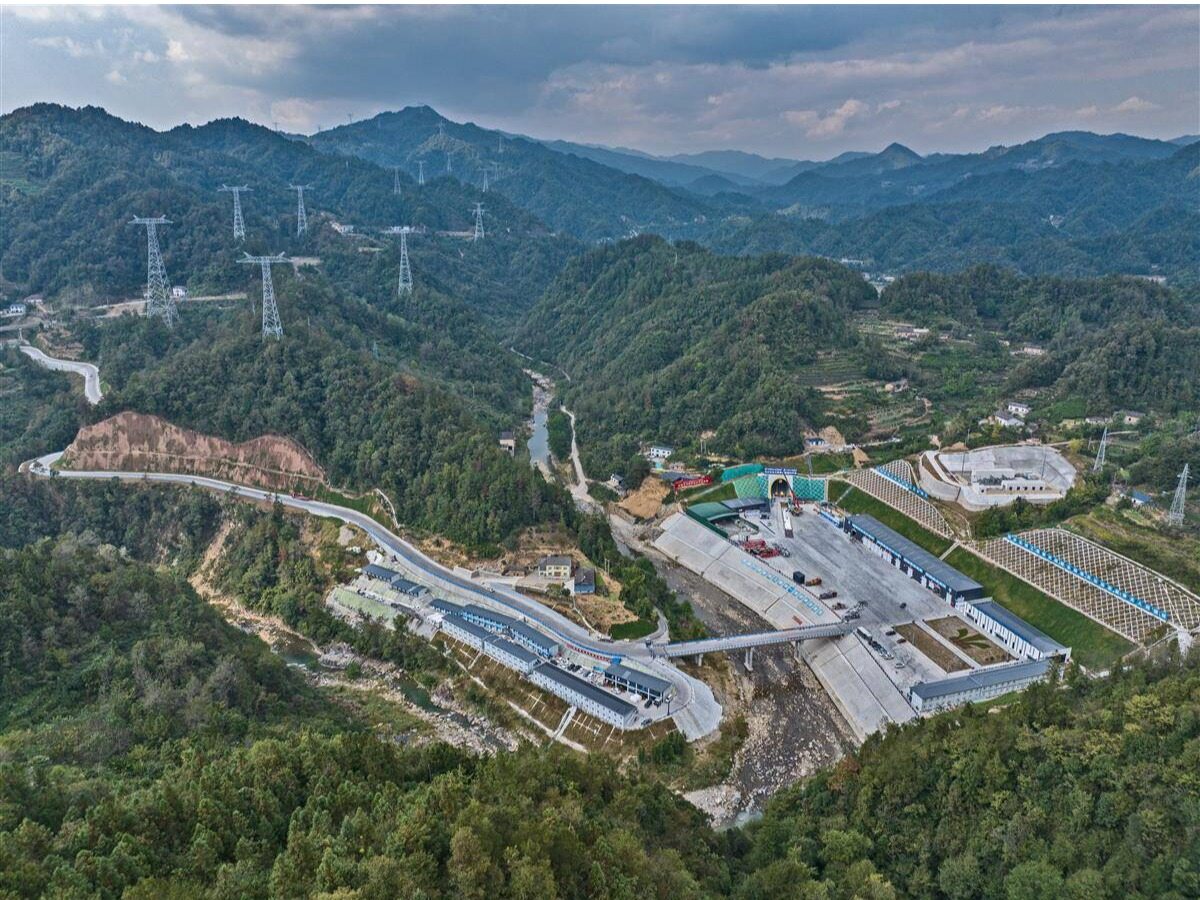
On January 29, 2026, the pilot construction project for the modernization of the Pishihang Irrigation District in Anhui Province began in Huoqiu County, Lu'an City, marking the official entry of this major project with an estimated total investment of 19.26 billion yuan into the construction phase.
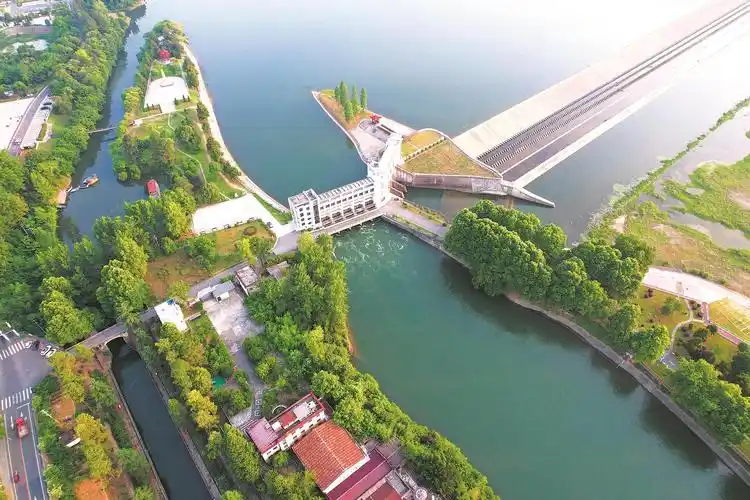
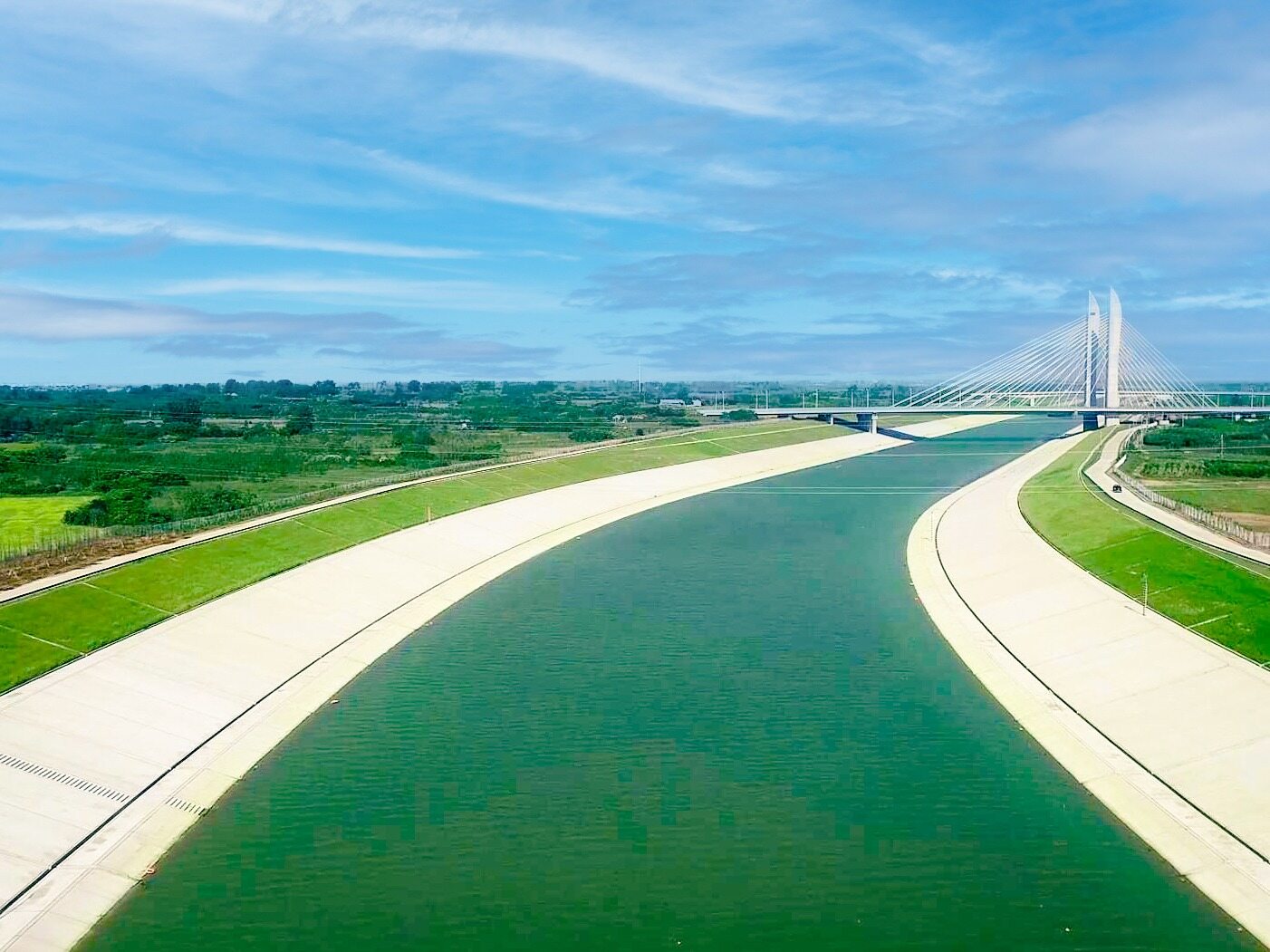
As a "dual" construction project in the field of water conservancy, the modernization and renovation project of Pishihang Irrigation Area has been included in the "Implementation Plan for the" Dual "Construction in the Field of Water Conservancy Meteorology" and the "National Agricultural Irrigation Development Plan". The project aims to improve the irrigation area by 7.2 million acres, with a total construction period of 48 months. The main construction contents include the renovation of main and branch canals, the connection of canal systems, the treatment of drainage ditches, the construction and expansion of tail water replenishment pump stations, the supporting construction of canal system buildings, and information technology construction, etc., comprehensively enhancing the comprehensive efficiency of the irrigation area.
The glorious past laid the foundation, but today's transformation has broken through
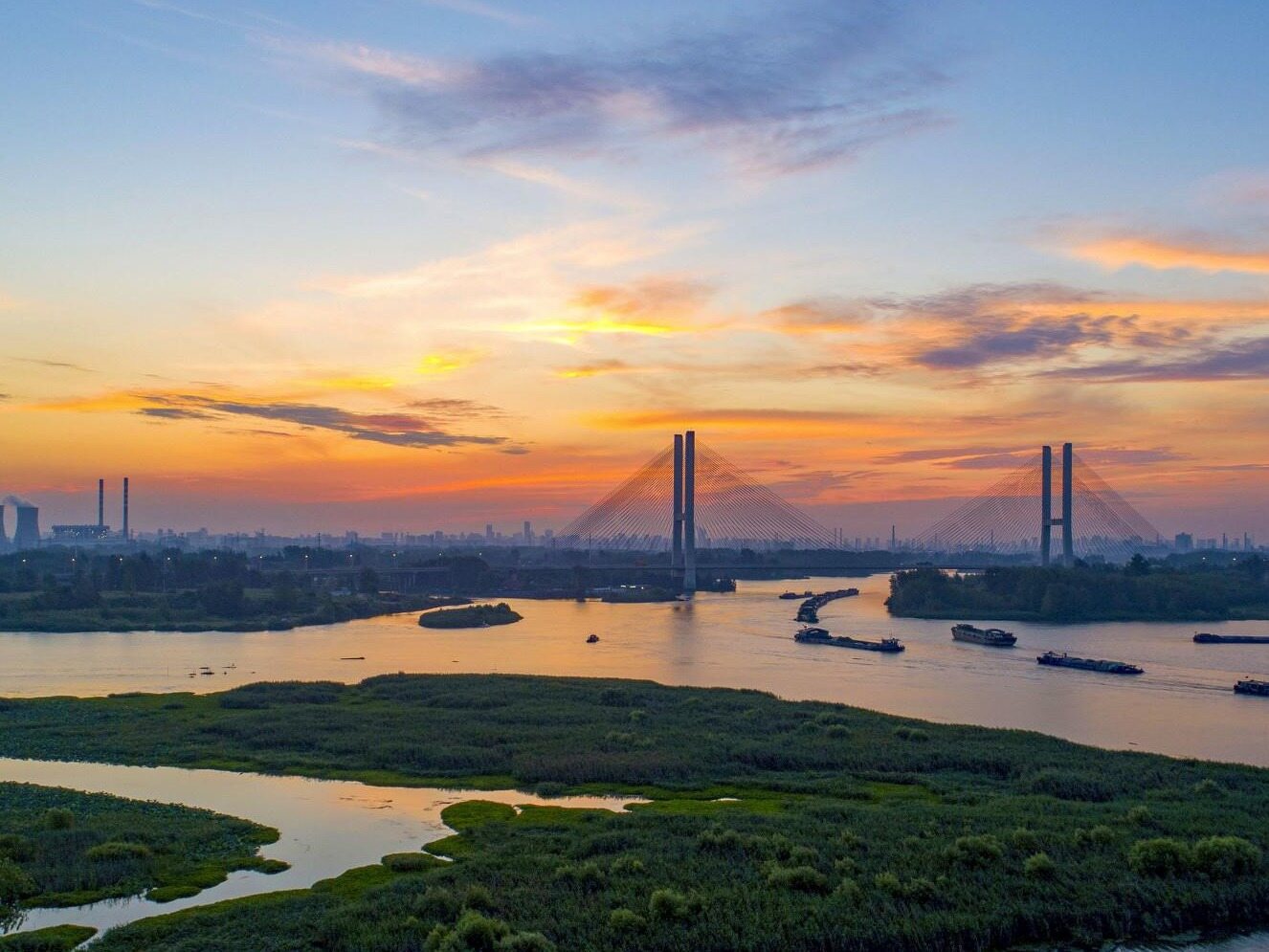
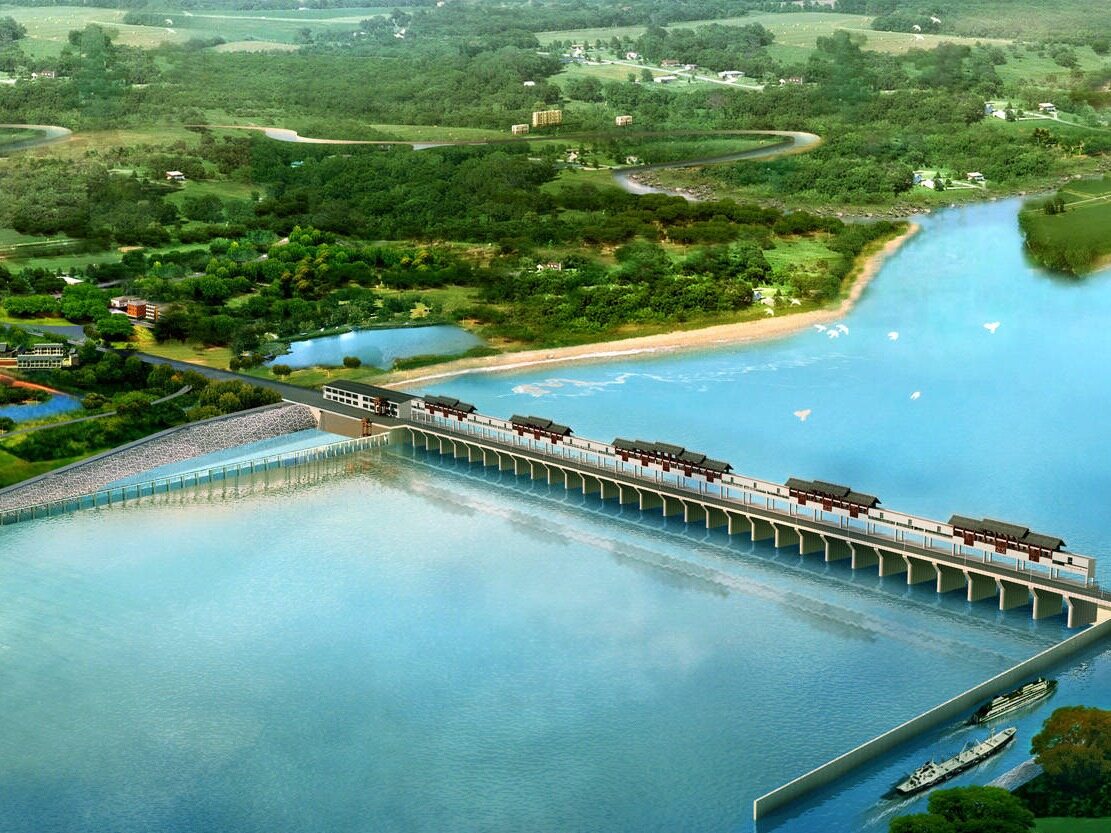
The Pishi Hang Irrigation Area spans the Yangtze and Huai River basins, with a designed irrigation area of 11.98 million acres. It is a strategic pillar for flood control, food security, water supply security, and ecological security in the western and central Anhui regions. Over the past 60 years of operation, the accumulated irrigation water supply has exceeded 180 billion cubic meters, the grain production has increased by over 170 billion kilograms, ensuring the drinking water safety of nearly 14 million urban and rural populations, and turning the Jianghuai watershed, which has experienced nine droughts in ten years, into a "Jianghuai granary".
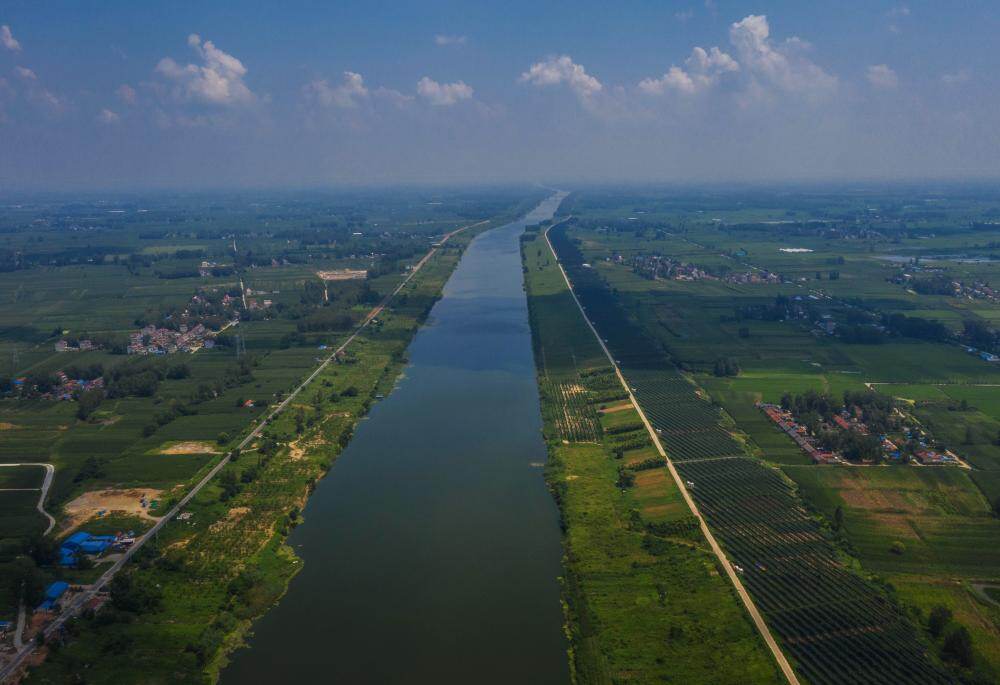
However, with the passage of time, problems such as engineering damage and leakage, prominent water supply conflicts, and traditional management methods have gradually emerged. During the 15th Five Year Plan period, modernization transformation will focus on optimizing water resource allocation, managing backbone canal systems, constructing digital twin irrigation areas, and improving agricultural water conservation and efficiency, among other core tasks, to accurately solve development bottlenecks. Keywords: water conservancy engineering, irrigation area
By renovating the main and branch canals and connecting the canal system, water resource waste can be reduced and transportation efficiency can be improved; Utilize information technology construction to achieve precise scheduling and enhance the level of intelligent management; Promote agricultural water conservation and efficiency improvement, and promote sustainable utilization of water resources. This transformation will contribute solid water conservancy support to the high-level construction of the Jianghuai granary, write the chapter of Chinese path to modernization in Anhui, and open the new development of Pishihang Irrigation District.Editor/Cheng Liting
Comment

 Praise
 Collect
 Comment

 Share
Share


Write something~