 Search


- In 2026, the latest population "report cards" of the five Central Asian countries will be released one after another.
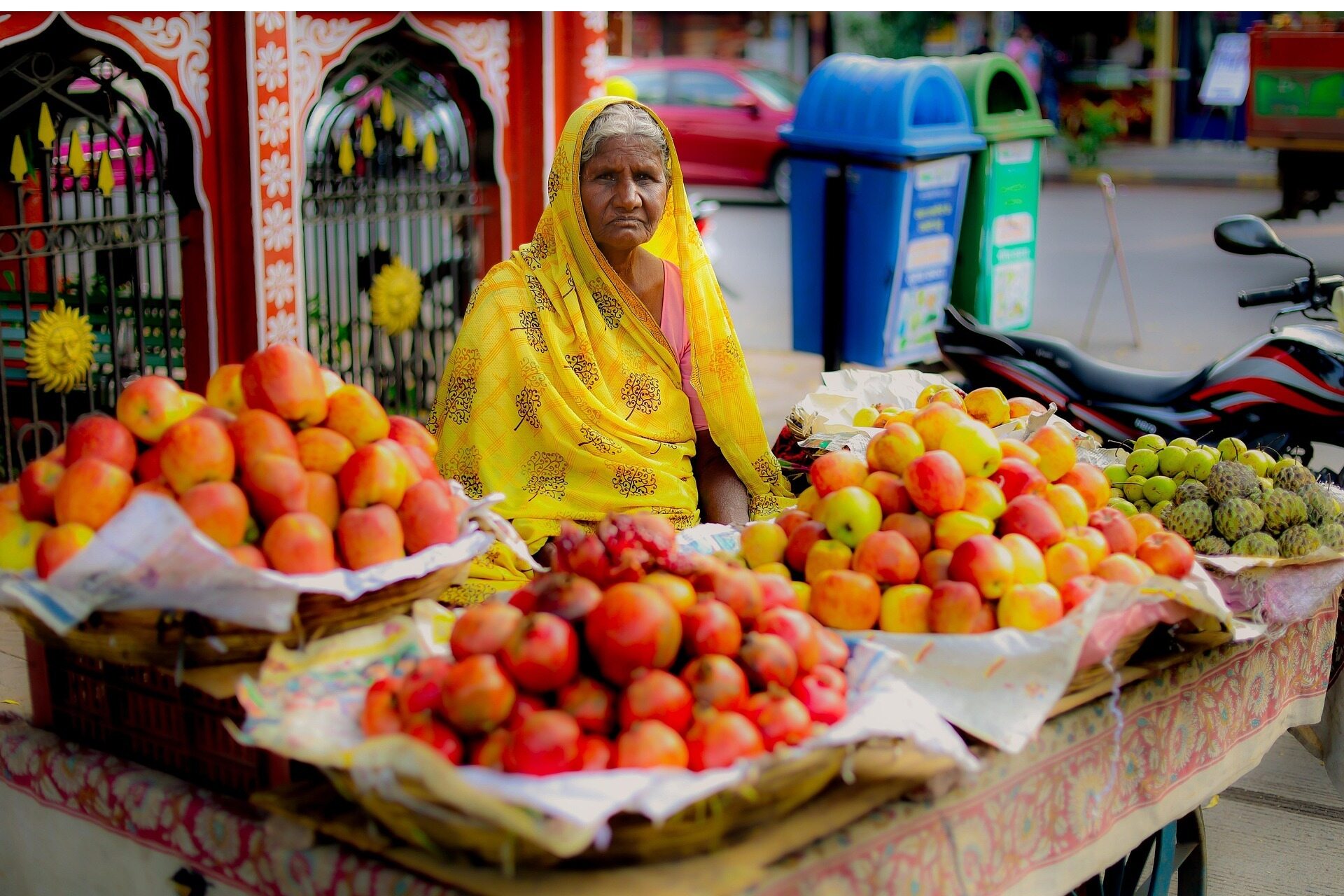
From the grasslands of Kazakhstan to the oases of Uzbekistan, population mobility and changes reflect subtle changes in the economic vitality and geopolitical landscape of Central Asia.
Kazakhstan
The total amount has exceeded 20 million, and the urbanization rate has exceeded 60%
According to data from the National Bureau of Statistics of Kazakhstan on January 1, 2026, the total population of the country reached 20.496 million, an increase of 212500 compared to the same period last year. In terms of gender structure, women account for 51.12% (10.477 million people) slightly higher than men. The urbanization process is steadily advancing, with an urban population of 13.03 million, accounting for 63.57%.
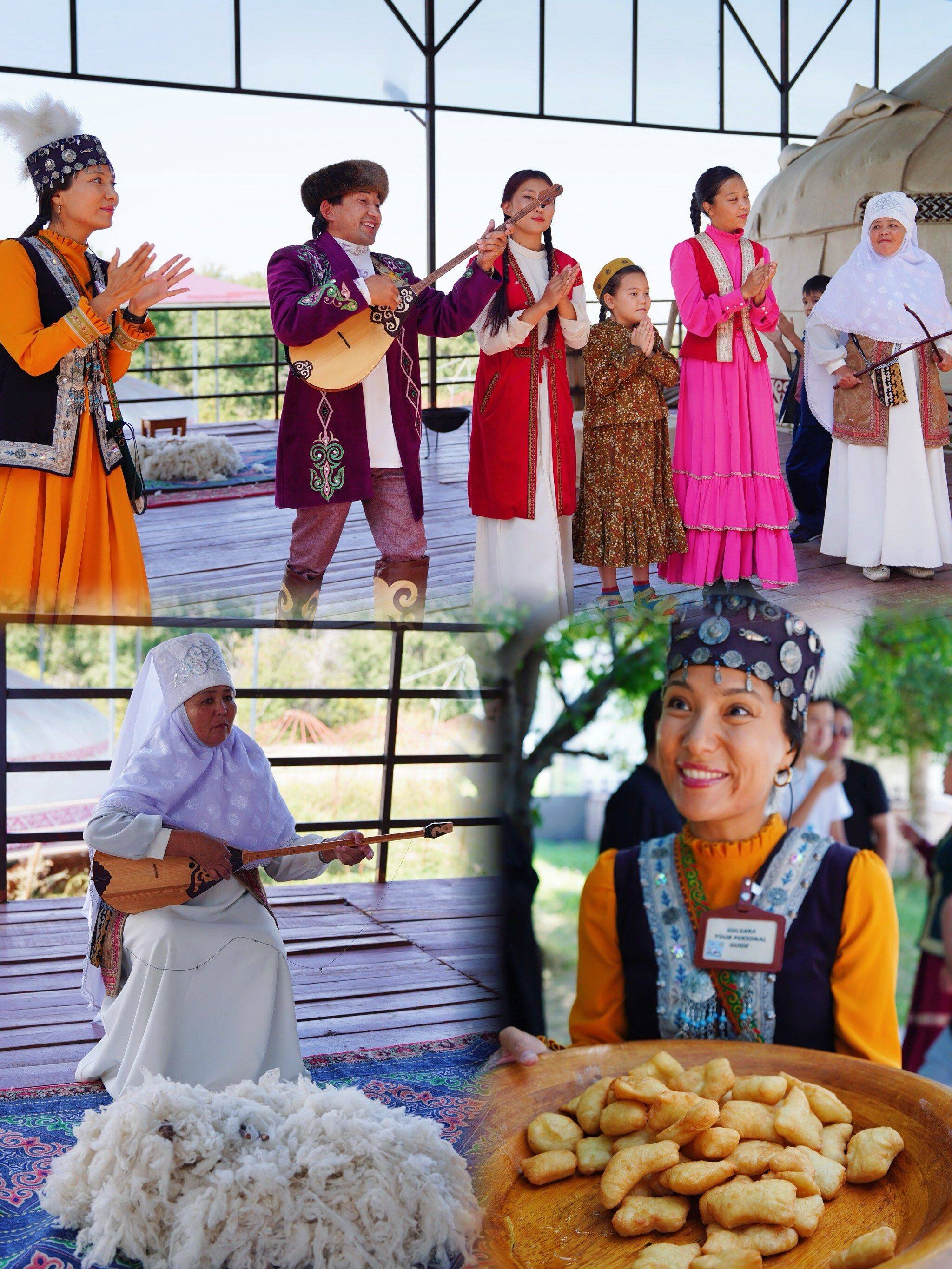
In terms of regional distribution, Turkestan Oblast has the largest population with 2.149 million people (accounting for 10.48% of the country), while Almaty (2.348 million people) and the capital Astana (1.638 million people) are the core population gathering areas. It is worth noting that there has been a phenomenon of population outflow in the states of Janbuhr, Kostanay, Norja, and several eastern states, reflecting the imbalance of regional economic development.
Uzbekistan
Stable as the most populous country in Central Asia, with significant growth
According to data from the Uzbekistan National Statistical Committee, as of early 2026, the country's permanent population has reached 38.2367 million, a year-on-year increase of 1.8% (an increase of 693500 people). The male population (19.257 million people) is slightly more than the female population, and the proportion of urban population has exceeded 50% for the first time, reaching 50.9%.

The population density has risen to 85.2 people per square kilometer. Samarkand Oblast (4.3798 million people), Fergana Oblast (4.223 million people), and Kashkadarya Oblast (3.717 million people) rank among the top three in terms of population, forming the core population triangle of the country.
Kyrgyzstan
Strong natural growth, weak growth in Bishkek
According to data from the Kyrgyzstan National Statistical Committee as of December 1, 2025, the country's permanent population is 7.3946 million. In the first 11 months of 2025, the net population increased by 112800 people, with a growth rate of 1.5%.
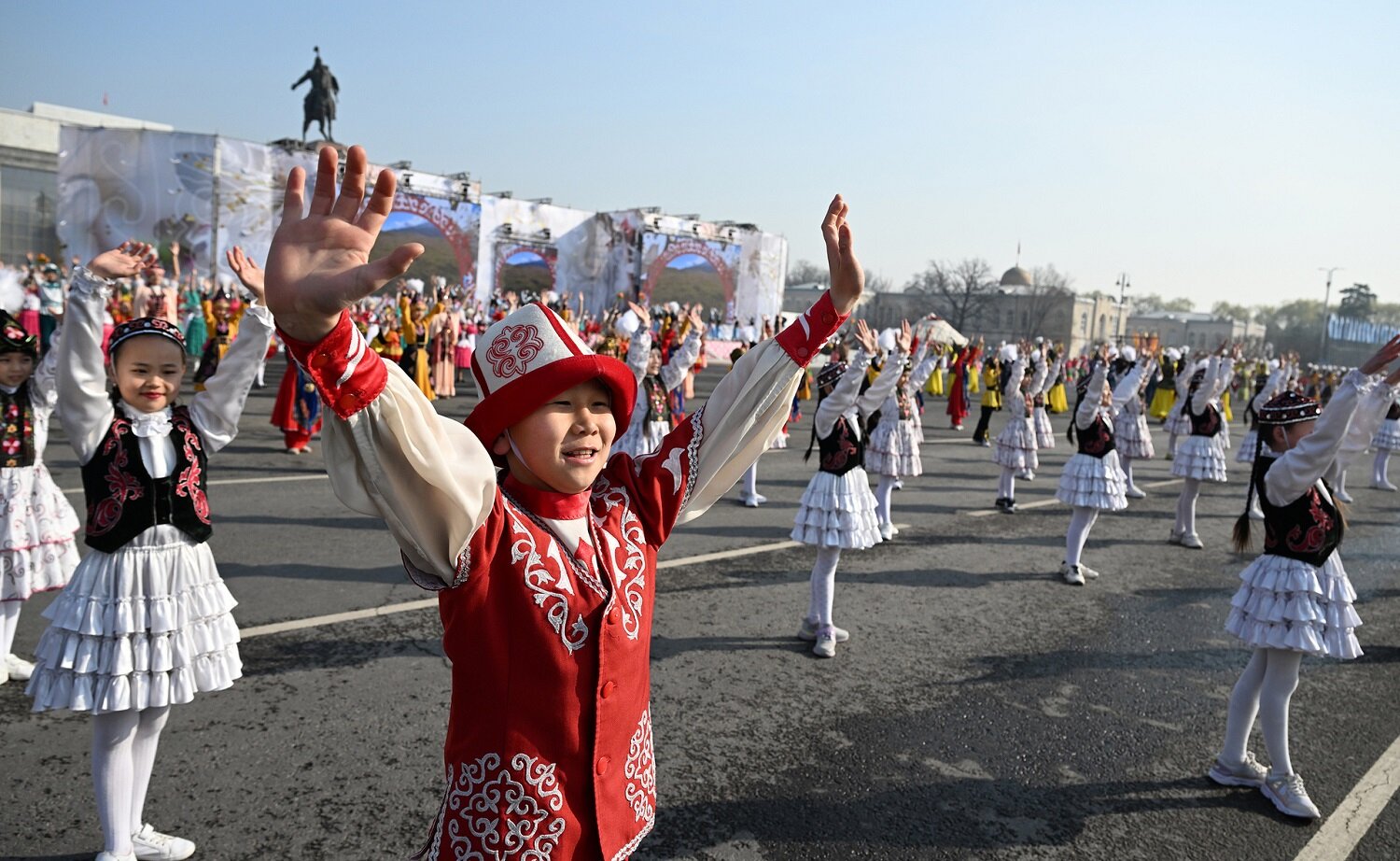
Although the birth rate (19.0 ‰) has slightly decreased from 19.9 ‰ in the same period of 2024, the natural growth rate remains at a relatively high level. Data shows that Batken Oblast, Osh Oblast, and Jalalabad Oblast are the regions with the fastest natural growth, while the capital city of Bishkek has the lowest natural growth level, showing a trend of "high growth in the south and low growth in the north".
Tajikistan and Turkmenistan
Steady growth in the tens of millions and seven million levels
On the Tajikistan side, as of July 1, 2025, the total population reached 10.6038 million people. The natural population growth rate increased by 2% year-on-year, reaching 98900 people, with a natural growth rate of 18.8 ‰, and the demographic dividend continues to be released.
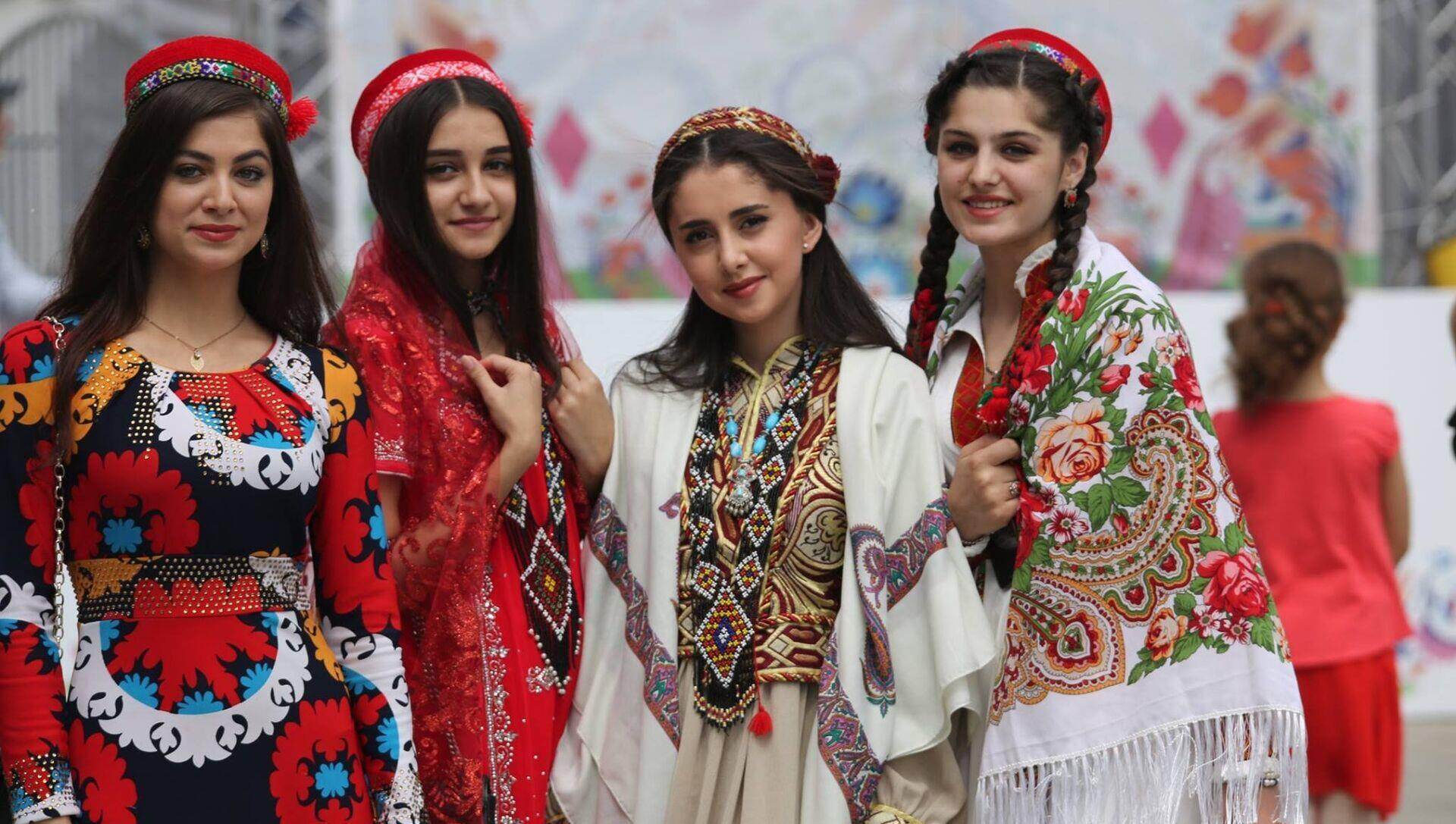
Although Turkmenistan has not yet released data after 2025, according to the 2022 census benchmark, its total population is 7.0578 million, which is relatively small among the five Central Asian countries but remains stable. Keywords: Central Asia, Population Data

The overall population growth trend in Central Asia is positive, with a combined population of nearly 60 million in Kazakhstan and Ukraine, forming the largest consumer market and labor pool in the region. However, the outflow of rural population and uneven regional growth remain issues that need to be addressed in the future urbanization and economic layout of various countries.Editor/Cheng Liting
Comment






 Praise
 Collect
 Comment

 Share
Share


Write something~