 Search


- China's millennium long history has created great historical landmarks
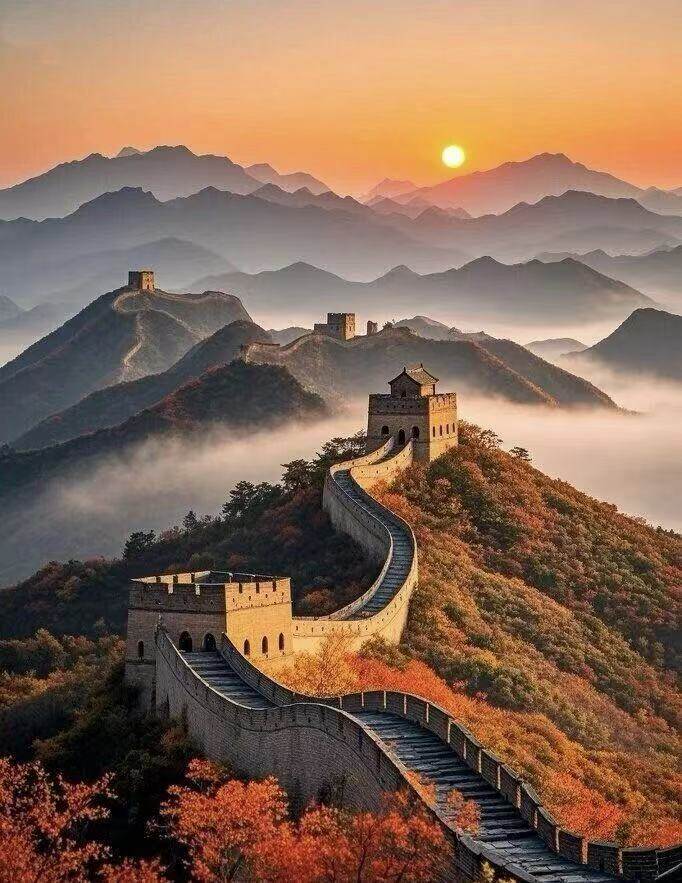
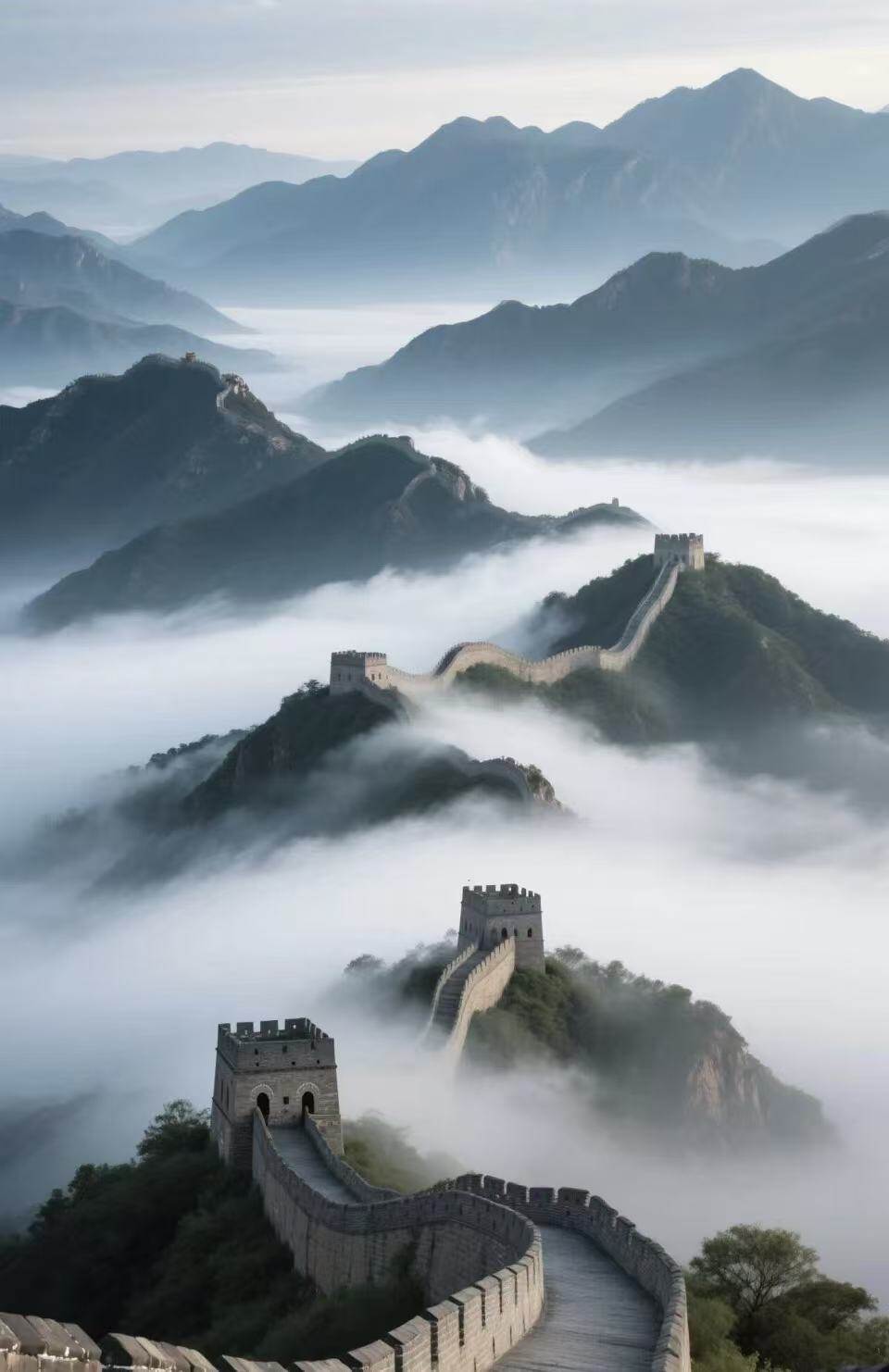
The Great Wall, the longest military defense project in human history, is a world cultural heritage site (1987). Founded in the Spring and Autumn Period and the Warring States Period, it was connected after the unification of Qin and underwent large-scale repairs during the Ming Dynasty. The total length exceeds 21000 kilometers, spanning 15 provinces, with bricks and stones as bones and rammed earth as flesh, and beacon towers and passes scattered throughout. It is a spiritual symbol of the Chinese nation, clearly visible by astronauts from space, and the common aspiration of global tourists is that 'no hero is without the Great Wall'.
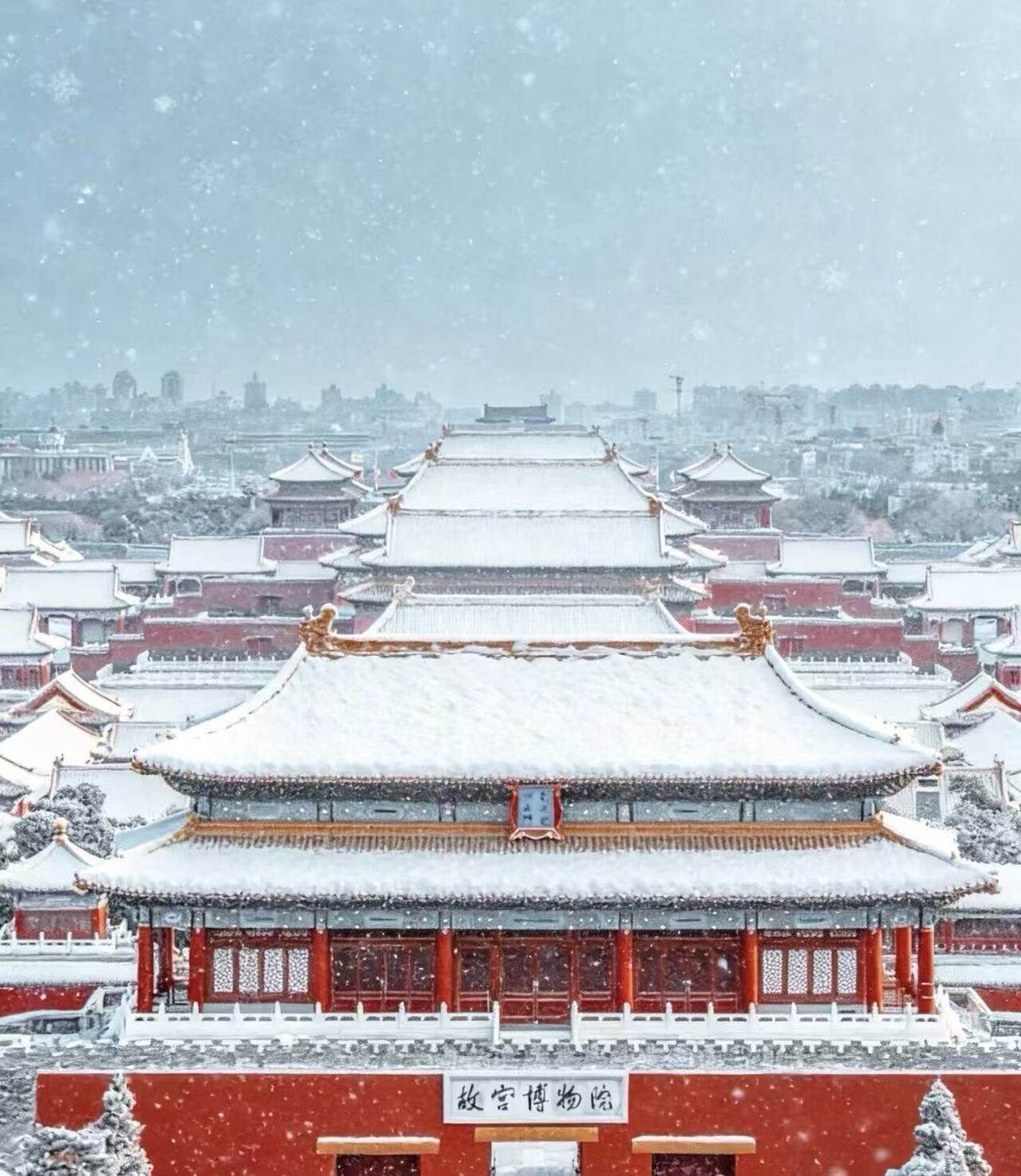
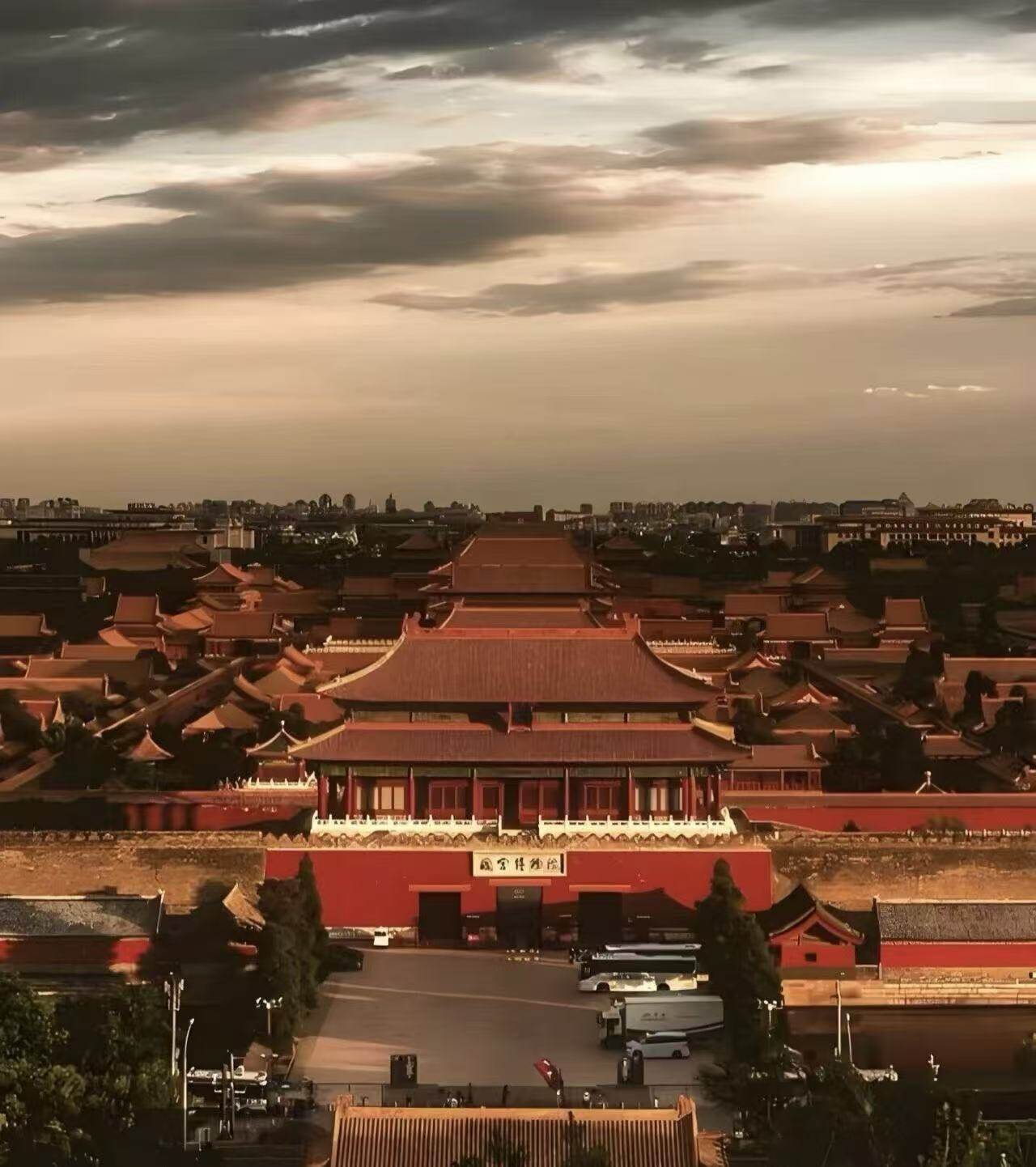
The Forbidden City in Beijing is the world's largest palace complex and a UNESCO World Heritage Site (1987). The royal palace of the Ming and Qing dynasties (1420-1912) covers an area of 720000 square meters and has more than 980 buildings and 8707 rooms. The symmetrical layout of the central axis, yellow tiles and red walls, towering halls such as the Hall of Supreme Harmony and the Qianqing Palace, with a collection of over 1.86 million cultural relics, is the pinnacle of ancient Chinese palace architecture and one of the largest wooden structure complexes in the world.
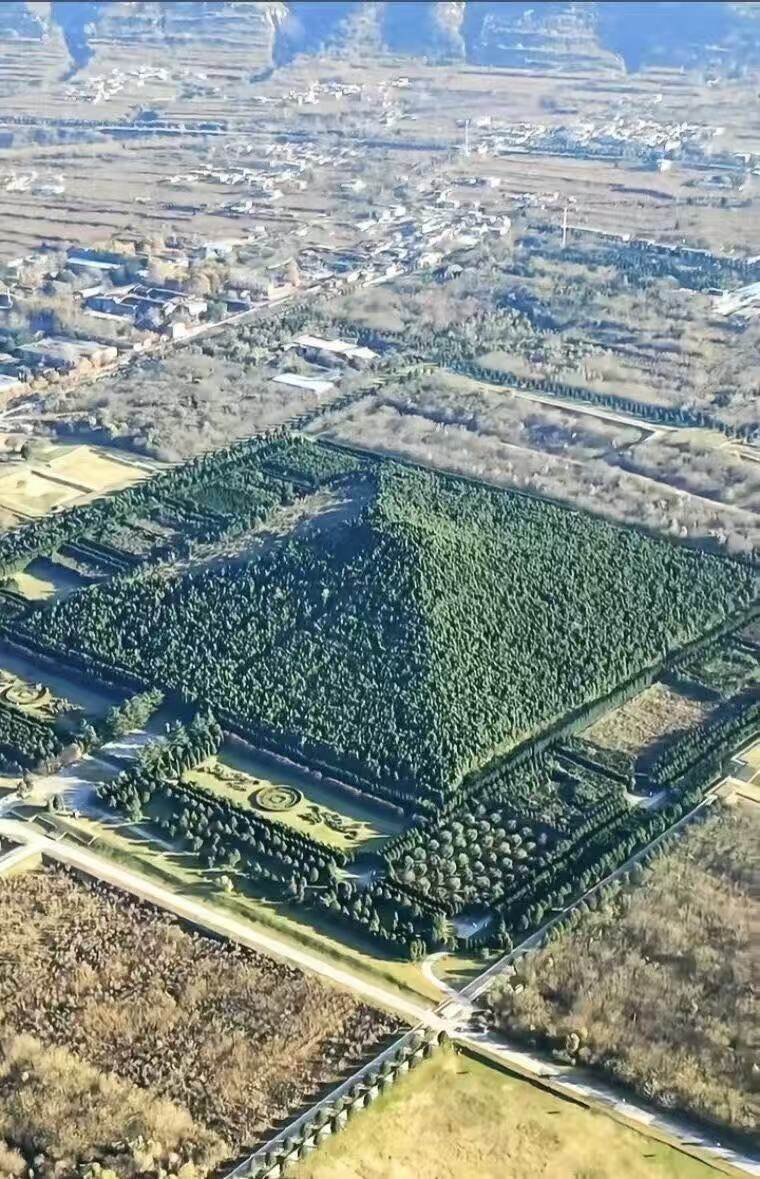
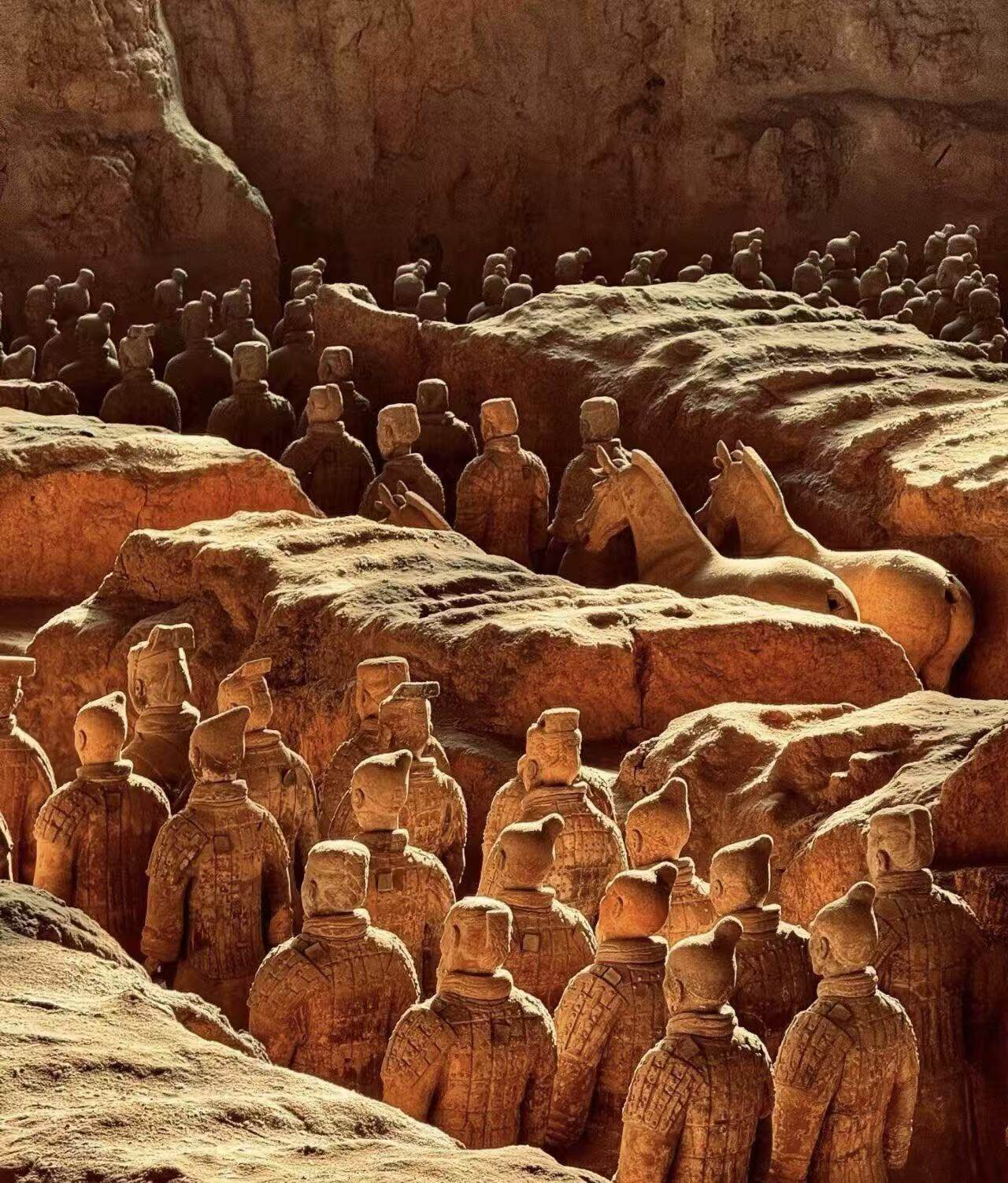
Mausoleum of Qin Shi Huang and Terracotta Warriors World Cultural Heritage (1987), one of the greatest archaeological discoveries in the 20th century. Unearthed accidentally in 1974, there are 8000+terracotta warriors, 130+terracotta horses and 40+chariots in the three pits. Each Terra Cotta Warriors has a unique face, hair style and clothing. The military formation is well-organized, the armor is shining brightly, and the bronze weapons remain sharp, reproducing the majestic military appearance of Emperor Qin Shi Huang's unification of the six states. It is known as the "Eighth Wonder of the World" and witnesses the superb sculpture and metallurgical technology of ancient China.
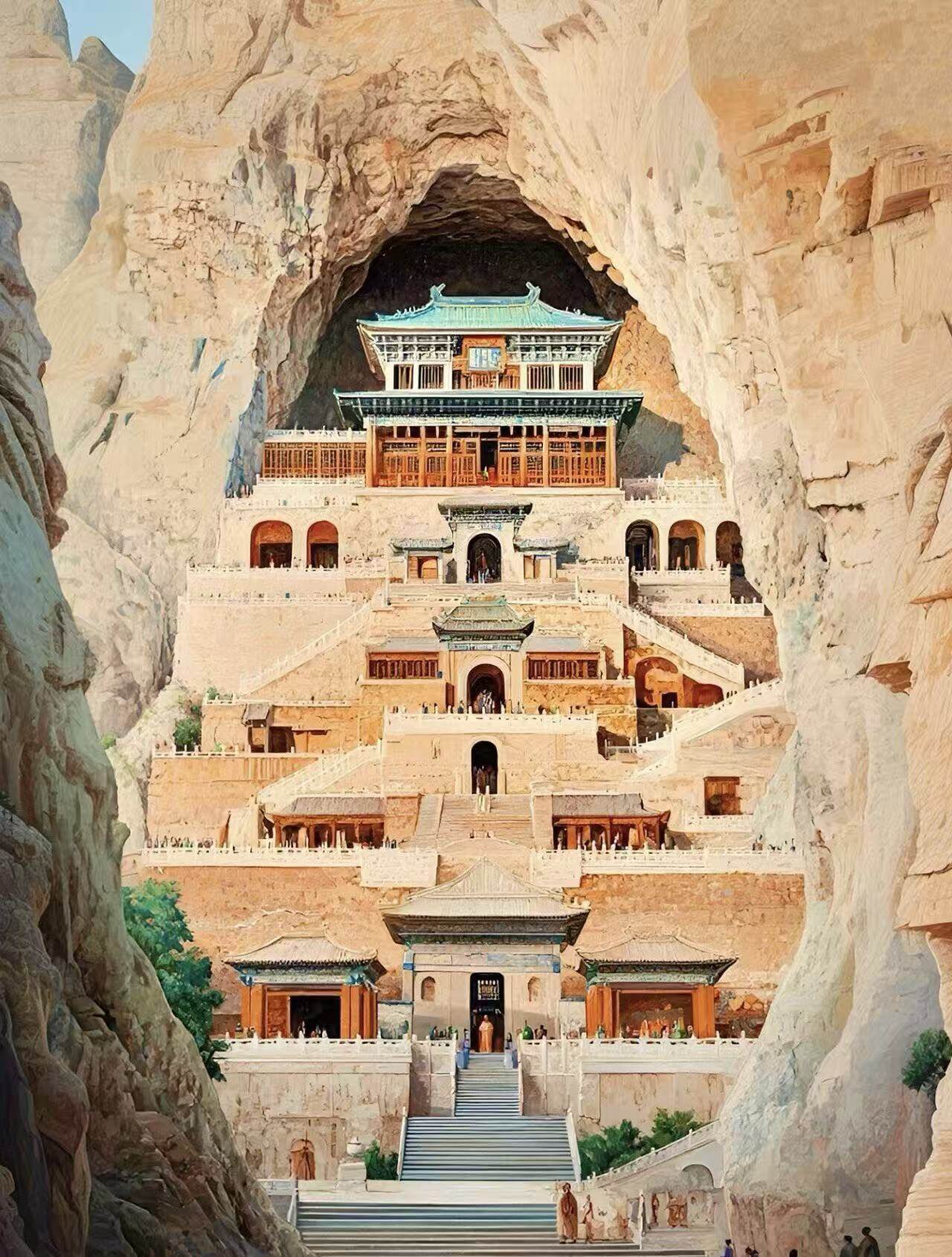
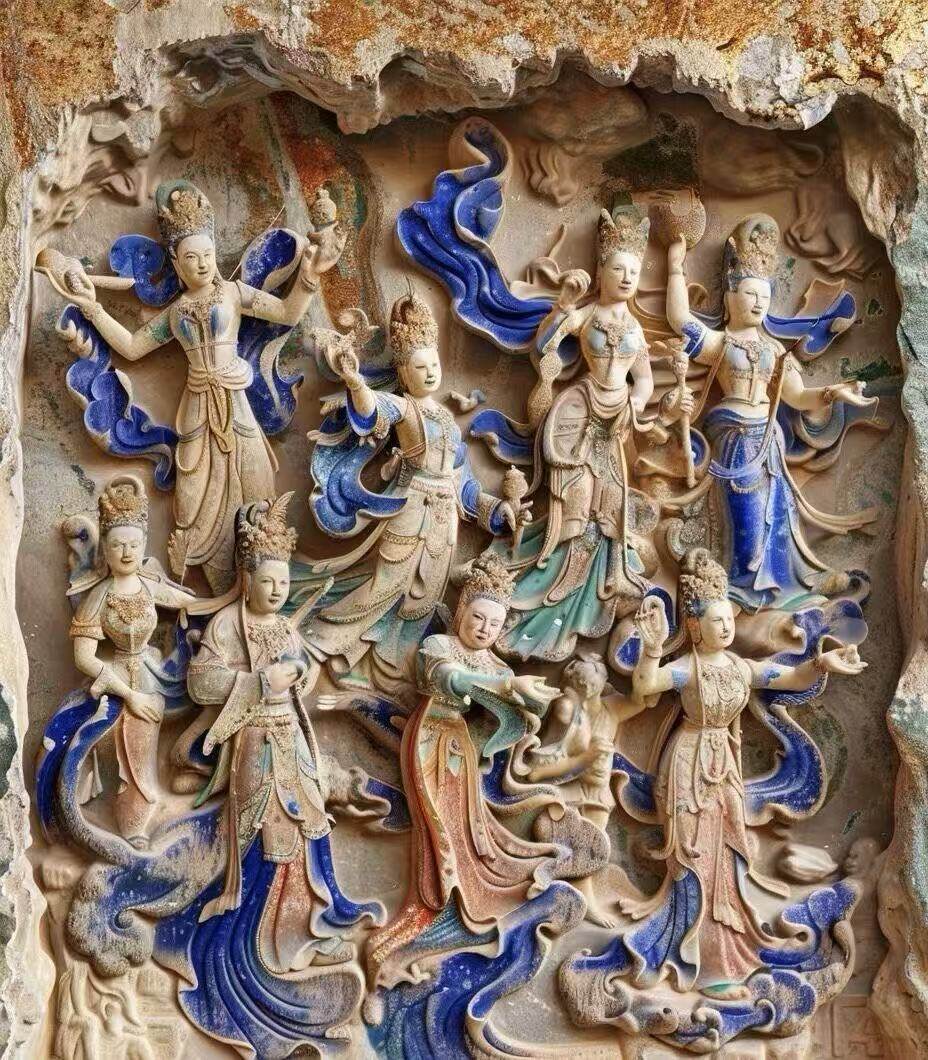
The Mogao Grottoes of Dunhuang World Cultural Heritage (1987), "art treasure house in the desert". Founded in the Former Qin Dynasty (366 AD), after thousands of years of excavation and construction, there are currently 735 caves, 45000 square meters of murals, and 2415 colored sculptures. The mural themes cover Buddhist stories, mountain scenery, and social life. The flying image is light and agile, and it is the crystallization of the integration of Eastern and Western civilizations. More than 50000 documents unearthed from the scripture cave are known as the "encyclopedia of China's medieval era".
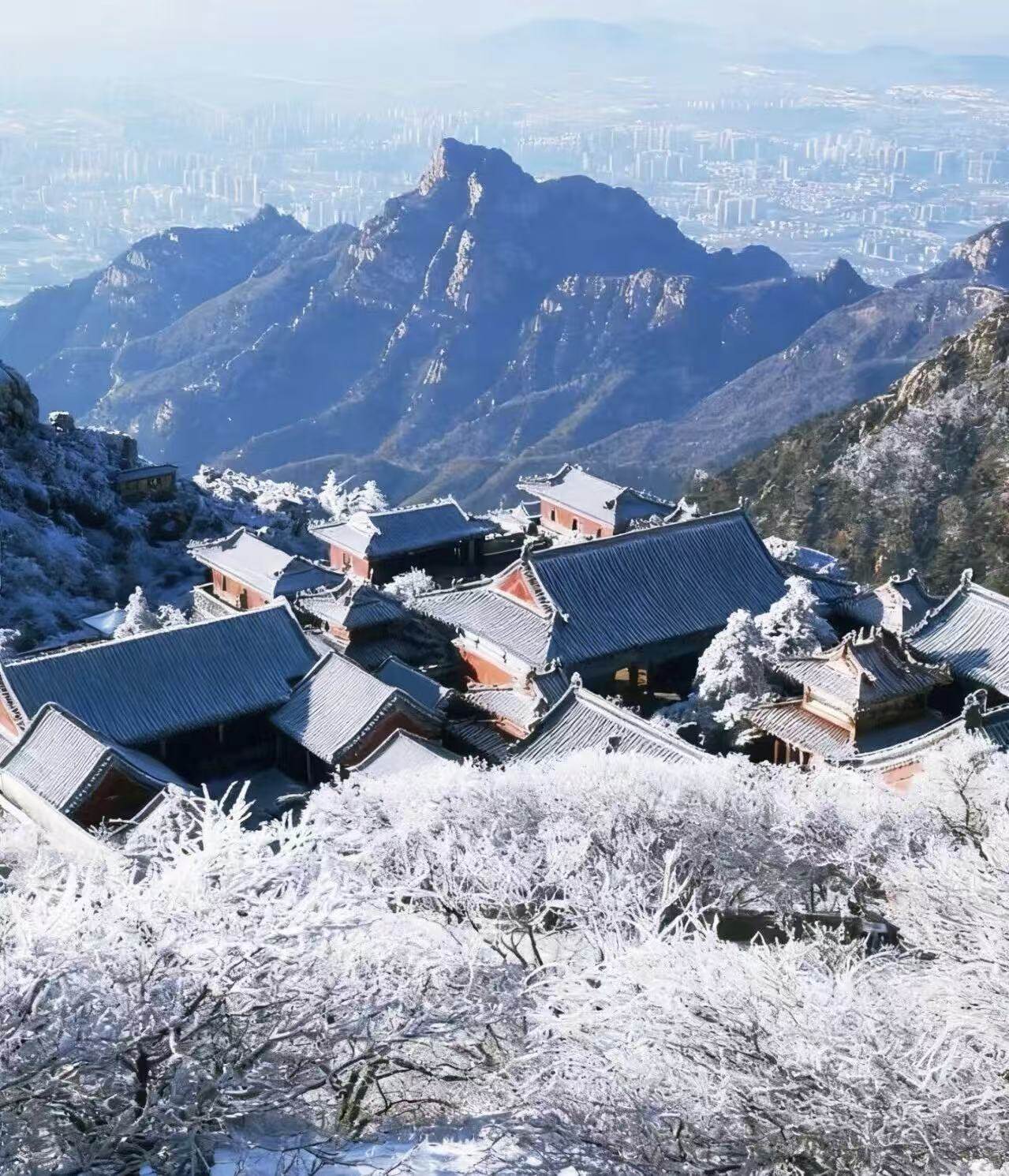
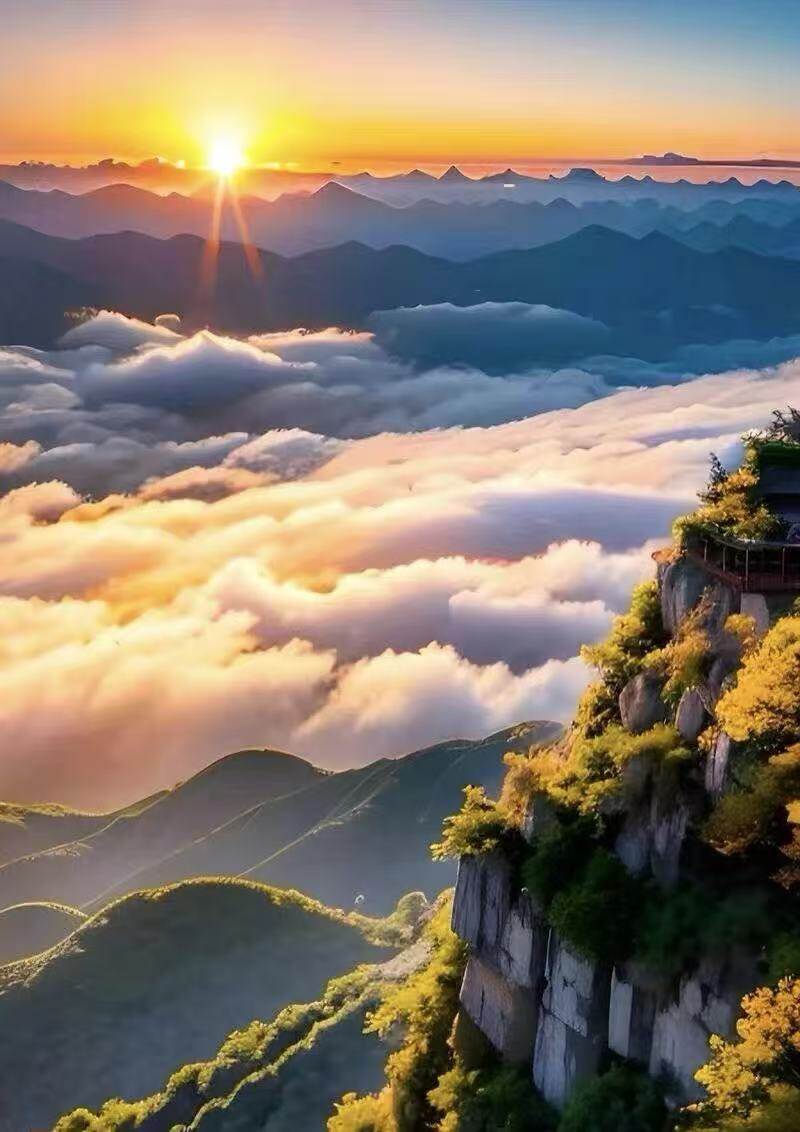
Mount Taishan is the world's first cultural and natural heritage (1987), "the first of the five mountains" and "the best mountain in the world". The main peak, Yuhuangding, is 1545 meters above sea level. It is said that "Mount Taishan is safe and all the seas are safe". Since Emperor Qin Shi Huang, 12 emperors have climbed mountains to offer sacrifices, leaving behind over 2000 stone tablets and 1000+cliff carvings. The natural landscape is magnificent, with four wonders: the sea of clouds and jade plates, the golden belt of the Yellow River, the rising sun in the east, and the sunset glow. It is the spiritual totem of the Chinese nation.
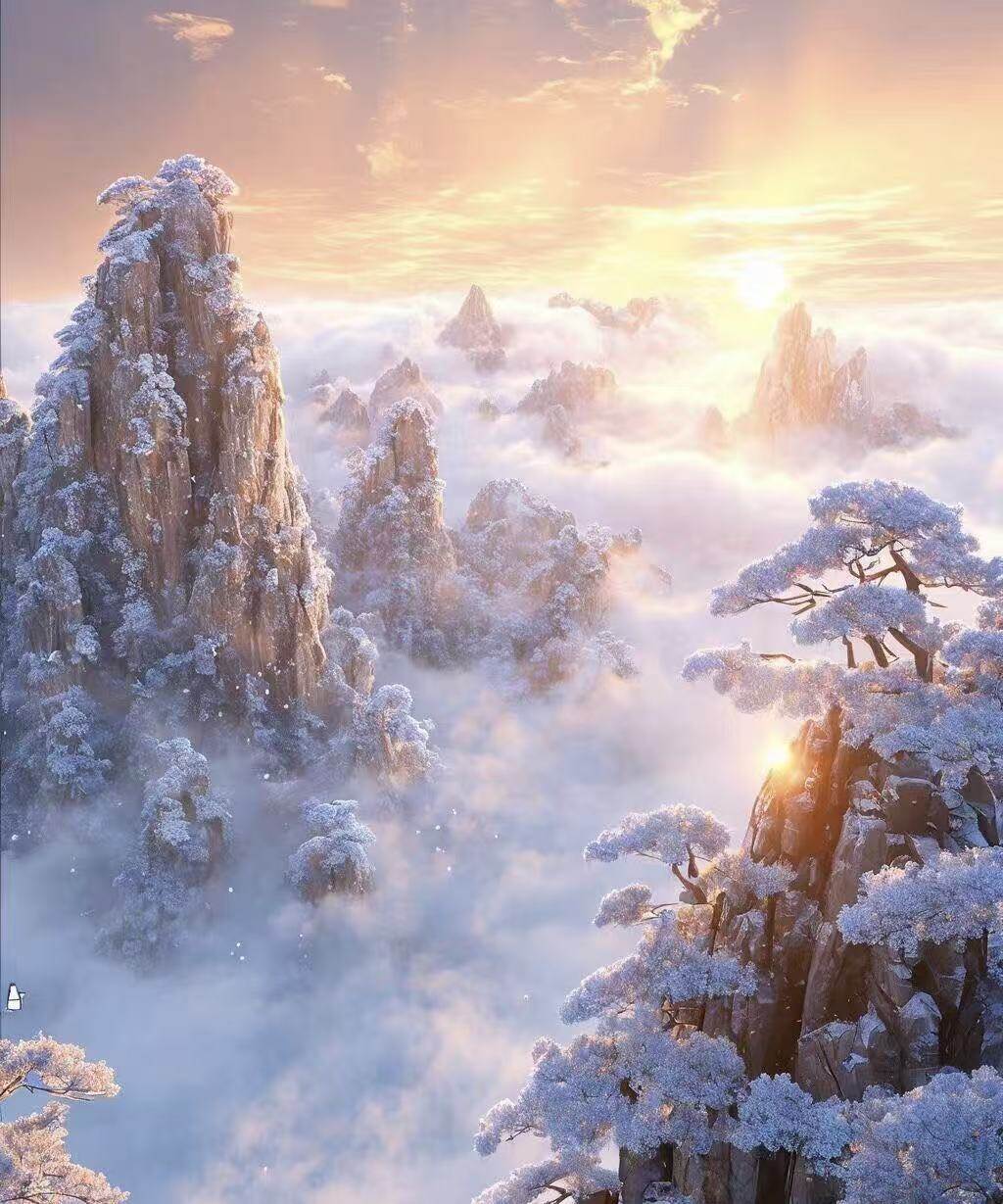
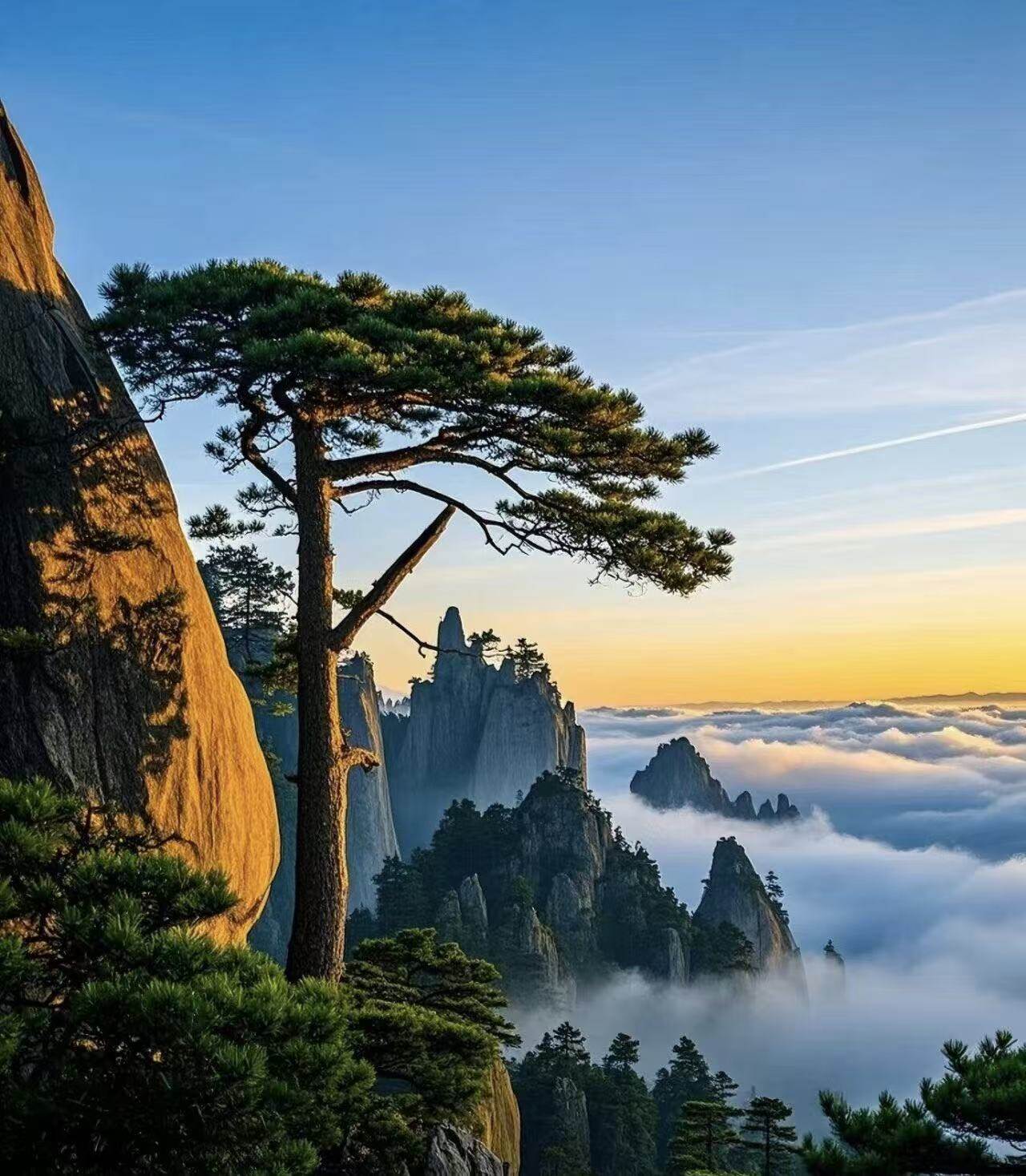
Mount Huangshan, a world cultural and natural heritage (1990), is the "most wonderful mountain in the world". Known for its five wonders of "strange pine trees, strange rocks, sea of clouds, hot springs, and winter snow", attractions such as Yingke Pine, Feilaishi, and Guangmingding are renowned worldwide. The main peak, Lianhua Peak, has an altitude of 1864 meters. The granite peak forest is like a knife cutting an axe, and when shrouded in clouds and mist, it looks like a fairyland. Xu Xiake, a traveler in the Ming Dynasty, praised him as "the thin Mount Huangshan Mountain at home and abroad is like an emblem, and there is no mountain in the world when climbing Mount Huangshan Mountain, so you can see it!", which is the source of inspiration for Chinese landscape painting.
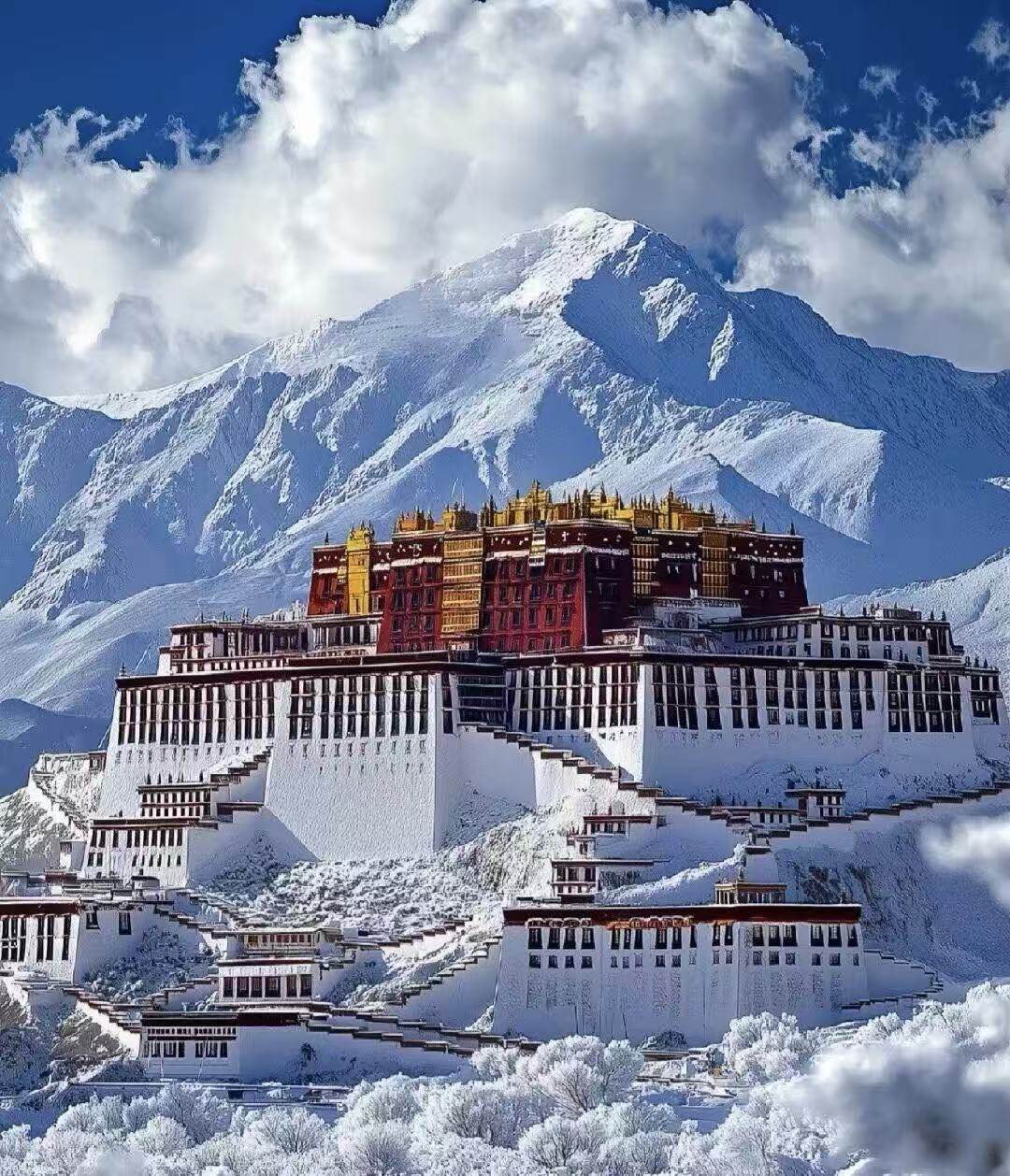
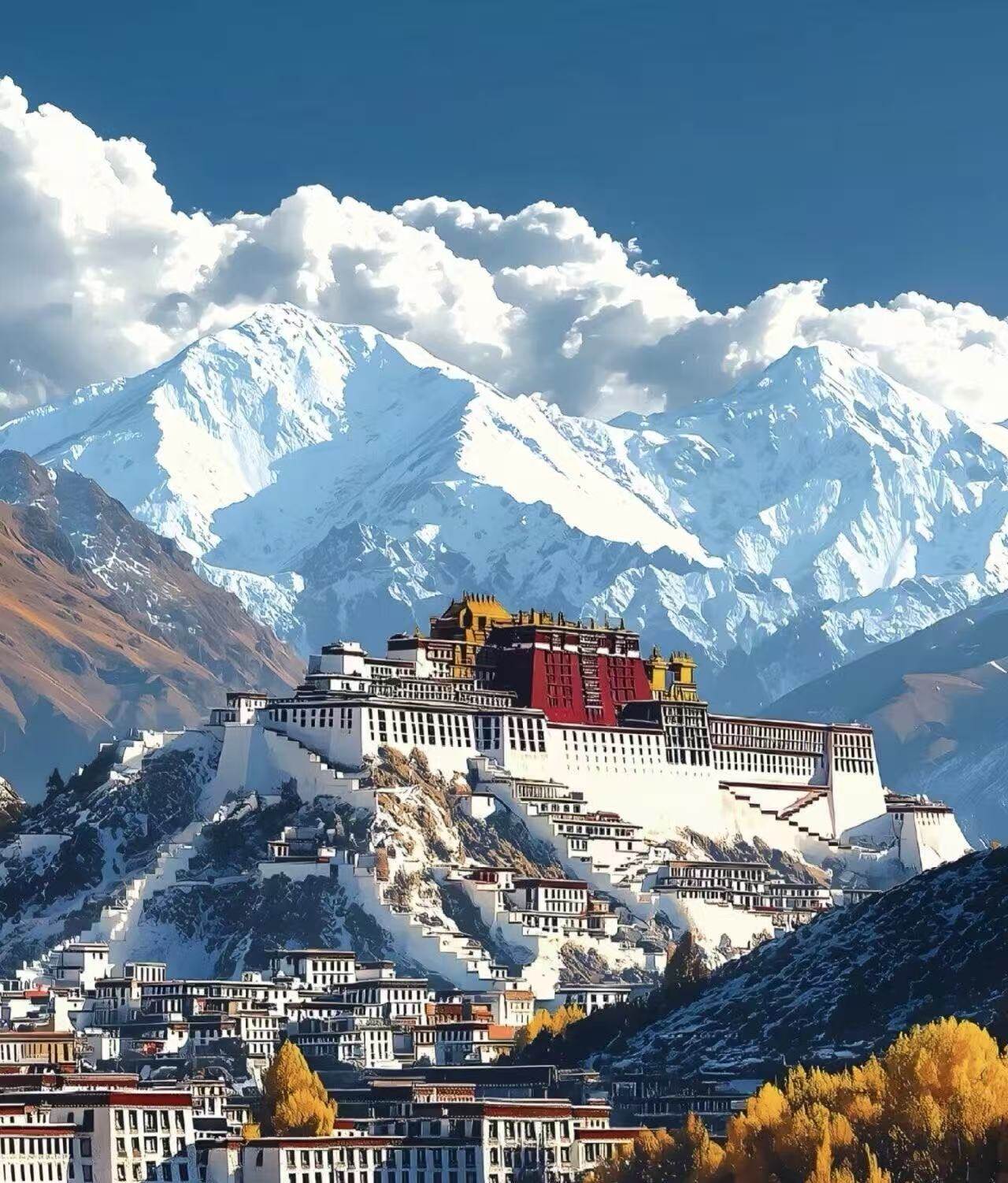
Potala Palace World Cultural Heritage Site (1994), "Pearl on the Roof of the World". Founded in the 7th century during the Songtsen Gampo era, it has an altitude of 3700 meters and covers an area of 410000 square meters. The main building has 13 floors and is 117 meters high. The White House is the residence of the Dalai Lama, while the Red Palace consists of a Buddhist temple and a stupa. The temple houses over 2000 Buddha statues, and the fifth Dalai Lama's stupa is adorned with 3721 kilograms of gold and over 100000 gemstones. Built against the mountain, it is majestic and represents the pinnacle of Tibetan architectural art, as well as a model of the fusion of Tibetan and Han cultures.
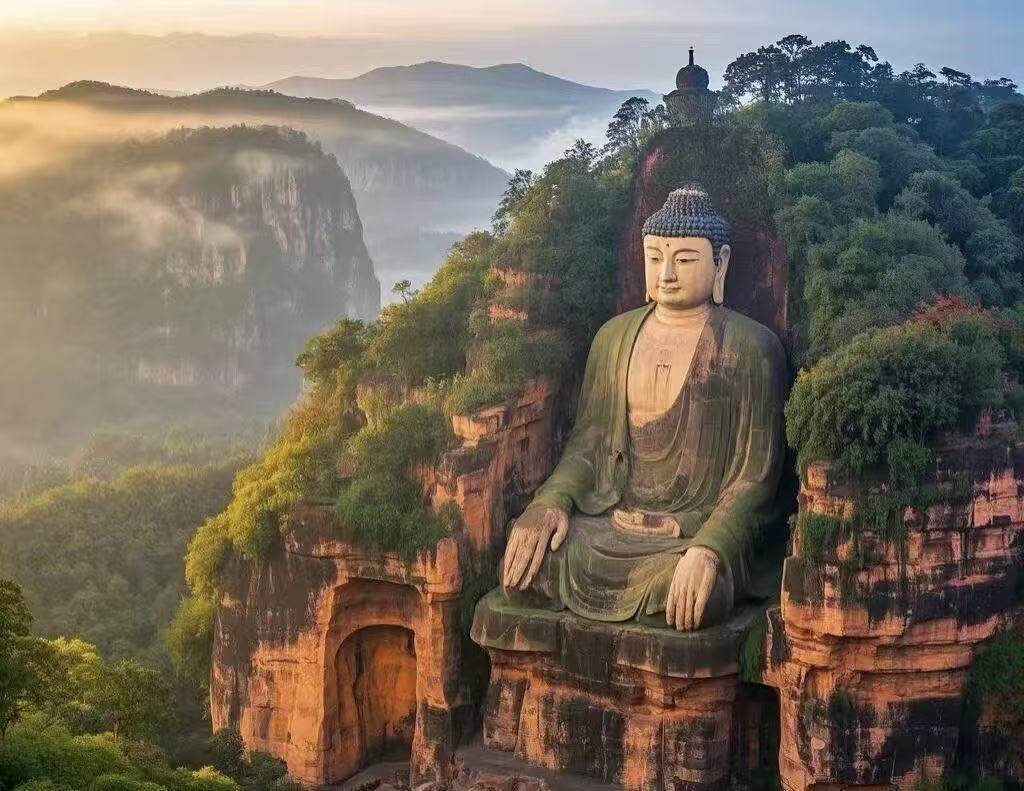
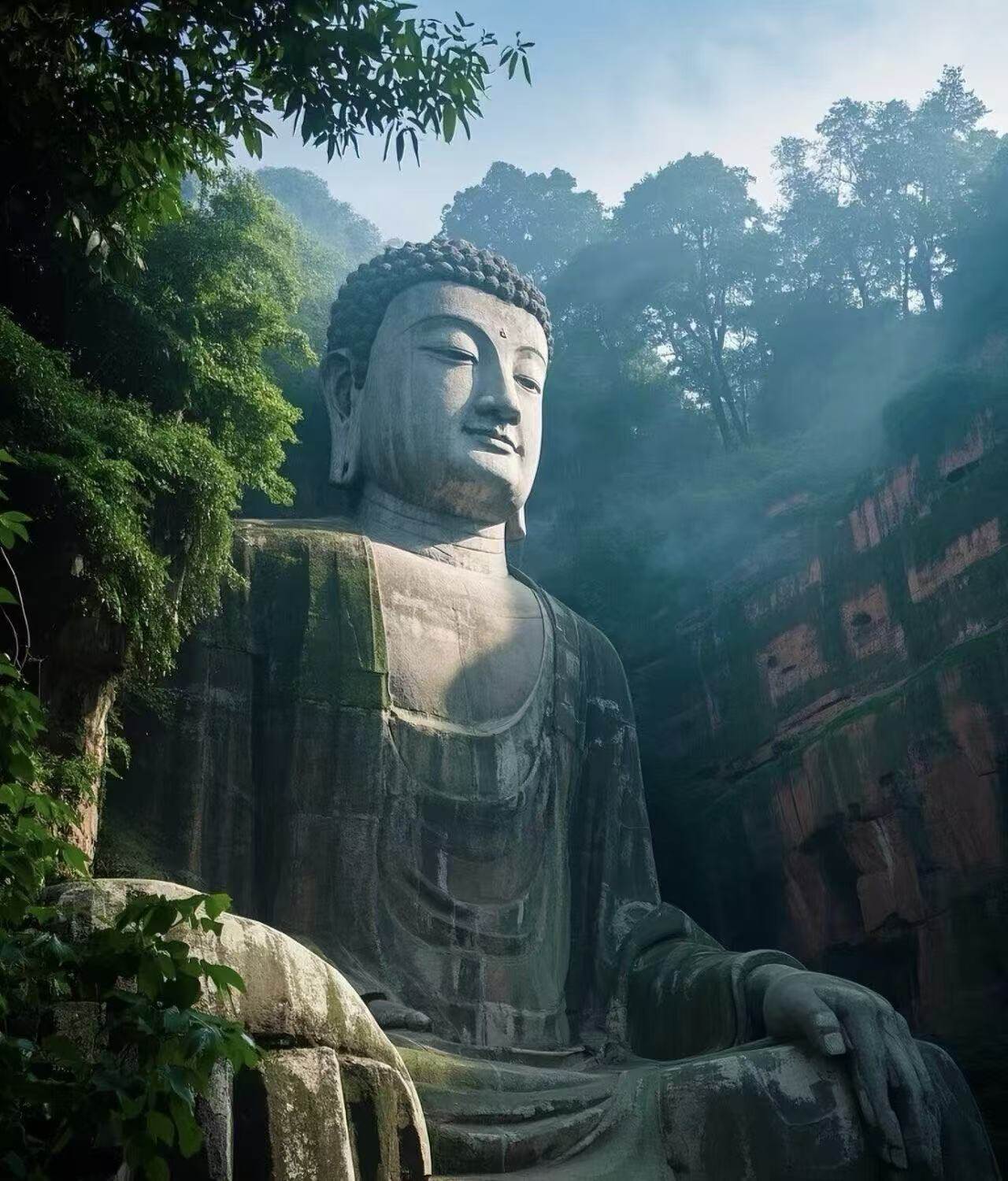
Leshan Giant Buddha Scenic Area World Cultural and Natural Heritage (Mount Emei Leshan Giant Buddha Scenic Area, 1996), "The mountain is a Buddha, and the Buddha is a mountain". Built in the first year of the Kaiyuan era of the Tang Dynasty (713 AD), it took 90 years to complete and is 71 meters high. It is the world's largest stone carved Maitreya statue. The Buddha's head is at the same level as the mountain, his feet step on the river, his hands touch his knees, and his expression is solemn. The drainage system is hidden in his hair bun and clothing folds, and has remained intact after thousands of years of wind and rain, reflecting the wisdom and perseverance of ancient Chinese craftsmen.
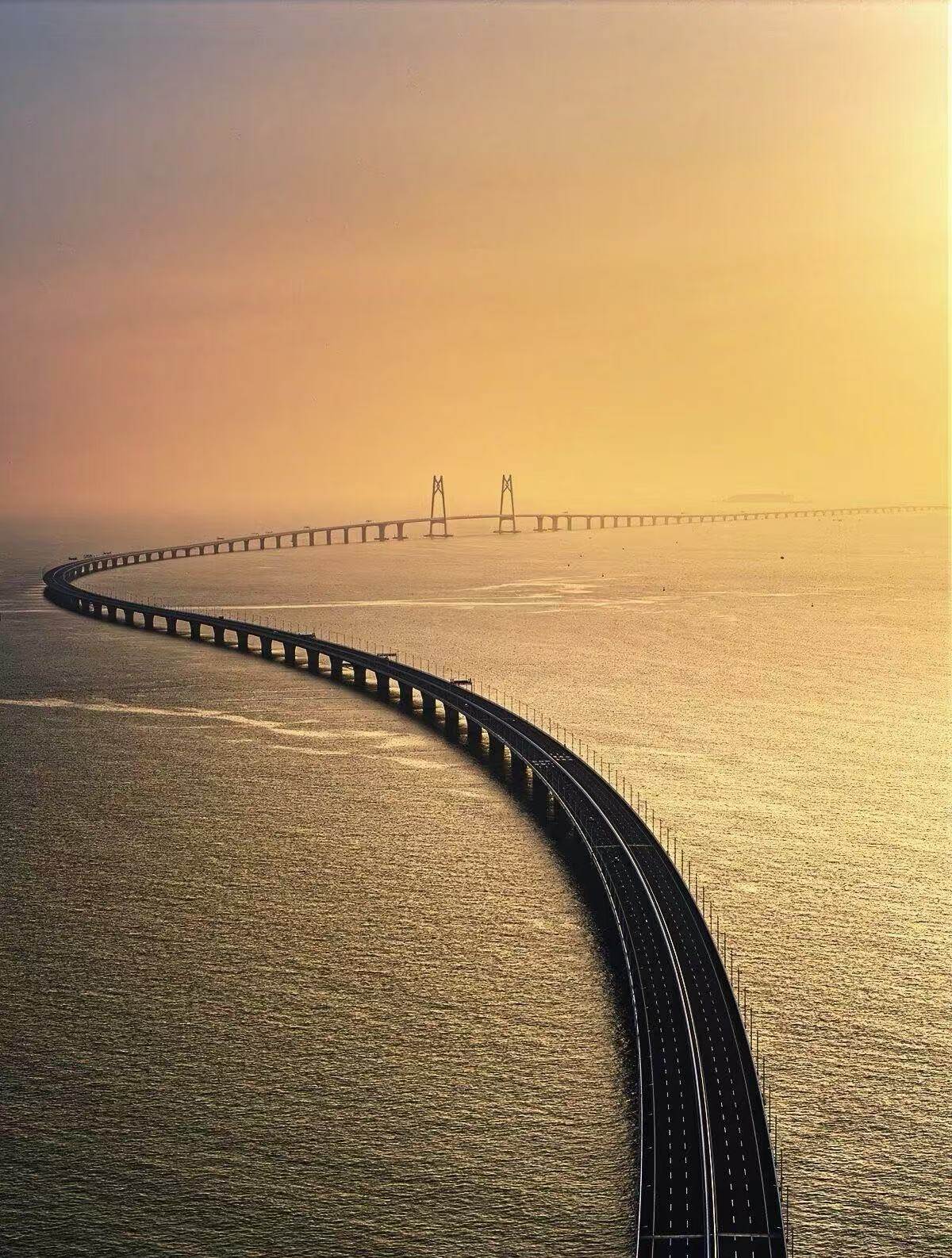
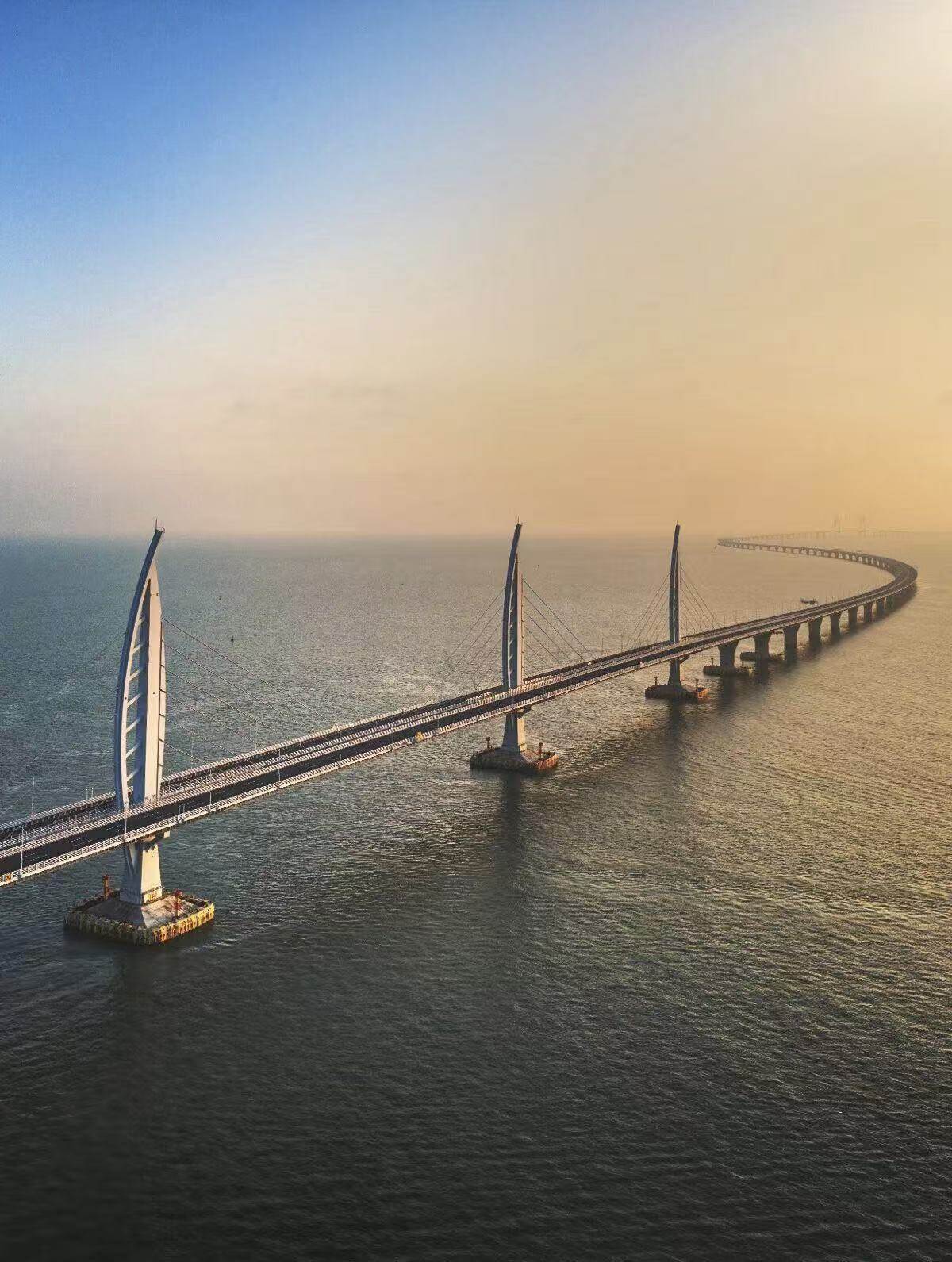
The Hong Kong Zhuhai Macao Bridge, a 21st century mega project and the world's longest sea crossing bridge, was opened to traffic in 2018. The total length is 55 kilometers, integrating bridges, islands, and tunnels. The underwater tunnel is 6.7 kilometers long and can withstand typhoons of magnitude 16, earthquakes of magnitude 8, and impacts from 300000 ton ships. Connecting Hong Kong, Zhuhai, and Macau, the journey has been reduced from 3 hours to 45 minutes. It is a model of cooperation between Guangdong, Hong Kong, and Macau under the "One Country, Two Systems" policy, creating 7 world records and showcasing China's top strength in modern bridge engineering.
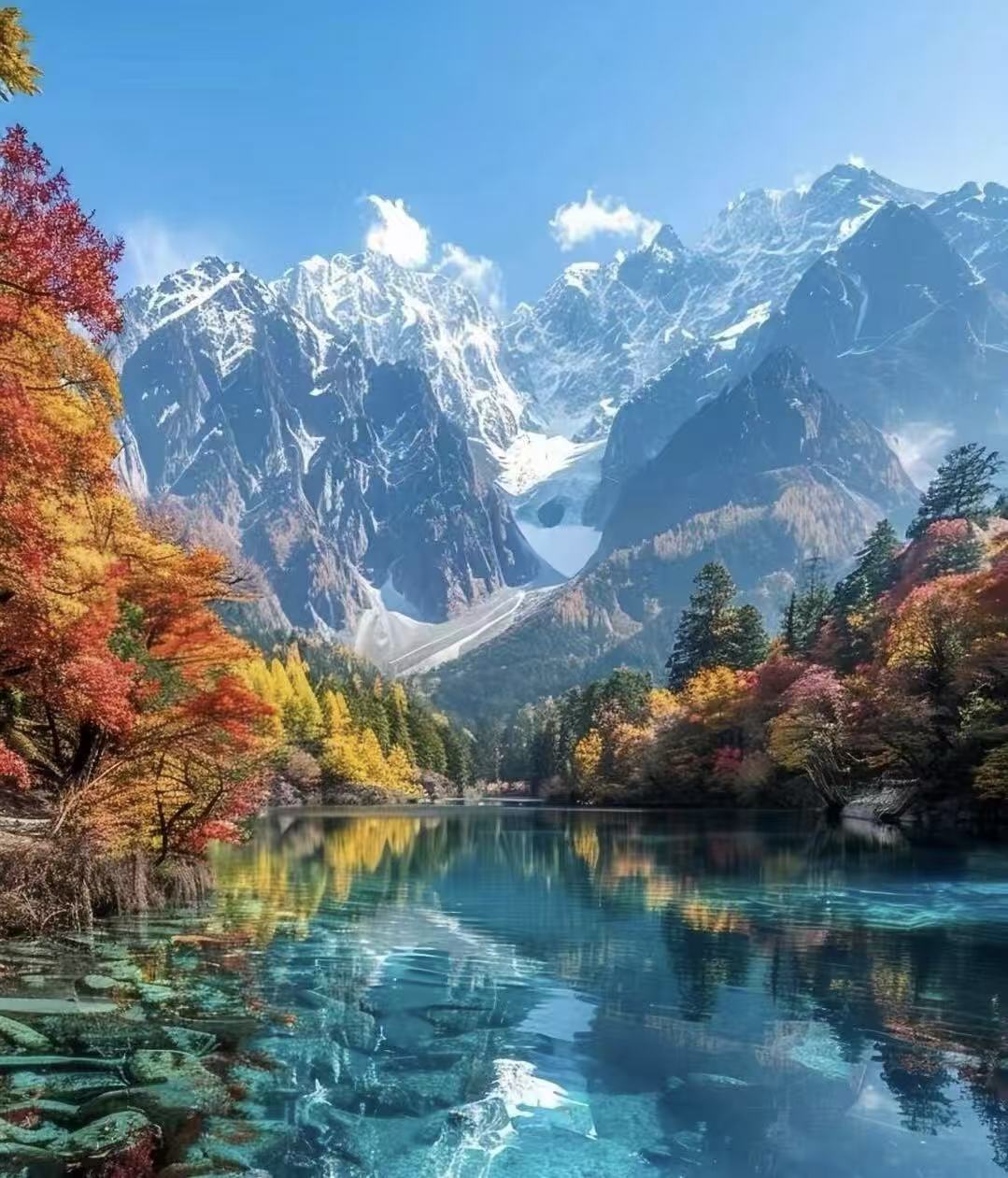
Jiuzhaigou Valley Scenic and Historic Interest Area World Natural Heritage (1992), "fairyland on earth" and "fairy tale world". Named after 9 Tibetan villages, it is known for its five wonders of "emerald sea, cascading waterfalls, colorful forests, snowy peaks, and Tibetan sentiment". 114 high mountain lakes are scattered like jewels, the calcium carbonate pool gradually changes in blue-green color, and the Pearl Beach Waterfall is 200 meters wide with a drop of 40 meters, splashing like pearls. Primitive forests cover the lake, with a variety of rare animals and plants. In autumn, colorful forests reflect the lake surface, and the water is as colorful as a palette, making it the most generous gift of nature.
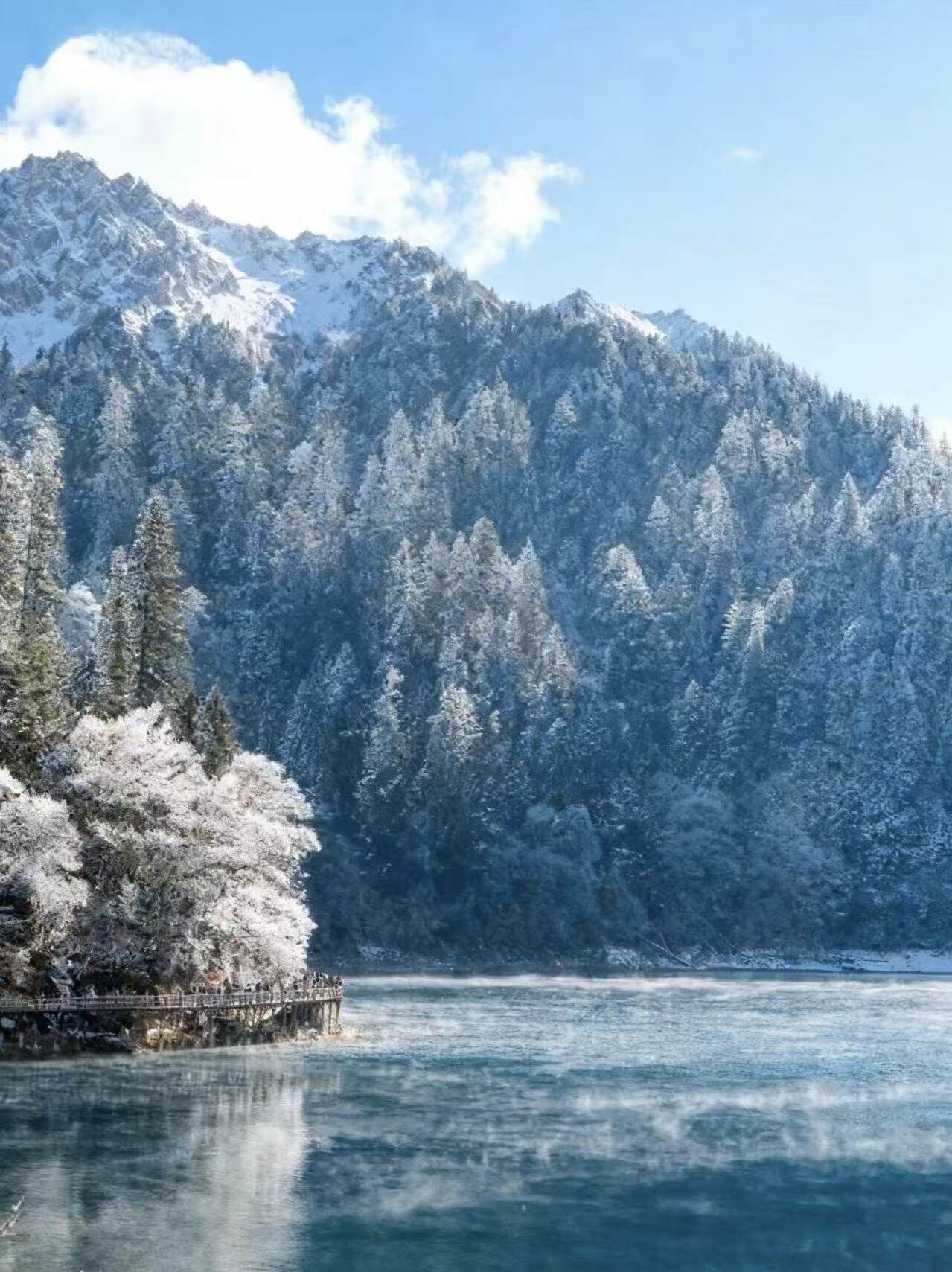
These landmarks span thousands of years of history, from the glory of ancient civilization to the wonders of modern engineering, from cultural treasures to natural wonders, collectively outlining the magnificent picture of Chinese civilization, attracting global attention, and becoming a cultural bond connecting China and the world.Editor/Bian Wenjun
Comment


 Praise
 Collect
 Comment

 Share
Share


Write something~