 Search


- The industry proposes a new process route of "carbon reduction island" and integrates CCUS carbon utilization technology into the system

On February 6, 2026, a profound industrial transformation is taking place in the global action to address climate change: carbon dioxide is transforming from a pure "environmental burden" to a "basic raw material" that can create economic benefits. With the breakthrough of the "utilization" link in carbon capture, utilization, and storage technology, the innovative process route of "carbon reduction island" that systematically integrates environmental protection, energy conservation, and resource utilization has been officially proposed, opening up a new path for deep decarbonization and green transformation in the industrial sector.

The business practice of turning waste into treasure
Carbon utilization technology has formed three major commercialization paths: in the field of synthetic fuels, the combination of CO ₂ and green hydrogen can produce "plug and play" green liquid fuels such as methanol and aviation kerosene, providing deep decarbonization solutions for difficult to electrify fields such as aviation and shipping; In the field of chemical manufacturing, CO ₂ can be used as a carbon source to produce various products ranging from bulk urea to high-performance plastics. It not only reduces the consumption of fossil raw materials, but also solidifies carbon in the long term; In the field of building materials, CO ₂ is permanently stored in concrete and aggregates through mineralization technology, achieving negative carbon potential while meeting the huge demand for building materials rigidity. 2025 to 2026 is widely regarded as a key turning point for these emerging paths from demonstration to large-scale commercial applications.
System solution for 'carbon reduction island'
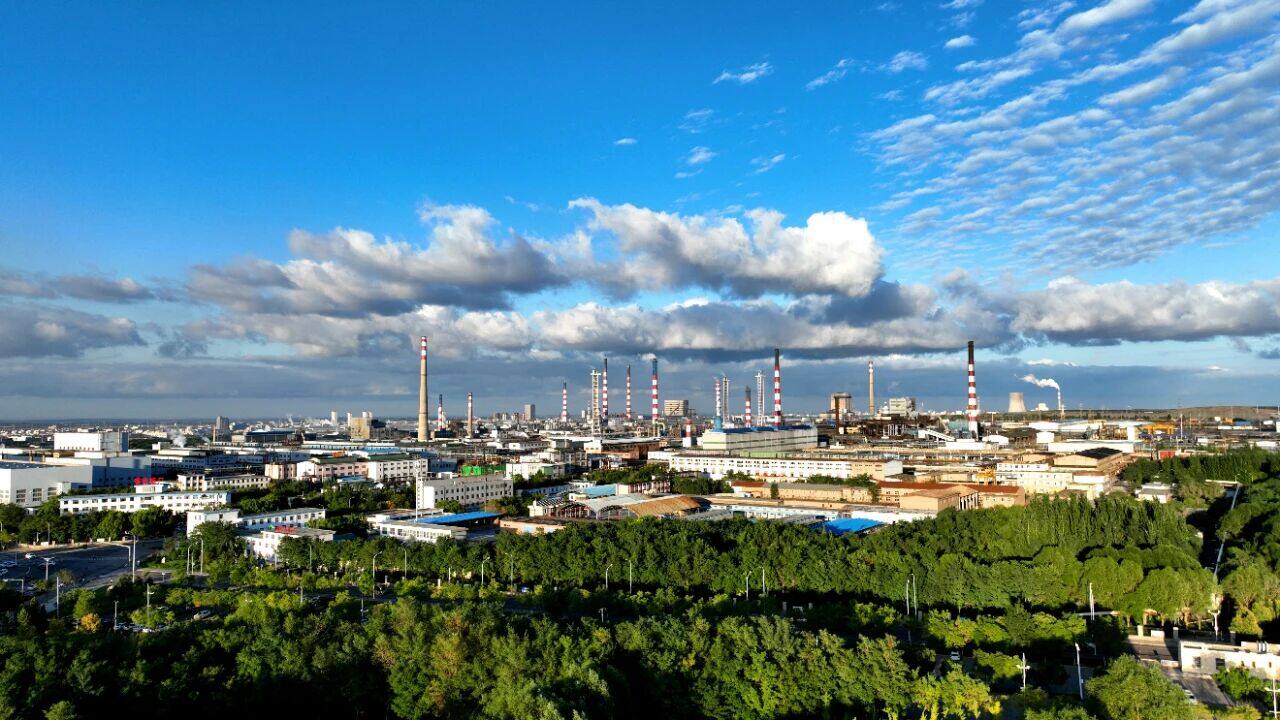
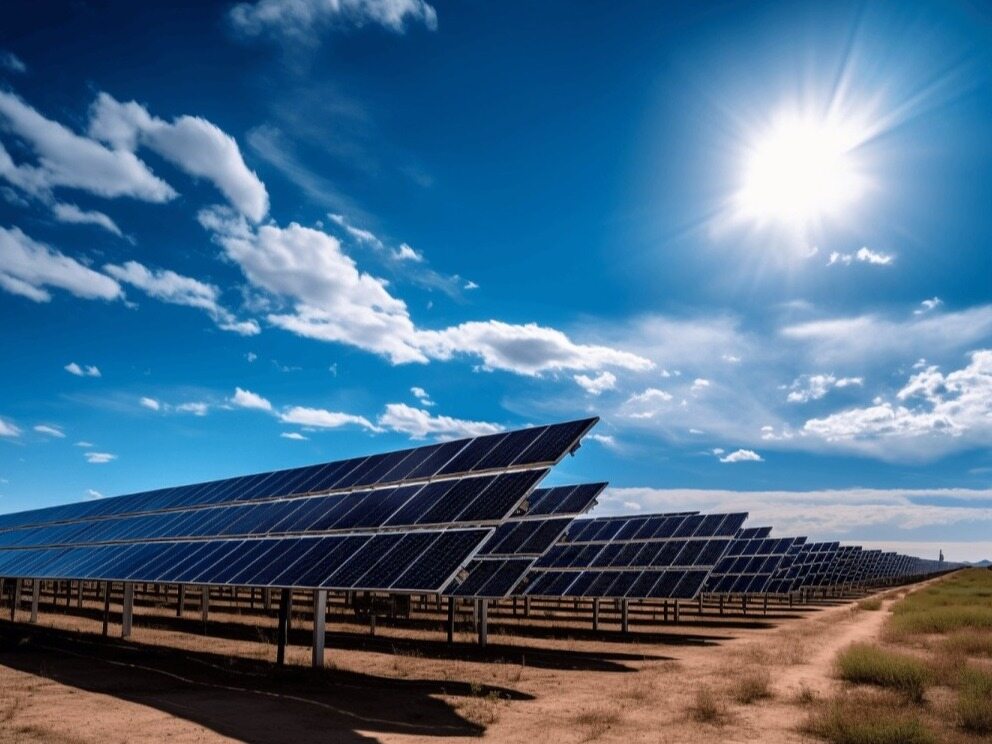
In the face of complex systemic challenges, an innovative integrated process route called "Carbon Reduction Island" has been proposed. This solution is not a geographical concept, but a comprehensive and modular system that integrates four core modules: carbon source enrichment and capture module, providing stable and pure CO ₂ flow for point source emissions in industrial parks; Energy synergy and green power supply module, ensuring low-cost zero carbon energy through distributed renewable energy and external green power; Multi pathway carbon conversion and utilization hub, flexibly configuring different technological routes such as synthetic fuels, chemicals, building materials, and biotransformation; The digital carbon management platform utilizes the Internet of Things, artificial intelligence, and blockchain technology to achieve precise monitoring and efficient management of carbon assets throughout the entire process. Keywords: Macro Latest News, Macro News Latest News
From cost center to growth engine
The core value of the "carbon reduction island" model lies in breaking down traditional barriers, achieving optimal coupling of materials and energy, and significantly reducing overall operating costs. By recycling industrial waste heat, by-product hydrogen, waste soil and other resources within the system, the efficiency of resource utilization is greatly improved, and a closed-loop economic paradigm of "resources products renewable resources" is first constructed in local areas. This model not only transforms environmental protection governance from a simple "cost center" to a "value creation center" that can create multiple benefits such as green products and carbon credit, but also transforms carbon emissions into carbon assets that can be accurately accounted and traded through an intelligent management platform, providing a landing systematic solution for enterprises to cope with carbon neutral challenges and win future competition.Editor/Gao Xue
Comment




 Praise
 Collect
 Comment

 Share
Share


Write something~