 Search


- After the Jiafula gas field is put into operation, it is expected to contribute $20 billion annually to Saudi Arabia's GDP
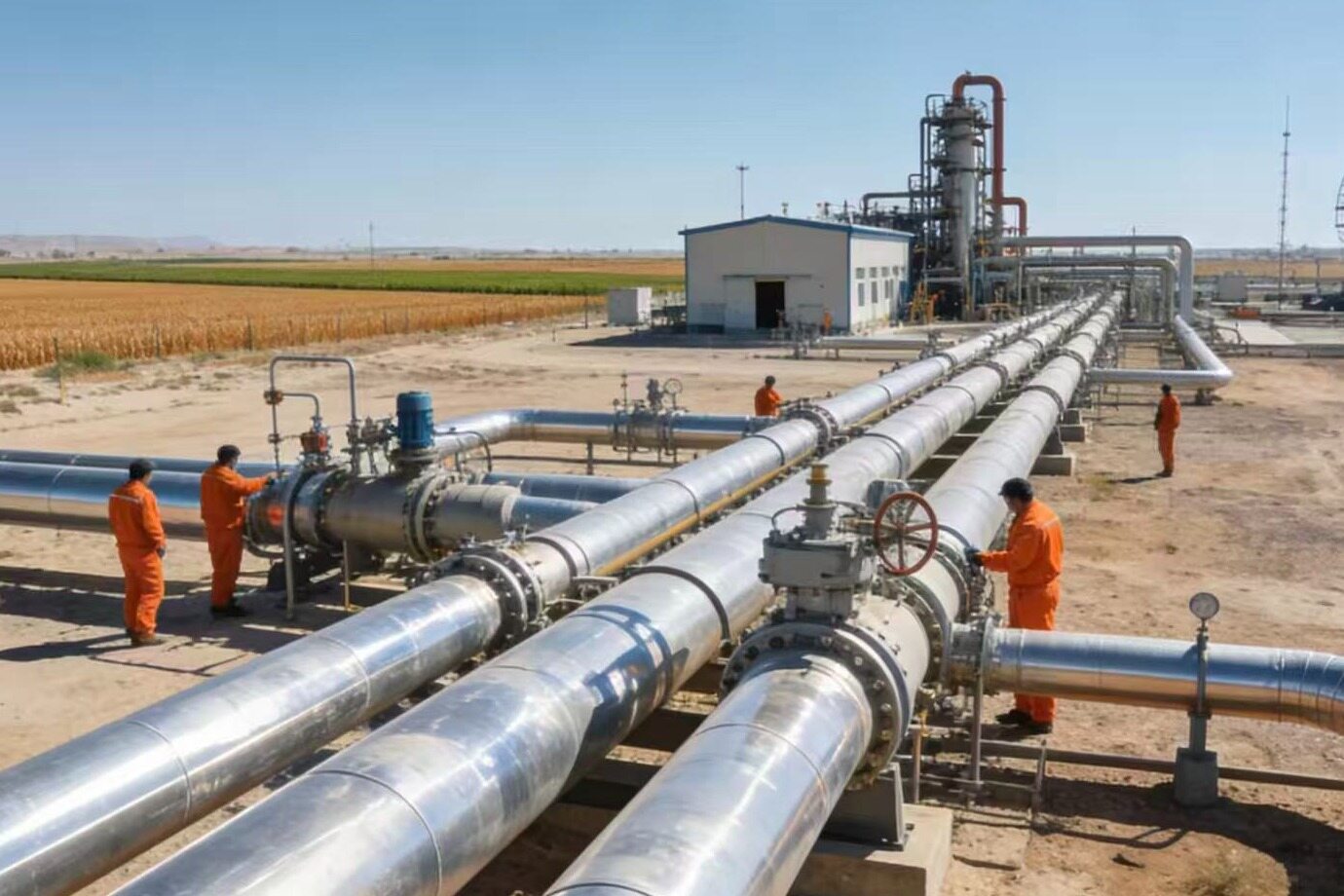
In February 2026, Saudi Aramco officially announced that the Jafurah unconventional natural gas project, with a total investment of up to 100 billion US dollars, has successfully launched the production of light oil (condensate), marking the commercial operation phase of the largest liquid rich shale gas field in the Middle East.
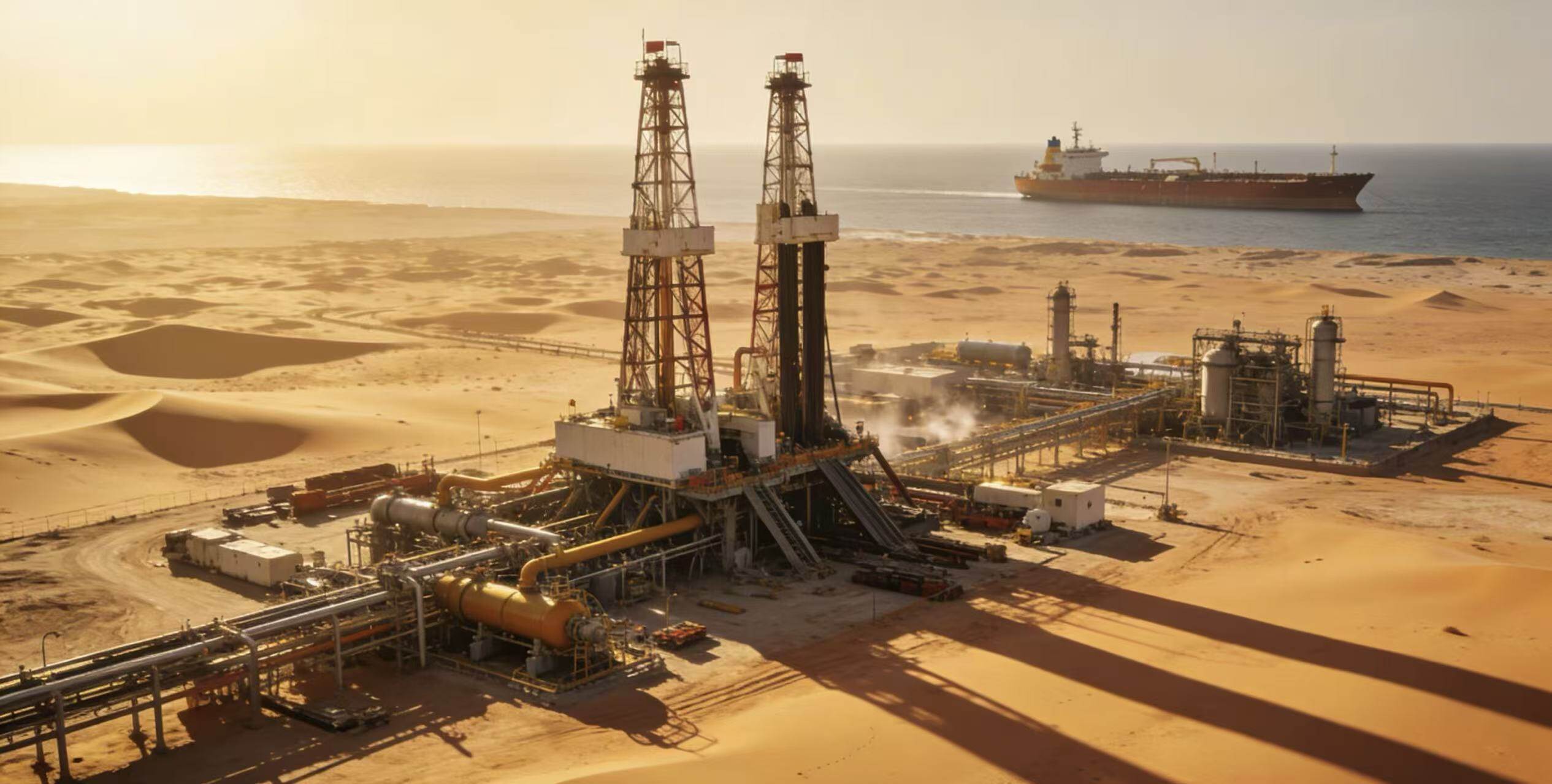
As a core project of Saudi Arabia's energy strategy, the construction of the first phase of the Jaffa gas field has been fully completed, and the supporting 450 million cubic feet per day natural gas processing plant has been put into operation simultaneously. The project has achieved the export of liquid hydrocarbons for the first time. It is reported that the first batch of condensate oil resources has been finalized for Asian buyers and is scheduled to be delivered by the end of February to early March 2026. Saudi Aramco's preliminary plan is to export 4 to 6 ships of condensate oil per month in the initial stage of the project, with a single ship loading capacity of about 500000 barrels. With its high-value light crude oil properties, it will become a new growth point for Saudi Arabia's energy exports.
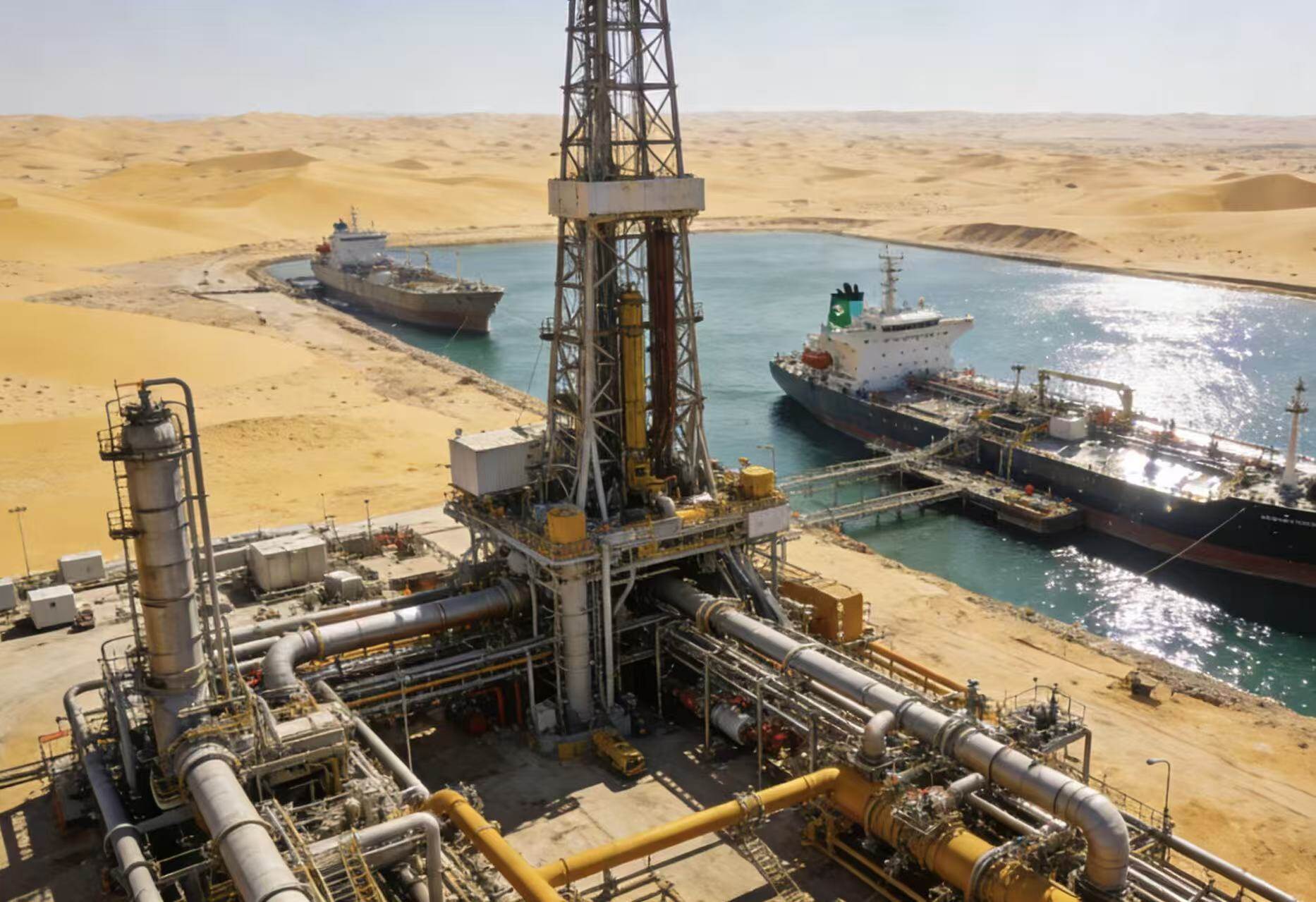
The Jiafula gas field has world-class reserves, containing 229 trillion cubic feet of raw natural gas and 75 billion standard barrels of condensate oil. It is the most valuable unconventional natural gas project in the Middle East for development. According to the plan, by 2030, the daily natural gas production of this gas field will climb to 2 billion cubic feet, fully supporting Saudi Aramco's strategic goal of increasing its total natural gas production capacity by 60%.
In terms of development mode, the Jiafula project introduces international top-level capital cooperation. In August 2025, a consortium led by Global Infrastructure Partners (GIP), a subsidiary of BlackRock, reached a 20-year lease and leaseback agreement with Saudi Arabia, with a total transaction amount of $11 billion. The two parties jointly established the Jaffa Midstream Natural Gas Company (JMGC), with Saudi Aramco holding 51% of the shares and GIP leading the consortium (including Hasana Investment Company and Arab Energy Fund) holding 49% of the shares, providing sufficient funds and international operational support for the long-term stable operation of the project.
This project adopts globally leading hydraulic fracturing and horizontal drilling technology, which is not only a technological breakthrough in Saudi Arabia's energy industry, but also carries the important mission of national strategic transformation. On the one hand, the project significantly enhances the local natural gas supply capacity, meets the rapidly growing energy demand in China, replaces crude oil for power generation, and releases more crude oil for export and foreign exchange earnings; On the other hand, replacing high carbon energy with clean energy natural gas provides solid support for Saudi Arabia's net zero emissions target by 2060.
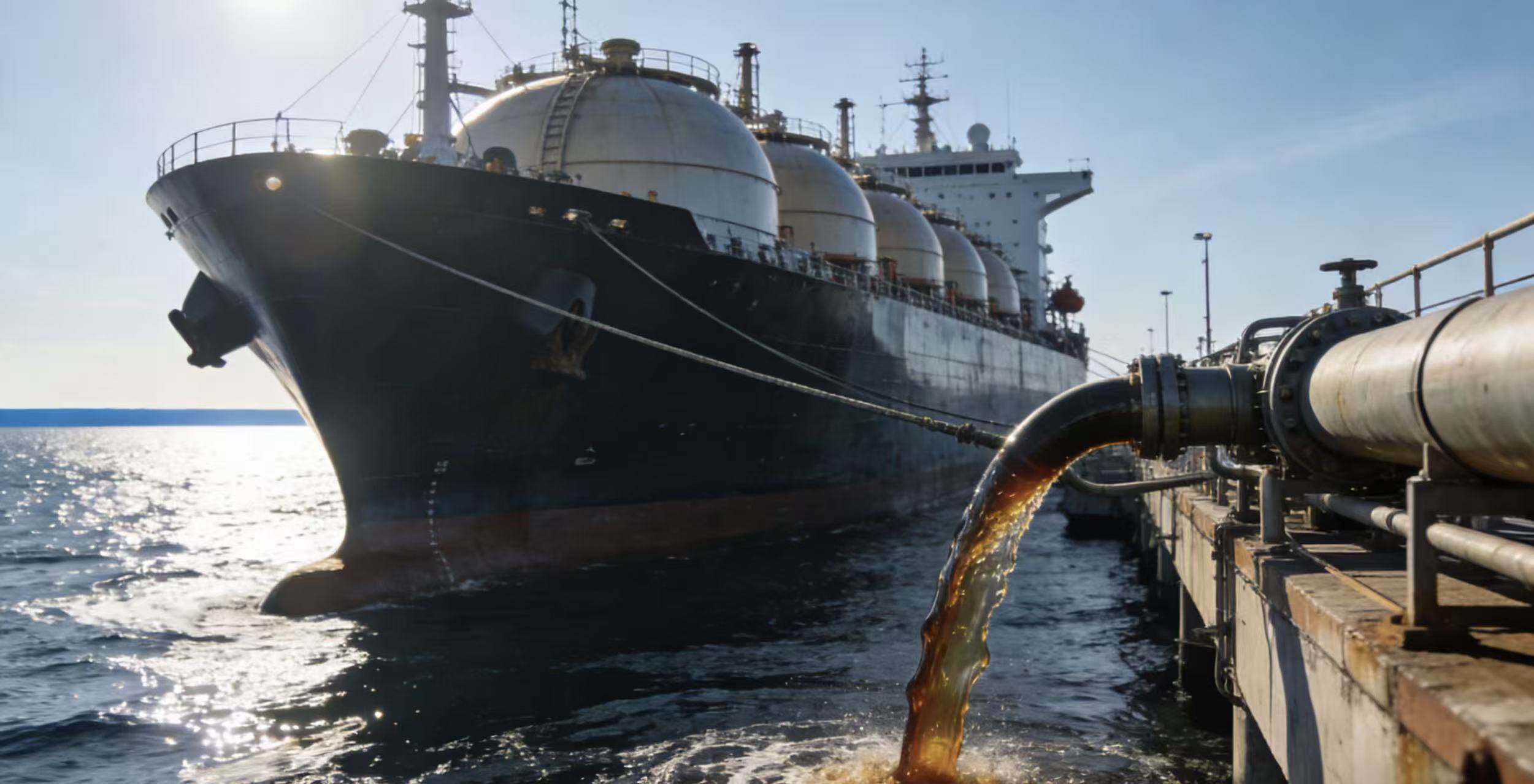
As a key pillar of Saudi Arabia's "2030 Vision", the commissioning of the Jaffa gas field is expected to contribute $20 billion annually to Saudi Arabia's GDP, while creating a massive number of local job opportunities, promoting the country's economic transformation from oil dependence to diversification and low-carbon, and reshaping the energy market landscape in the Middle East and even globally.Editor/Bian Wenjun
Comment

 Praise
 Collect
 Comment

 Share
Share


Write something~