 Search


- The Rise Tower is part of Saudi Arabia's Project Rise Lumenis program and is fully funded by the Saudi Public Investment Fund
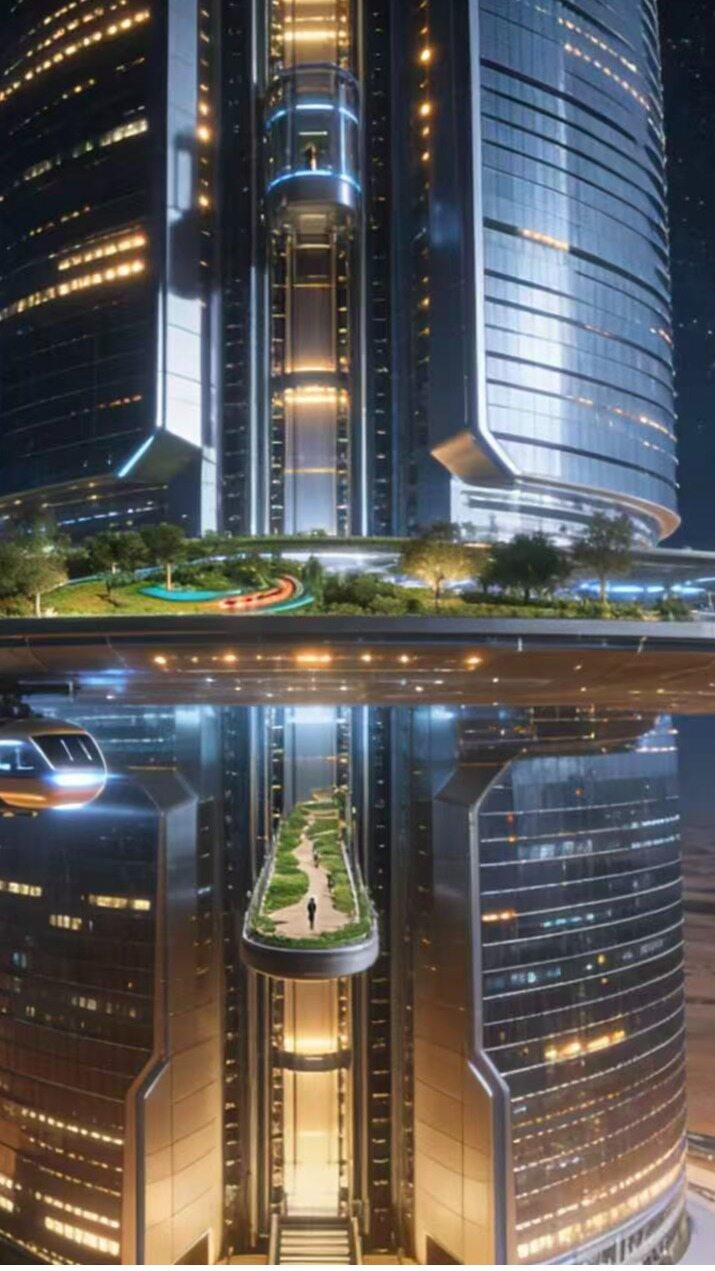
In the desert hinterland of northern Riyadh, Saudi Arabia, a super landmark that rewrites human architectural history is moving from blueprint to reality. As the core landmark of the future city in the Arctic New Area, Rise Tower, with a planned height of 2000 meters and a total investment of 5 billion US dollars, has secured its position as the world's tallest building in the future, becoming a landmark project for Saudi Arabia's 2030 vision to promote economic diversification and move towards an innovative country.
The Rise Tower is part of the Saudi Arabia Project Rise Lumenis, fully funded by the Saudi Public Investment Fund (PIF) and led by HKS Architectural Design Firm. Its goal is to be completed and put into use by 2030. It is not just a skyscraper, but also a vertically integrated future city that integrates residential, office, hotel, commercial, entertainment, and aerial ecological parks, condensing the city's diverse functions and vitality into a two kilometer vertical space.
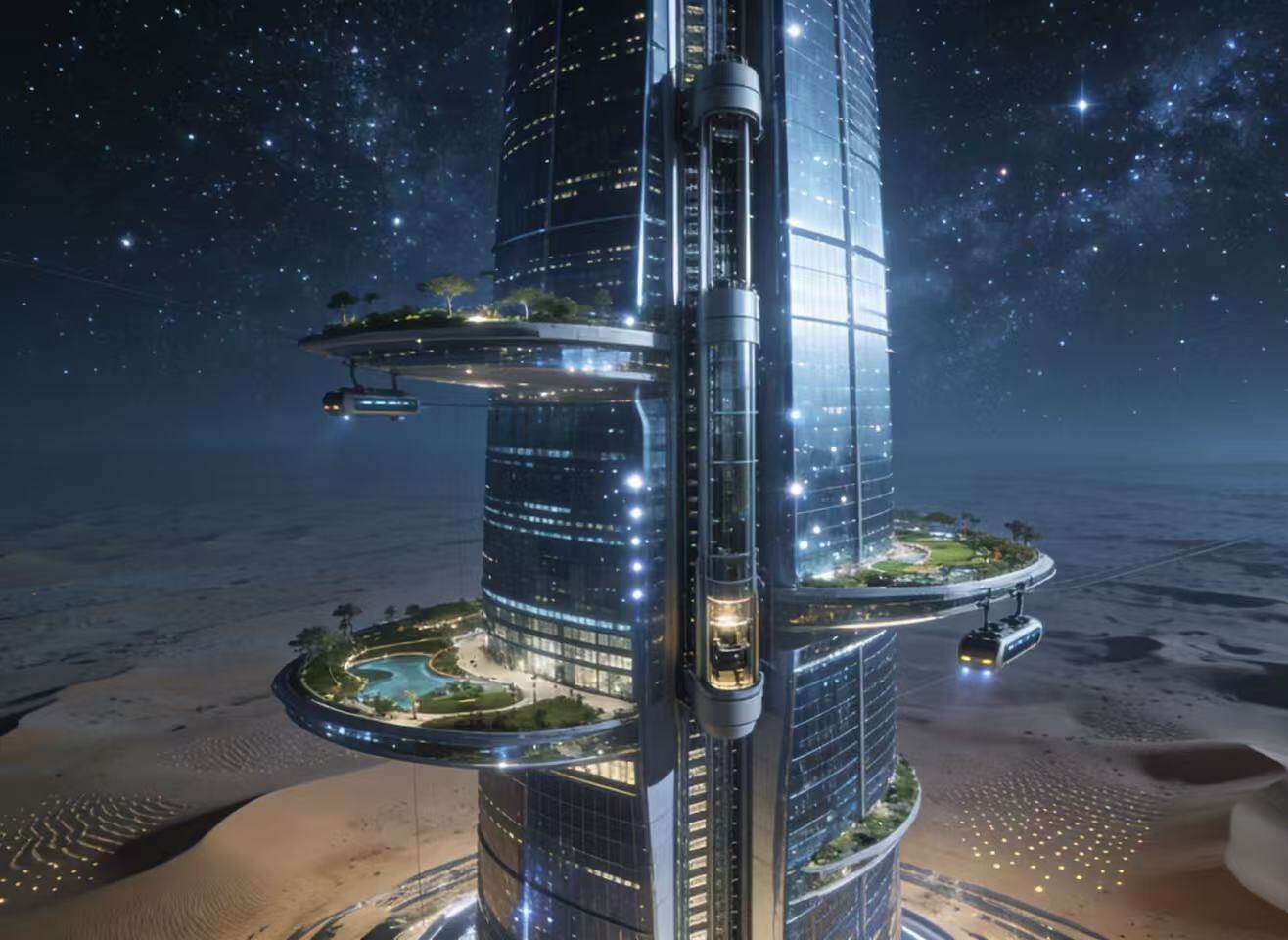
Breaking through a height of 2000 meters means facing extreme challenges in engineering technology. Traditional cable elevators are difficult to apply due to their own weight and length limitations. The project is developing a magnetic levitation vertical transportation system to achieve vertical and horizontal bi-directional shuttle, and exploring multi-layer car technology to significantly improve peak capacity and traffic efficiency. To resist high-altitude strong winds and structural vibrations, the building adopts a streamlined aerodynamic shape, combined with high-end damping and vibration reduction systems, to guide airflow, suppress shaking, and ensure the safety of high-altitude living and use.
Faced with the extreme temperature difference between day and night in the desert and the environment of sandstorms, the Rising Tower adopts a special enclosure system that is resistant to high temperatures, weathering, and high insulation, balancing structural durability, energy-saving comfort, and environmental protection, allowing the super building to operate stably in harsh climates. It reconstructs spatial logic with vertical cities, with micro communities on each floor. An aerial park and observation platform are set up at a height of kilometers, creating an immersive scene of dialogue between humans and nature in the clouds. Under the night sky, it shines with the starry sky, becoming the most dazzling future lighthouse in the desert.
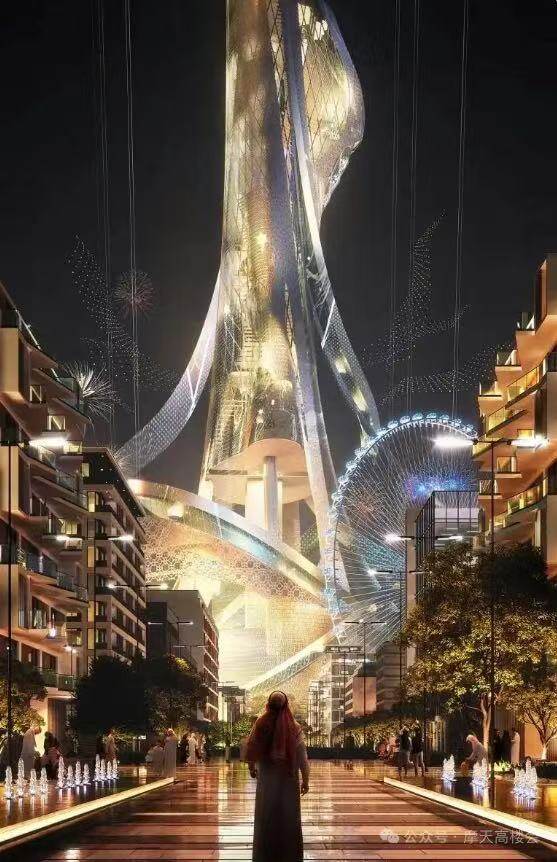
From the 828 meter Burj Khalifa to the 2000 meter Rising Tower, humanity's exploration of height has reached another milestone. This is not only a new benchmark for the global super high-rise competition, but also a strategic declaration for Saudi Arabia to break away from oil dependence, lay out future industries, and enhance international influence. Every technological breakthrough and every floor space design is defining new possibilities for super high-rise construction and future cities.
When the morning light of 2030 illuminates the 2000 meter spire, Rise Tower will become the spiritual totem of the Arctic New Area and Saudi Arabia with the posture of the world's tallest building. It is rooted in the desert, facing the world, carrying the ambition and imagination of the Middle East for the future, engraving new coordinates in the history of architecture, and writing a vertical legend belonging to this era.Editor/Bian Wenjun
Comment

 Praise
 Collect
 Comment

 Share
Share


Write something~