 Search


- China's garbage incineration power generation capacity ranks first in the world, with overcapacity in many regions

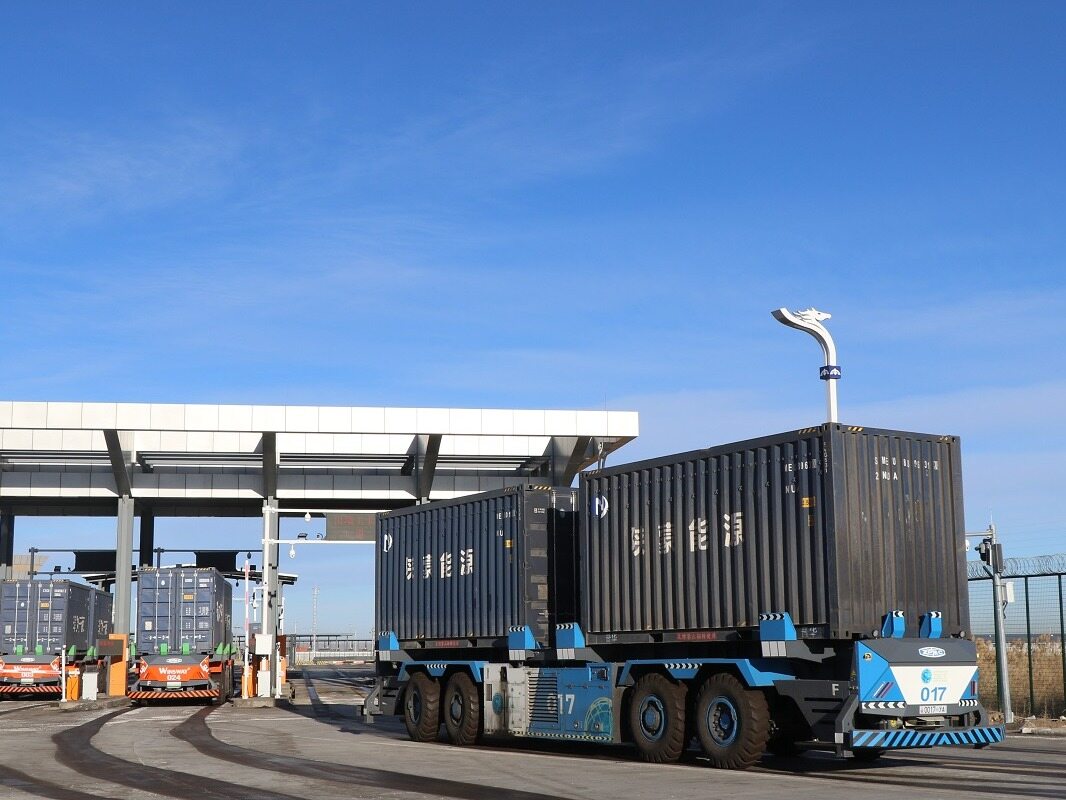
Two transport vehicles loaded with household waste are parked in the rest area of Baoding service area on the Beijing Hong Kong Macau Expressway. Half an hour later, dispatchers from two garbage incineration power plants in Shijiazhuang and Beijing arrived almost simultaneously, competing to negotiate transportation cooperation with the drivers. Now garbage is precious, it's taken away by someone else if you're a little late, "a procurement officer from Beijing Anding Circular Economy Park told reporters, wiping the sweat on his forehead. This scene is unfolding on highways in many parts of the country.
The sweet trouble of overcapacity
The latest data shows that the capacity utilization rate of waste incineration power plants in many cities across the country is only maintained at around 60%. As a country with a population of 1.4 billion, China generates a massive amount of household waste every day. Once upon a time, the "garbage siege" left governments in various regions struggling. The garbage dumps around Beijing are filled with strong winds and strange smells, and people are worried about where to bury their garbage.
The situation has completely reversed now. In order to gather enough "fuel", many incineration plants are willing to cross urban areas to grab garbage, and it is even common to intercept garbage trucks on highways. This is not garbage grabbing, it's clearly grabbing renewable energy raw materials! Academician Du Xiangwan of the Chinese Academy of Engineering once pointed out that garbage is an energy resource that is misplaced. Nowadays, this concept is being turned into reality by China's powerful industrial system.

20 years of transforming garbage mountains into energy mines
In the Shenzhen Luohu District, where every inch of land is precious, there is a Yulong landfill that has been dormant for more than 20 years. Here, more than 4 million tons of garbage are piled up, forming a garbage mountain of over 100 meters, which was once a scar that the city could not heal.
At the beginning of 2026, Shenzhen launched an unprecedented "mountain relocation project". Unlike before, this time it's not just about relocating and landfilling, but about digging out all the old garbage for fine screening and resource utilization: the combustible lightweight materials are directly transported to Longgang Energy Ecological Park and sent to a high-temperature incinerator of over 1000 degrees to generate electricity, which is converted into clean and renewable energy; The screened soil and rock are processed into environmentally friendly building materials for urban infrastructure construction; After the garbage mountain is cleared, the vacated land will be used to build a park, realizing the secondary utilization of land resources. This once 'urban scar' is now turning into an 'energy mine'.
A circular economy model that consumes 5100 tons per day
If Shenzhen is a representative of refined utilization, then Beijing Daxing Anding Circular Economy Park is a model of industrialization and scale of waste to energy generation in China. This mega park, which will be fully operational by the end of 2025, can be regarded as an efficient "urban energy converter".
Here, 5100 tons of household waste can be 'eaten' in a day, equivalent to the weight of thousands of cars. After incineration at over 1000 degrees Celsius, garbage can generate over 600 million kilowatt hours of electricity annually, meeting the daily electricity needs of hundreds of thousands of households. What's even more amazing is the pollution control technology: the emission standards for dioxins, exhaust gases, etc. are better than the EU standards, and the park is built like a garden, so you can't even smell a trace of odor when drinking coffee next to it.
Garbage is' squeezed out 'here, not even the burnt slag is spared. Through the special process of dry selection and humidification, precious metals such as gold, silver, copper, iron, and aluminum can be separated from slag, truly achieving the "refining" of real gold and silver from trash cans. According to Beijing's plan, zero landfill of primary waste will be achieved by the end of 2026, and all household waste will be utilized as resources and energy.

Industrial wisdom that does not follow the old path of Japan
Faced with China's garbage disposal model, some people question: why not learn from Japan to do extreme classification? Japan's garbage classification is indeed meticulous, even beverage bottles need to be washed, torn off labels and thrown separately, but behind it are extremely high labor and time costs, and the input-output ratio is not proportional.
China has taken a more "industrial aesthetic" path: the front-end only does basic dry and wet classification, and does not put all the classification pressure on the people, reducing social operating costs; The backend relies on a powerful industrial system and high technology, using large-scale industrial incineration to generate electricity as a backup, efficiently converting waste into renewable energy. This model maximizes energy efficiency. Keywords: Macro Latest News, Macro News Network
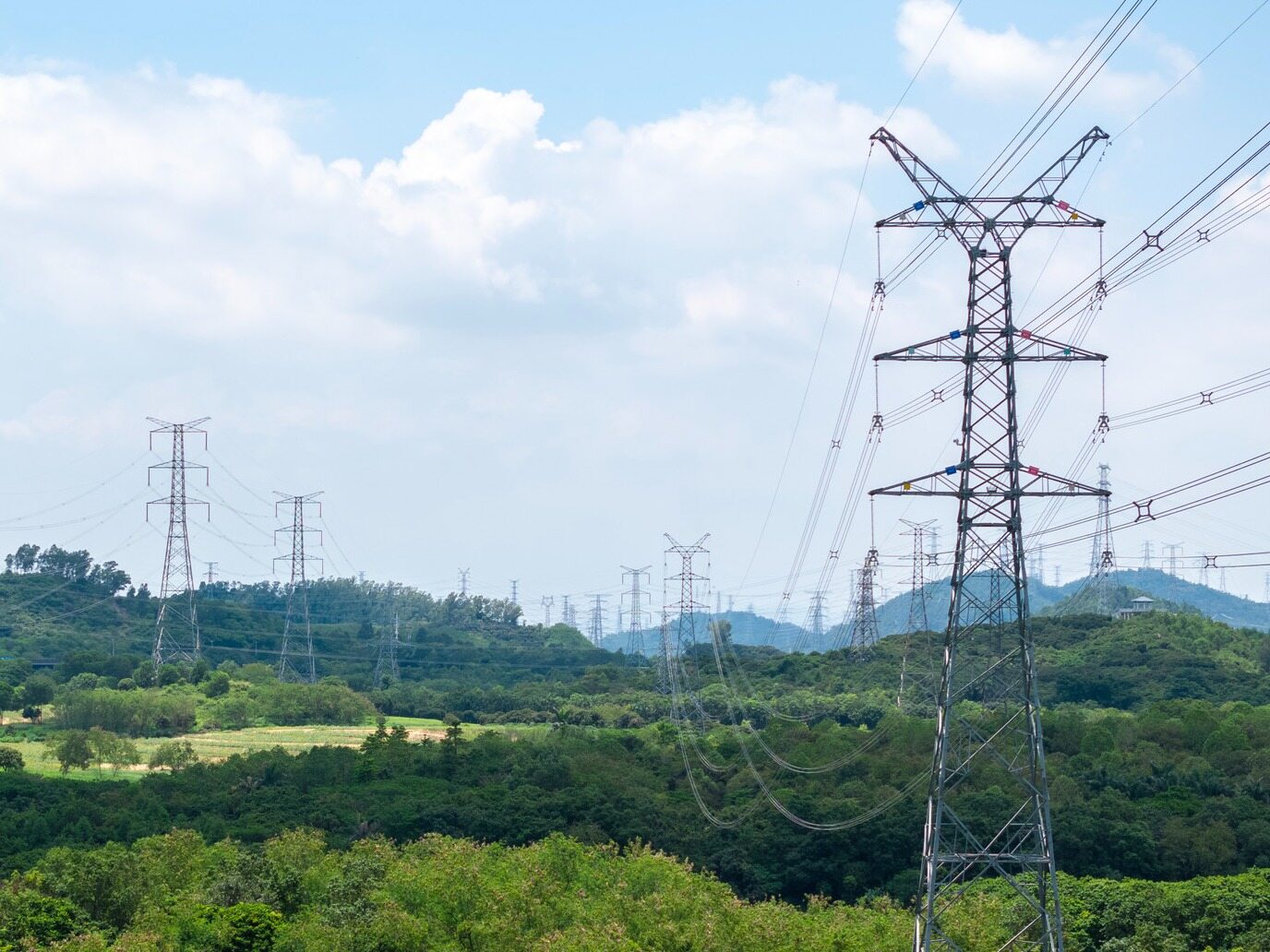
From being surrounded by garbage to chasing after garbage for resources, from simple landfilling to power generation, heating, and precious metal extraction, China's path of garbage disposal is essentially an upgraded path of renewable energy utilization. Garbage power generation, as a stable biomass renewable energy source, can effectively compensate for the intermittent shortcomings of photovoltaic and wind power. If matched with energy storage systems for peak shaving, it can further improve power supply stability and become an important puzzle in the new power system. This is not only a victory in environmental governance, but also a milestone in the utilization of renewable energy.Editor/Gao Xue
Comment


 Praise
 Collect
 Comment

 Share
Share


Write something~