 Search


- Jiafula project innovatively adopts a "controlling but not controlling" cooperation model
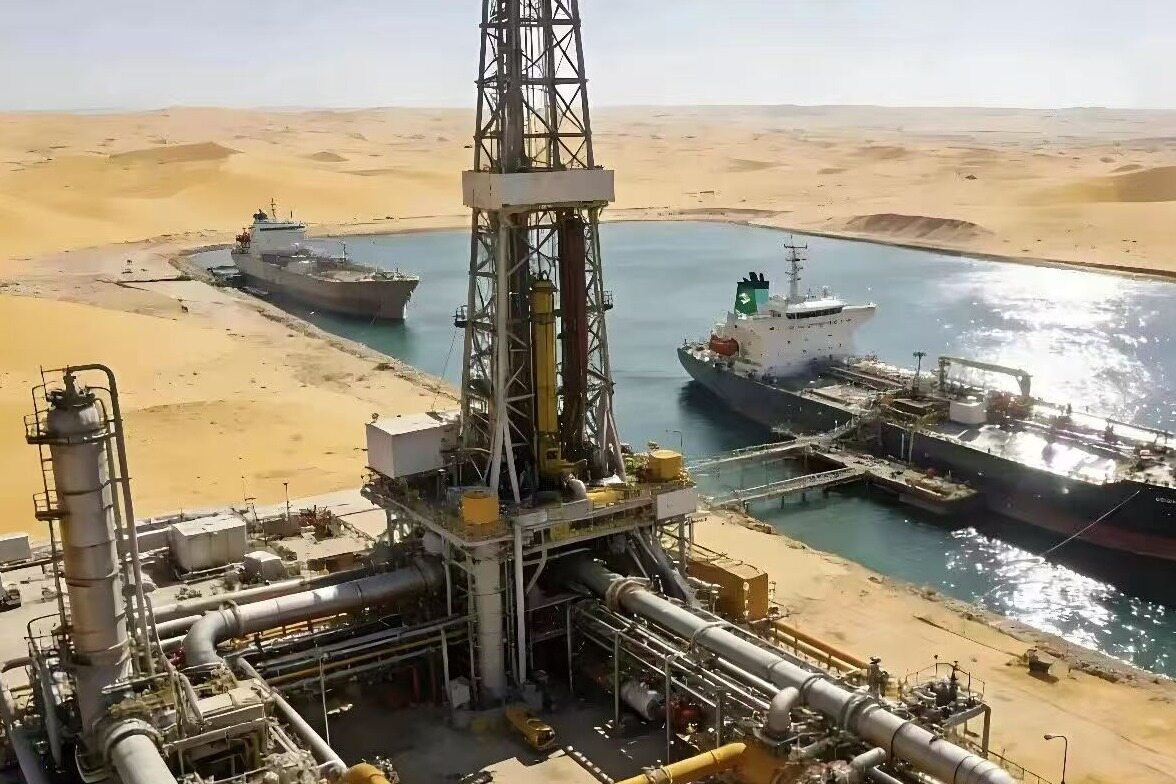
On February 27, 2026, Saudi Aramco announced that the largest unconventional natural gas project in the Middle East, with a total investment of $100 billion, would officially enter commercial operation. The first batch of condensate oil was successfully produced and exported. As the world's largest shale gas project outside the United States, the first phase of the project has been completed and put into operation, with a supporting 450 million cubic feet per day natural gas processing plant put into operation simultaneously. The first batch of light and low sulfur condensate oil is locked in Asian buyers and will be delivered from the end of February to early March. The gas field holds 229 trillion cubic feet of raw natural gas and 75 billion standard barrels of condensate oil, with a planned daily natural gas production of 2 billion cubic feet by 2030, which will support Saudi Aramco's significant increase in natural gas production capacity.
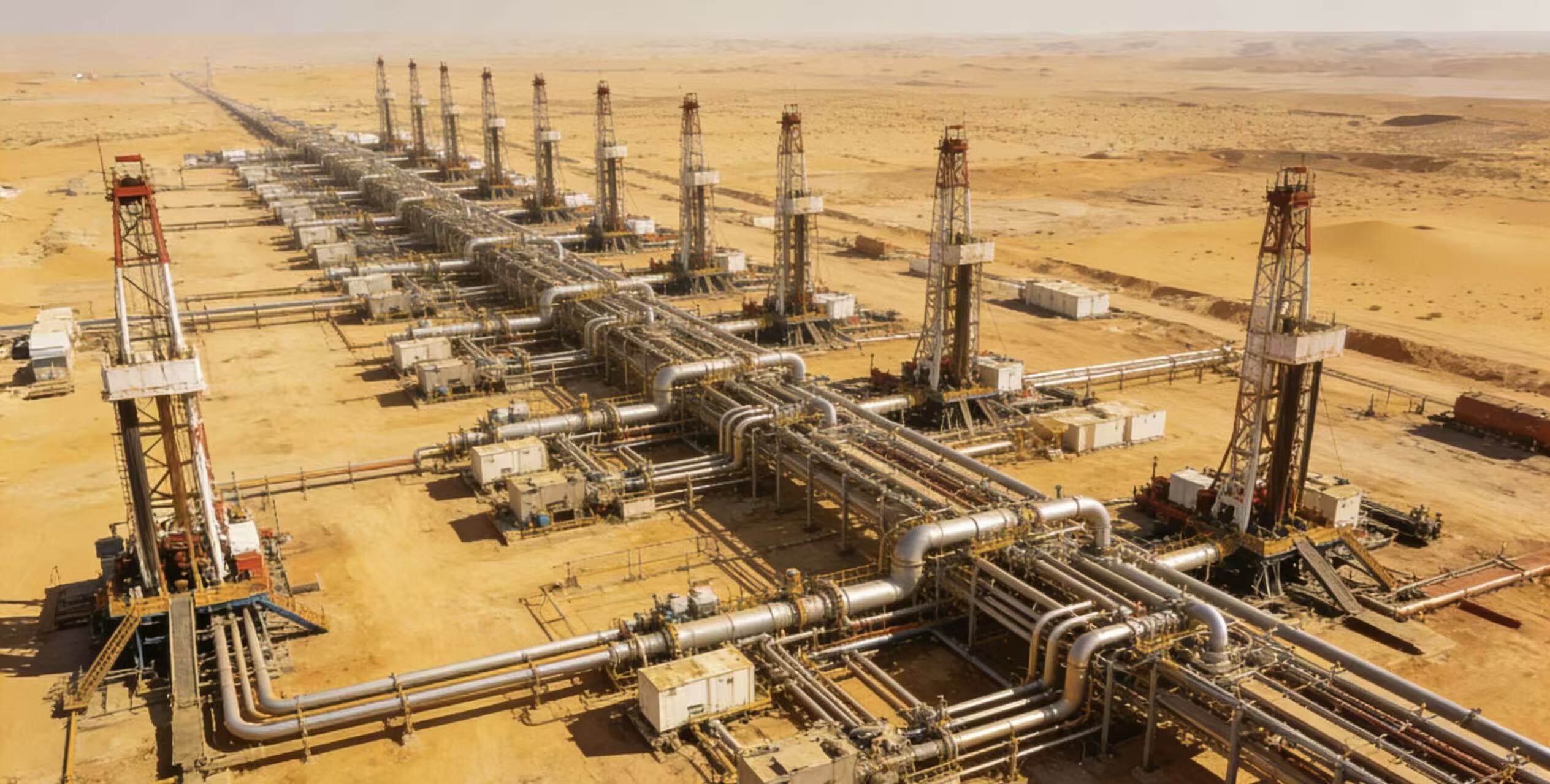
The Jiafula project innovatively adopts a "controlling but not controlling" cooperation model, opening up a new path for energy financing in the Middle East. Saudi Aramco has reached a billion dollar lease sale agreement with an international capital consortium to jointly establish an operating company. Aramco holds 51% of the shares to maintain core asset dominance, while international capital holds 49% to inject professional operational and risk control capabilities. This mode not only ensures national energy security, but also improves the efficiency of market-oriented operation of projects, providing a replicable benchmark scheme for large-scale energy project cooperation in the Middle East.
The project empowers green transformation with advanced technology and becomes a key pivot of Saudi Arabia's energy strategy. Relying on globally leading drilling and hydraulic fracturing technologies, the project significantly enhances local natural gas self-sufficiency, replaces crude oil for power generation, releases more crude oil for export earnings, and helps Saudi Arabia achieve its net zero target by 2060. As a core project of the "2030 Vision", Jaffa will contribute approximately $20 billion annually to Saudi Arabia's GDP, driving industrial chain upgrading and employment growth, and promoting Saudi Arabia's transformation from a single crude oil exporting country to a comprehensive energy powerhouse that combines oil and gas.
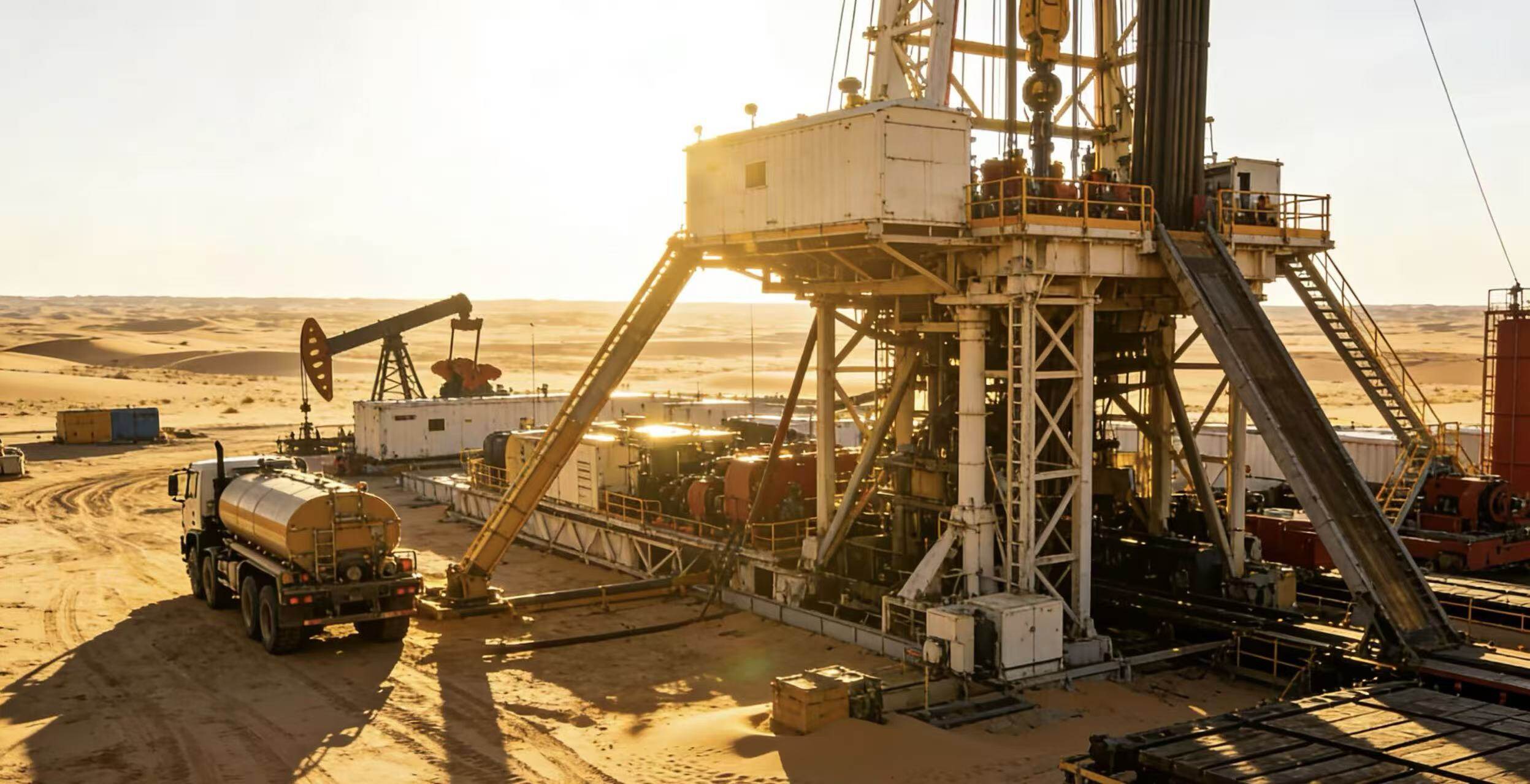
Jiafula's comprehensive production has stirred up the global energy supply pattern and restructured the flow of natural gas trade. The release of project capacity provides stable and diverse gas source options for the Asian market, intensifying competition in the global natural gas market and enhancing Saudi Arabia's voice in the international energy pricing system. The implementation of this 100 billion level project not only strengthens the Middle East's position as an energy hub, but also profoundly changes the global pattern of unconventional oil and gas development, bringing long-term structural impacts to the international energy market.Editor/Bian Wenjun
Comment


 Praise
 Collect
 Comment

 Share
Share


Write something~