 Search


- Under the waves of the Persian Gulf, a game about the lifeline of energy has just come to an end
- Even in the era of new energy, Saudi Aramco's determination to maintain its dominant position in global crude oil supply remains strong
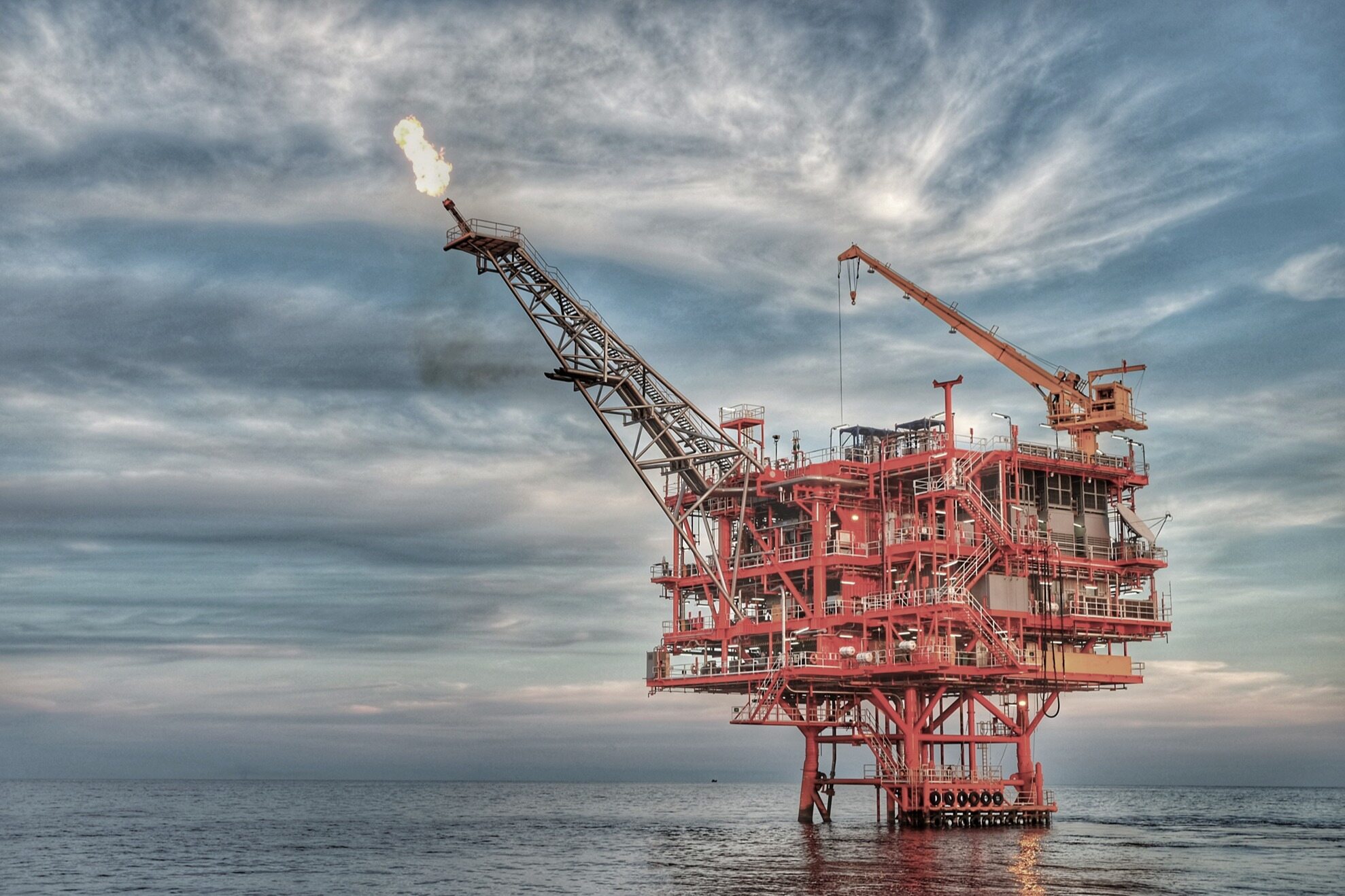
Saudi Aramco has officially handed over the key infrastructure upgrade project for the Safaniya offshore oil and gas field to Italian oil service giant Saipem through a contract. This is not an ordinary repair order, but a strategic level contract called CRPO-156- in Aramco's extensive contract issuance and procurement system, this number represents the highest priority for capacity construction.
$500 million is just an admission ticket.
For Saipem, this is more like a battle that must be won. As the world's largest offshore oil field, Safania has produced over 50 billion barrels of crude oil since 151 years of operation, and still maintains an astonishing daily output of 1.2 million barrels, making it the crown jewel of Saudi crude oil exports. But as the oil field enters its middle and old age, the underground pressure is changing, and the surface pipelines are aging.
What Ami needs is not just repairs, but a brand new blood vessel.
This is a truly hardcore project.
According to the contract disclosure, Saipem is required to complete the complete EPCI for a 48 inch main pipeline. This is not only a physically massive pipeline, but also a highway for high-pressure oil and gas.
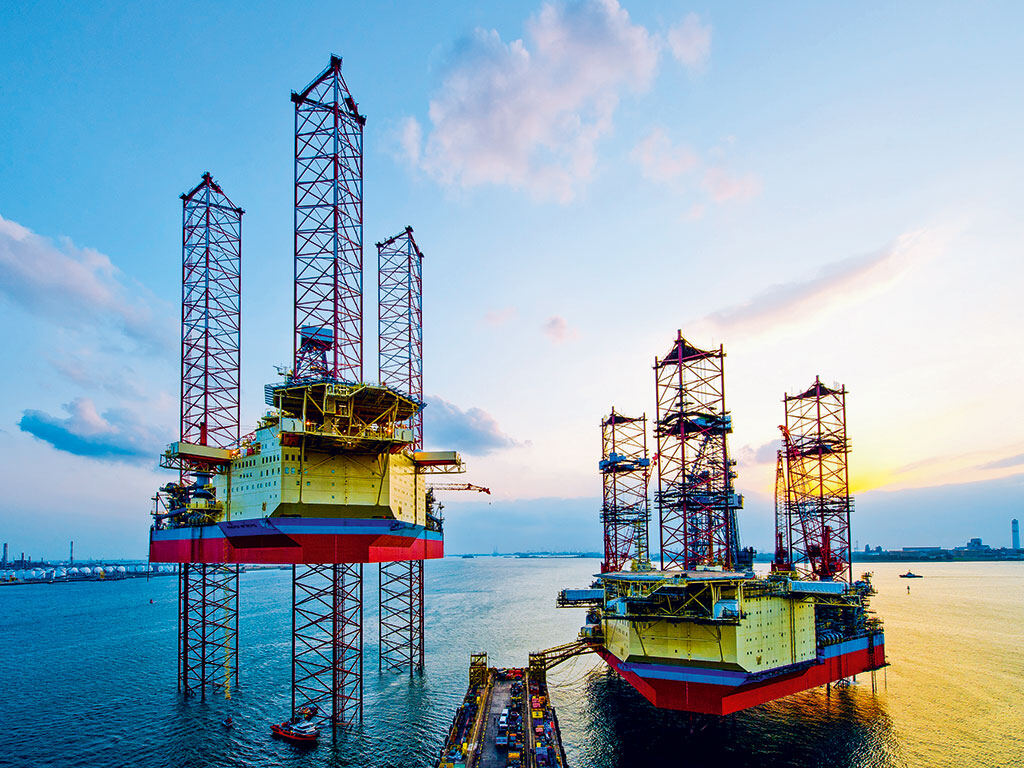
The 65 kilometer offshore section: The pipeline will lie horizontally at the bottom of the Persian Gulf and must resist the severe corrosion of high salinity seawater and the scouring of submarine currents;
The 12 kilometer land segment is like a steel python, crossing the dense industrial belt and scorching desert in the eastern province of Saudi Arabia.
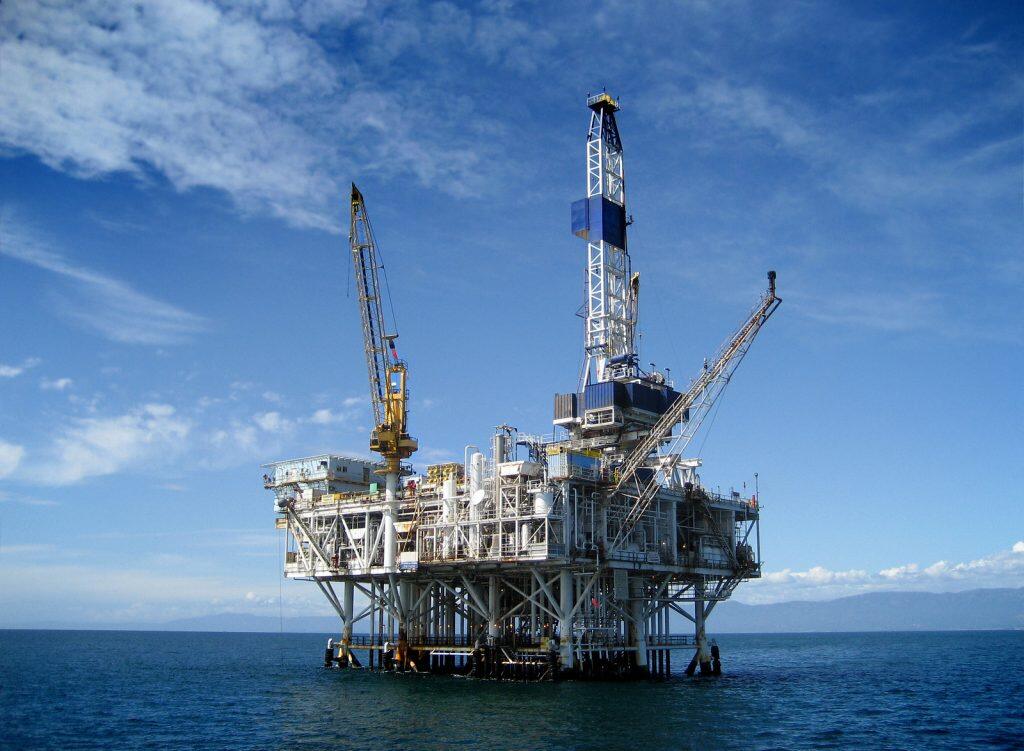
In addition, there are a series of complex subsea manifolds and riser systems that need to be installed. This is equivalent to establishing an unmanned 'underwater valve station' in the deep sea, where any millimeter level welding error could lead to catastrophic leaks.
Localization is another trump card in this project.
Saipem emphasized its hybrid tactics in its statement:
Offshore operations will be carried out on-site by heavy pipe laying ships currently stationed in the Persian Gulf - imagine a Hollywood industrial scene where giant pipe cranes accurately lift tens of tons of steel pipes on rough seas, and underwater robots ROVs perform millimeter level operations in darkness tens of meters deep.
And the manufacturing process is firmly anchored in Saudi Arabia. A large amount of steel structure prefabrication and pipeline processing will be undertaken by Saipem's manufacturing plant located in Dammam - Saipem Taqa Al Rushaid Fabricators Company, a joint venture with Taqa.
This is not only to save costs, but also a positive response to Saudi Arabia's "In Country Total Value Add" program. This strategy is expected to create thousands of job opportunities locally and drive demand for steel, coatings, and electrical equipment in Saudi Arabia's local supply chain.
The strategic ambition behind $500 million.
For Saipem, winning this order not only means revenue growth, but also a crucial step in building a strong foothold in the Middle East market. You should know that in this bidding, it defeated a group of Asia Pacific powerhouses including South Korea's Samsung Heavy Industries and Hyundai Heavy Industries.
For Saudi Aramco, this is a clear signal: even amidst the clamor of global energy transition, this energy giant is determined to spare no expense to maintain its absolute dominance in the global crude oil supply.
The project is expected to achieve mechanical completion by mid-2025. At that time, this newly added oil pipeline will act like a heart stent, unblocking the meridians of the Safania oil field, ensuring that this sea giant will continue to hold its position as the world's largest offshore oil field for the next 20 years. Keywords: Middle East news, Saudi Arabia, offshore oil and gas fields
The romance of industry is often hidden in these cold steel pipes and hot oil.Editor/Cheng Liting
Comment

 Praise
 Collect
 Comment

 Share
Share


Write something~