 Search


- The three major hubs of Riyadh, Jeddah, and Dammam are emerging, and drones are opening up new routes over the desert
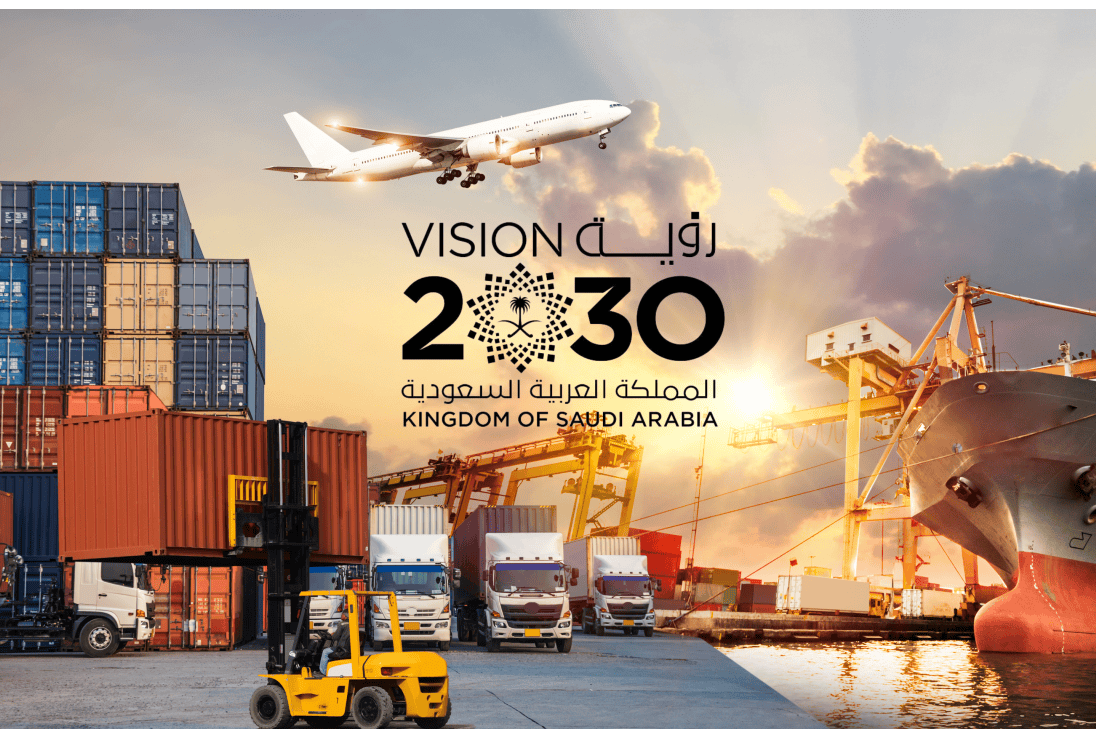
Saudi Arabia, a country that once stood tall solely on black gold, is undergoing a profound transformation - it is pushing open the door to logistics hubs at full speed, attempting to build a super transit station connecting the world in the heart of Asia, Europe, and Africa.
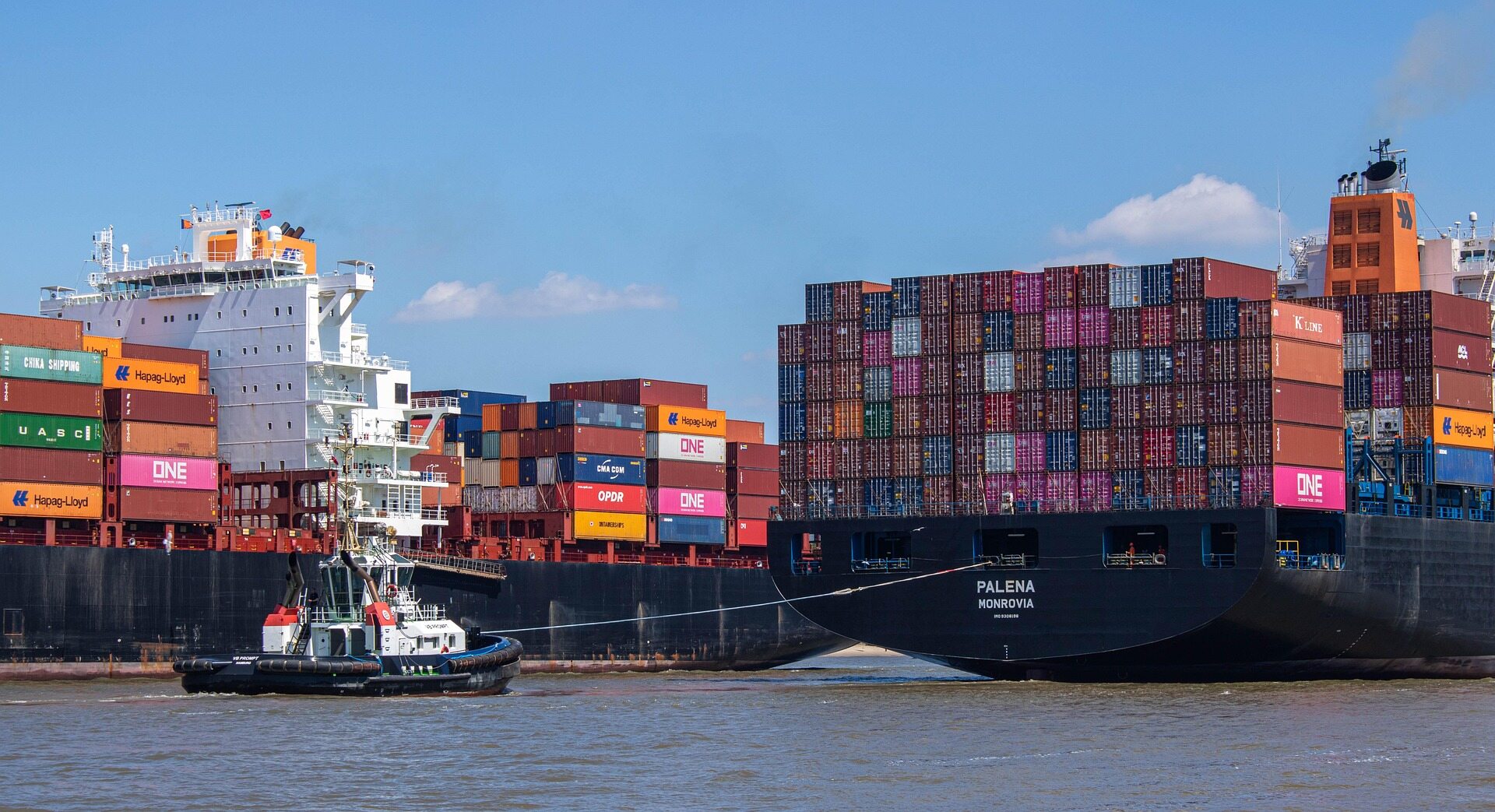
Three major supports support the three-dimensional network of land, sea, and air
According to the latest plan, 2026 will become a watershed in Saudi Arabia's logistics history. A number of modern logistics centers are about to be built at King Khalid International Airport and major ports, not only for physical space expansion, but also as strategic anchors for economic diversification in the 2030 vision.
Saudi Transport Minister Saleh Al Jazir officially announced at the opening ceremony of the UPS freight village in Riyadh that the construction of a national logistics center will be fully launched next year. Riyadh, Jeddah, and Dammam - these three core hubs will no longer be simple cargo yards, but super nodes that integrate intelligent warehousing, cross-border customs clearance, cold chain logistics, and e-commerce fulfillment.
This will form a seamless multimodal transport system that connects air, land, and sea, with attractive tax incentives and one-stop approval green channels. Global logistics giants such as DHL, FedEx, Maersk, etc. have been attracted by this magnetic field and are queuing up to plan the establishment of regional distribution centers here.
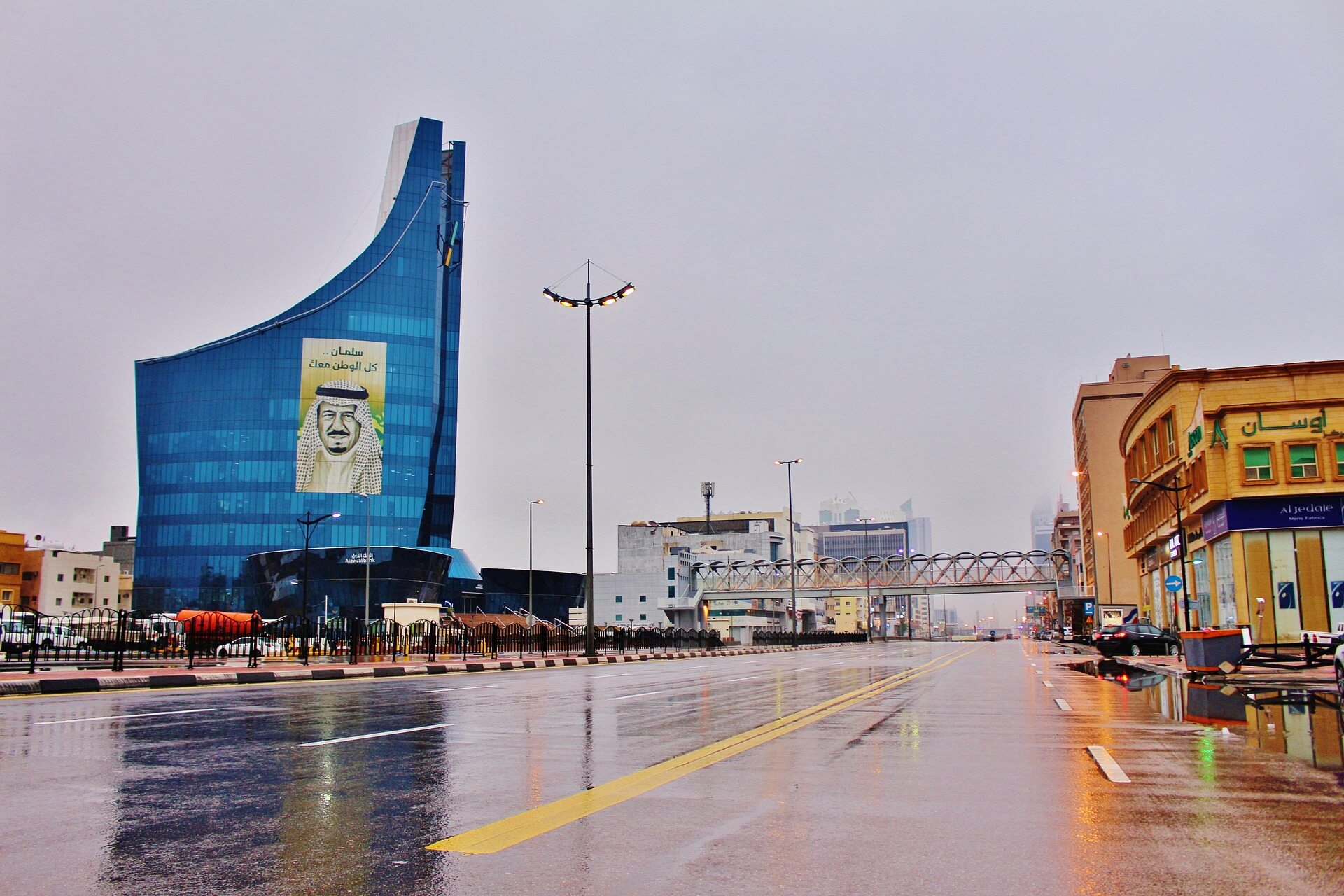
The sense of urgency behind the data
Why is it so urgent? Market demand is the only baton.
In 2025, Saudi Arabia's air cargo volume soared to 1.2 million tons, a year-on-year increase of 34%, setting a historical peak. However, with the rise of NEOM New City, the landing of the Red Sea tourism project, and the approaching Riyadh World Expo 2030, the existing infrastructure has become tight and almost saturated.
The total investment of over 2.5 billion US dollars in building a new logistics center is not blind expansion, but precise pressure reducing valves and boosters. After completion, the annual freight throughput will exceed 3 million tons, enough to support the massive breathing of a non oil economy.
Drones reshape the logic of the desert
As traditional infrastructure rushes forward on the ground, Saudi Arabia's gaze has turned to the low altitude above.
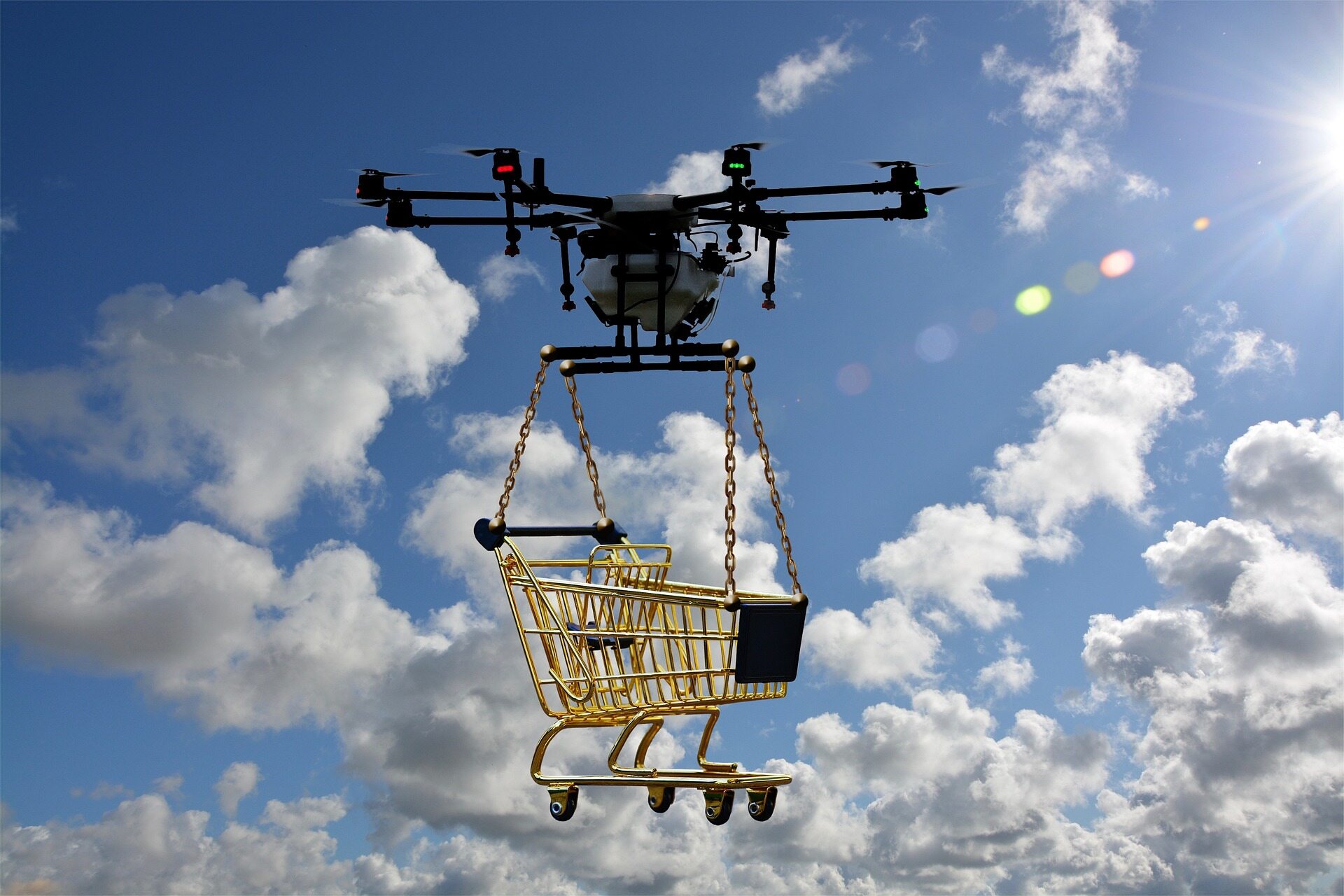
A test on drone freight is quietly unfolding over the desert. Unlike food delivery in cities, drones here carry a more hardcore mission: rapid delivery of medical emergency blood kits, instant response to emergency spare parts in oil and gas fields, and cross regional circulation of high-value small items.
On the pilot route, the drone can carry a single load of 5 kilograms and cover a range of 50 kilometers, reducing the travel time from the airport to industrial parks, remote mining areas, and even desert resorts by more than three times. This is not only an increase in speed, but also a blow to the dimensionality reduction of desert geographical obstacles - in the oil and gas fields in the eastern province, they transmit equipment data in real time; At the yard of Jeddah Port, they automatically count containers, resulting in an overall 20% increase in operational efficiency.
The dual game of rules and technology
The Saudi Civil Aviation Authority is busy weaving a low altitude sky network - the "Low Altitude Airspace Management Framework" is expected to be implemented by the end of 2026, and urban low altitude logistics routes will be officially lifted at that time.
But this is not just a solo show of policies. The public investment fund has generously invested in local drone companies and partnered with international giants such as DJI and Zipline to develop desert special edition models that are resistant to high temperatures and sandstorms. Because everyone knows that only technology adapted to extreme environments can truly take off on this land.
The key puzzle of digital transformation
In this grand logistics automation battle, Chinese technology is becoming an indispensable underlying architecture.
This is not just a simple device export, but a deep integration of Chinese technology and Saudi Arabian scenarios: Huawei's 5G+AIoT solution has given smart parks a nerve center; Shunfeng Technology's unmanned warehouse management system endows goods with the ability to think critically; Yihang Intelligent's cargo eVTOL is testing future air buses. This deep participation is writing a new paradigm for the high-quality development of the the Belt and Road.
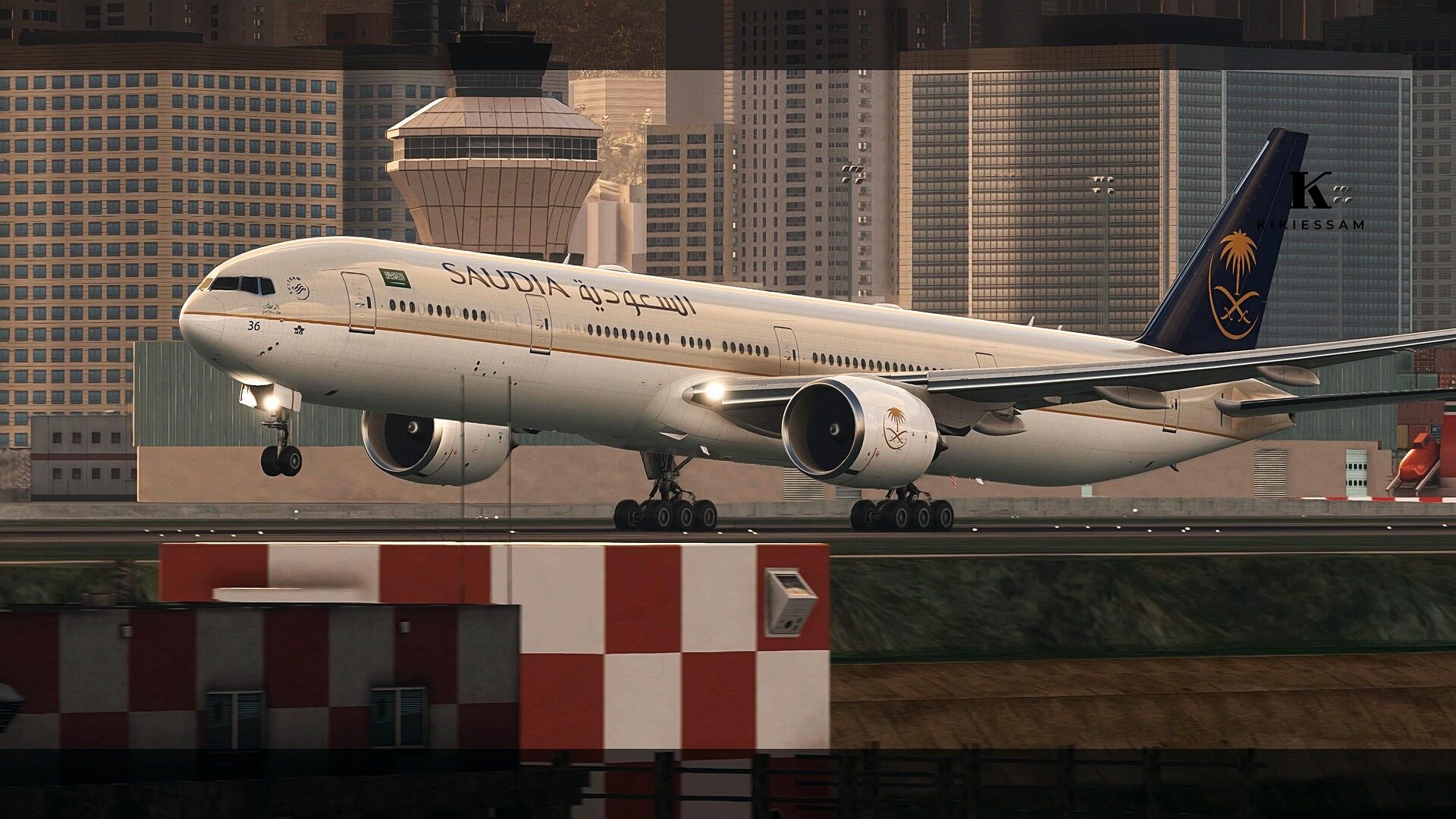
15 hour global reach
Saudi Arabia's ambitions are not limited to this.
By expanding airports, upgrading ports, and deploying digital customs systems, this country is attempting to rewrite the time definition of global logistics - a 15 hour global reach. This means that in the future, goods shipped from Saudi Arabia can be delivered to markets where 70% of the world's population is located within 15 hours. Keywords: digital logistics, Middle East
From oil pipelines to logistics routes, Saudi Arabia is using steel, chips, and algorithms to pave a path to survival in the post oil era.Editor/Cheng Liting
Comment



 Praise
 Collect
 Comment

 Share
Share


Write something~