 Search


- Chinese companies add another significant touch to the upgrade blueprint of the Madrid high-speed rail hub in Spain
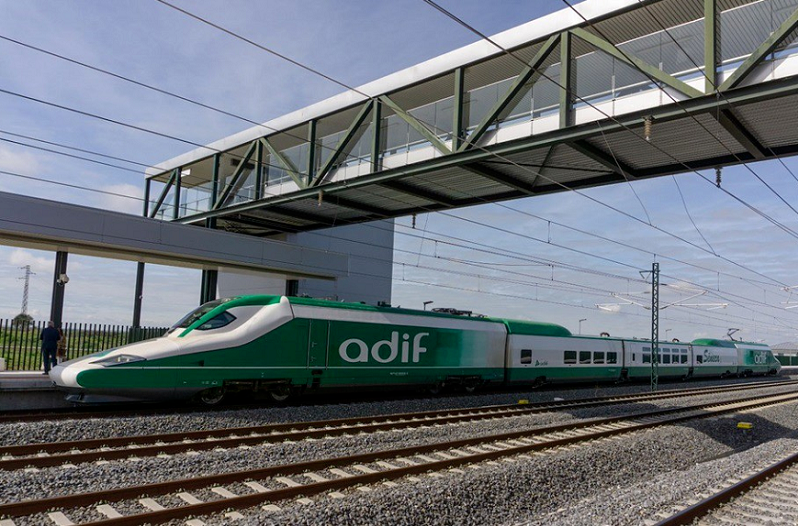
At the beginning of the Chinese New Year, good news came from the Iberian Peninsula. On March 2, 2026, Adif, the Spanish railway infrastructure management company, officially announced that it would award a key high-speed rail technology station construction contract at Madrid's Chamartin station to a consortium led by Aldesa, a Spanish company controlled by China Railway Construction Corporation. The total contract amount is as high as 47 million euros (including value-added tax), and the landing of this heavyweight order instantly attracted the attention of the European infrastructure market.
This bidding has gathered top Spanish construction giants such as ACS, Sacyr, Acciona, Ferrovial, etc., and the competition is extremely fierce. In the end, Aldissa Company stood out with the best technological solution and the second lowest offer through a consortium formed by directly holding 40% of the shares and holding an additional 40% through its subsidiary Coalvi, in conjunction with another Spanish company Montajes El é ctricos Vinaelectric (holding 20% of the shares), successfully seizing the market share. It is worth noting that three other companies were directly excluded during the bidding process due to their failure to reasonably explain the "abnormally low price", highlighting the dual strict requirements of technical strength and commercial rationality in this bidding.

Assist in expanding and upgrading the heart of high-speed rail
What exactly does this winning bid project need to do? It can be regarded as an important "bridging surgery" for the "heart" of Madrid high-speed rail. The project will build a modern storage yard for high-speed trains, directly serving the Chamartin Clara Campo Amor station in Madrid.
According to the plan, the new facility will construct two sets of track areas, totaling 17 standard gauge storage tracks, each with a length of 405 meters, and equipped with technical platforms for drivers and maintenance personnel to operate. One of the tracks will also integrate power supply, water supply, and train sanitation and sewage systems to support daily light maintenance work. In addition, the project also includes the construction of a multifunctional technology building to provide office, equipment storage, and workspace for Adif Company and railway operators. All of this is for a core goal: to significantly improve the station's capacity for receiving and dispatching trains and operational organizational efficiency, and alleviate the current situation of tight railway lines.

Chinese puzzle embedded in the grand plan of Spain's high-speed rail
This winning bid is not an isolated event, but embedded in the grand narrative of Madrid's Chamartin station and even the development of high-speed rail in Spain. This project is a key part of the overall renovation plan for Chamartin Station. Currently, the project underway at the station will increase the number of high-speed railway tracks from 6 to 12. Looking towards the future, as part of the larger "Chamartin Open Ecosystem" renovation plan, the station ultimately plans to expand the total number of high-speed tracks to 18, in order to thoroughly consolidate its strategic position as the core hub of Spain's national high-speed rail.
China Railway Construction Corporation's Aldissa company has deeply integrated into Spain's transportation modernization process by participating in this series of upgrade projects. From participating in infrastructure construction to providing technological solutions, the role of Chinese enterprises is evolving from "participants" to "deep collaborators".
From photovoltaic fields to high-speed rail tracks
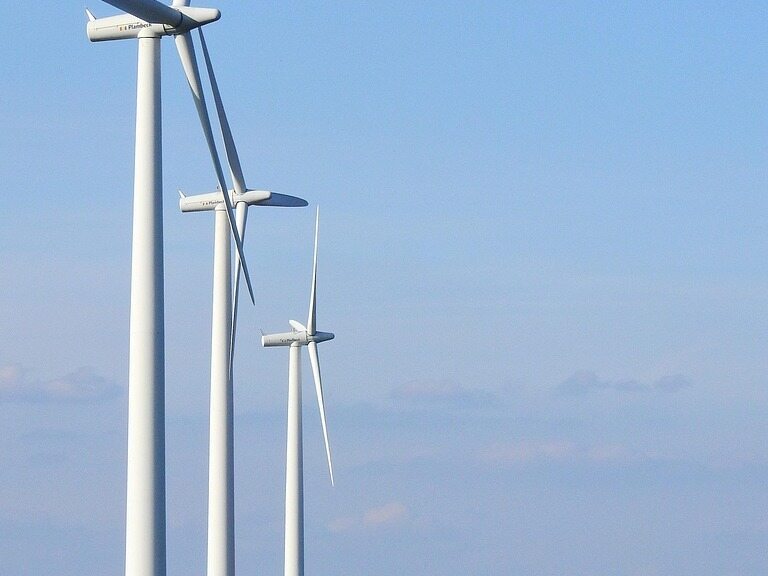
China Railway Construction attaches great importance to this bid and regards it as another milestone in deepening its presence in the Spanish market. In fact, as an important pivot of China Railway Construction in Europe, Aldersa Company has successfully implemented a number of landmark projects in Spain. Especially in the field of green energy, the Belvis photovoltaic power station built by the company has been officially put into commercial operation in March 2025, and is praised by the two countries as a model of green cooperation.
China Railway Construction Corporation (CRCC) stated that it will continue to leverage its full industry chain and integrated service advantages, actively participate in the acceleration and upgrading of Spain's high-speed rail network, infrastructure construction, and long-term maintenance projects. The company is committed to deepening cooperation between the two sides in emerging industries such as engineering equipment and new energy. It not only contributes solid "railway construction strength" to the dream of building a strong transportation country in Spain, but also continues to build new bridges to consolidate the traditional friendship between China and the West.
The landing of the 47 million euro contract is like a precisely positioned gear, which not only drives the Madrid high-speed rail hub to operate more efficiently, but also confirms the increasing competitiveness and adaptability of China's high-end manufacturing and infrastructure capabilities in overseas markets, especially in developed countries. The tracks paved by the cooperation between China and the West are closely linking the development opportunities of the two countries.Editor/Yang Meiling
Comment





 Praise
 Collect
 Comment

 Share
Share


Write something~