 Search


- Misjudgment: Believing a decapitation strike would cripple Iran
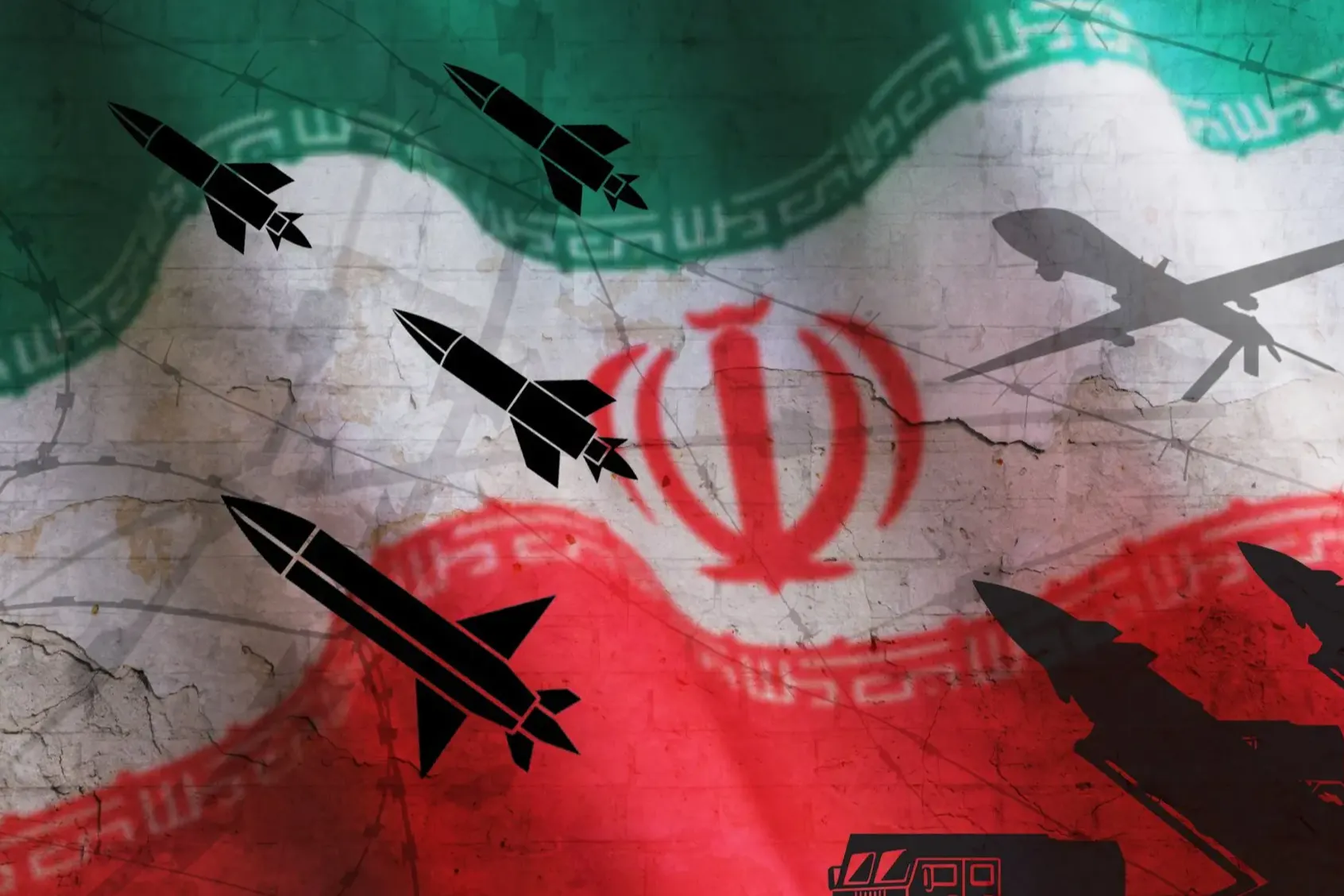
The US and Israeli planners appear to believe that eliminating Iran's top leadership would trigger regime collapse. The initial strikes successfully killed Supreme Leader Ayatollah Ali Khamenei, Defense Minister Amir Nasirzadeh, Commander of the Islamic Revolutionary Guard Corps Mohammad Pakpour, and other senior officials. President Donald Trump reportedly believed that killing these individuals would weaken Iran's ability to respond and could potentially trigger an internal uprising against the Iranian regime.
This consideration ignores Iran's four decades of strategic planning. As Ali Larijani, Secretary of Iran's Supreme National Security Council, stated: "Iran is prepared for a protracted war, which is completely different from the preparations of the United States. As it has been for the past 300 years, Iran has never started a war… We will resolutely defend ourselves and our 6,000-year-old civilization at all costs, making our enemies pay the price for their miscalculation."
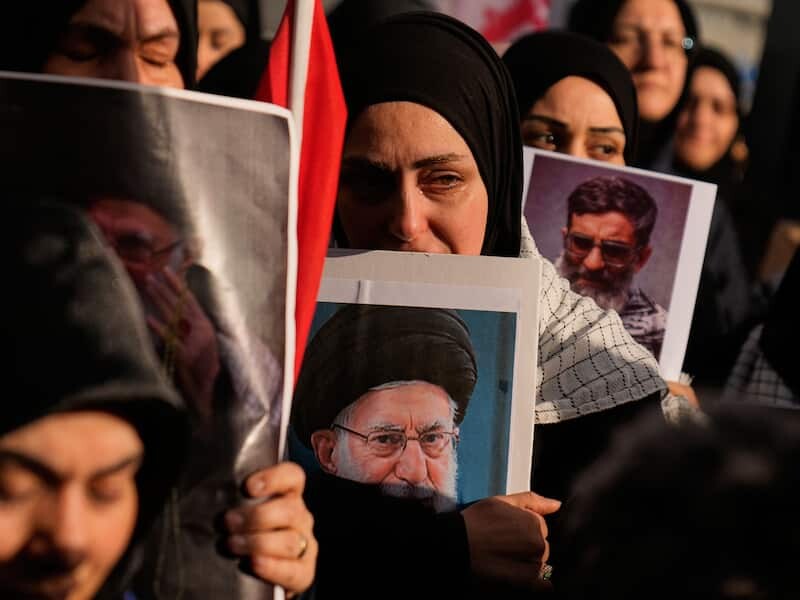
The death of Supreme Leader Khamenei, viewed by many Iranians as "a generation's father" rather than a tyrant, has deepened this nationalist response rather than triggering the internal uprising Washington hoped for.
Strategic Calculus: Survival as Victory
For Iran's leadership, the objective is not conventional military victory—which would be impossible against U.S. technological superiority—but survival. As the BBC observes, "The Islamic Republic does not need triumph. It needs to remain standing".Editor/Cao Tianyi
Comment







 Praise
 Collect
 Comment

 Share
Share


Write something~