 Search


- Indonesian President Prabowo recently announced the establishment of the "Energy Transition Acceleration Working Group"
A brainstorming session about the future of national energy has just ended in the Jakarta National Palace. Indonesian President Prabowo and core cabinet members such as Energy and Mineral Resources Minister Bachriel sat around a table, discussing no longer traditional oil and coal, but how to let sunlight and electricity drive the future of this archipelago country. After the meeting, Bachelier was officially appointed as the head of the "Energy Transition Acceleration Working Group", marking the beginning of a major energy transition involving power generation, transportation, and subsidy reforms.
Led by Bachelier
At a small cabinet meeting held at the National Palace in Jakarta, President Prabowo made a key decision to appoint Energy and Mineral Resources Minister Bachriel as the head of the "Energy Transition Acceleration Working Group" to coordinate and promote national energy transition related policies and projects. This appointment aims to break down departmental barriers, improve the efficiency of fiscal funds in the energy sector, and ensure the efficient implementation of clean energy projects.
Bachelier revealed after the meeting that President Prabowo has put forward clear requirements for the speed of energy transformation, hoping that relevant projects can be implemented as soon as possible. According to the current goal, the entire implementation cycle is at most 3 to 4 years, and it would be even better if it could be completed faster. This timetable demonstrates the Indonesian government's determination to accelerate the transition away from fossil fuel dependence.
Solar energy entering the village
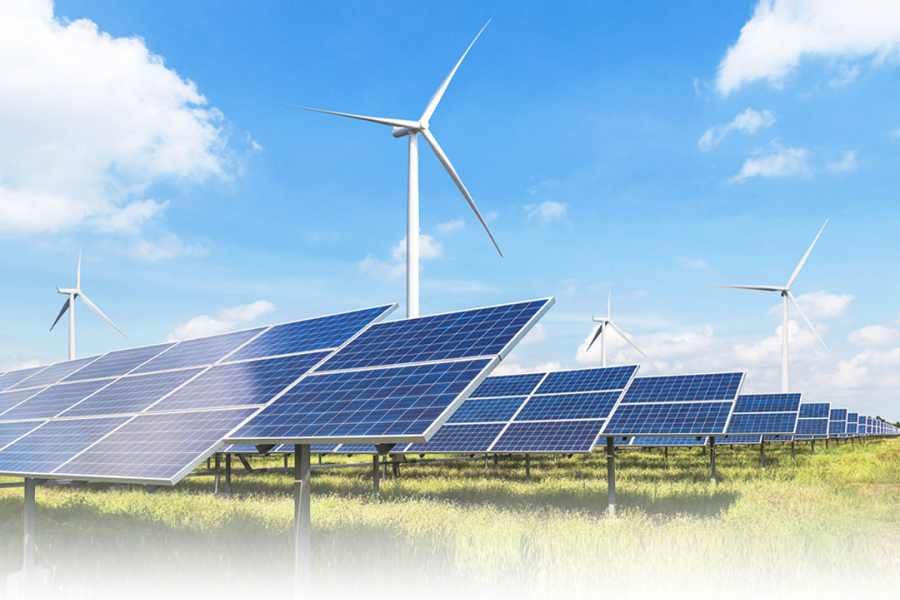
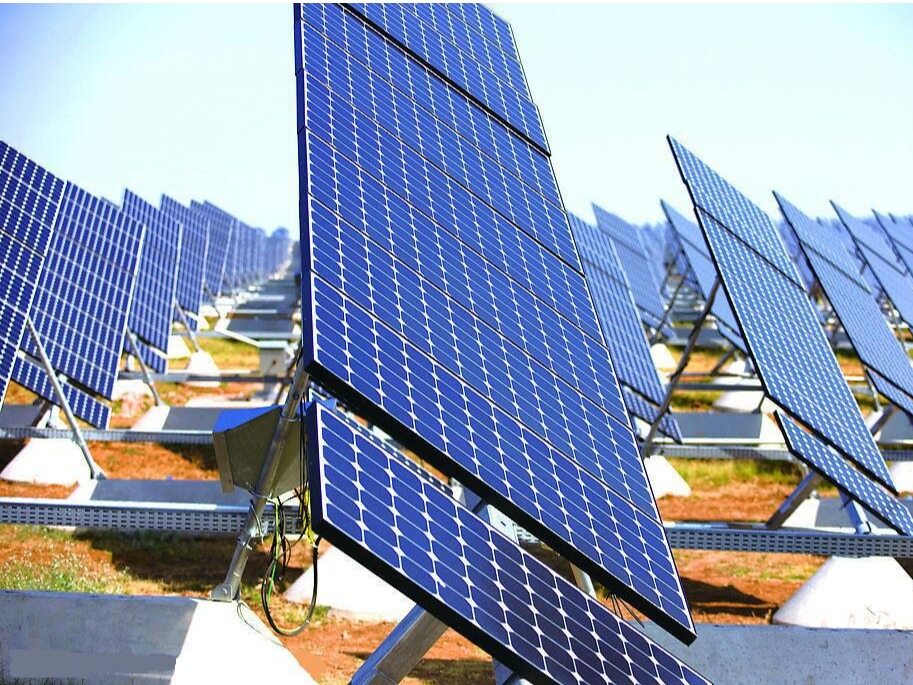
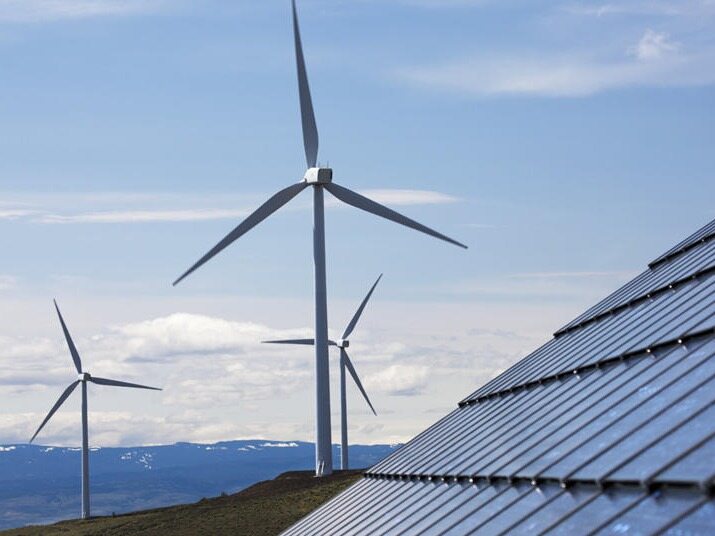
The Indonesian government is advancing a large-scale solar energy development plan, with a total installed capacity target of 100 gigawatts. These solar power stations will not only serve the power grid system in the future, but will also be widely used in grassroots institutions such as schools and rural communities. The government hopes that through these projects, clean energy can truly enter the daily lives of ordinary people, thereby increasing the proportion of green energy use at the social level.
From a policy perspective, another important goal of accelerating energy transition is to reduce the country's dependence on diesel power generation systems. Currently, some regions in Indonesia still use diesel generators as the main source of electricity, which not only incurs high costs but also puts significant pressure on the environment. Bachelier pointed out that if a large number of diesel power generation systems can be gradually replaced with solar power generation, it is expected to significantly improve the efficiency of the power system and reduce the long-term burden of electricity subsidies borne by the government.
Transportation electrification
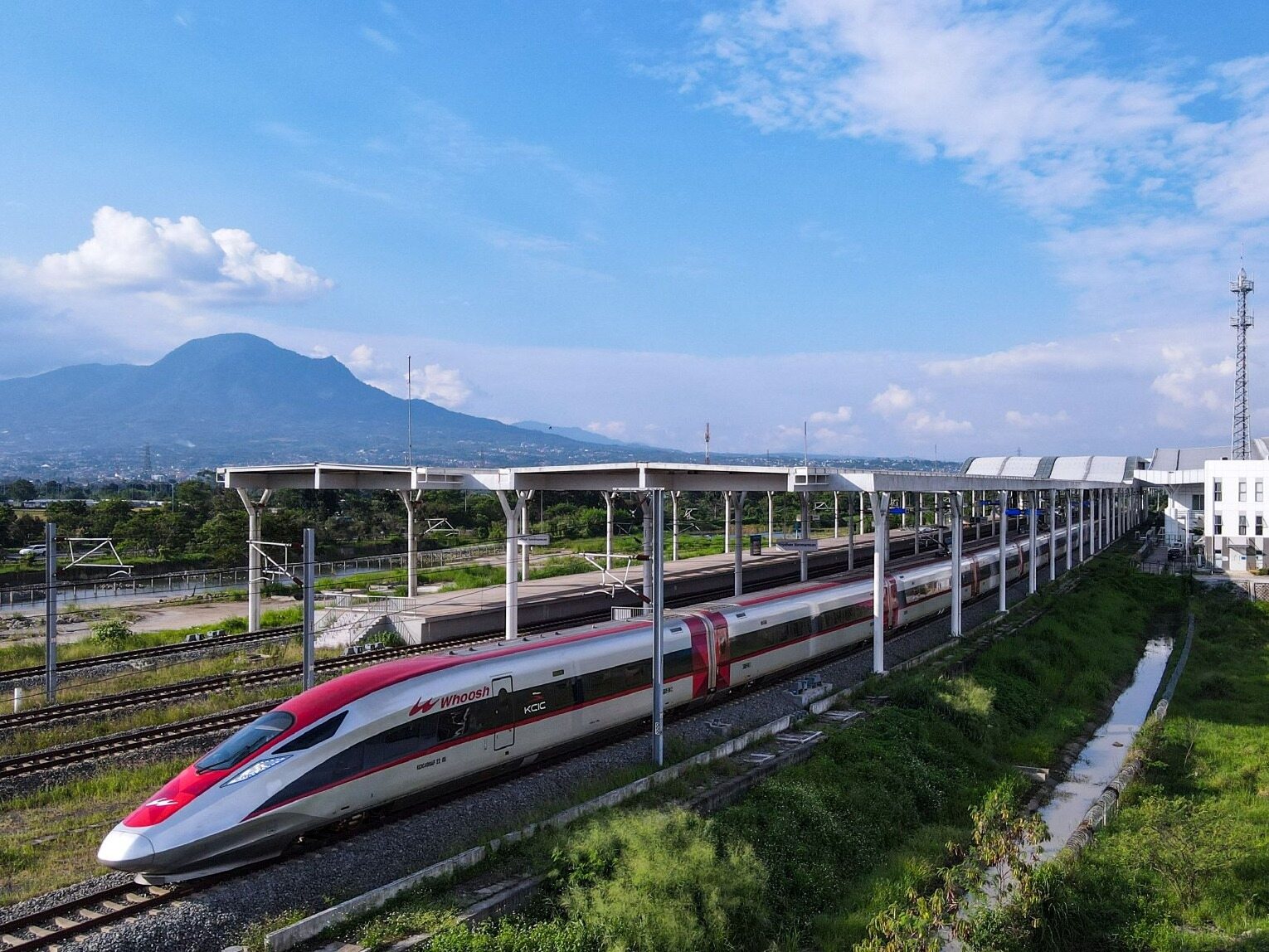
In addition to reforming the power generation system, the government has also extended the energy transition to the transportation sector. During the meeting, President Prabowo explicitly stated the need to accelerate the transition from gasoline vehicles to electric vehicles. According to the preliminary government plan, Indonesia will gradually convert approximately 120 million motorcycles to electric motorcycles in the future. This large-scale transformation plan is expected to significantly reduce fossil fuel consumption and lower carbon emissions in the transportation sector.
At the same time, the government also hopes to take this opportunity to further improve the domestic electric vehicle industry chain and promote the development of the electric transportation ecosystem. By converting diesel power generation into solar power generation, the government can not only improve subsidy efficiency, but also provide clean electricity support for the popularization of electric vehicles and motorcycles. Keywords: Southeast Asian engineering information, macro strategy, energy transformation
With the establishment of the Energy Transition Acceleration Working Group, the Indonesian government hopes that various clean energy projects can be promoted more efficiently under unified coordination. For the outside world, this measure also sends a clear signal that Indonesia is preparing to accelerate its move towards a more sustainable and green energy system.Editor/Yang Meiling
Comment

 Praise
 Collect
 Comment

 Share
Share


Write something~