 Search


- Behind the winning bids of two Chinese companies from Bali to Wujiasi, Indonesia's national energy project, which generates 56.6 million
- Every year, 56.6 million tons of garbage in Indonesia are being transformed into energy. Chinese companies have locked in a $0.2/kWh
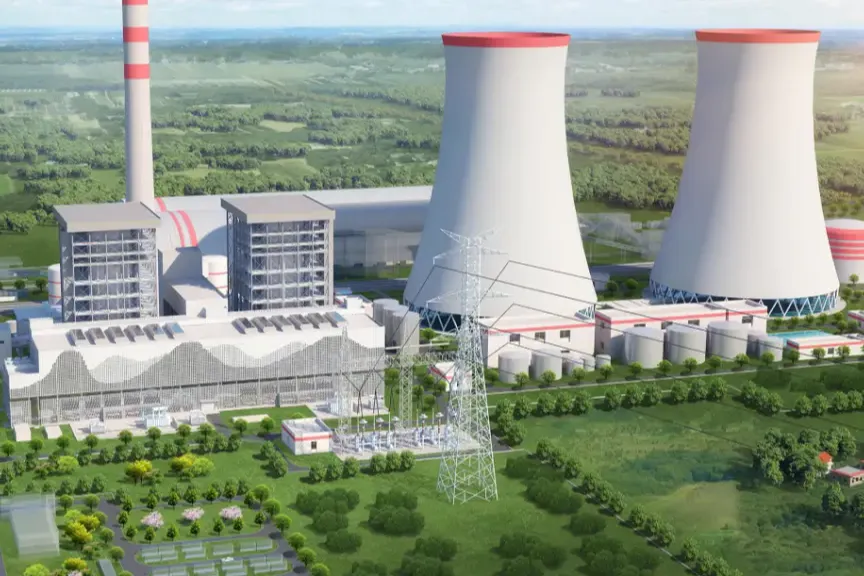
In Bali, sunshine, beaches, and waves are the reasons why tourists flock to it. However, behind this tourist paradise, a survival crisis is quietly spreading - garbage. Every year, Indonesia generates 56.6 million tons of municipal solid waste, of which about 20% is plastic, while the standard treatment rate is only 9% to 10%. These nowhere to be placed garbage have invaded rivers, polluted water sources, and even detected microplastics in breast milk samples. Nowadays, a transformation led by Chinese enterprises is unfolding on this land. Weiming Environmental Protection and Wangneng Environment have received bid winning notices from Indonesia and will be responsible for the construction of waste to energy projects in Bali and Wujiasi, respectively. This is not just a simple equipment export, but a 30-year deep participation - the first two years are focused on construction, and the second thirty years are stable in cash flow.
Garbage transforms from environmental burden to renewable energy
The garbage problem in Indonesia is no longer just a matter of urban appearance, but a systemic crisis related to public health. Official data shows that the national garbage standard processing rate is only 9% to 10%, and the overall recycling rate is about 22%. This means that over 11 million tons of garbage are left unchecked each year - piled up haphazardly, simply buried, and burned in open air.
Landfill leachate pollutes groundwater, methane continues to be emitted, and land is constantly being encroached upon. The Indonesian environmental department has even publicly stated that microplastics have been detected in rivers, drinking water sources, as well as breast milk and placenta samples.
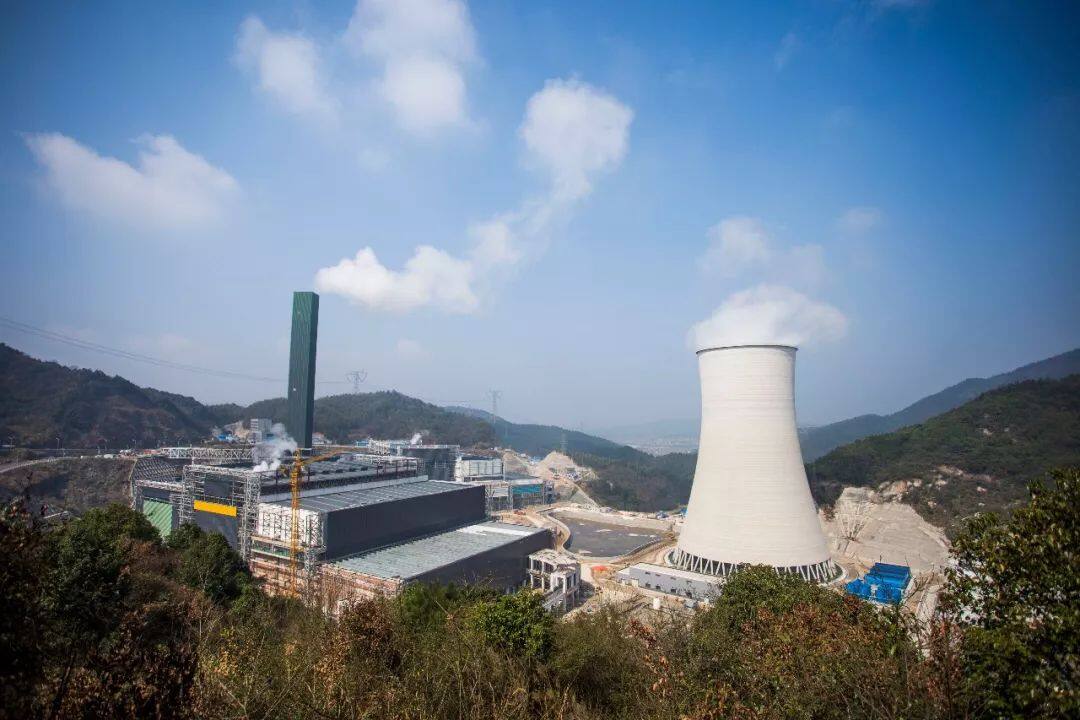
The two projects that won the bid this time are both planned to have a waste treatment capacity of approximately 1500 tons per day, with a construction period of about 2 years and a cooperation period of up to 30 years after commercial operation. Investors will sign a 30-year long-term power purchase agreement with PLN, with electricity prices locked at $0.2 per kilowatt hour. This long-term lock up mechanism provides certainty for heavy asset projects - relying on decades of electricity bill cash flow to repay bank loans, maintain equipment, and pay operating costs, without long-term lock up, financing is almost impossible to talk about.
The 'Three Piers' Behind National Projects
There are three key roles that must be sorted out when working on a waste to energy project in Indonesia. The first one is Danantara, which is both the project purchaser and equity investor. The winning bid notification received by Weiming Environmental Protection and Wangneng Environment this time was issued by Danantara. The second one is the local government, responsible for project initiation and garbage guarantee - at least 1000 tons of supply per day, as well as bearing the collection and transportation costs and providing land free of charge. If the garbage supply is insufficient, they will also be held liable for breach of contract. The third one is PLN, Indonesia's national power grid, which is responsible for purchasing electricity and implementing fixed electricity prices. The contract also includes a "take or pay" clause - even if the power plant is affected by insufficient waste or technical issues, PLN still has to pay electricity fees according to the contract. This type of clause is not common in the Southeast Asian market and essentially transfers project operational uncertainty from investors to the national power system.
Chinese waste to energy companies embark on a collective expedition to Southeast Asia
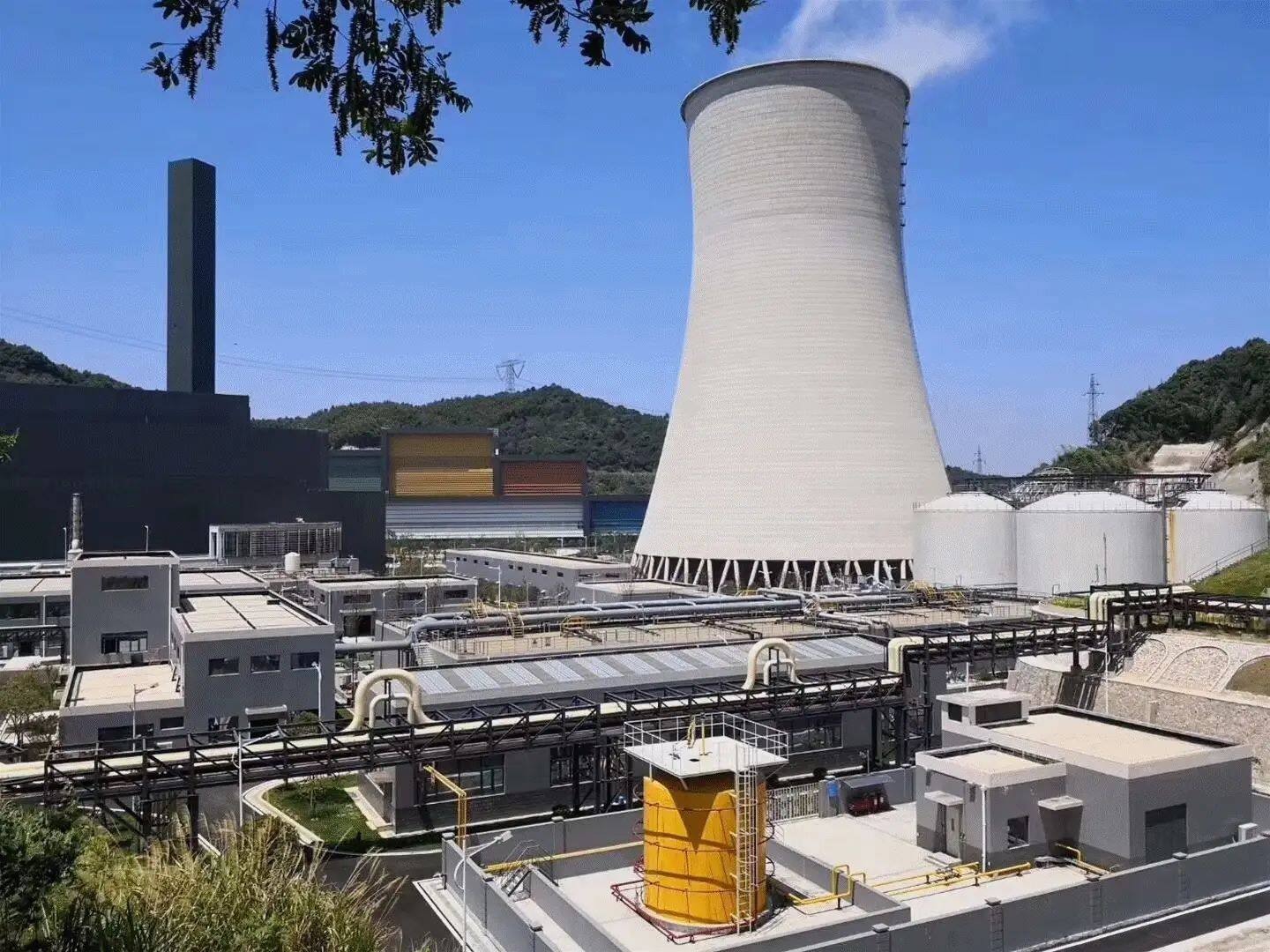
The domestic waste incineration industry has basically reached its ceiling. In the past few years, the market has become saturated, new project approvals have tightened, capacity utilization has been under pressure, and the incremental space has become increasingly narrow. Listed companies are turning their attention overseas, especially in Southeast Asia. According to industry statistics, as of June 2025, Chinese companies have invested, constructed, and operated 43 overseas waste incineration projects with a total designed processing capacity of 57700 tons per day - this does not include projects that only do EPC or sell equipment, but rather a deep layout that truly participates in investment and operation. Everbright Environment, Hanlan Environment, China Tianying, Junxin Co., Ltd., Wangneng Environment, Zhongke Environmental Protection, etc. have all settled overseas.
The foundation of Southeast Asia is solid enough. As of the end of 2024, the total population of the region is about 690 million, with Indonesia, the Philippines, Vietnam, and Thailand accounting for over 70%. The population size determines that there will be no shortage of garbage. However, the urbanization rates of Indonesia, the Philippines, Vietnam, and Thailand are still in the range of 59%, 49%, 40%, and 54%. According to the World Bank's forecast, the average annual population growth rate in Southeast Asia from 2024 to 2030 will be about 0.7%, and the average urbanization rate will increase from 52% to 56%. The population continues to grow, cities are still expanding, and garbage will only increase. It is expected that by 2030, the amount of solid waste generated in Southeast Asia will reach nearly 200 million tons, with the increase mainly concentrated in the populous countries and core urban areas mentioned above.
According to institutional estimates, the total waste incineration capacity in Southeast Asia in 2020 was approximately 15200 tons per day. Assuming the incineration rate reaches 40% in 2030 and 70% in 2050, according to the World Bank's solid waste forecast data, the regional incineration capacity demand will reach 222000 tons/day in 2030 and 491000 tons/day in 2050. Based on an estimated investment of 800000 yuan per ton per day, the investment demand is expected to reach approximately 165.5 billion yuan by 2030 and 380.4 billion yuan by 2050. This is a billion dollar infrastructure upgrade project.
The implementation of Indonesia's waste to energy project in 2026 is just the beginning. The stability of land and garbage supply, electricity pricing mechanism, public acceptance, financing costs, and exchange rate risks - each link is a real test. But for Chinese enterprises, this 30-year deep participation is not only a market opportunity, but also a long-term ability test. Only by thoroughly polishing technology, compliance, community communication, and cost control can we truly sit firmly on the table of this national level project. Editor/Yang Beihua
Comment


 Praise
 Collect
 Comment

 Share
Share


Write something~