 Search


- Ha and A will sign a cooperation agreement on the Trans Caspian Sea corridor to help increase the freight volume of the Central Corridor
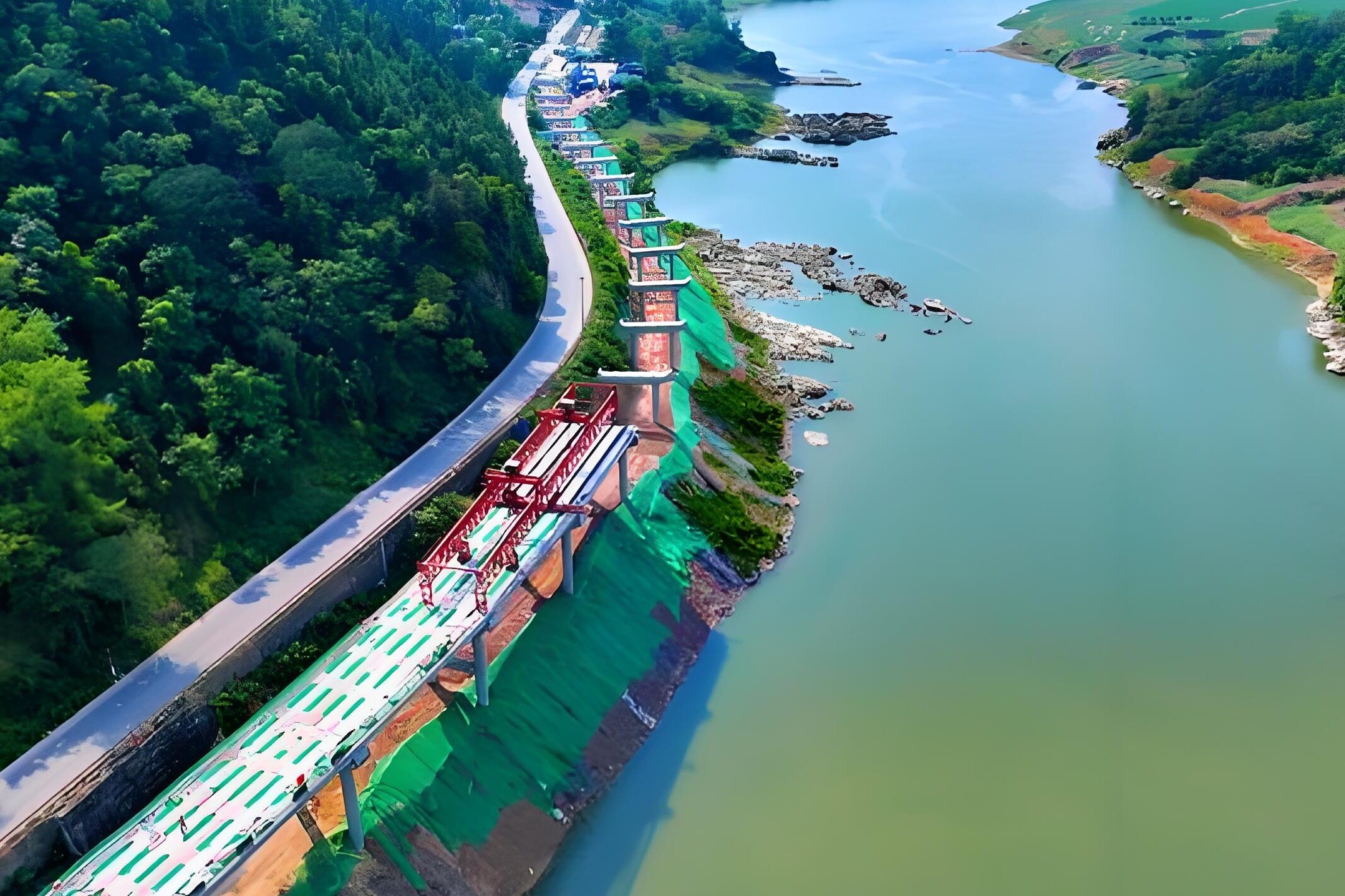
In Astana, the capital of Kazakhstan, a soon to be signed intergovernmental agreement is injecting new momentum into the ancient Eurasian trade route. The Ministry of Transport of Kazakhstan disclosed on the same day that Kazakhstan has completed the draft cooperation agreement on the construction of the Trans Caspian International Transport Corridor with Azerbaijan, and plans to officially sign it in the near future. This transportation artery, known as the 'middle corridor', is accelerating from a blueprint to a golden passage connecting Asia and Europe.
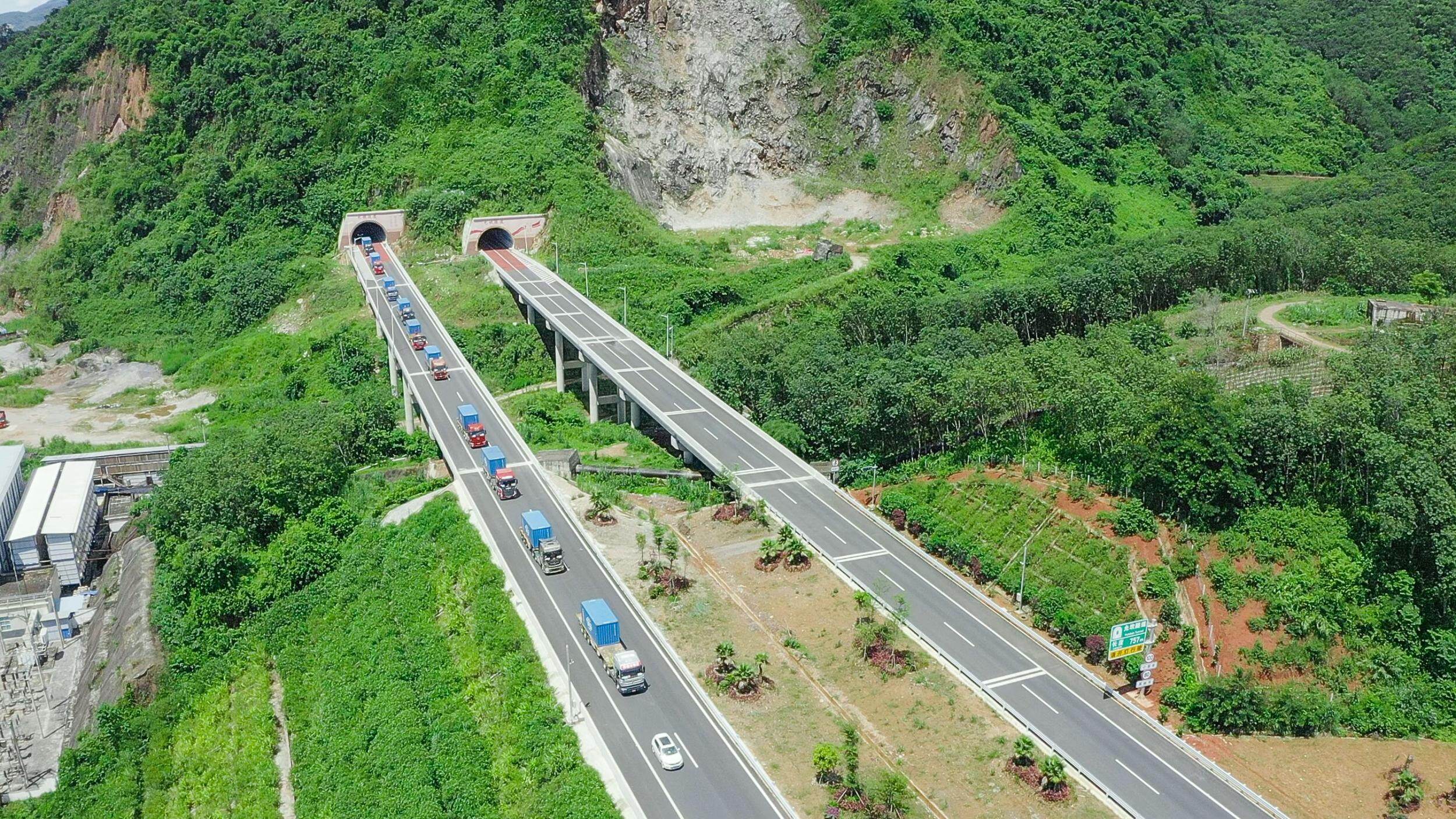
Freight volume witnesses the rise of transportation channels
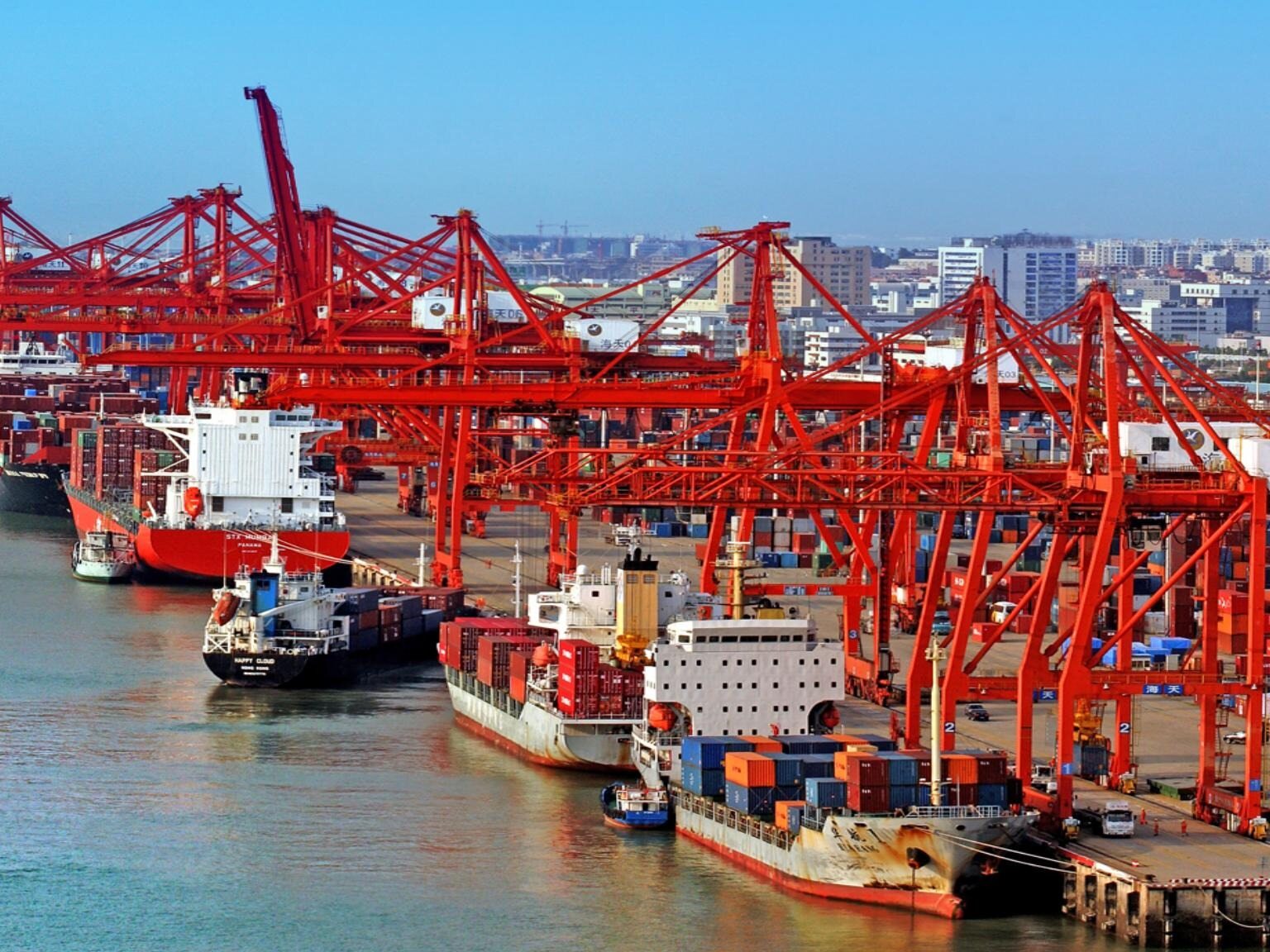
The Trans Caspian International Transport Corridor has delivered an impressive performance in the past seven years: the annual freight volume has surged from 800000 tons to 4.5 million tons, a growth of 5.6 times. By the end of 2025, the container transportation volume of the channel will reach about 77000 TEUs, with a target of 300000 TEUs by 2029. This land route that starts from China, passes through Central Asia, crosses the Caspian Sea, and reaches Europe through the Caucasus region, is becoming a strategic alternative to the traditional north-south corridor with strong growth momentum.
Mechanized construction accelerates again
The core objective of the upcoming Ha A intergovernmental agreement is to enhance the institutionalized status and international competitiveness of the channel. According to the information disclosed by the Ministry of Transport of Kazakhstan, both sides will deepen cooperation in areas such as joint construction of channel infrastructure, facilitation of customs clearance, and improvement of transportation capacity, jointly enhancing the attractiveness of the intermediate corridor to international freight enterprises. The implementation of this top-level design agreement means that the construction of the cross sea corridor has officially risen from the project level to a national strategic cooperation. Keywords: Infrastructure Engineering News Network, International Channel Infrastructure
The formation of a new artery in Asia Europe trade
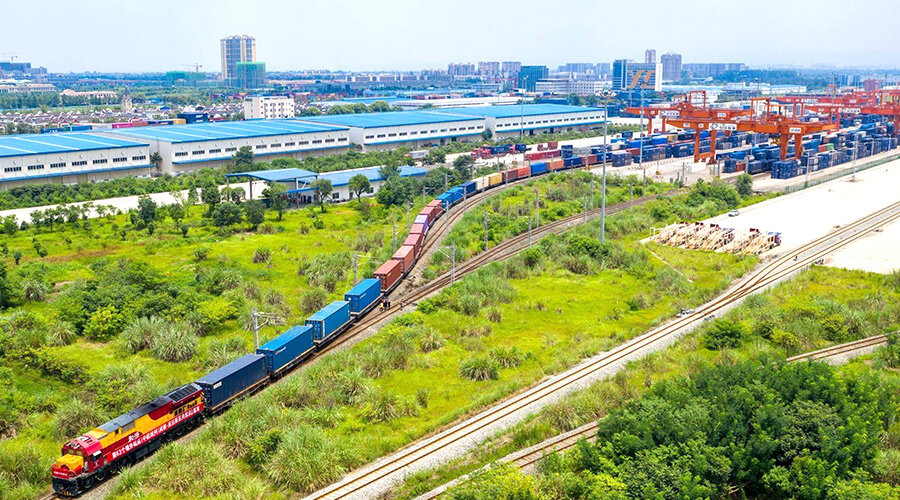
According to the plan, by 2029, the container capacity of the cross sea corridor will reach 300000 TEUs, which is equivalent to four times the current capacity. This starting point is in China. It is a land route from Kazakhstan, Uzbekistan, Turkmenistan and other Central Asian countries to Europe via Azerbaijan, Georgia and Türkiye after crossing the Caspian Sea. By virtue of the unique advantage of avoiding long-distance shipping, it is connecting the manufacturing center in East Asia more closely with the European consumer market, becoming an important support for Asia Europe connectivity under the framework of jointly building the the Belt and Road.
Editor/Gao Xue
Comment





 Praise
 Collect
 Comment

 Share
Share


Write something~