 Search


- Meter gauge, with stronger terrain adaptability, can minimize expensive tunnel construction to the greatest extent possible
- When the dream of a $3.4 billion oil pipeline shattered due to financing difficulties, a century old meter gauge railway with a halved cost is attempting to become a lifebuoy for East Africa's energy artery
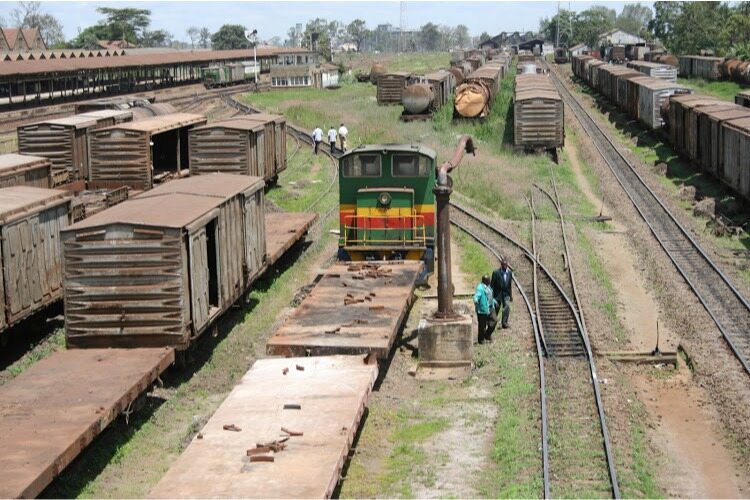
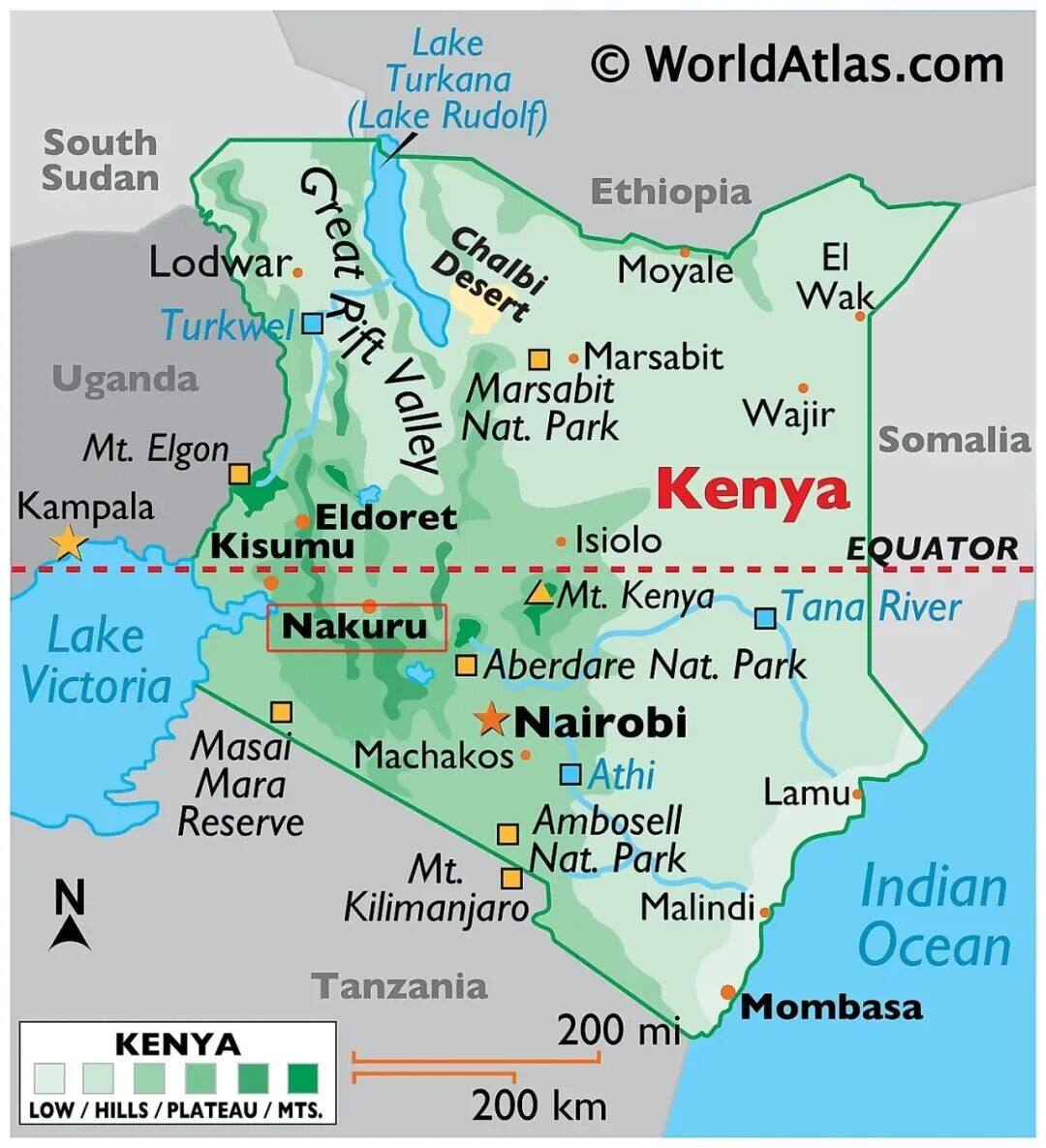
On the vast wilderness of the Great Rift Valley in East Africa, a breakthrough in logistics and energy is unfolding. The expansion plan of the Nakuru South Loki Chalmi gauge railway recently reviewed by the Kenyan parliament is not only a physical extension of infrastructure, but also a shrewd reassessment of existing assets.
This 640 kilometer long railway, costing approximately 1.7 billion US dollars, is attempting to unravel the long-standing bottleneck of crude oil exports that has plagued Tuluo Oil in an almost retro way.
From the shattered dream of pipelines to the rebirth of meter gauge trains
The turning point of the story began in 2024. Once ambitious to lay an oil pipeline, UK based Tullow Oil had to hand over its assets in the South Loki Char oil field to local giant Gulf Energy, under the dual blow of regulatory delays and capital withdrawals.
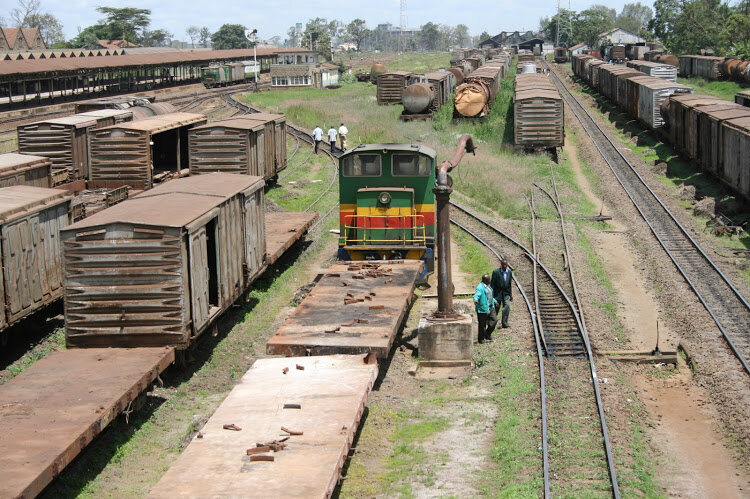
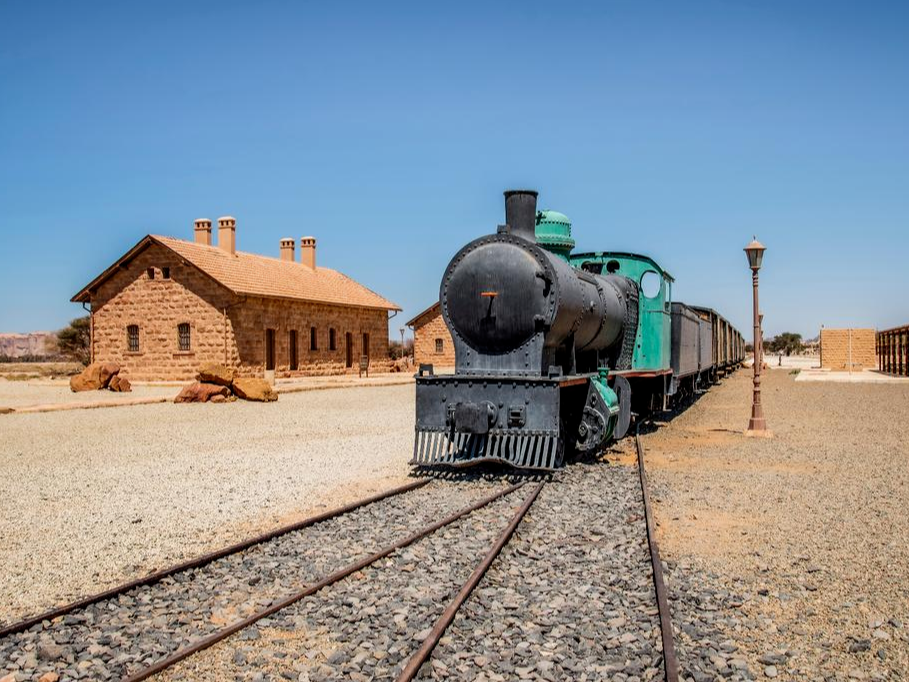
Faced with the mess left by his predecessor, Gulf Energy did not repeat the same mistake, but turned its attention to the meter gauge railway that had been dormant for a hundred years. Unlike the expensive and financing limited standard gauge SGR, the existing meter gauge network can not only reuse old colonial roadbeds, but also traverse complex terrains at extremely low renovation costs. This is not only a commercial takeover, but also an extreme test of the local resource allocation capability.
Narrow gauge wisdom with meticulous budgeting
Why does the Kenyan government have a special preference for the meter gauge when the standard gauge is prevalent? The parliamentary report presents a cruel economic account: if the standard gauge is adopted, the cost will soar to 520 billion shillings, which is 300 billion more expensive than the meter gauge scheme. At the edge of the Great Rift Valley in East Africa, the meter gauge, with its stronger terrain adaptability, can minimize expensive tunnel construction to the greatest extent possible.
More importantly, this railway has never limited itself to oil pipelines. It is designed as a composite artery: in the early stage, insulated tanker trucks are used for transition, and in the later stage, steam heated special trains are used to transport unique waxy crude oil; At the same time, it will also carry high-value goods such as cement and minerals. This strategy of mixed passenger and freight transportation and mining road maintenance has significantly diluted the unit cost of single track railways, fundamentally improving the survival probability of the project.
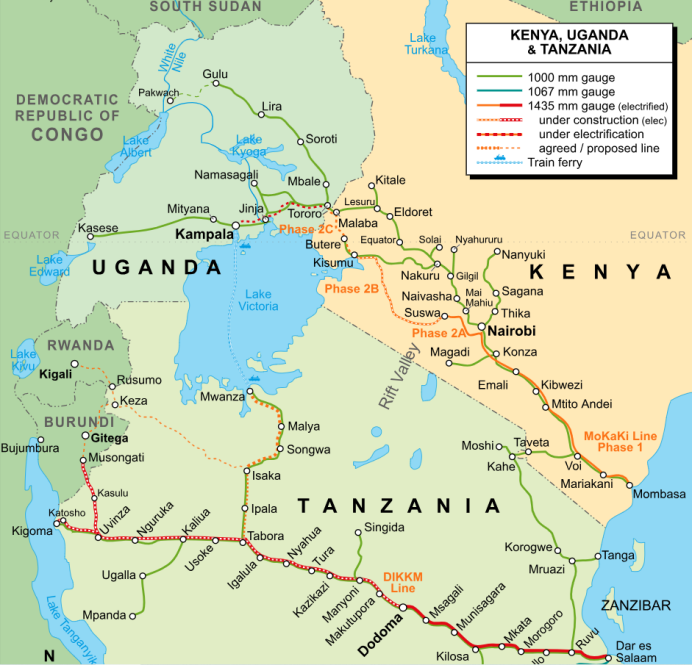
This meter gauge railway winding through the Rift Valley not only carries the black gold of the southern Loki Char, but also the desire of landlocked countries in East Africa to break the resource curse. Keywords: international news, meter gauge revival, railway hub
When the Gulf Energy train honks its horn and departs in 2030, it awakens not only the colonial dreams of a century ago, but a modern and more cost-effective and vibrant path to the Indian Ocean. In the era of declining capital, pragmatism often lays the railway to the future more effectively than grand narratives.Editor/Cheng Liting
Comment


 Praise
 Collect
 Comment

 Share
Share


Write something~