 Search


- Trump's "Guardian Coalition" Met with Cold Reception; Allies Fear Dragging into Middle East Quagmire
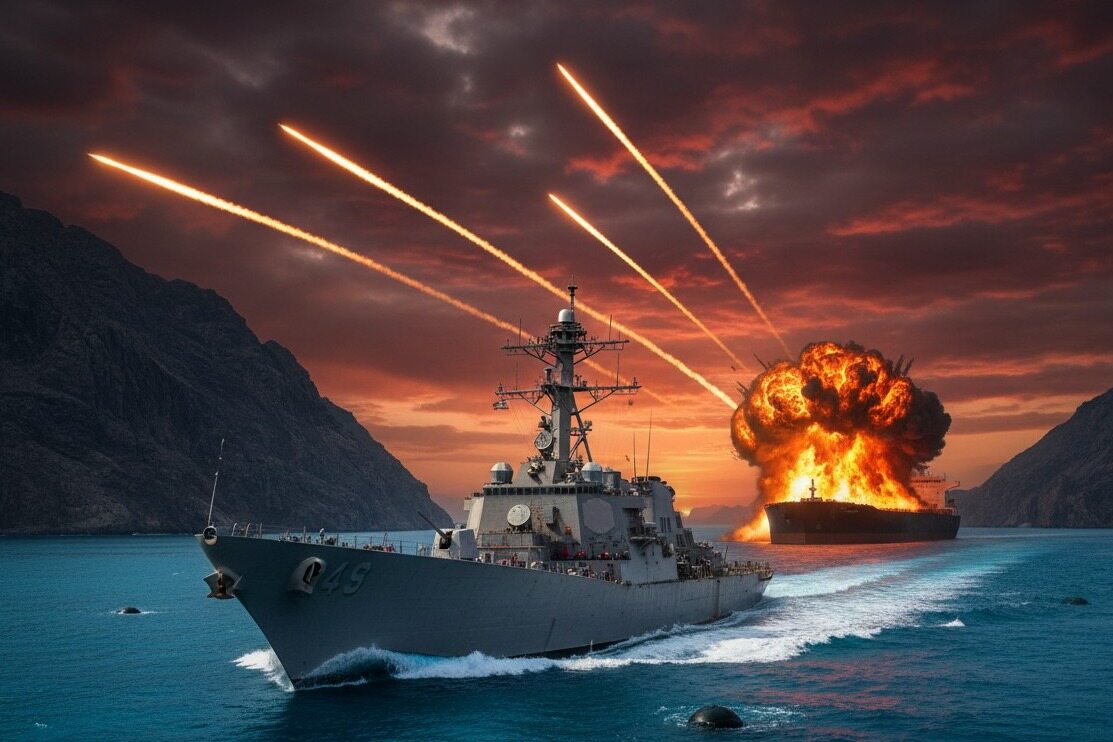
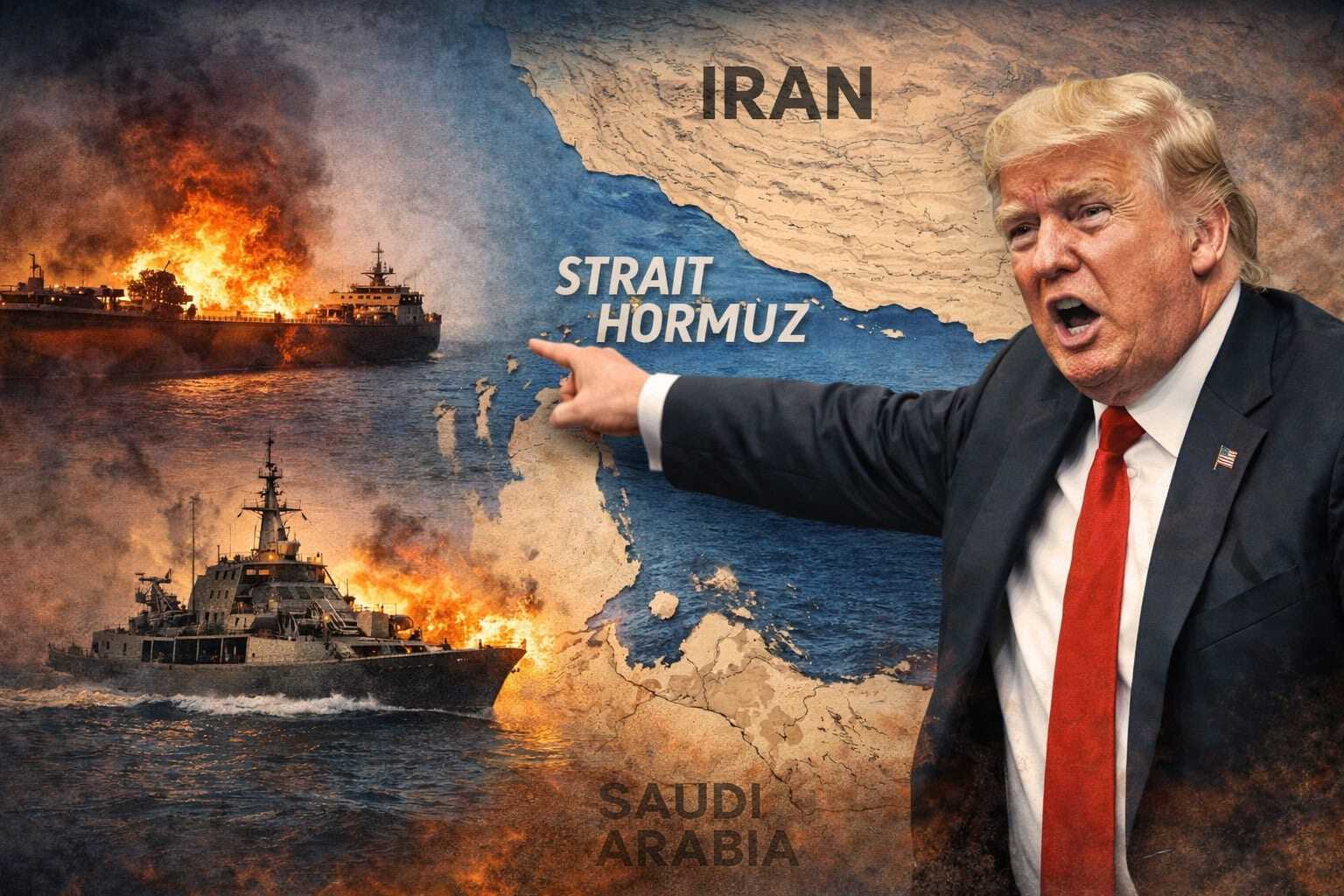
With shipping in the Strait of Hormuz nearly disrupted, US President Trump is eager to form a "voluntary escort coalition." However, this diplomatic offensive, urgently launched in the White House Situation Room, is being met with a collective cold shoulder from its European and Asian allies. Faced with frequent pressure from Washington, the responses from various countries on March 16th were either explicit rejections or evasive statements, exposing the deep rift between the US and its traditional partners on the issue of the war with Iran.
China: An Immediate Ceasefire is the Only Way Out
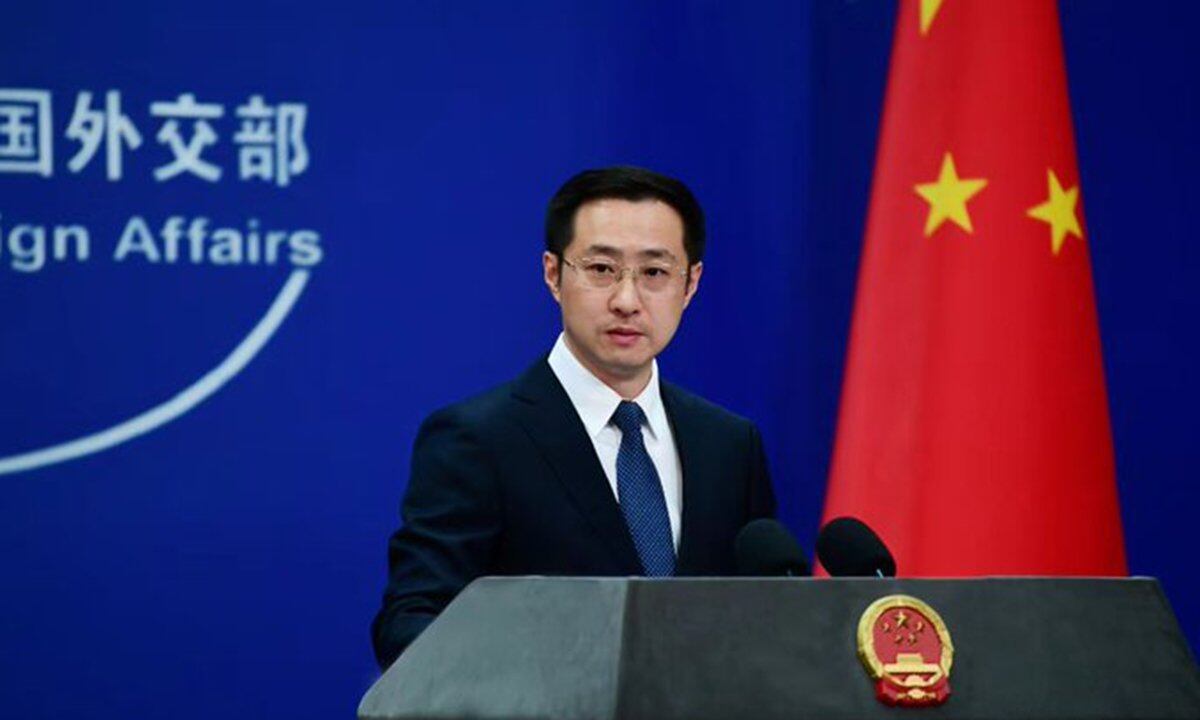
As the largest energy supplier to the Strait of Hormuz, China's stance is particularly crucial. Chinese Foreign Ministry spokesperson Lin Jian stated at a regular press conference on the 16th that the tense situation in the Strait of Hormuz is impacting international energy trade routes. He reiterated China's position: "We once again call on all parties to immediately cease military operations and avoid further escalation of tensions."
Germany: This is Not Our War
German Chancellor Merz's statement was the most direct. After meeting with the Dutch Prime Minister in Berlin on the 16th, he clearly stated that Germany would not participate in military escort operations in the Strait of Hormuz. “NATO is a defense alliance, not an intervention alliance,” Merz emphasized, adding that the conflict with Iran is not a NATO affair and that there are currently no viable options for such an operation to succeed.
UK: Beware of being drawn into a wider war
As America’s closest ally, Britain’s response has been particularly cautious. British Prime Minister Starmer admitted on the 16th that restoring navigation in the Strait of Hormuz is “not an easy task.” He made it clear that navigation in the strait is not NATO’s mission, and that Britain “will not be drawn into a wider war.” According to the Financial Times, Trump was “particularly frustrated” by Britain’s negative response in a call with Starmer, complaining that his “number one ally” was unwilling to come.
Australia: Refuses to send warships
Australian Minister for Infrastructure, Transport, Regional Development and Local Government, Catherine King, stated on the 16th that Australia will not send naval vessels to the Strait of Hormuz. She said that Australia is fully prepared for a possible economic crisis.
Japan: To be discussed at a summit meeting
Japan’s attitude is equally ambiguous. Kobayashi Takayuki, chairman of the ruling Liberal Democratic Party's Policy Research Council, stated that the relevant issues might be discussed during Prime Minister Takaichi Sanae's meeting with Trump in Washington on the 19th of this month, and no commitments were made at this time.
South Korea: Communication Only, No Commitments
The South Korean presidential office's response only reached the level of "maintaining close communication with the US." Meanwhile, several civic groups have publicly opposed sending troops. The group "United for Participation" warned that if South Korea is involved in the conflict, it may face the risk of Iranian retaliation.
France: Silence and Dialogue
The French government has not yet publicly responded to the escort request. However, it is noteworthy that French President Macron spoke with the Iranian president on the 15th, emphasizing the restoration of passage through the Strait of Hormuz, a stance clearly different from Washington's military pressure strategy.
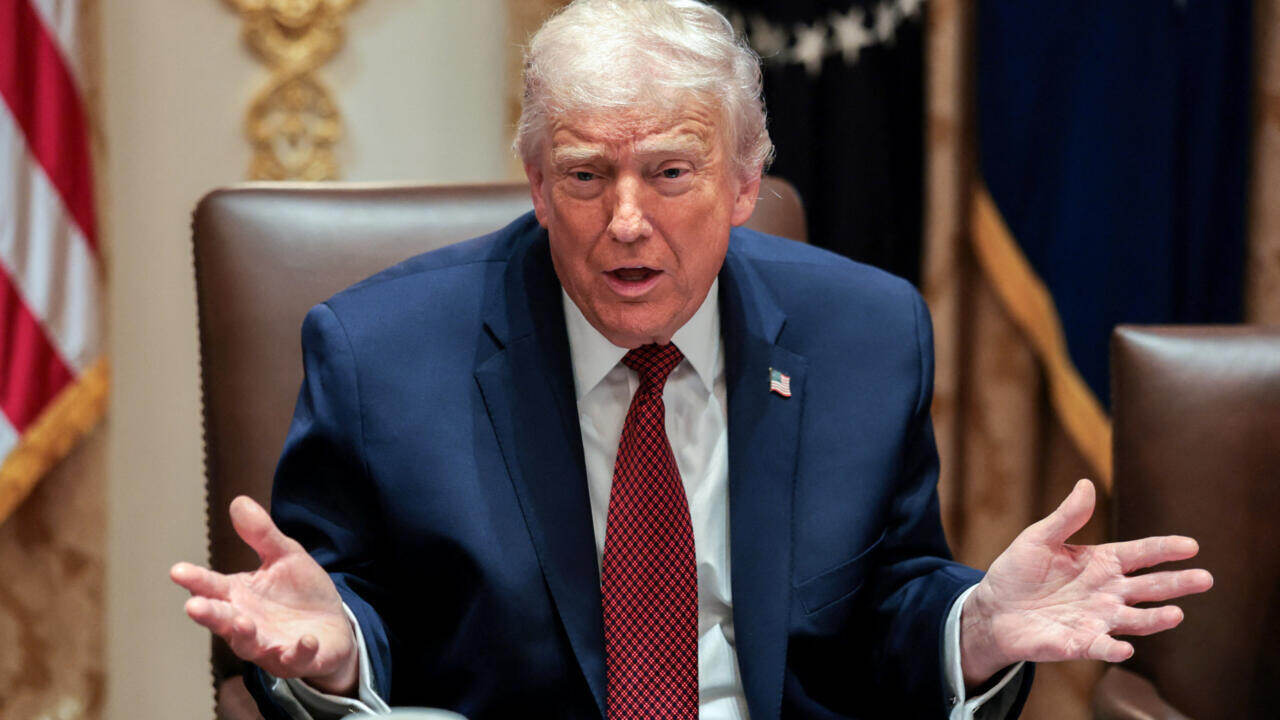
Faced with the lukewarm reception from allies, Trump could not hide his disappointment at a White House event. "Some countries are very proactive, some are not so proactive," he complained. "Some of these countries, we've been helping for years, but their proactiveness is not high."
Trump insisted that the United States, possessing the world's most powerful military, did not need assistance and that the request was merely a "test of how other countries would react." He also attempted to exert pressure based on energy dependence, pointing out that 95% of Japan's oil imports, 90% of China's, and 35% of South Korea's pass through the strait.
However, judging from the responses of various countries, both major European powers and Asia-Pacific allies are wary of being dragged into this Middle East conflict with no end in sight. For the White House, this diplomatic offensive of "escort" has evolved into an embarrassing test of its global leadership.Editor/Cao Tianyi
Comment





 Praise
 Collect
 Comment

 Share
Share


Write something~