 Search


- This move aims to solve the current dilemma of rapid channel growth but prominent structural bottlenecks
- Inject institutional impetus into the key routes of the the Belt and Road
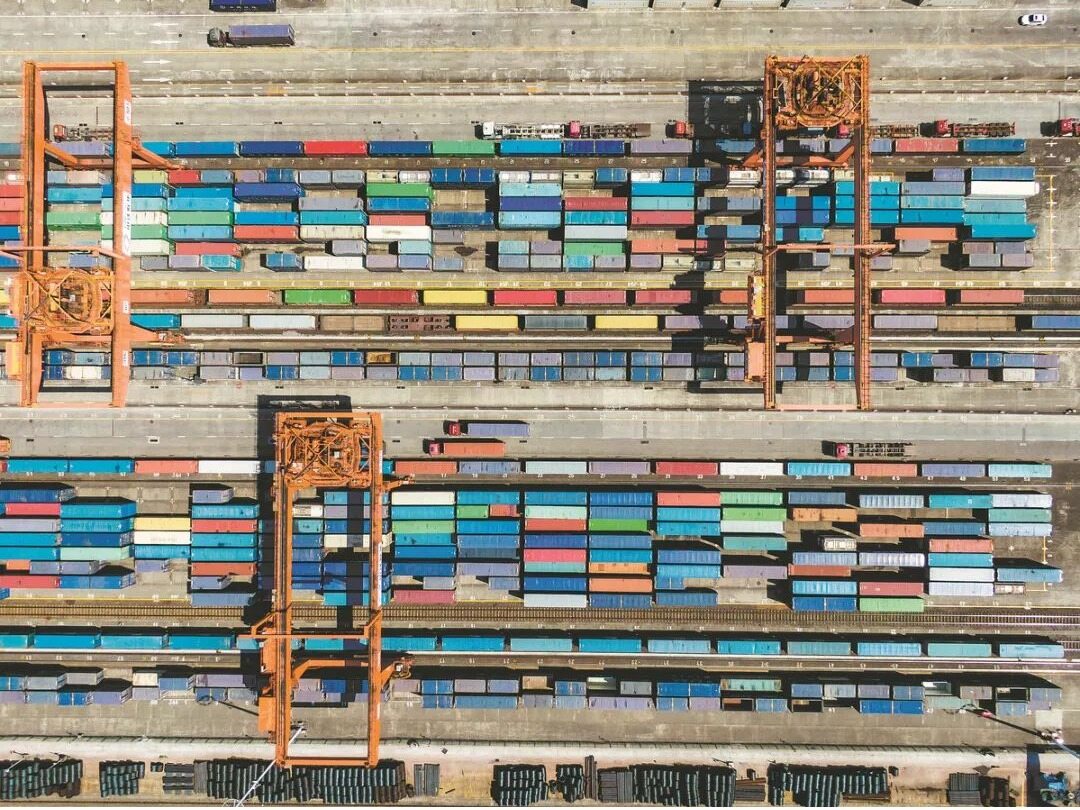
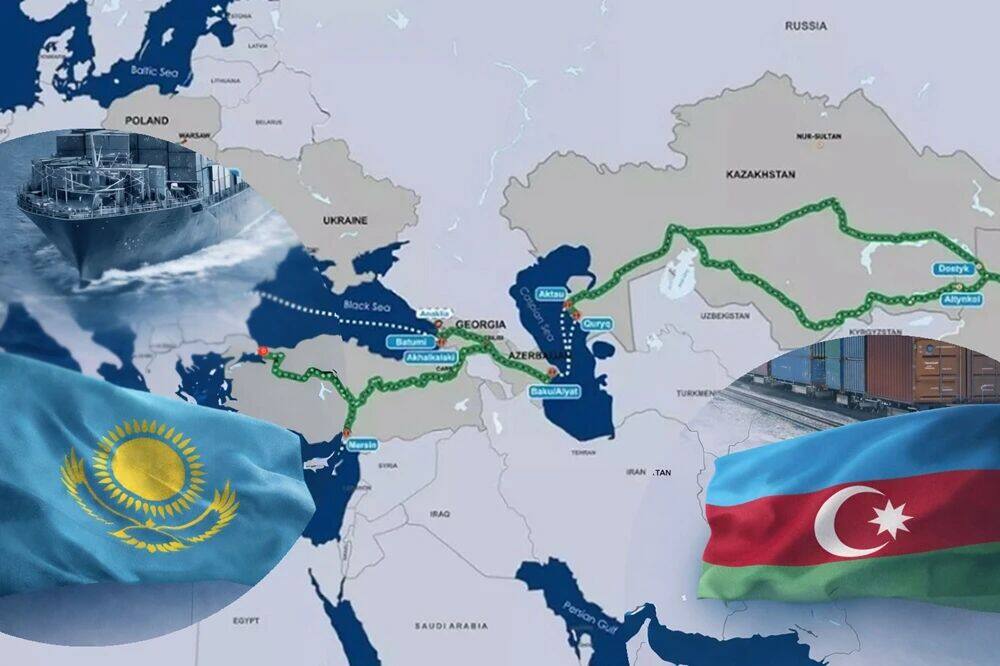
At Baku Port in Azerbaijan, hundreds of freight trucks are lined up in long lines, with drivers anxiously waiting in their cabins, sometimes delayed for several days. At the same time, on the surface of the Caspian Sea, shipping capacity is tight and it is difficult to find a box. This scene is a true epitome of the explosive and painful coexistence of the international transportation route across the Caspian Sea (also known as the "Middle Corridor"). This trade route connecting China and Europe, bypassing Russia, has seen a more than fivefold increase in freight volume over the past seven years. However, deep level issues such as manual labor, aging vehicles, diverse rules, and fragmented systems have constrained its potential like invisible shackles. A turning point is coming - Azerbaijan and Kazakhstan, two key countries on this corridor, are about to use a national level agreement to try to break these shackles together.
System fragmentation is the biggest pain point
According to the government to government agreement scheduled to be officially signed in the near future, Azerbaijan and Kazakhstan will elevate their cooperation on international transportation routes across the Caspian Sea from operational agreements between enterprises such as railways and ports to institutionalized cooperation at the national level. The World Bank predicts that by 2030, the freight volume of this channel is expected to climb from 4.5 million tons in 2023 to 10 to 11 million tons. However, behind the dazzling growth data lies the increasingly prominent issue of 'intestinal obstruction'.
At an important conference held in Bishkek in February 2026, a survey covering nearly 1900 companies from five countries along the route revealed the temperature difference between diplomatic statements and the reality on the ground. The problem is shocking: the port is severely congested due to completely manual scheduling, resulting in vehicle delays of 24-72 hours; About 90% of freight vehicles are over 15 years old; The shortage of drivers and logistics professionals is as high as 20% -30%; The differences in transportation rules among countries can even reach 40% -60%.
The research points out that the core issue is not the lack of digital systems in various countries, but rather the incompatibility between systems. Once the goods arrive at the border, electronic processes are often forced to revert back to the original manual operation mode, and electronic documents still need to be prepared in paper copies to ensure a minimum. In addition, the lack of a transparent and unified fee system has always been a key challenge for operators. These structural bottlenecks are difficult to coordinate solely with market enterprises and urgently require national intervention to break through.
From trade channels to security measures
Currently, the 'Middle Corridor' is under immense geopolitical pressure from both the North and South fronts. In the north, the conflict in Ukraine has severely hindered the traditional northern route through Russia, which has directly given rise to an urgent need for alternative routes by businesses, becoming the most direct driving force behind the surge in freight volume in the "middle corridor". The ongoing tension between Iran and Israel in the south poses a potential threat to the traditional southern sea route passing through the Strait of Hormuz and the Suez Canal.
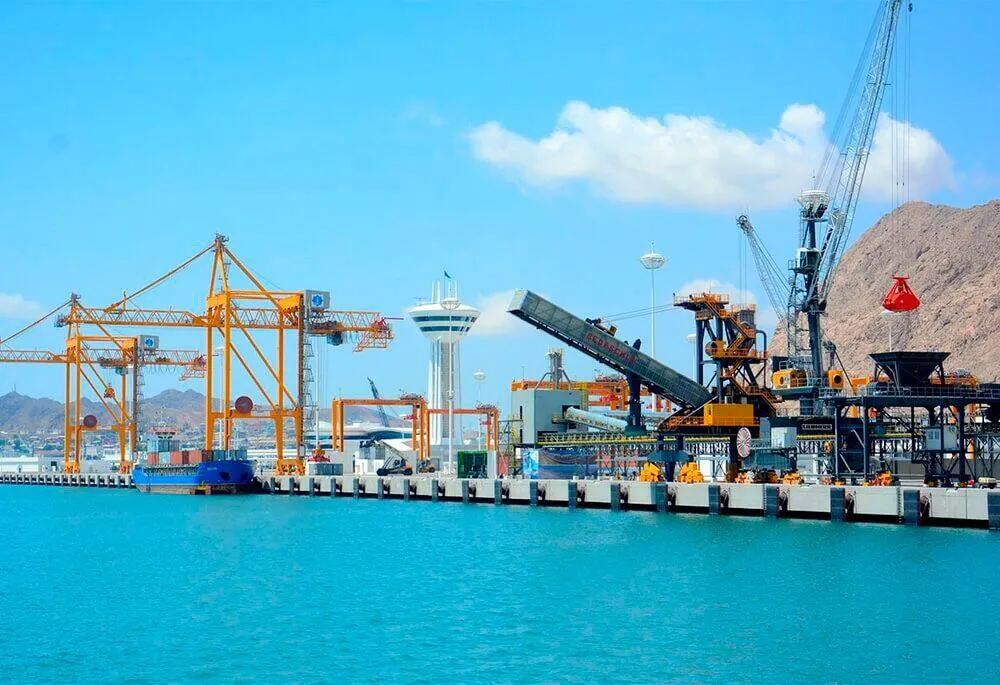
In this context, the function of the "middle corridor" has surpassed a simple commercial trade channel and evolved into a "strategic lifeline" that ensures the continuous rupture of economic ties between the Caspian Sea and the Black Sea region. It is particularly urgent to promote the institutionalization and stable construction of this channel. Because the stronger the infrastructure and the more unified the regulatory system, the stronger the ability of this channel to withstand external crisis impacts. Azerbaijan has placed an order to build two container ships and six multi-purpose ships to expand its Caspian Sea fleet, and the second phase of Baku Port is also planned to be fully operational by 2026. These are specific measures to strengthen the "lifeline".
American experts also pointed out a gap that needs to be filled: since February 2022, the route for transporting oversized and ultra heavy equipment via Russian inland waterways has been closed, and the "middle corridor" has not yet provided mature alternative transportation solutions for such special goods.
Multilateral collaboration and industrial hematopoiesis are the ultimate test
The bilateral agreement between Kazakhstan and Azerbaijan is a correct and necessary step, setting a precedent for state led cooperation. However, the Trans Caspian Sea Passage is essentially a system engineering involving multiple countries. The cooperation between Kazakhstan and Afghanistan cannot solve the unified pricing problem of the entire corridor alone, nor can it unify the customs and quarantine procedures of all countries along the route with just one click.
The industry generally calls for the establishment of a permanent regional coordination committee with the participation of both the government and the private sector, to develop clear and measurable performance indicators. In the past, discussions on industry segmentation and fragmentation had limited effectiveness, requiring a top-level, cross industry execution and coordination mechanism. Bilateral agreements are the cornerstone, but only by attracting more countries along the Belt and Road to participate in jointly building rules can a solid and unified institutional framework be established.
A deeper perspective suggests that the infrastructure of the channel should not be seen as a one-time "static project", but rather as a "dynamic system" that requires continuous operation and maintenance. The long-term cost of operation and maintenance has exceeded the initial construction investment, which means that the sustainability of the channel depends on whether sustained and active economic activities can be generated along the route.
Ultimately, the true value of the 'middle corridor' is not only determined by the volume and tonnage of transit cargo, but also by its ability to catalyze the development of high value-added industries such as raw material processing, international logistics hubs, and digital supply chain service platforms in the areas along the route. Otherwise, Central Asia and the South Caucasus region may still be just a "corridor" connecting the production-oriented East and the consumer oriented West - needed in geopolitics but still on the periphery in terms of economic value distribution.Editor/Yang Meiling
Comment


 Praise
 Collect
 Comment

 Share
Share


Write something~