 Search


- The three major energy storage companies in China have won a large order of over 4.7GWh in Latin America, demonstrating the advantages
- The landing of orders exceeding 4.7 GWh in Latin America is a manifestation of deepening energy cooperation between China
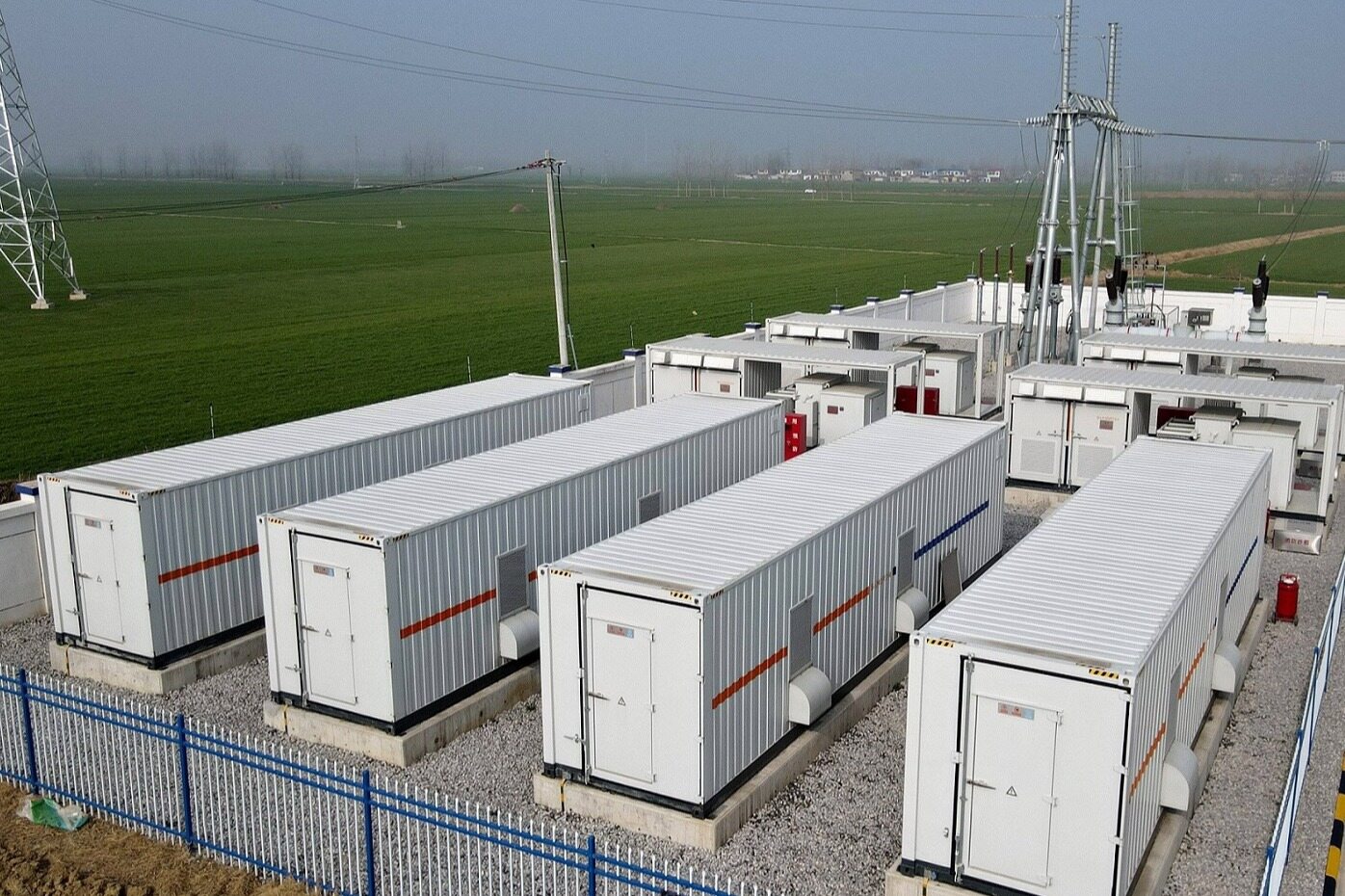
In the Atacama Desert of Chile, photovoltaic panels efficiently capture solar energy under the scorching sun, but due to weak local power grid infrastructure, a large amount of clean electricity is difficult to stably connect to the grid; In the Buenos Aires metropolitan area of Argentina, various factories are often shut down due to power grid fluctuations, resulting in incalculable economic losses.
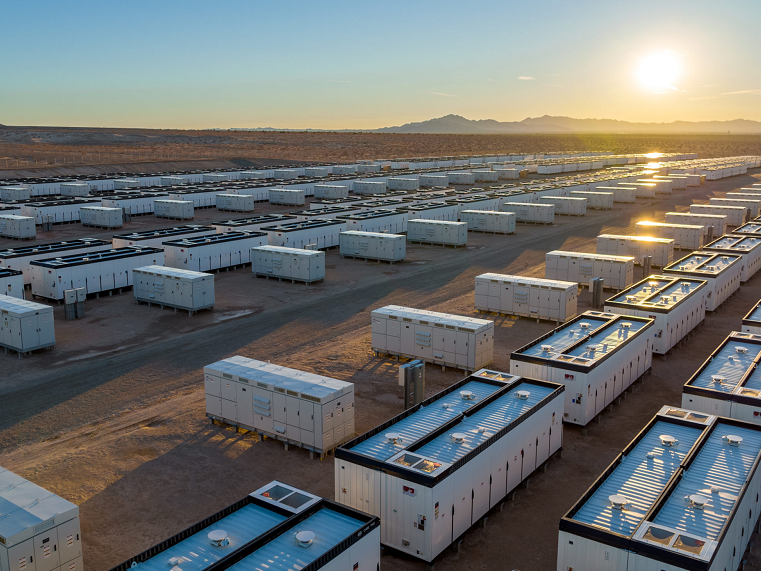
Latin America has access to the world's leading renewable energy resources, but is limited by the shortcomings in energy storage and transmission, leading to a bottleneck in energy transformation. As the competition in the energy storage markets of Europe and the United States becomes increasingly fierce, this continent full of potential and demand has become a new growth pole for Chinese energy storage companies to go global. Recently, BYD, CATL, and JinkoSolar Energy Storage, the three major Chinese energy storage giants, have been intensively acquiring GWh level heavy orders, with a total scale of over 4.7GWh. With Chinese technology and strength, they have broken through the energy transformation in Latin America and opened a new journey for China's global layout of energy storage.
4.7GWh order landed in Latin America
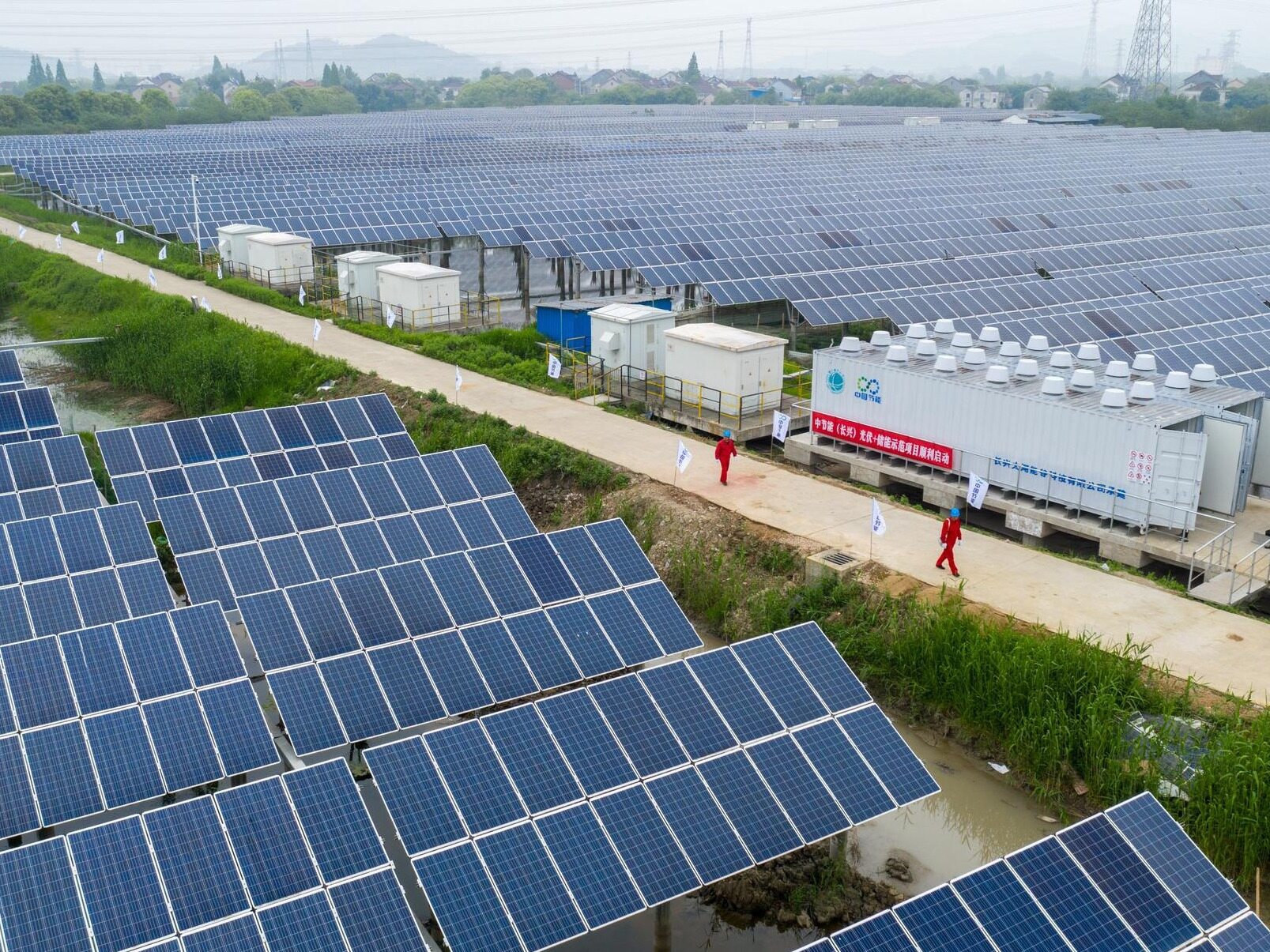
The three major energy storage companies in China are working together to expand their presence in the Latin American market, showcasing their core competitiveness through solid orders. BYD is the first to deliver good news, winning a large order of 2.6GWh energy storage in Chile. It will provide 468 sets of MC Cube-T energy storage systems for the central oasis solar storage project in Chile, which will be applied to four solar storage power stations. At present, some energy storage cabinets of the project have been loaded onto ships in Shenzhen and are expected to arrive at the site in mid April. The remaining equipment will be shipped in an orderly manner, and the power station is expected to be connected to the grid and put into operation in the second quarter of 2026.
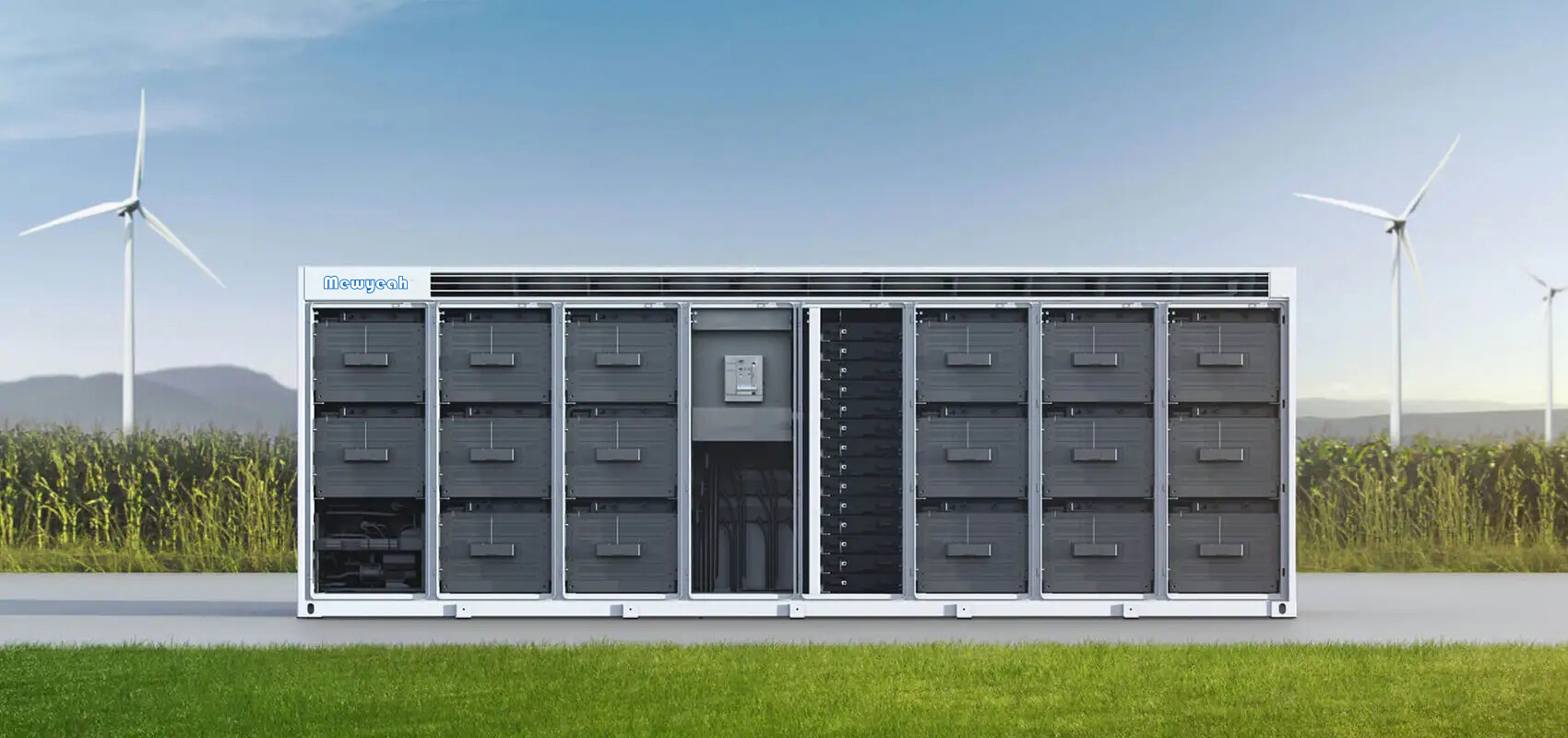
At the same time, CATL has achieved a major breakthrough in Argentina, advancing its first over 1.1GWh energy storage project to supply batteries for the local Central Puerto power plant. Currently, over 1GWh of equipment is being shipped to Argentina, and this project is expected to become the largest battery energy storage development project in Argentina. Jingke Energy Storage is also not to be outdone, signing a 1GWh Latin American energy storage order and adopting its own SunTera G3 energy storage system, mainly used in grid side and large-scale energy storage scenarios, to help improve the flexibility and stability of local grid operation.
Latin America becomes a new growth pole for going global
The intensive surge of Chinese energy storage companies in Latin America is driven by the huge market potential and sustained policy dividends released locally. The installed capacity of photovoltaic and wind power in Latin America is growing rapidly, but the infrastructure of the power grid is relatively backward. The intermittency of new energy generation leads to frequent abandonment of wind and solar power, and energy storage technology has become the key to solving the local energy transformation problem.
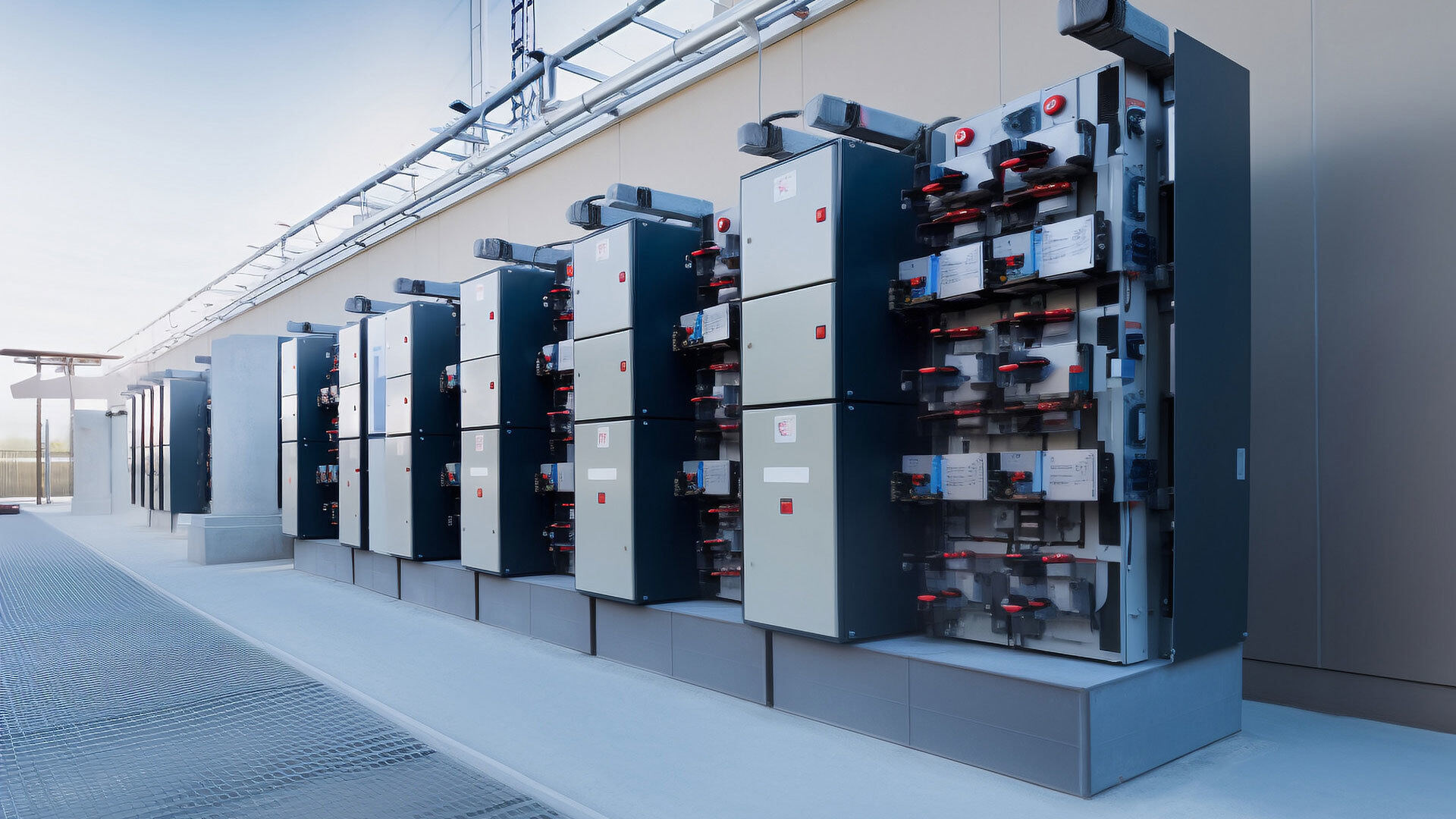
In order to activate the energy storage market, Latin American countries have intensively introduced favorable policies: Chile, as a leader, has provided policy support for independent energy storage projects through relevant laws and refined industry standards; Mexico implements a strong energy storage policy, requiring new wind and solar projects to be equipped with energy storage systems; Argentina launches energy storage bidding and dual track profit mechanism to reduce investor risk. According to Wood Mackenzie's prediction, the Latin American energy storage market is entering a period of explosive growth, with a total scale of 23GW by 2034 and an average annual growth rate of 8%. Chile is expected to occupy nearly half of the region's total capacity, indicating enormous market potential.
Advantages and challenges coexist
The reason why Chinese energy storage companies can quickly seize the Latin American market lies in the technological, cost, and delivery efficiency advantages brought by the full industry chain advantages. At the same time, by binding local partners and forming localized service teams, they effectively break through market barriers. Data shows that by 2025, 11 Chinese energy storage companies have secured 15 orders in Latin America, with a total scale of over 25GWh, covering multiple countries such as Brazil, Mexico, and Chile. However, the road to exploring the Latin American market is not smooth and still faces multiple challenges: imperfect regulatory systems in various countries, significant differences in compliance standards, and increased market access costs; Some countries are implementing localized procurement requirements, coupled with immature local supply chains, which increases the difficulty of project execution;
External risks such as exchange rate fluctuations and complex power grid connections also test the risk management capabilities of enterprises. In the future, as the localization layout of Chinese enterprises continues to deepen, they will further adapt to regional needs, promote the internationalization of China's energy storage technology and product standards, and achieve win-win development with the Latin American market. Editor/Yang Beihua
Comment

 Praise
 Collect
 Comment

 Share
Share


Write something~