 Search


- China Indonesia energy cooperation is shifting from simple project construction to full industry chain cooperation
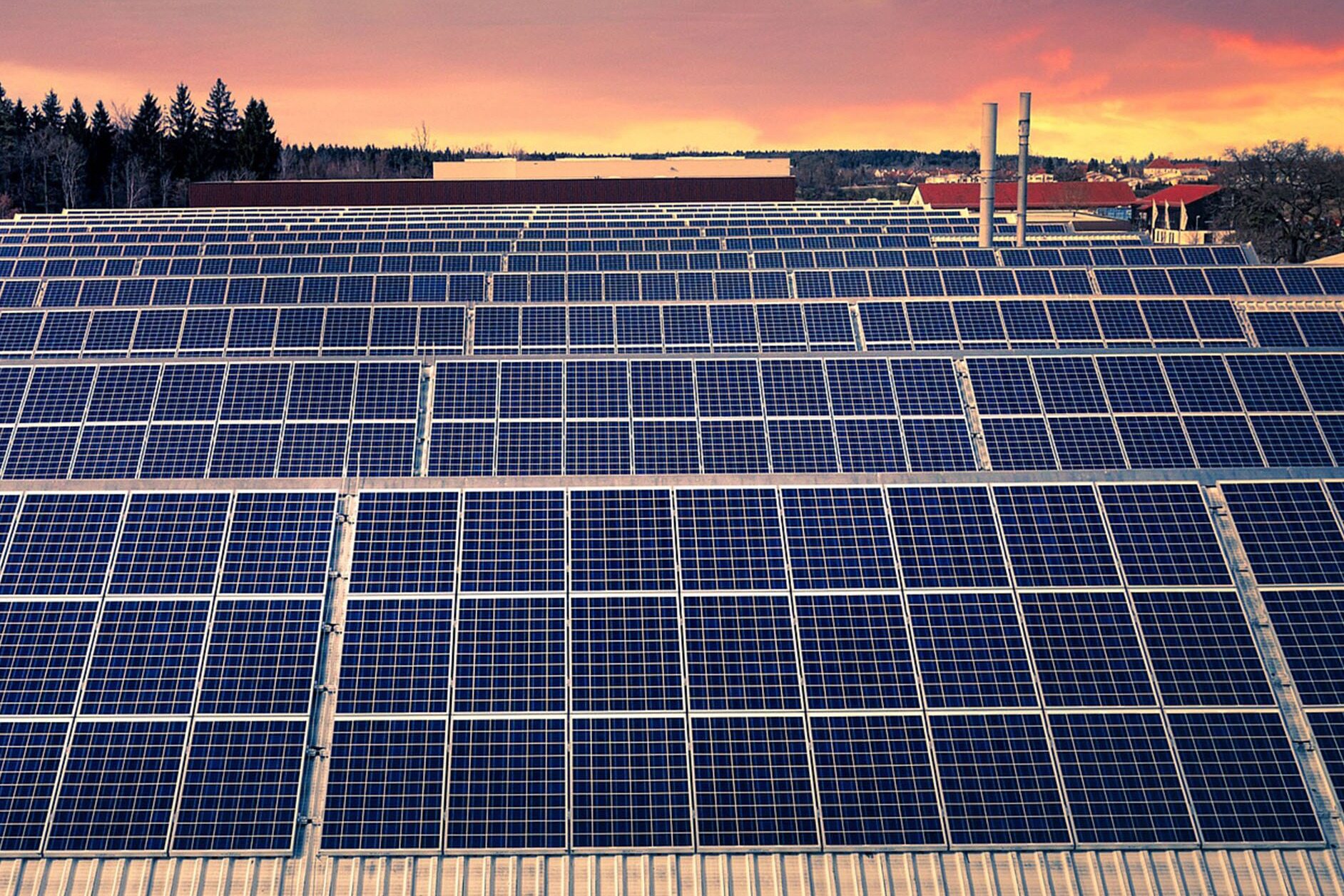
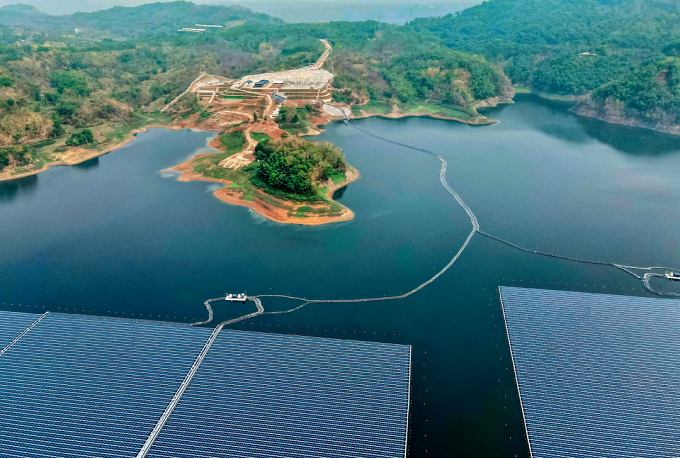
On the calm lake surface of the Jirata Reservoir in West Java, Indonesia, millions of deep blue glow boards shine brightly in the sunlight. This largest floating photovoltaic power station in Southeast Asia is constructed by China Power Construction Corporation and is a microcosm of energy cooperation between China and Indonesia. From President Prabowo's visit to China after taking office and signing over $10 billion in agreements, to the joint investment of sovereign wealth fund Danantara and China Investment Corporation in strategic industrial projects, China Indonesia energy cooperation is shifting from simple project construction to full industry chain collaboration, providing practical examples for developing countries to explore economic autonomy and modernization.

Risk sharing to overcome funding bottlenecks
For a long time, funding has been a bottleneck restricting Indonesia's energy transition. The Western led Fair Energy Transition Partnership agreement promises $20 billion, but the funding disbursement rate is less than 6% by the end of 2025. In February 2025, Indonesia launched the sovereign wealth fund Danantara, integrating nearly $1 trillion in state-owned assets. The first major move of the fund after its establishment was to cooperate with China Investment Corporation and reach an intention to invest in strategic industrial projects that Western capital considers too risky in May 2025. This risk sharing model effectively alleviates the asset liability pressure of Indonesia's national power company, establishing a financial barrier to resist changes in the US dollar exchange rate through local currency settlement or equity swaps.
Export Chinese standards for the entire industry chain
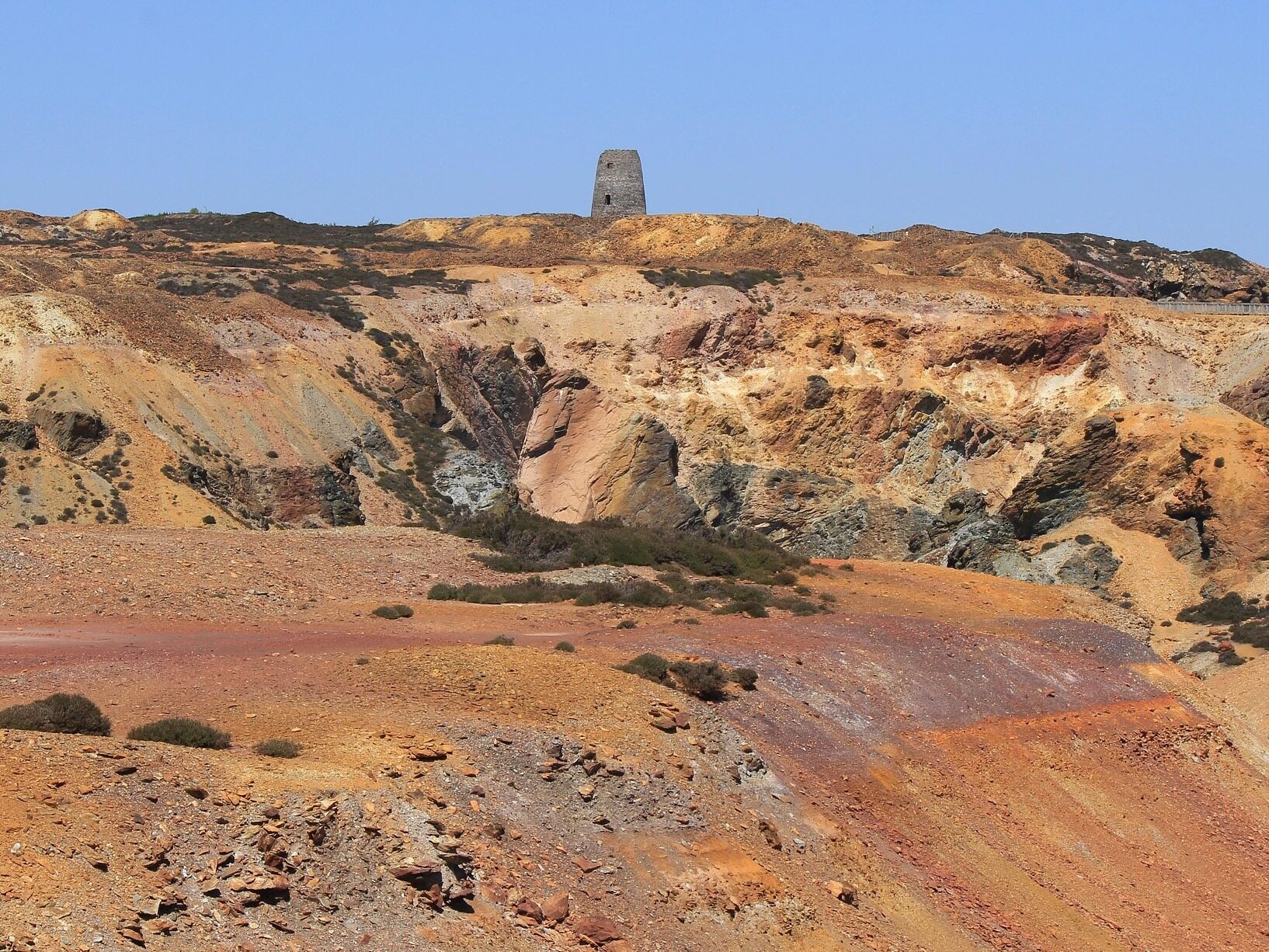
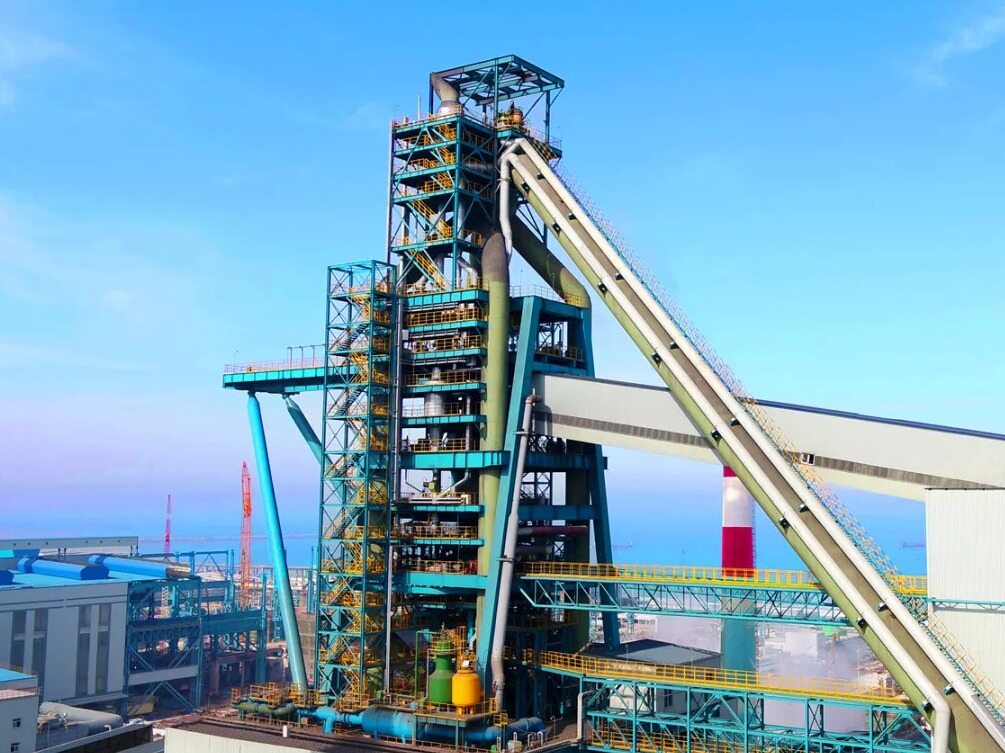
In industrial parks on Sulawesi Island and the Maluku Islands, Chinese companies represented by Qingshan Holdings and Huayou Cobalt bear about 85% of Indonesia's battery grade nickel production capacity. Chinese companies have solved the problem of extracting battery grade nickel from low-grade laterite nickel ore by introducing high-pressure acid leaching technology, changing the global nickel supply pattern. At Morowali Industrial Park, the Metallurgical Engineering Master's Program jointly established by Greenmei and the Indonesian government has trained nearly a hundred local engineers, achieving the localization of talents from Chinese masters leading apprentices to Indonesian engineers independently leading classes. Meanwhile, BYD, Wuling, and Chery hold over 70% of the Indonesian electric vehicle market share, while Yutong and BYD's electric buses have become the mainstay of Jakarta's dedicated buses. Chinese standards are becoming the de facto standard for the electrification of public transportation in Indonesia. Keywords: Infrastructure Engineering News Network, Photovoltaic, Battery
Green Manufacturing and Oriental Wisdom
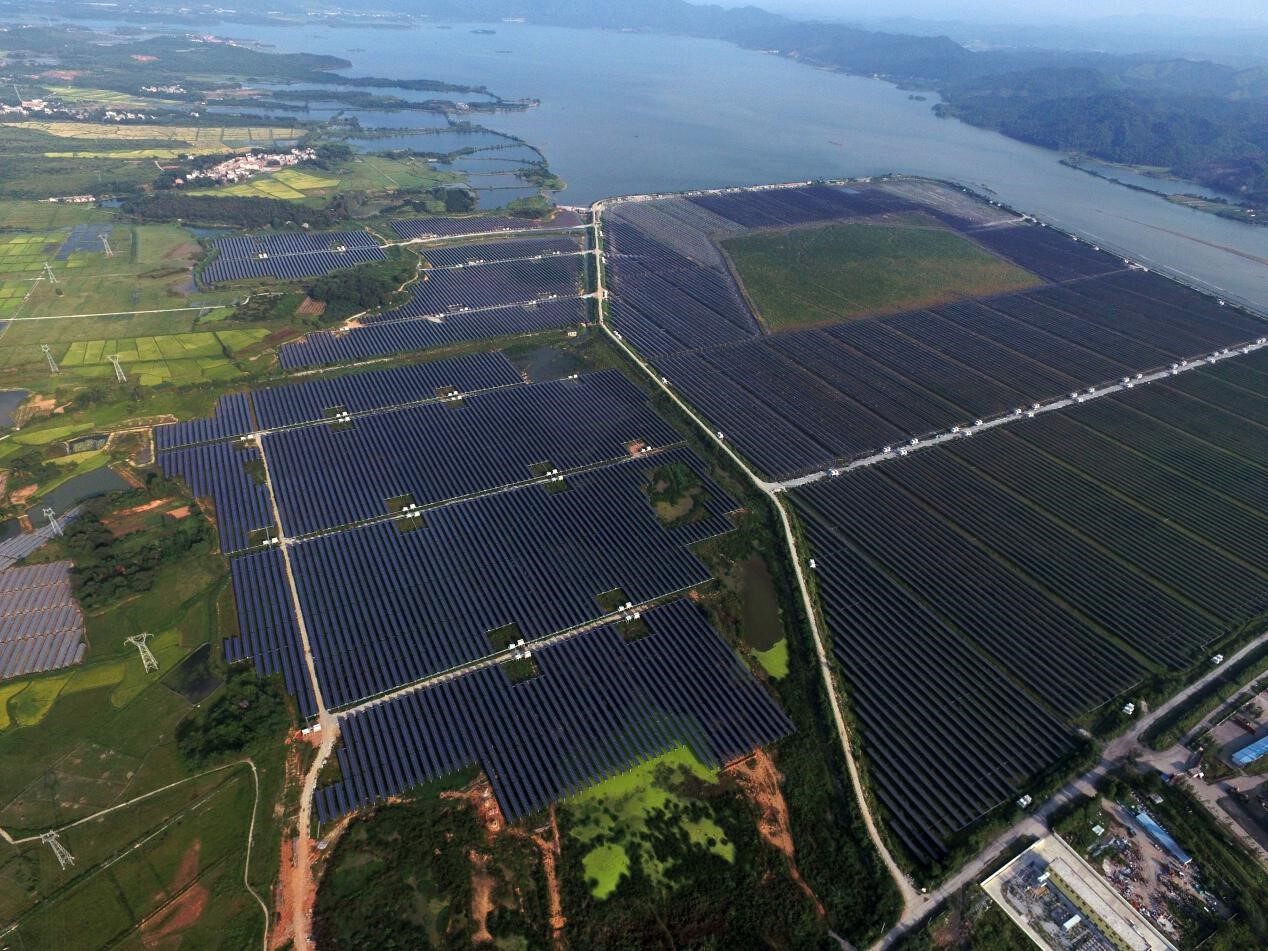
In June 2025, Trina Solar will put into operation a 1GW battery and module factory in Kendal Industrial Park, filling the gap in midstream photovoltaic manufacturing in Indonesia. The cooperation between the two parties will shift from a buying and selling relationship to manufacturing capacity output. China Energy Construction has signed a photovoltaic hydrogen production and ammonia synthesis project on Batam Island, with plans to export to Singapore. In order to resolve the contradiction between energy consumption and environmental protection in nickel smelting, Chinese enterprises have built large-scale integrated solar energy storage projects in industrial parks, achieving carbon emission reduction through ammonia coal mixed combustion technology. The Indonesian government is forcing companies to improve their technology through carbon taxes and stricter emission requirements, just as Indonesian Minister of Marine and Investment Coordination Luhut said: We cannot let people go hungry just to meet others' environmental standards. China has provided us with tools for development and is also working with us to find ways to turn green.Editor/Gao Xue
Comment

 Praise
 Collect
 Comment

 Share
Share


Write something~