 Search


- From Cabine to Moxico, new airports in four provinces will fill the gap in inland aviation
- From Roan to Cabinda, a cluster of ports represented by Cayo Port, one of the largest deep-water ports in Africa, is reshaping the sea route
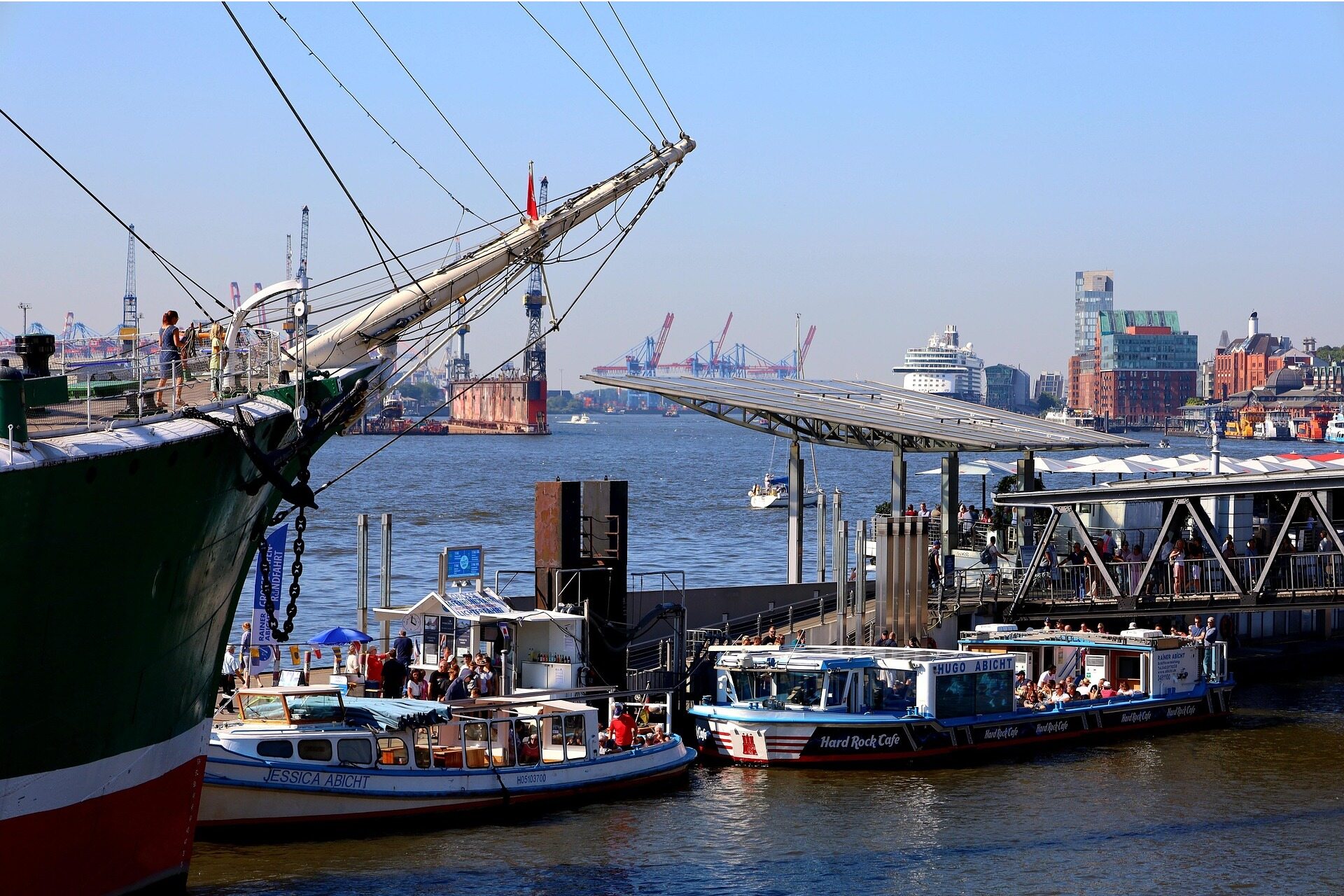
Angolan President Jo ã o Lorenzo recently signed an executive order to elevate the construction of transportation infrastructure to the core strategic level of national economic growth. A new wave of airport construction covering four provinces and a deep renovation plan for coastal ports have been launched simultaneously, aiming to break the geographical constraints of inland provinces, build Luanda into an aviation hub in southern Africa, and reshape the logistics pattern through the construction of deep-water ports such as Cabinda Cayo. This is not only a shortcoming in infrastructure, but also a crucial leap for Angola's attempt to break away from oil dependence and diversify into logistics, trade, and manufacturing industries.
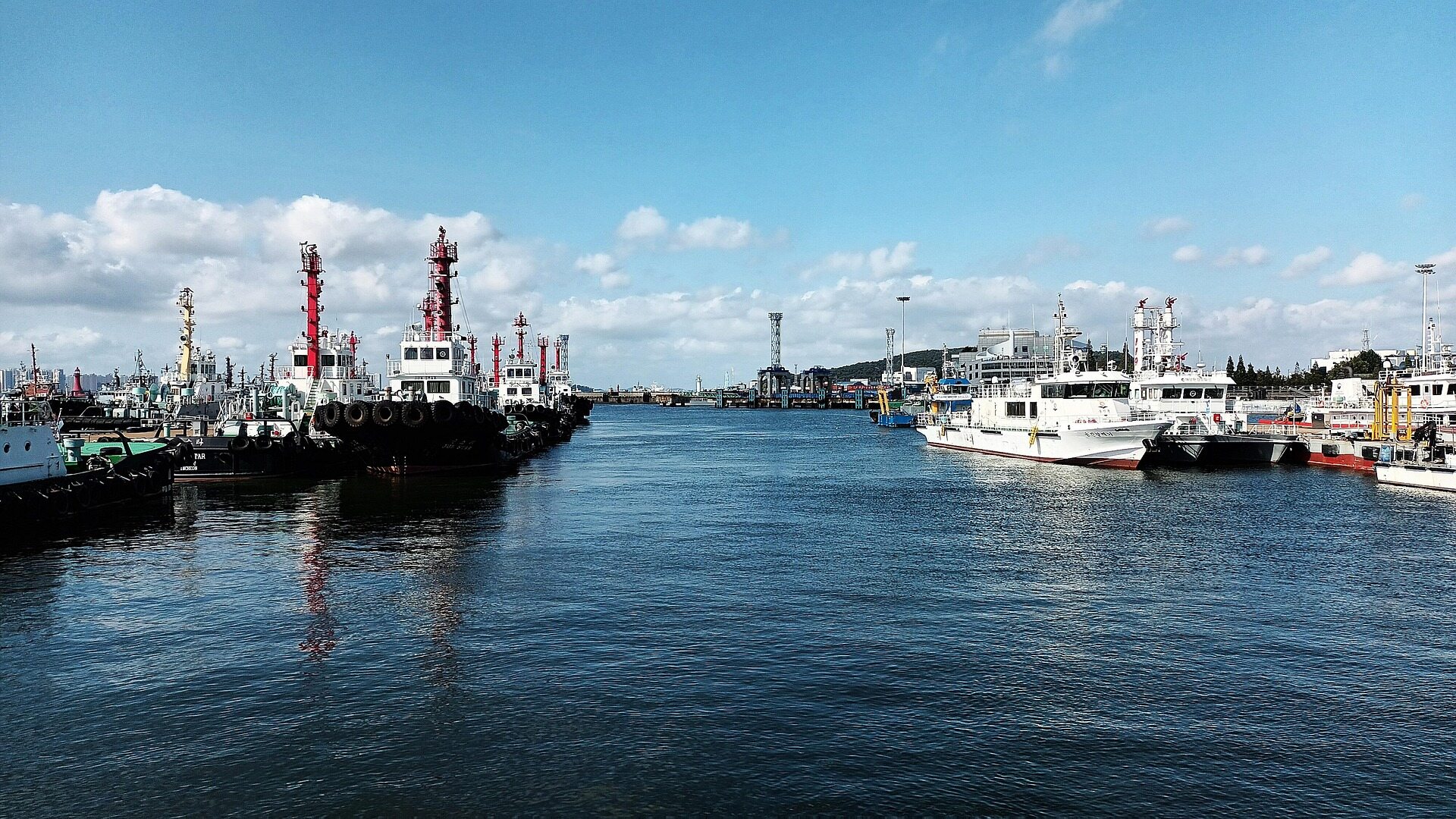
Four provinces fly together, reshaping the efficiency of inland connectivity
For a long time, Angola's vast inland areas have had high logistics costs and difficulty in sinking industries due to transportation blockages. This new policy focuses on building new airports in four provinces: Cabinda, Zaire, Kuando Kubango, and Moxico, and comprehensively upgrading existing airports in each province and city. This layout is not simply about sprinkling pepper, but aims to bridge the physical barrier between resource rich areas and consumer markets.
With the expansion of Dr. Juan Antonio Agostino Neto International Airport and the renewal of Angola Airlines' fleet, Luanda is seeking to become a regional aviation hub connecting inland Africa and the South Atlantic.
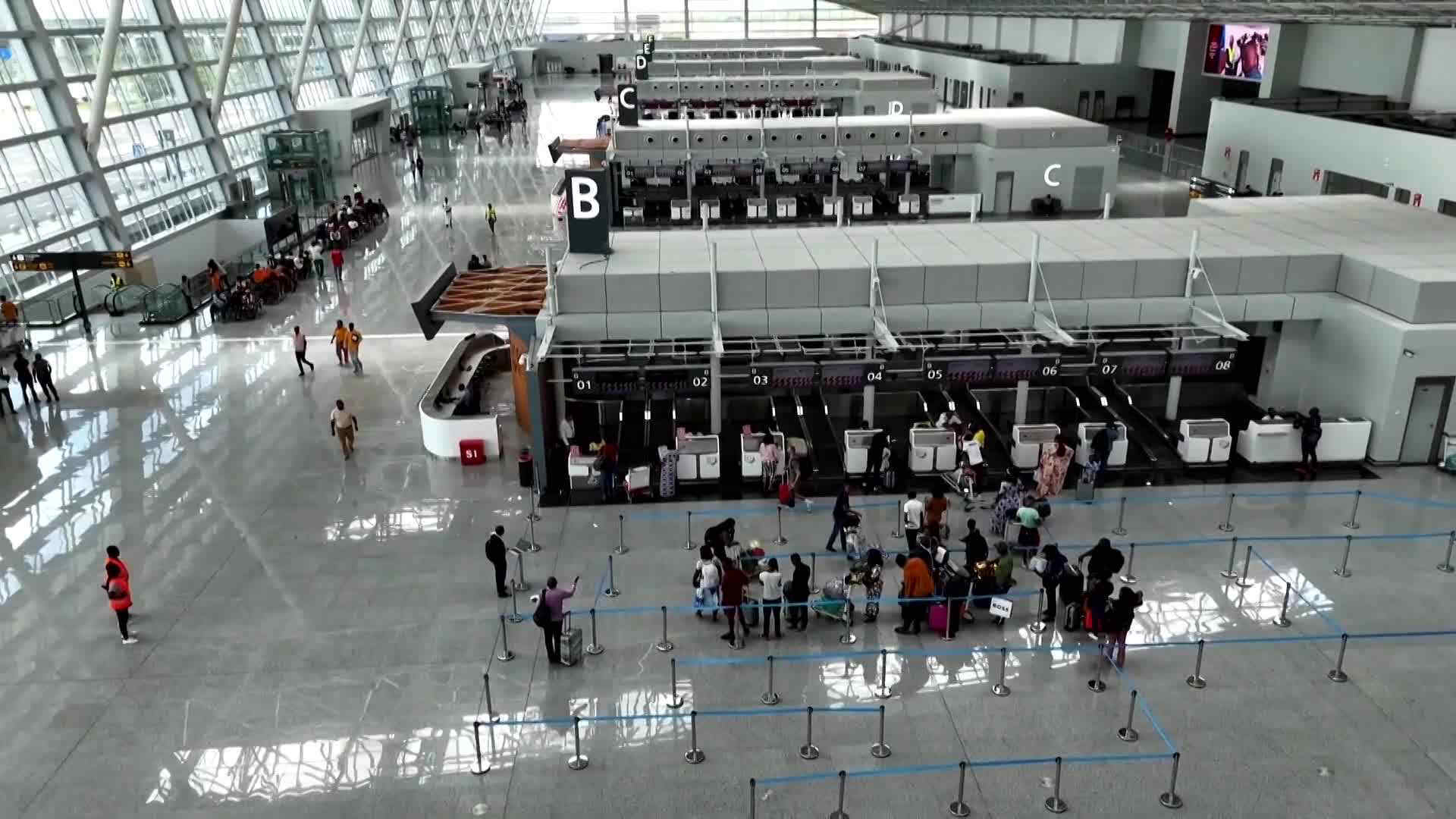
For foreign investors, the sinking of airport networks means that their investment tentacles can be more safely extended to inland provinces that were previously difficult to reach; For local small and medium-sized enterprises, a denser air freight network will significantly compress the circulation cycle of high value-added goods and activate local commercial vitality.
Deepwater ports drive corridor economy
If the airport solves the problem of connectivity, then the port is the key to connecting Angola.
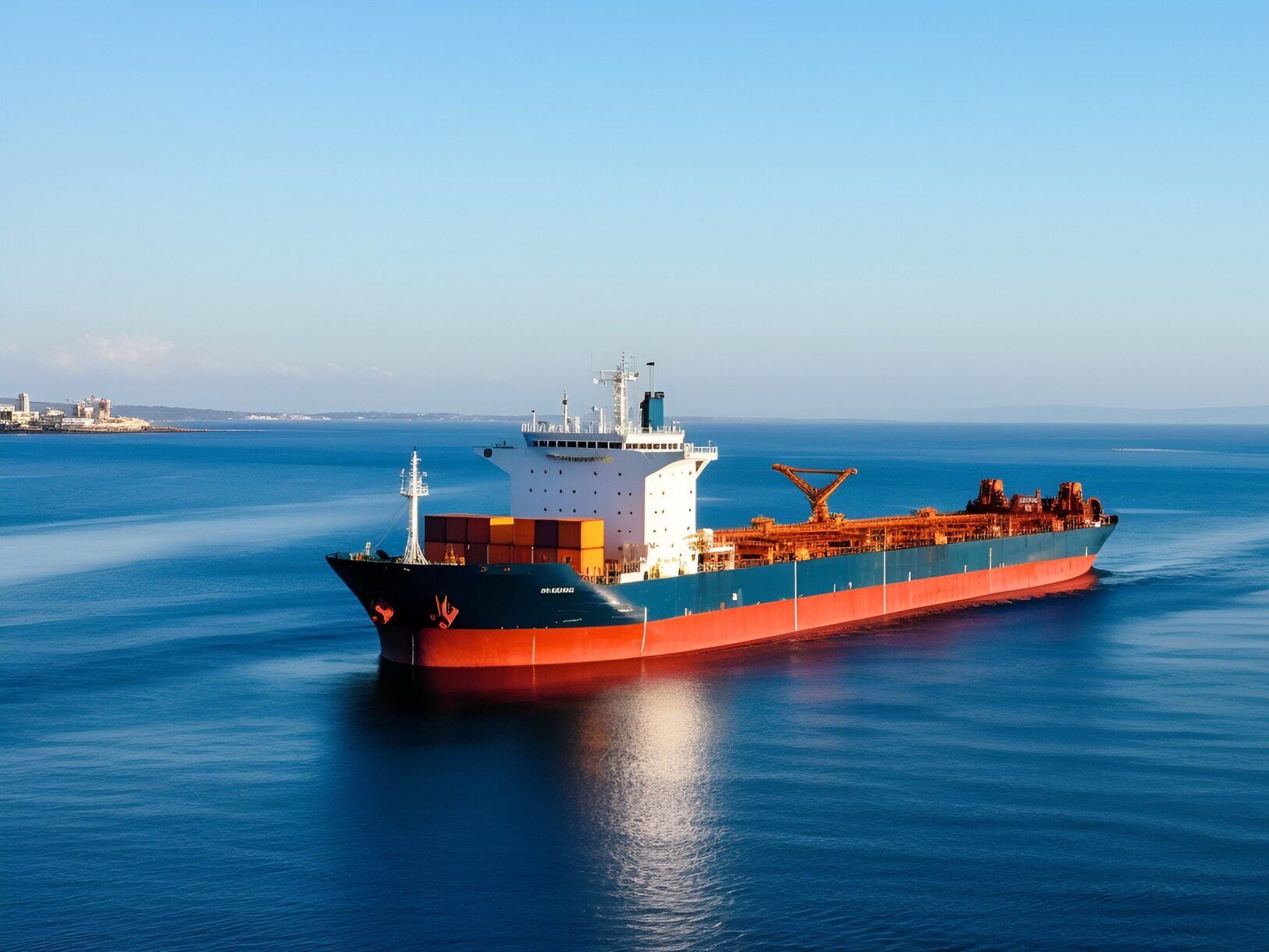
In addition to the continuous modernization of Luanda Port, Lobito Port is positioned as the core engine of the corridor economy, and the highly anticipated Cabinda Cayo Port, one of the largest deep-water ports in Africa, is about to be completed, which will completely change the logistics flow direction in Angola and even eastern Congo.
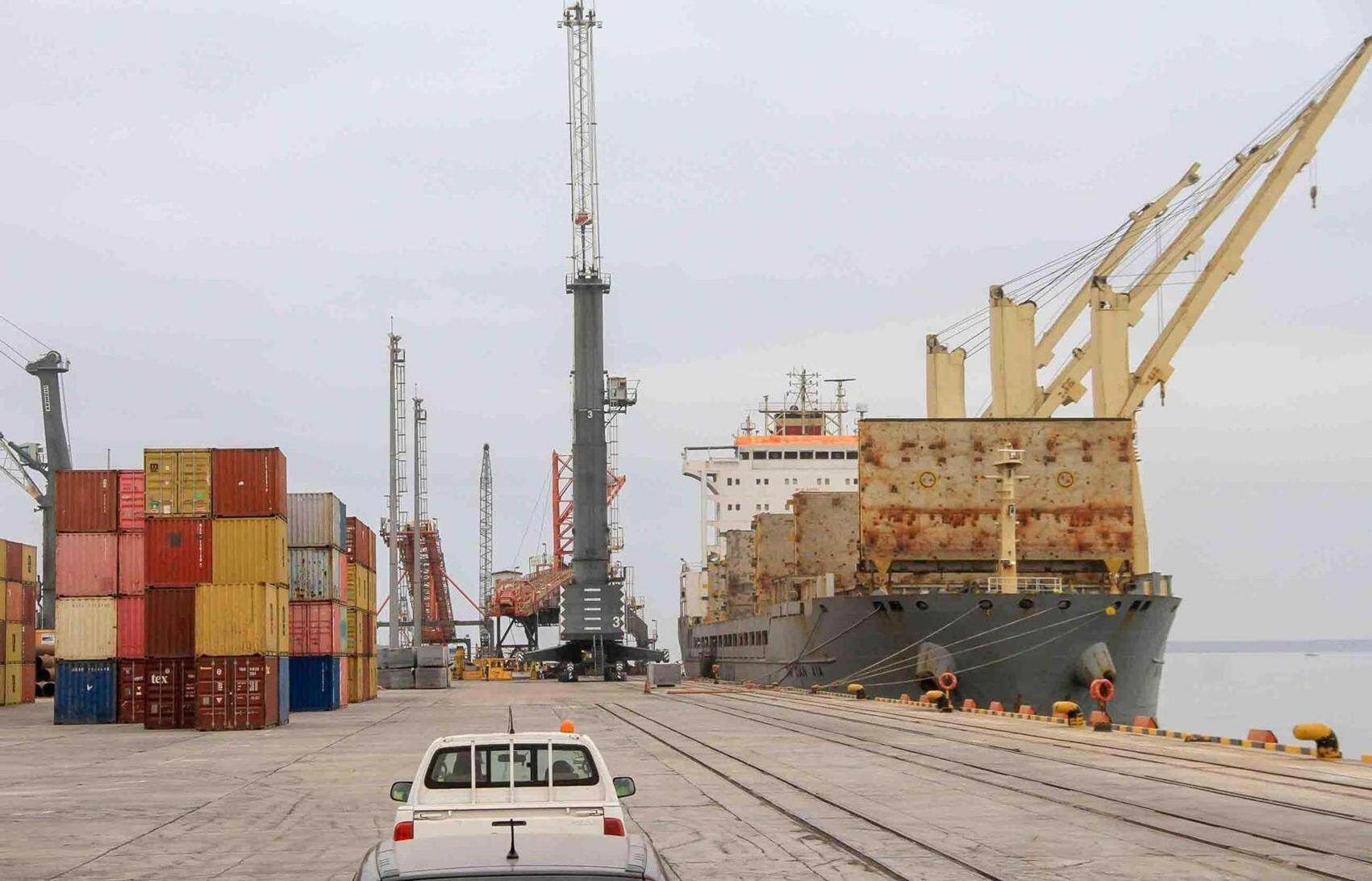
The dual wheel drive of airport and seaport is building a national level logistics artery. Inland minerals and timber can be exported faster, and imported equipment and consumer goods can be imported at a lower cost inland. Keywords: international, logistics, transportation
With the breakthrough of infrastructure bottlenecks, Angola is attempting to leverage its geographical advantage along the Atlantic coast to transform from a mere crude oil exporting country to a regional logistics hub. The logic of the Lorenzo government is very clear: with good transportation, all industries thrive. Against the backdrop of intensified fluctuations in the oil economy, this web woven by airports and ports may be the true ballast of Angola's economy.Editor/Cheng Liting
Comment




 Praise
 Collect
 Comment

 Share
Share


Write something~