 Search


- While the US and Israel bombed Iran, China was rebuilding the Middle East.
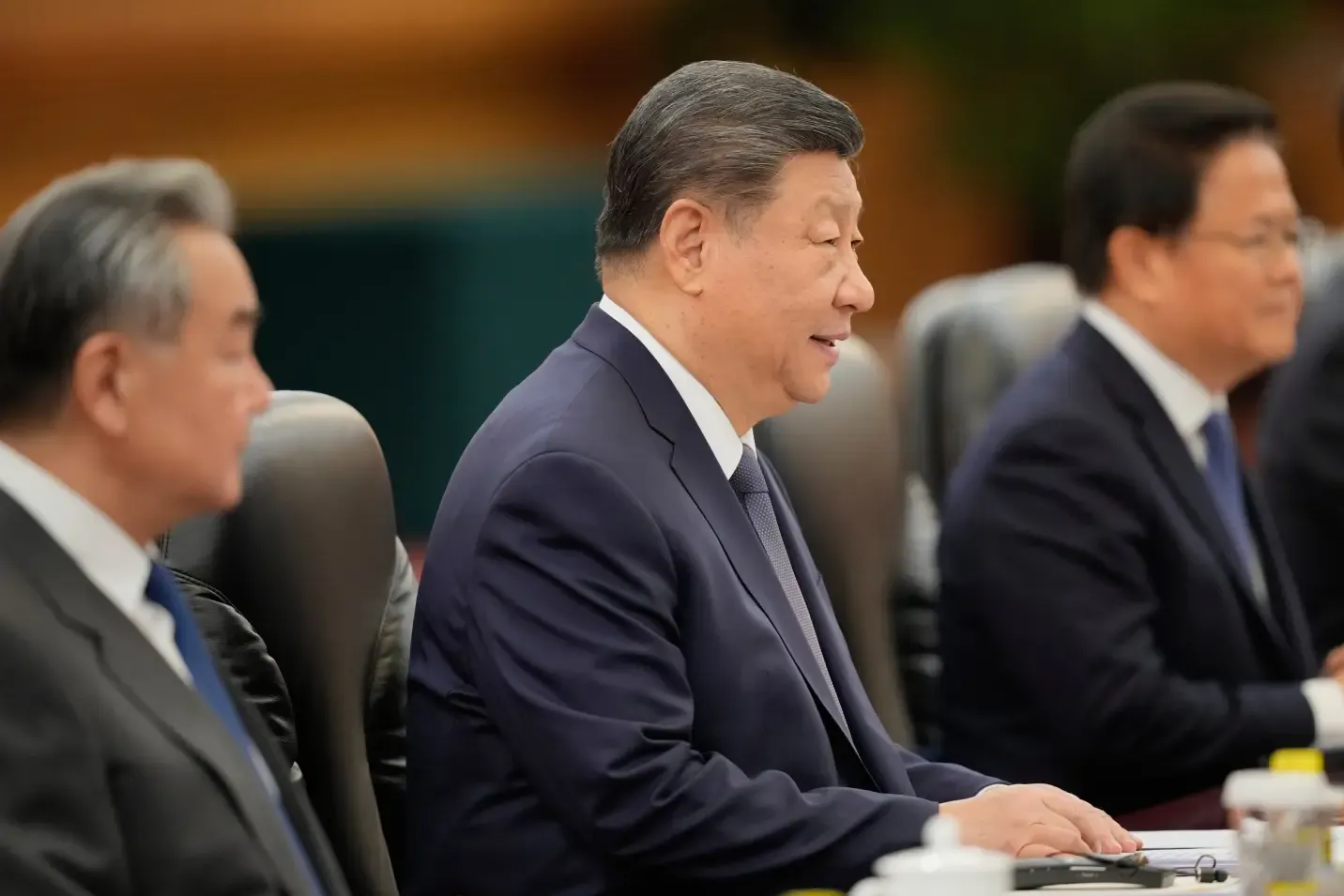
ISLAMABAD/BEIJING — While the United States and Israel wage war on Iran, choking the Strait of Hormuz to a trickle of just 400,000 barrels per day, a parallel reality is unfolding across the world’s most volatile regions — one built not on bombs but on bridges. From the bombed-out power plants of Syria to the shattered highways of Ukraine, Chinese cranes, cables and concrete are quietly becoming the world's most reliable infrastructure of last resort.
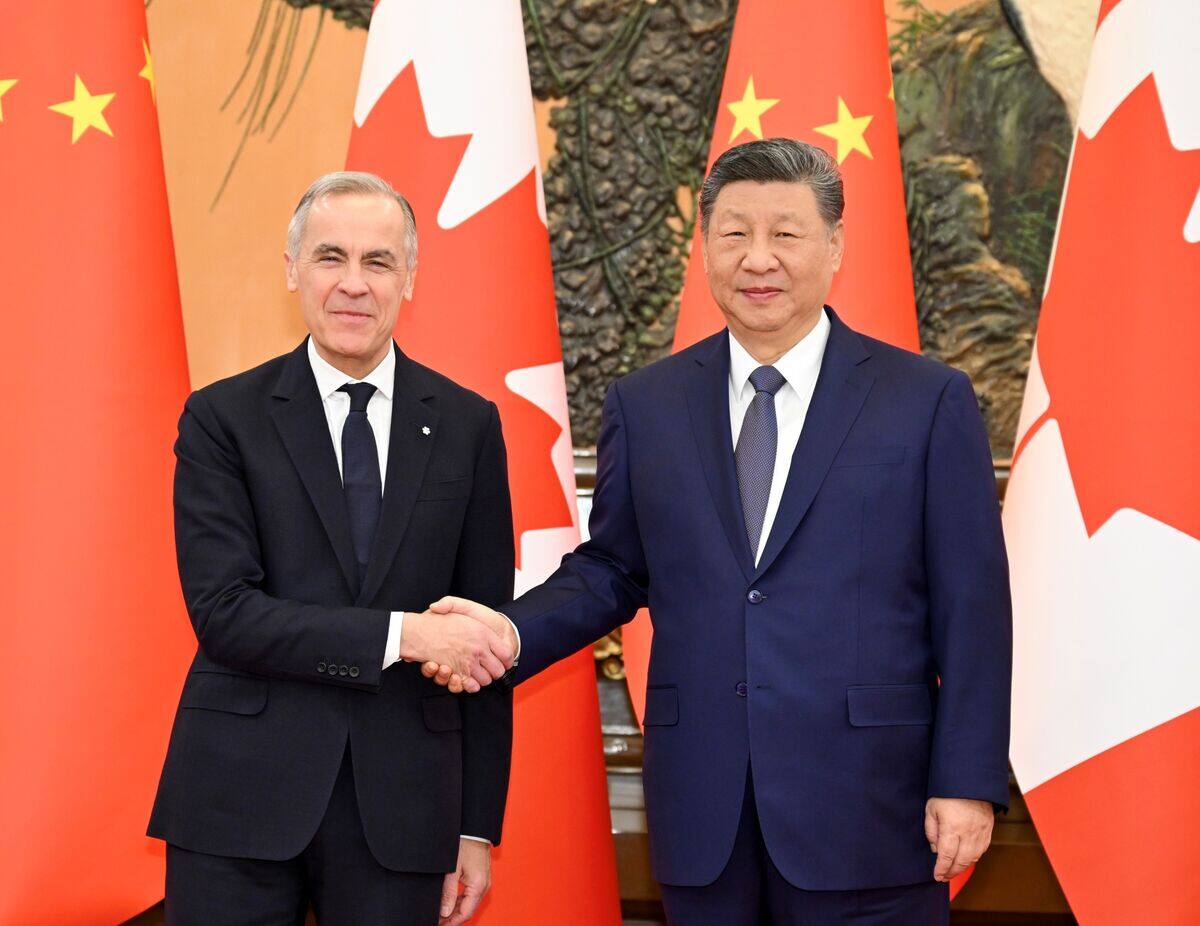
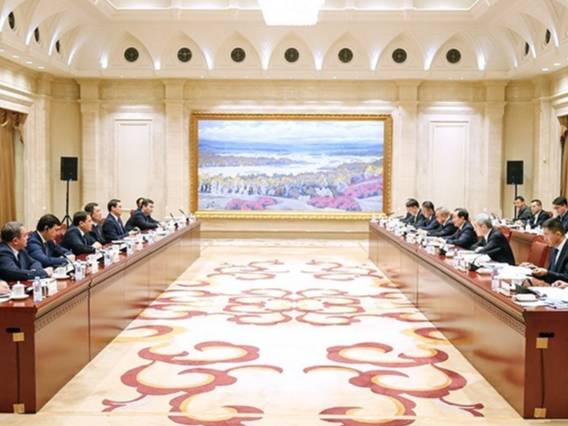
The timing is not coincidental. As the drums of war grow louder in West Asia, a quiet diplomatic countercurrent has swept through Beijing. Since the beginning of 2026, leaders from South Korea, Canada, the United Kingdom, Finland, Germany, and Ireland have all made the journey east — a lineup that includes America's most trusted allies. South Korea’s President Lee Jae-myung signed 15 government agreements and 32 business MOUs, while Canadian Prime Minister Mark Carney declared a “new strategic partnership.” Even the White House, despite the noise from Washington, has signaled plans for an April visit by Donald Trump.
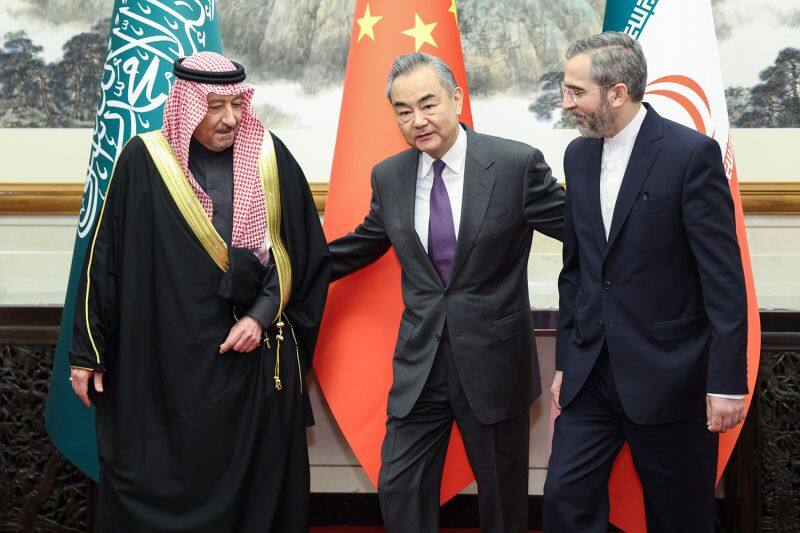
What makes this moment different is not just the volume, but the urgency. Western leaders are no longer traveling to Beijing to lecture on human rights or lecture about “overcapacity.” They are coming to secure something far more precious in an age of war: economic predictability. And for that, they need China. Trade between China and Arab nations surged tenfold between 2004 and 2024, hitting $407 billion, making Beijing the top trading partner of every Arab country and Iran alike.
But the deeper story lies beyond the boardrooms. China's post-conflict reconstruction strategy is taking shape across multiple battle-scarred theaters — and it offers a blueprint for what “stability” might actually look like after the fighting stops.
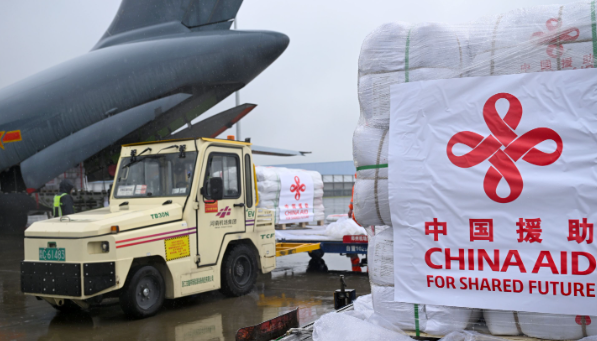
From Iraq’s Basra port to Syria’s shattered power grid, Chinese companies are positioning themselves as the principal architects of Middle Eastern reconstruction. The China Power Construction Corp. has emerged as a core contractor for emergency power repairs, seawater desalination, schools, hospitals and cement factories across Iraq, Syria and Lebanon. In the Gaza Strip, the focus is on temporary housing and desalination units; in Lebanon, grid repairs and photovoltaic solar arrays. Across the Gulf states, Chinese firms are building green energy complexes and advanced desalination facilities, aligning with Saudi Arabia’s Vision 2030 and Kuwait’s “2035 National Vision.”
Meanwhile, the reconstruction of Ukraine — estimated at over $580 billion over the next decade — has become an open question of who will rebuild it. Nearly 40 percent of the country’s power generation capacity lies in ruins, and 24,000 kilometers of roads require complete reconstruction. China’s state-owned giants — China Railway Construction Corp., China Communications Construction Co., and China Power Construction — are among the world’s most experienced infrastructure builders, having completed hundreds of projects across Africa, Southeast Asia, and Central Asia under the Belt and Road Initiative. Yet political headwinds remain: Western nations have moved to restrict Chinese participation, even as Ukraine’s president has publicly called for Chinese assistance in both postwar recovery and peace negotiations.
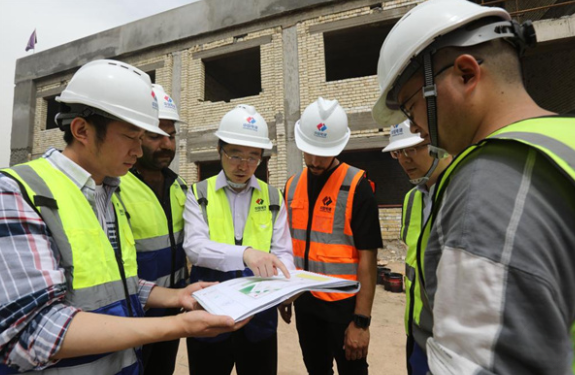
This is not philanthropy. It is pragmatism at a planetary scale. Chinese firms are deploying what analysts call the “whole-industry-chain” model — exporting not just steel, but engineering standards, digital management platforms, and long-term operational expertise. And it is winning converts. Saudi Arabia recently signed a 100,000-unit housing deal with Chinese contractors, explicitly citing their speed, quality, and ability to deliver on a massive scale. Kuwait has inked its landmark Mubarak Al-Kabeer Port contract with China Communications Construction, marking the first time Chinese engineering standards are being applied to a major Middle Eastern port project.
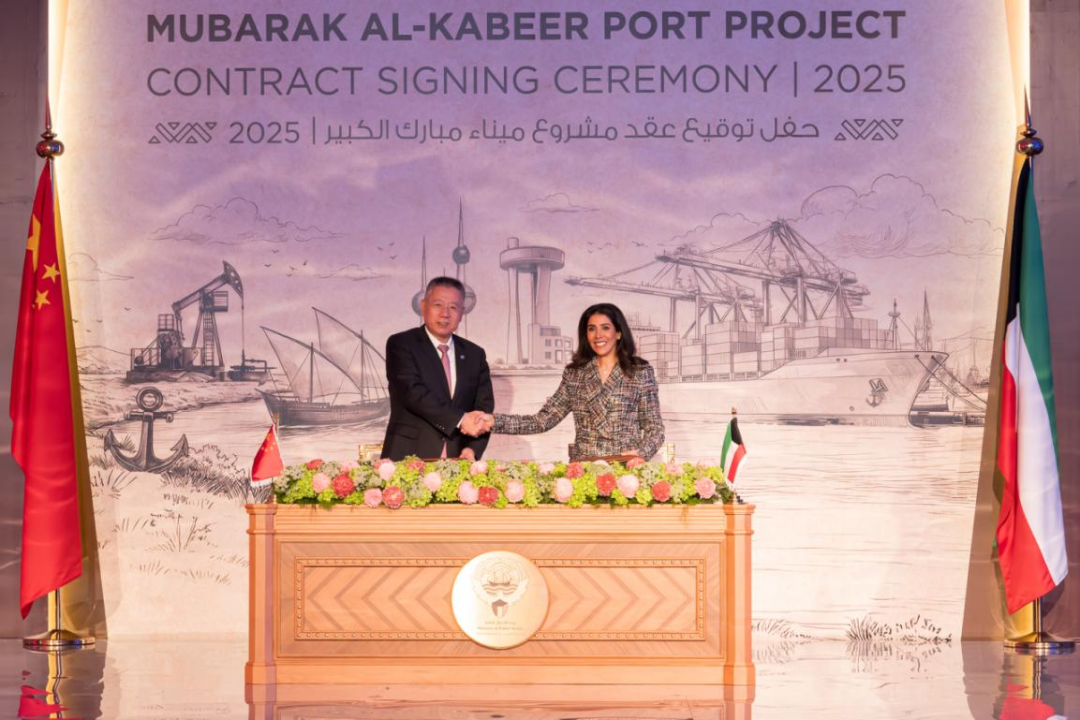
“This fully demonstrates the profound friendship and cooperation between China and Kuwait,” said Kuwaiti Prime Minister Ahmad Al-Abdullah Al-Sabah at the port signing ceremony in December.
Whether on the banks of the Tigris or the Dnieper, in the deserts of Saudi Arabia or the rubble of Gaza, one pattern is emerging. As one global power bombs, another builds. As one draws red lines, another draws blueprints.
In a world of rising conflict, China has become the world's bottom line for stability — not because it seeks conflict, but because it knows how to rebuild after it ends.Editor/Cao Tianyi
Comment


 Praise
 Collect
 Comment

 Share
Share


Write something~