 Search


- Indonesia's stable policy towards China provides important certainty for regional cooperation in Southeast Asia

On April 8, 2026, the new Indonesian government after the general election released a clear signal of its China policy to the outside world. The new government stated that it will fully continue the tone of friendly cooperation with China, continue to prioritize bilateral relations in diplomacy, and maintain high-level exchanges and strategic communication. The key areas of cooperation include the follow-up operation and expansion of the Jakarta Bandung high-speed railway, infrastructure construction of the new capital, maritime connectivity, energy transformation, trade and investment, and cultural exchanges. Indonesia also emphasizes its adherence to the central position of ASEAN, pursues an independent, neutral and non aligned foreign policy, does not follow the path of external confrontation, and advocates resolving regional differences through dialogue and consultation.
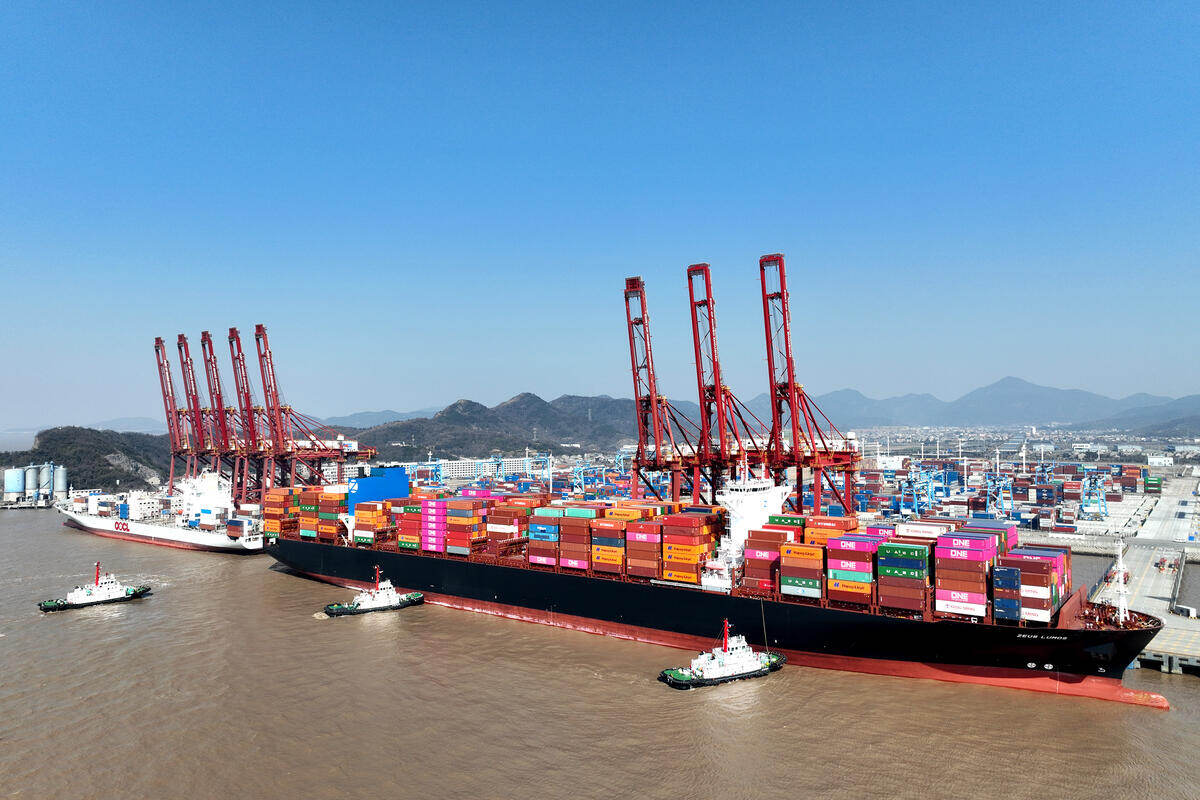
The Jakarta Bandung high-speed railway has become a model of cooperation in Southeast Asia
The new Indonesian government has made it clear that the Yavan high-speed railway project will continue to be promoted as a landmark project under the the Belt and Road framework. This project has become a successful example of modernization cooperation in Southeast Asia, and the new government plans to further expand the operational scope of the high-speed rail network on the existing basis. At the same time, the infrastructure construction of the new capital Nusantara has also been listed as a priority direction for cooperation. Indonesia hopes to leverage China's technological advantages and construction experience to accelerate the progress of infrastructure construction such as electricity, transportation, and communication in the new capital. The field of maritime connectivity has also been included in the key cooperation list, which is highly in line with Indonesia's strategic positioning as a global maritime power.

Persist in independent diplomacy, reject factional confrontation
The new Indonesian government has issued a friendly signal towards China while clearly stating its commitment to the central position of ASEAN and pursuing an independent, neutral, and non aligned diplomatic path. The new government emphasizes not following the path of external confrontation, not engaging in camp selection, and advocates resolving regional differences through dialogue and negotiation. This position is particularly evident in the South China Sea issue, where Indonesia calls for maintaining peace, stability, and a free trade order, and opposes internationalizing regional issues. As a core member of ASEAN and a key pivot country of the 21st Century Maritime Silk Road, Indonesia's policy orientation provides important certainty for the stability of the Southeast Asian region. Keywords: the Belt and Road News Network, Maritime Silk Road

The construction of the Maritime Silk Road has received stable support
Indonesia is one of the world's largest maritime countries and a key pivot of the 21st century Maritime Silk Road. The new government's continuation of its friendly policy towards China means that the construction of the Maritime Silk Road will receive sustained and stable policy support in Indonesia. From the perspective of the Silk Road Alliance, Indonesia's position is representative - Southeast Asian countries generally hope to prioritize development, cooperation, and stability, and refuse to be dragged into the vortex of great power confrontation. The the Belt and Road, based on peace, inclusiveness and mutual benefit, conforms to the fundamental interests of countries in the region and therefore has lasting vitality. The new Indonesian government's statement indicates that cooperation between China and ASEAN will continue to deepen, and regional supply chains, industrial chains, and value chains will be more closely linked together.Editor/Gao Xue
Comment




 Praise
 Collect
 Comment

 Share
Share


Write something~