 Search


- Strengthen the function of opening up to the north as a hub and inject new momentum into regional development
- Deepen economic and trade cooperation between China, Mongolia, and Russia, and improve the layout of border opening up
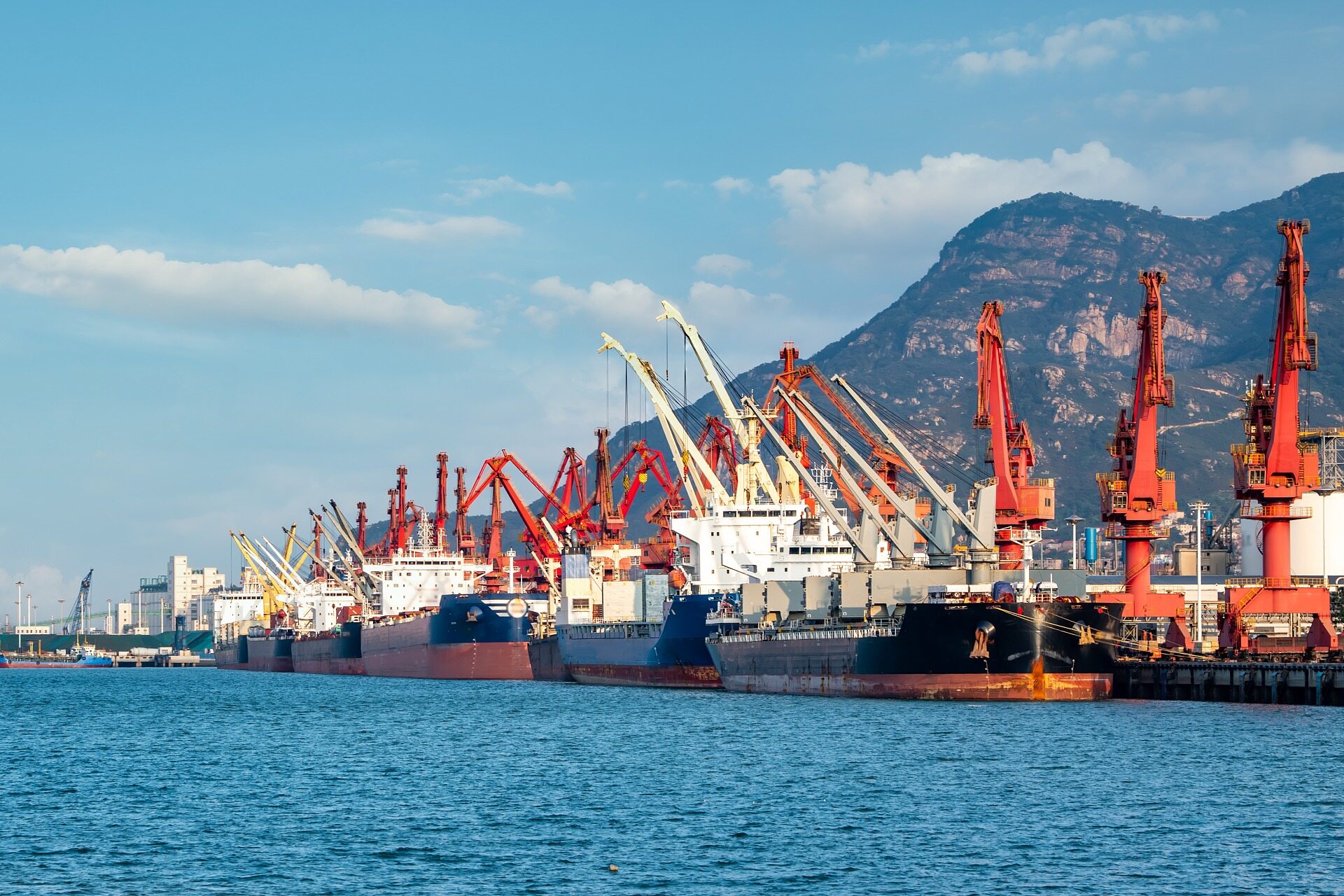
On April 9, 2026, the State Council recently released the "Overall Plan for China (Inner Mongolia) FTZ" to the public. At this point, China's pilot free trade zones have expanded to 23.
Reform and innovation measures
The overall plan gives Inner Mongolia FTZ more autonomy in reform and encourages it to boldly take the lead and conduct original, integrated, and differentiated exploration and practice in a wider range of fields and deeper levels. The plan specifies 19 reform and innovation measures, including innovative development of cross-border trade, enhancing international logistics service capabilities, promoting high-quality and efficient development of agriculture and animal husbandry, and improving the efficiency of scientific and technological achievements transformation and application.
Strategic positioning and objectives
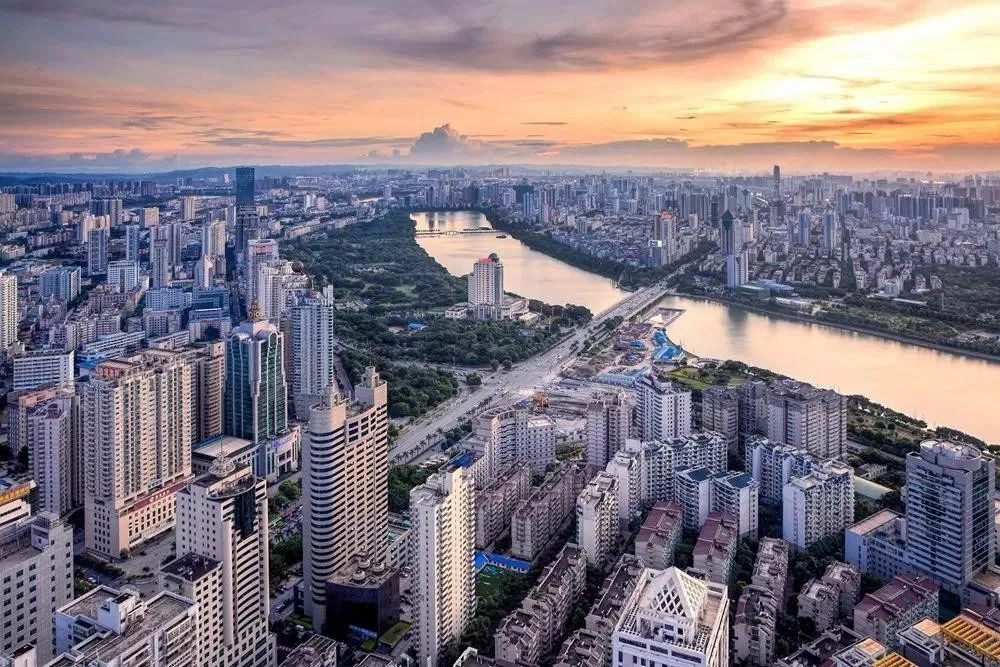
With regard to the strategic positioning and development goals of Inner Mongolia FTZ, the overall plan proposes that it is necessary to take institutional innovation as the core, replication and promotion as the basic requirements, combine the regional advantages of Inner Mongolia's "eight provinces connected internally, close to the Gyeonggi region, external Russia and Mongolia, and connected to Eurasia", deeply participate in the construction of the "the Belt and Road" and the China Mongolia Russia economic corridor, strive to build an information exchange center, transportation and logistics center, factor resource allocation center, scientific and technological innovation center in key fields, and industrial cooperation center connecting domestic and foreign countries and radiating surrounding areas, build a strategic highland for border and inland development and opening up, and a demonstration area for service to ensure high-quality development in the country.
The overall plan also clearly states that after three to five years of reform and exploration, the deep integration of scientific and technological innovation and industrial innovation will be achieved, the green development momentum will be significantly enhanced, the important nodes and channels of domestic and international dual circulation will be more perfect, the ability to radiate and drive internally and externally will be significantly improved, the level of energy and strategic resource security will continue to improve, and the role of the country as an important gateway for opening up to the north will be fully utilized. Efforts will be made to build a high-level free trade park with convenient investment and trade, good innovation ecology, advantageous industry agglomeration, and active international exchanges.
Measures and Expert Interpretation
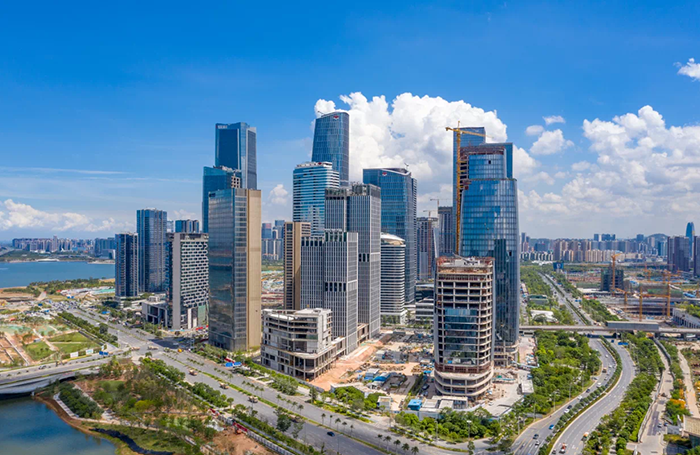
In terms of main tasks and specific measures, the overall plan proposes 19 measures from seven dimensions, including building an important trade node that connects internal and external markets, improving the quality and efficiency of two-way investment cooperation, opening up an international corridor to the north, constructing a modern industrial system with distinctive advantages, creating a first-class scientific and technological innovation ecosystem, deepening comprehensive cooperation both domestically and internationally, and creating an open platform for element integration and integration. Specifically, these measures include supporting the development of outsourcing services such as information technology and pharmaceutical research and development in the Hohhot area; Accelerate the digital transformation and upgrading of the cross-border trade service platform and regulatory system; Encourage enterprises to carry out overseas investment cooperation in agricultural and livestock products, energy resources and other fields in the joint construction of the the Belt and Road countries; Strengthen the international logistics service function; Building a green computing power guarantee hub and other related content.
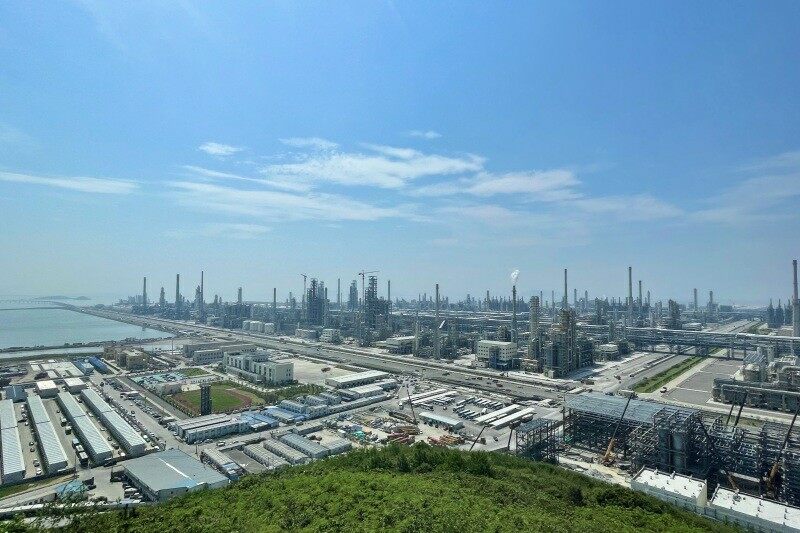
Nie Pingxiang, a researcher at the Research Institute of the Ministry of Commerce, stated that as a border area, the establishment of Inner Mongolia Pilot Free Trade Zone can leverage institutional and industrial innovation to promote further innovative development in areas such as cross-border trade and import resource processing, effectively stimulate economic vitality in border areas, and drive local employment and income growth. For the development of local industries, she believes that the Inner Mongolia Pilot Free Trade Zone focuses on characteristic industries such as new energy, new materials, biopharmaceuticals, and dairy, attracting the gathering of high-end global factors and promoting the transformation of related industries from "single point development" to "chain cluster" direction. Researcher Zhou Wei from the Research Institute of the Ministry of Commerce pointed out that Inner Mongolia has a vast territory, with unique resource endowments, industrial structures, and regional development needs from the east to the west. In the context of the current "opening to the north", especially in the process of jointly building the "the Belt and Road", building the China Mongolia Russia economic corridor, and promoting bilateral cooperation between China and Mongolia, the further opening of Inner Mongolia is particularly important. The development of pilot free trade zones itself encourages various regions to explore models with their own characteristics. Inner Mongolia's unique industrial, geographical, and economic resource advantages are a solid foundation for its differentiated exploration.
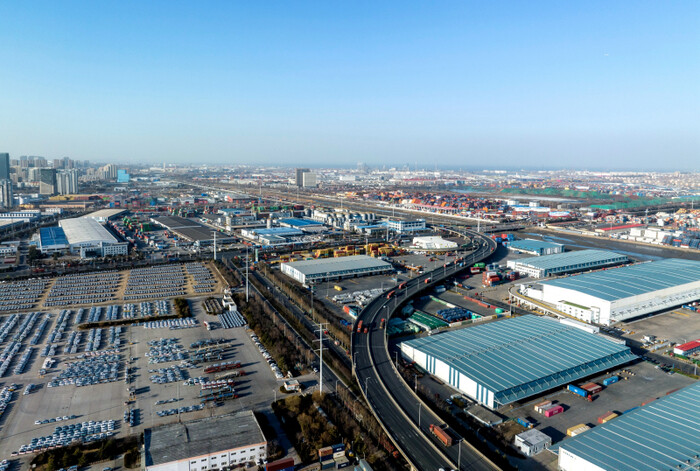
Zhou Wei also stated that the establishment of Inner Mongolia Pilot Free Trade Zone, following Xinjiang Pilot Free Trade Zone, is another important exploration in the field of border opening up, which will accumulate richer practical experience for China to achieve high-level opening up. Nie Pingxiang gave an example to illustrate that the establishment of Inner Mongolia Pilot Free Trade Zone will help promote the deepening of China's northward opening-up strategy and further open up the land route connecting Russia, Mongolia, and Europe; As the core carrier area of the China Mongolia Russia Economic Corridor, the establishment of the pilot free trade zone will further strengthen the hub function of this node and promote deep cooperation among China, Mongolia, and Russia in trade, finance, production capacity, and other fields. Keywords: Inner Mongolia, Pilot Free Trade Zone, the Belt and Road
With the establishment of Inner Mongolia Pilot Free Trade Zone, the layout of China's border opening-up has been further improved, and institutional opening-up has gradually expanded from coastal areas to border regions. Looking ahead to the future, the pilot free trade zone will continue to carry out institutional innovation in a wider range of fields and at a deeper level, providing a continuous stream of practical samples for building a new system of higher-level open economy.Editor/Gong Ziwei
Comment


 Praise
 Collect
 Comment

 Share
Share


Write something~