 Search


- Efficient conversion of low-quality heavy oil into low-carbon synthetic crude oil using wind solar power for hydrogen production
On April 18, 2026, in Beijing, a summit forum on energy security did not stop at paper discussions. When Zhang Jianjun, Chairman of the Shanghai Cooperation Organization Economic and Trade Exchange Center Group, showed the project planning map of the Tacheng area in Xinjiang on the big screen, the attendees saw an upcoming "energy magic" - the official launch of the country's first "green hydrogen+low-quality heavy oil" synthetic crude oil industrialization demonstration project. This is no longer a concept in the laboratory, but a massive project with a total investment of 6.734 billion yuan and an annual production capacity of 1.6 million tons of low-carbon synthetic crude oil. Zhang Jianjun defines it as an important lever for the integration of industries in the western energy corridor, which means that in the future, the "black solid asphalt" imported from central and northern Asia will be transformed into clean energy in the wind, solar and green power of Tacheng.
How to refine "asphalt" into "gold"?
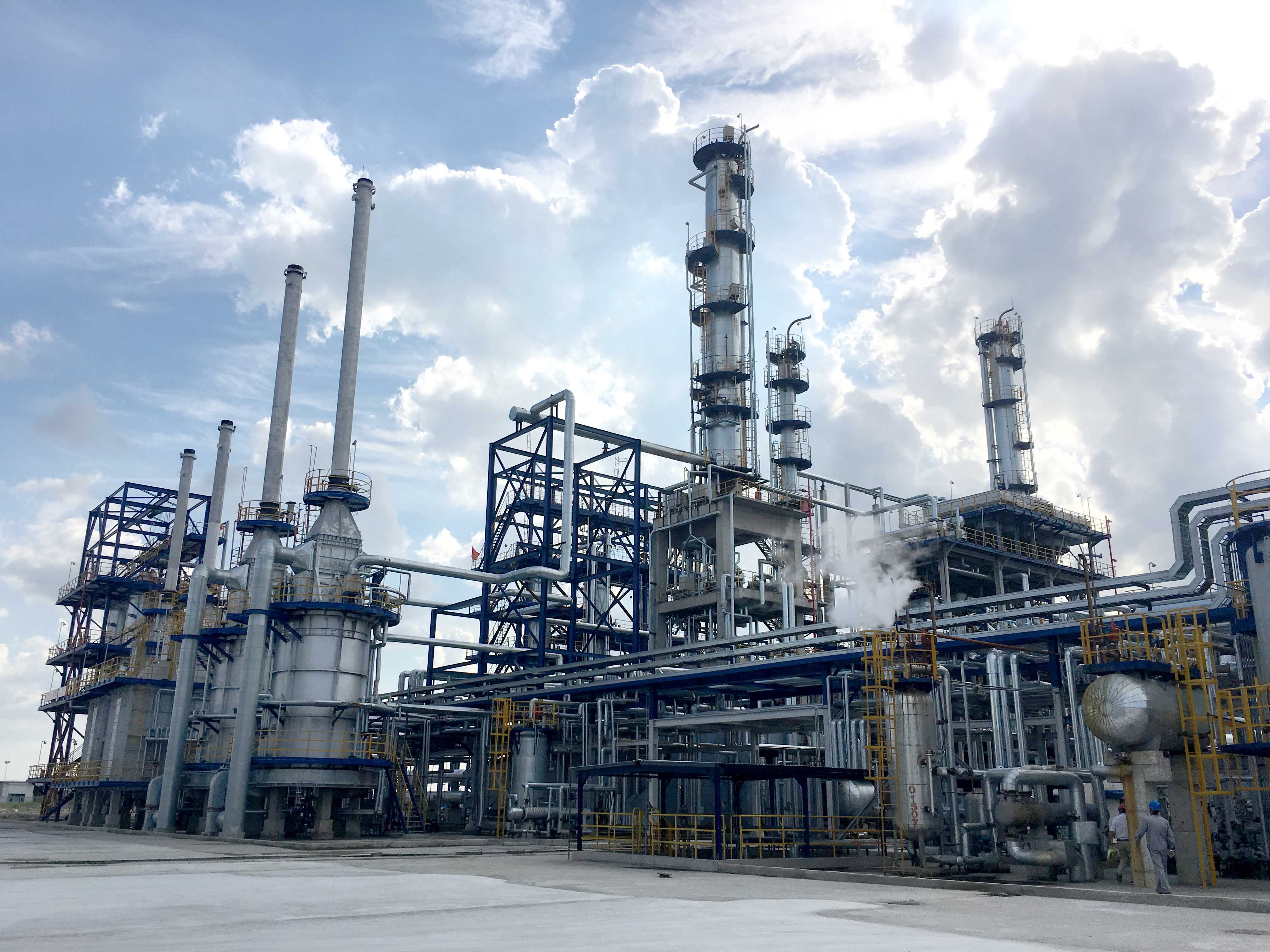
The core of this project is the full conversion technology (ASHS) of low-quality heavy oil slurry bed hydro deconstruction developed by Dalian Institute of Chemical Physics, Chinese Academy of Sciences, after more than ten years. In the past, refineries were often helpless when faced with low-quality heavy oils such as solid asphalt and ultra heavy oil. Traditional processes not only consume high energy, but also generate a large amount of pollution and waste residue.
The 'black technology' of ASHS technology lies in two breakthroughs:
Nano catalyst: Using nano suspended molybdenum catalyst, it precisely cuts open the large molecular structure of heavy oil like "molecular scissors".
Slurry bed reactor: The innovative air lift loop reactor ensures uniform reaction and almost no coking.
According to Tian Zhijian, the chief scientist of the project, this technology can increase the conversion rate of heavy oil to over 97%, almost completely dry and squeeze out the "waste", and discharge only about 3% of the residue. This technology has been included in the National Energy Administration's advanced technology catalog for energy conservation and carbon reduction. It not only solves the problem of heavy oil utilization, but also significantly reduces carbon emissions during the refining process, achieving high-value utilization of heavy resources.
Industrial level practice of 1.5 gigawatts of wind and solar power
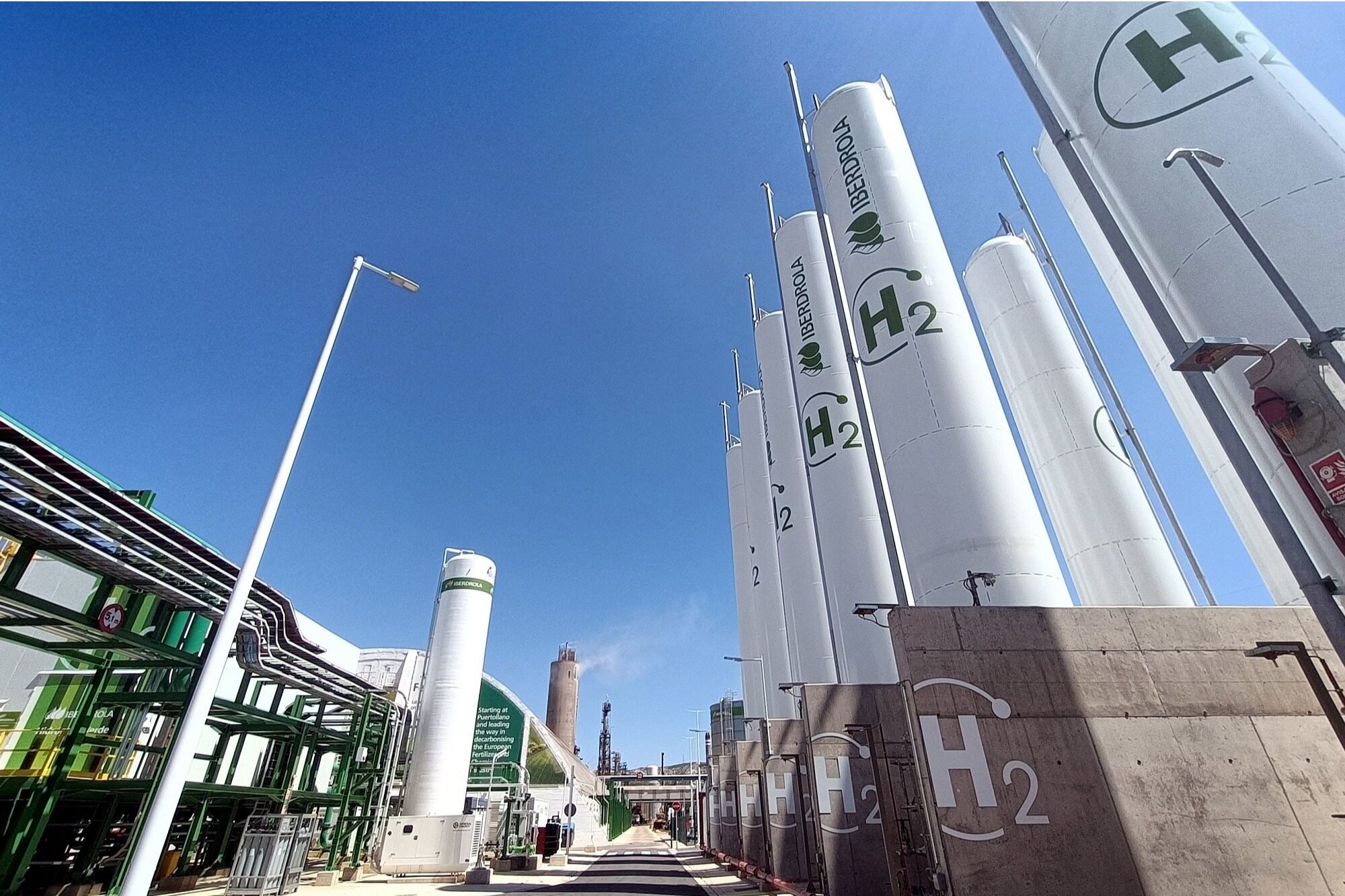
Another highlight of the project is the "all green energy" label. In order to ensure zero carbonization of the hydrogen source, the project has built a 1.5 gigawatt (1.5 million kilowatts) wind and solar power generation facility. The endless wind and light on the Gobi Desert in Xinjiang will produce about 65000 tons of green hydrogen annually through an electrolytic water device.
This is not only a demonstration of technology, but also a benchmark for business models. It proves the feasibility of large-scale application of green hydrogen in heavy industry - no longer relying on fossil fuels for hydrogen production, but directly driving the refining process with renewable energy. When these 65000 tons of green hydrogen are injected into the ASHS unit and combined with 1.6 million tons of imported heavy oil, the output will be synthetic crude oil with extremely low carbon footprint, setting a model of "green hydrogen+heavy chemical industry" for China's refining industry.
Energy Security and the Western New Corridor
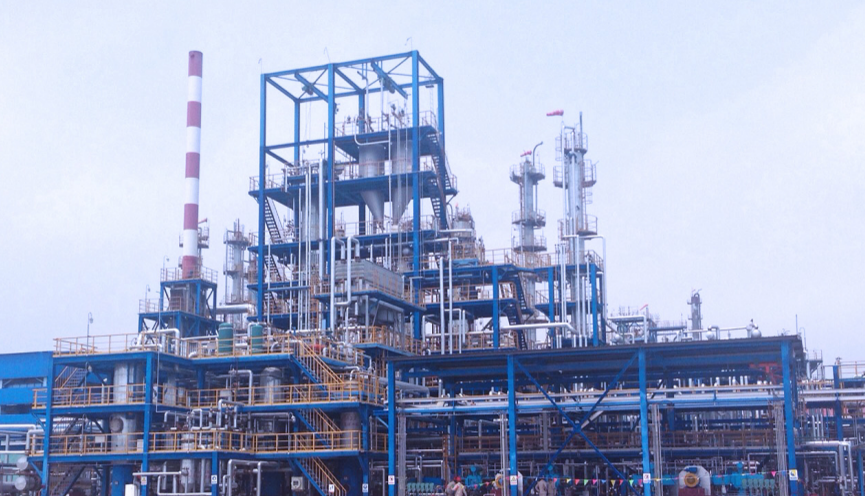
For China, the significance of the Tacheng project goes far beyond the output value of a factory. It is located in the Tacheng area of Xinjiang, adjacent to the Central North Asia Energy Corridor, and is a key node of the Western Energy Corridor under the framework of the Shanghai Cooperation Organization.
This layout has dual strategic value:
Resource utilization: Importing low-quality heavy oil (such as solid asphalt) that is difficult for neighboring countries to handle as raw materials indirectly increases China's energy supply and reduces dependence on single crude oil imports.
Green Barrier: Through green hydrogen coupling, even the lowest quality heavy oil can be processed to produce low-carbon products, taking the initiative under future global carbon tariffs and green trade barriers.
As emphasized by the forum, the Tacheng project is not only manufacturing oil products, but also weaving a green energy security net. When the device is put into operation in 2026, it will become a classic case of "turning waste into treasure and improving quality with green" in China's energy transformation.Editor/Yang Meiling
Comment


 Praise
 Collect
 Comment

 Share
Share


Write something~