 Search


- The first large-scale photovoltaic power station in Kyrgyzstan, Zhantai Power Station, will be fully put into operation in April 2026
- The Zhantai Power Station, fully constructed by Chinese enterprises, has an annual power generation of 200 million kilowatt hours and reduces carbon dioxide emissions by over 157000 tons
Recently, reporters visited the Chu River Valley in Kyrgyzstan to investigate the country's first large-scale photovoltaic power generation project - the Zhantai Photovoltaic Power Station. This 100 MW power station, invested and constructed by Chinese enterprises and equipped with Chinese technology and equipment, will be started in July 2025 and formally connected to the grid for power generation on December 24, 2025. It will take only six months to complete the construction, which will become a landmark achievement of the China Kyrgyzstan joint construction of the "the Belt and Road" in the energy field.

The Zhantai Power Station is located on a mountainous plateau at the northern foot of the Tianshan Mountains, surrounded by mountains and with excellent lighting conditions. The project overcame multiple difficulties such as extreme cold weather, snowstorm road closures at the border, and hard geological conditions of gravel in the Gobi Desert. The construction team simultaneously promoted multi face operations such as pile foundation, support, components, electrical, and grid connection debugging. Through processes such as pre drilling with large drilling machines, secondary rotary excavation, and cast-in-place piles, 32500 pile foundations were firmly implanted underground, and the key project was completed before the freezing period.
The designed annual power generation capacity of the power station is 200 million kilowatt hours, with an average daily power generation of about 550000 kilowatt hours. It can effectively supplement the electricity supply during the dry season in Kyrgyzstan, significantly reduce the dependence on electricity imports, and enhance national energy security and independence. The project adopts a flat single axis intelligent tracking system, which generates 15% more electricity annually than a fixed bracket; The conversion efficiency of photovoltaic modules exceeds 22.5%, and the string inverter can generate 5% -12% more electricity in low voltage environments. The entire equipment complies with IEC standards and has passed EAC certification. The harmonic control of power quality is within 5%, and it is perfectly compatible with the local power grid dispatch system.
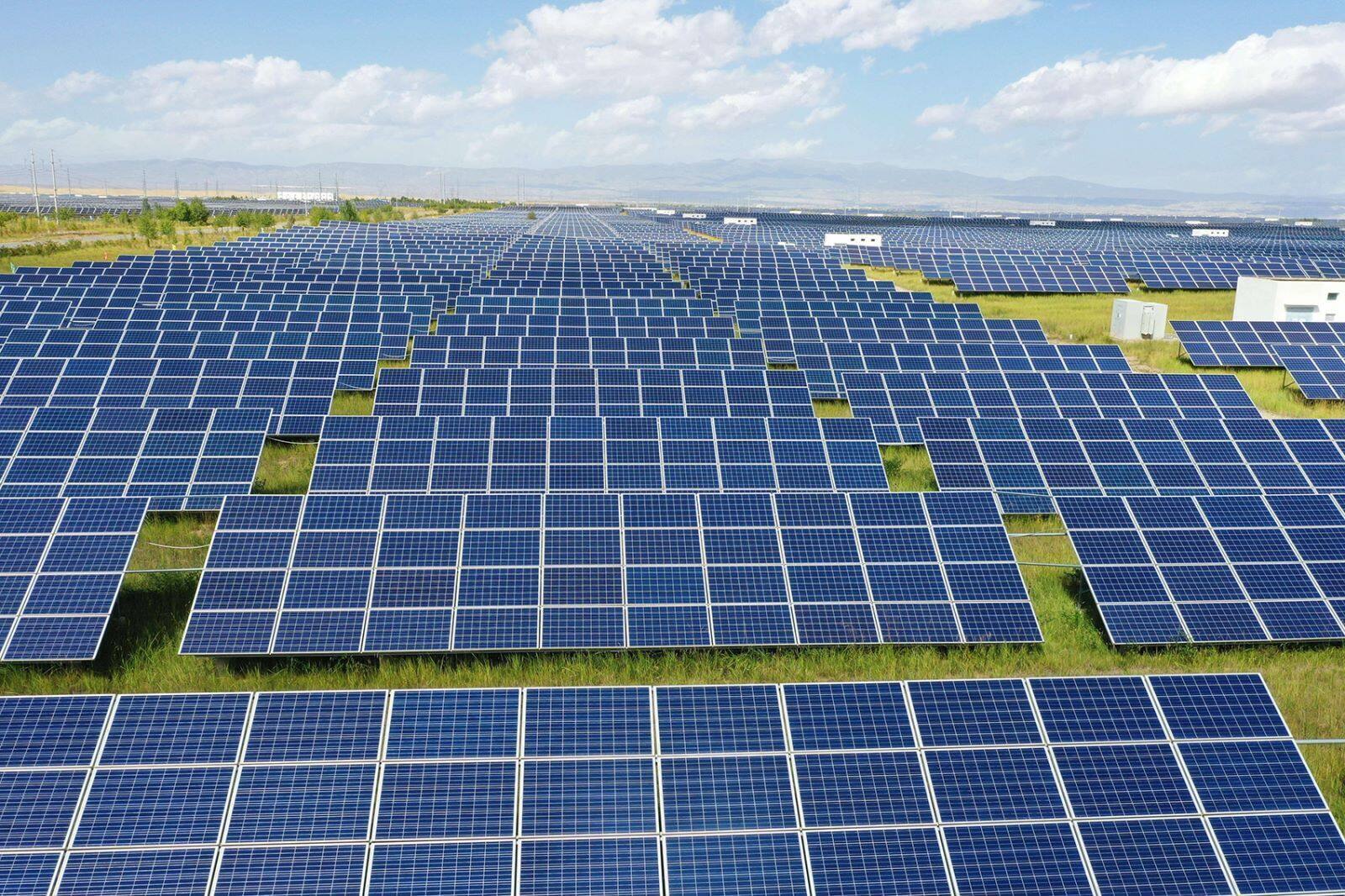
In terms of ecological benefits, the power station can replace fossil fuels for power generation every year, reducing carbon dioxide emissions by over 157000 tons, providing solid support for Kyrgyzstan's green and low-carbon transformation. The project covers an area of 230 hectares and only requires about 10 people for daily operation and maintenance. The Chinese team provides systematic training for local employees, covering full process skills such as components, inverters, monitoring systems, inspection and operation, and cultivating a group of local new energy professionals.
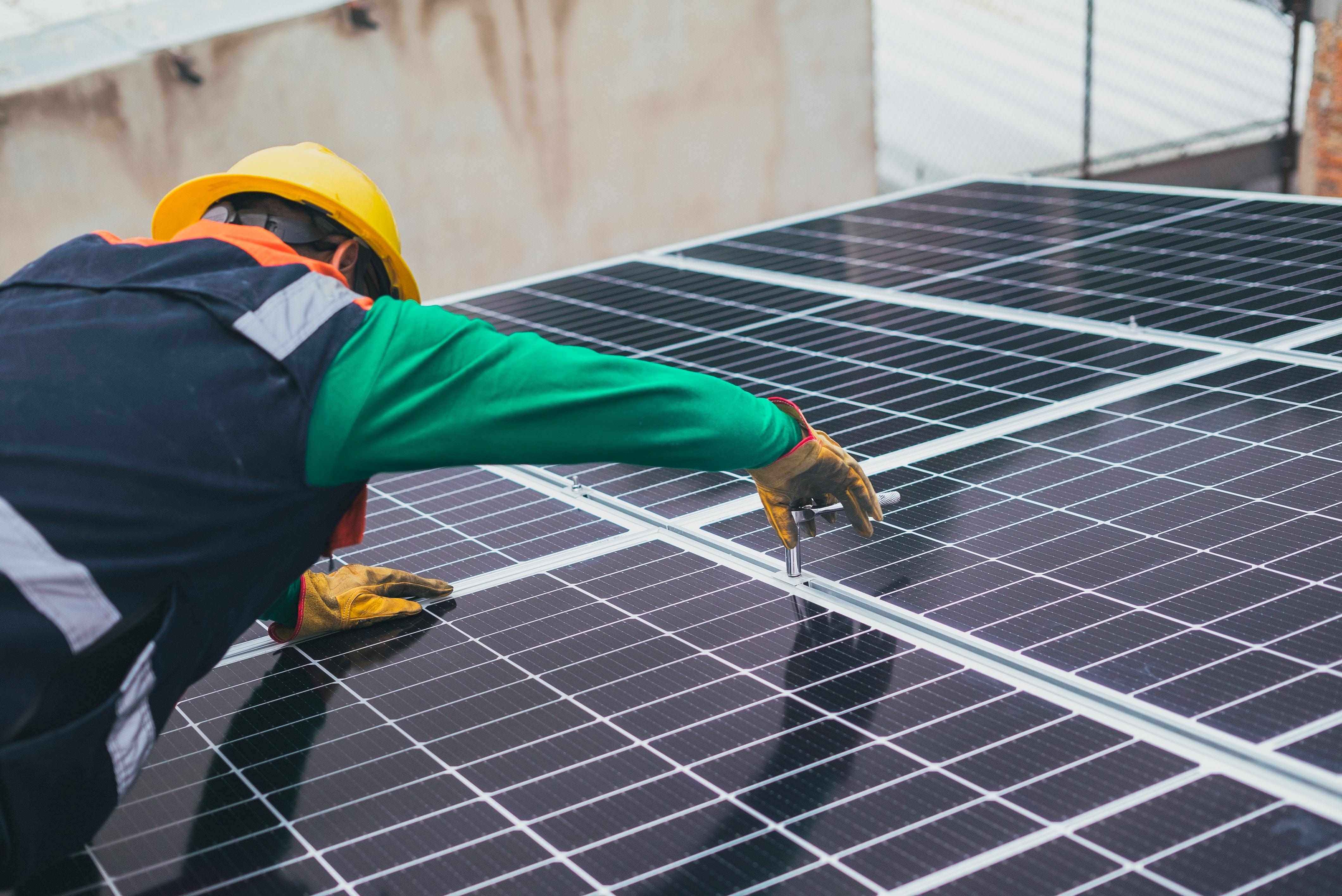
Local dispatcher Nur Sultan stated that under the guidance of Chinese engineers, he has become proficient in modern power station operation and maintenance technology and can contribute to the stability of electricity in his hometown. Local engineer Qiu Bayev believes that the power station not only makes electricity more reliable and the environment cleaner, but also provides stable employment and technological growth opportunities for local youth, promoting the rapid development of the hometown. Keywords: energy, photovoltaic power generation
The person in charge of Yongsheng Energy, the project investor, stated that in the future, they will continue to deepen cooperation in new energy between China and Kyrgyzstan, expand projects in areas such as photovoltaics, wind power, energy storage, and power grid upgrades, and help Kyrgyzstan build a safe, stable, and green modern energy system. They will continue to shine the business card of pragmatic cooperation and green Silk Road construction between China and Kyrgyzstan. (This article is from www.seetao.com, the official website of Daodao, and cannot be reproduced without permission. Otherwise, it will be prosecuted. Please note that if reproduced, please refer to Daodao+the original link) See the the Belt and Road column of DaodaoEditor/Wu Zhiqiang
Comment


 Praise
 Collect
 Comment

 Share
Share


Write something~