 Search


- This visit deepens institutional cooperation and builds strategic support for Chinese industries to deeply cultivate ASEAN
Recently, at the elliptical long table of the Peace Palace in Phnom Penh, Chinese Foreign Minister Wang Yi and Defense Minister Dong Jun sat side by side, with Cambodia's Deputy Prime Minister and Foreign Minister Braso Gon and Deputy Prime Minister and Defense Minister Di Siha facing each other. This is the first time that the highest diplomatic and defense officials of China and Cambodia have met face-to-face in the form of a 2+2 mechanism. Within five days, Wang Yi flew from Cambodia to Thailand and then to Myanmar, laying out the latest strategic blueprint for China's deepening of its industry in ASEAN through a diplomatic relay spanning the Indochinese Peninsula.
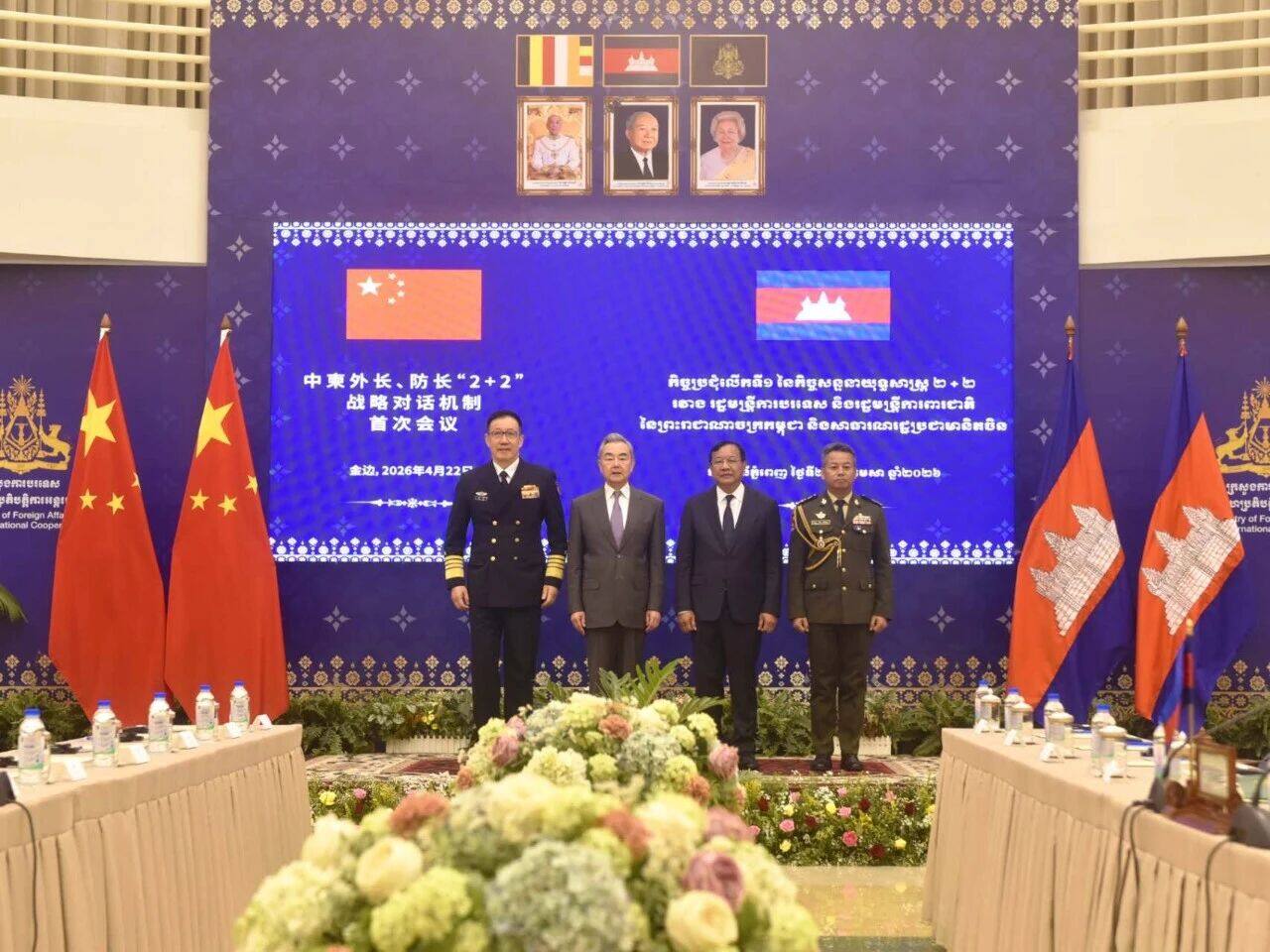
China and Cambodia launch new security and defense mechanism
The first meeting of the 2+2 Strategic Dialogue Mechanism between the Chinese and Cambodian Foreign Ministers and Defense Ministers has become the most iconic breakthrough of this visit, marking a new stage of comprehensive strategic cooperation between the two countries from economic and trade infrastructure to political mutual trust, security cooperation, and defense cooperation. Both sides have clearly defined the two strategic projects of deepening the industrial development corridor and the fish and rice corridor, and have finalized multiple measures such as jointly cracking down on online gambling and fraud, and strengthening border law enforcement cooperation. During the meeting, Wang Yi emphasized that in the face of the current international situation, China and Cambodia need closer unity than ever before, and firmly grasp the leadership of development and security in their own hands.
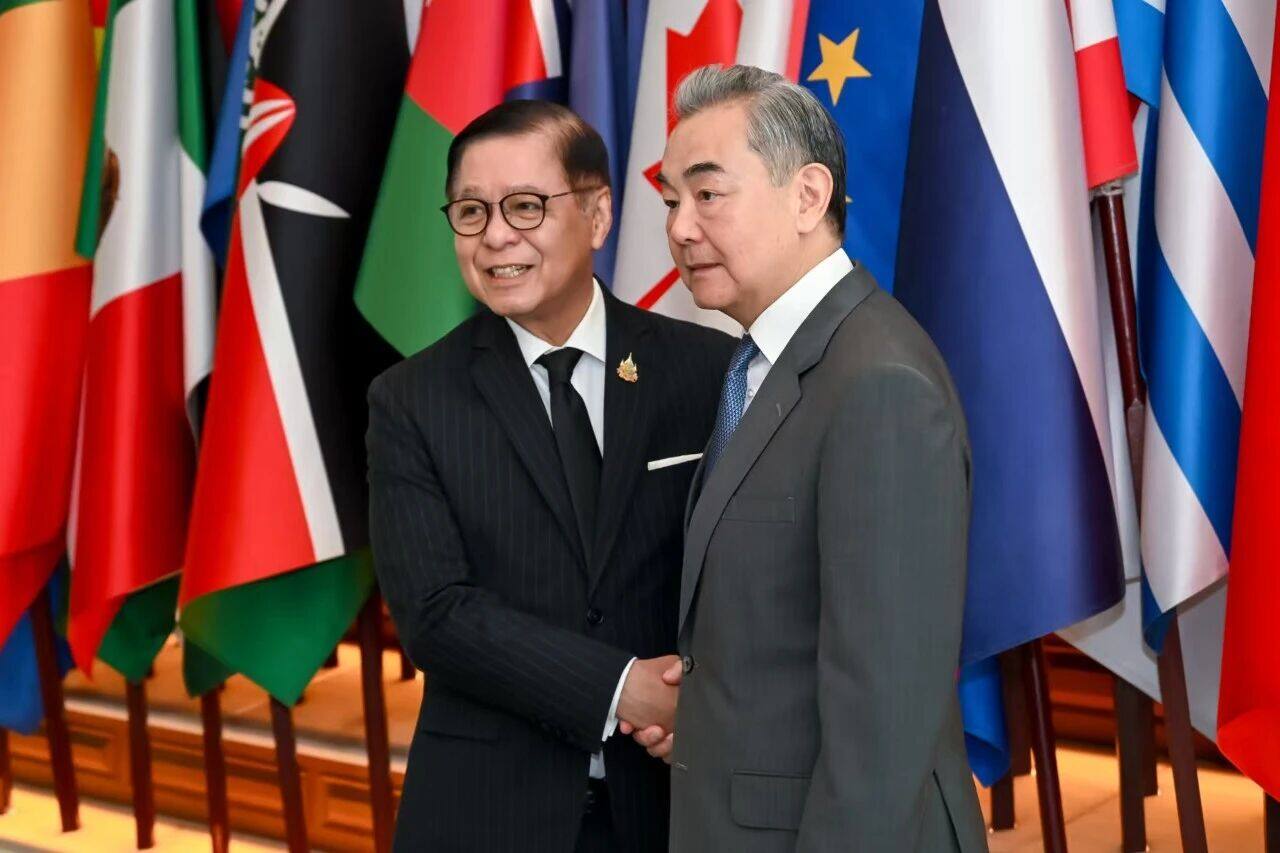
China Thailand locks in five-year cooperation roadmap
On April 24th, Wang Yi held the third meeting of the China Thailand Foreign Ministers' Consultation Mechanism with Thai Deputy Prime Minister and Foreign Minister Sihasasa in Bangkok. Both sides have clearly initiated the development of a new five-year action plan for bilateral cooperation, finalized the core goal of opening the China Thailand railway by 2026, and reached a consensus on deepening cooperation in emerging fields such as new energy, digital economy, and artificial intelligence. The physical connectivity of the China Thailand railway will have a synergistic effect with the institutional opening of the free trade zone, and the cross-border logistics corridor from southwest China to the hinterland of ASEAN will soon be fully connected. Keywords: the Belt and Road News Network, ASEAN Cooperation, China's Industrial Globalization
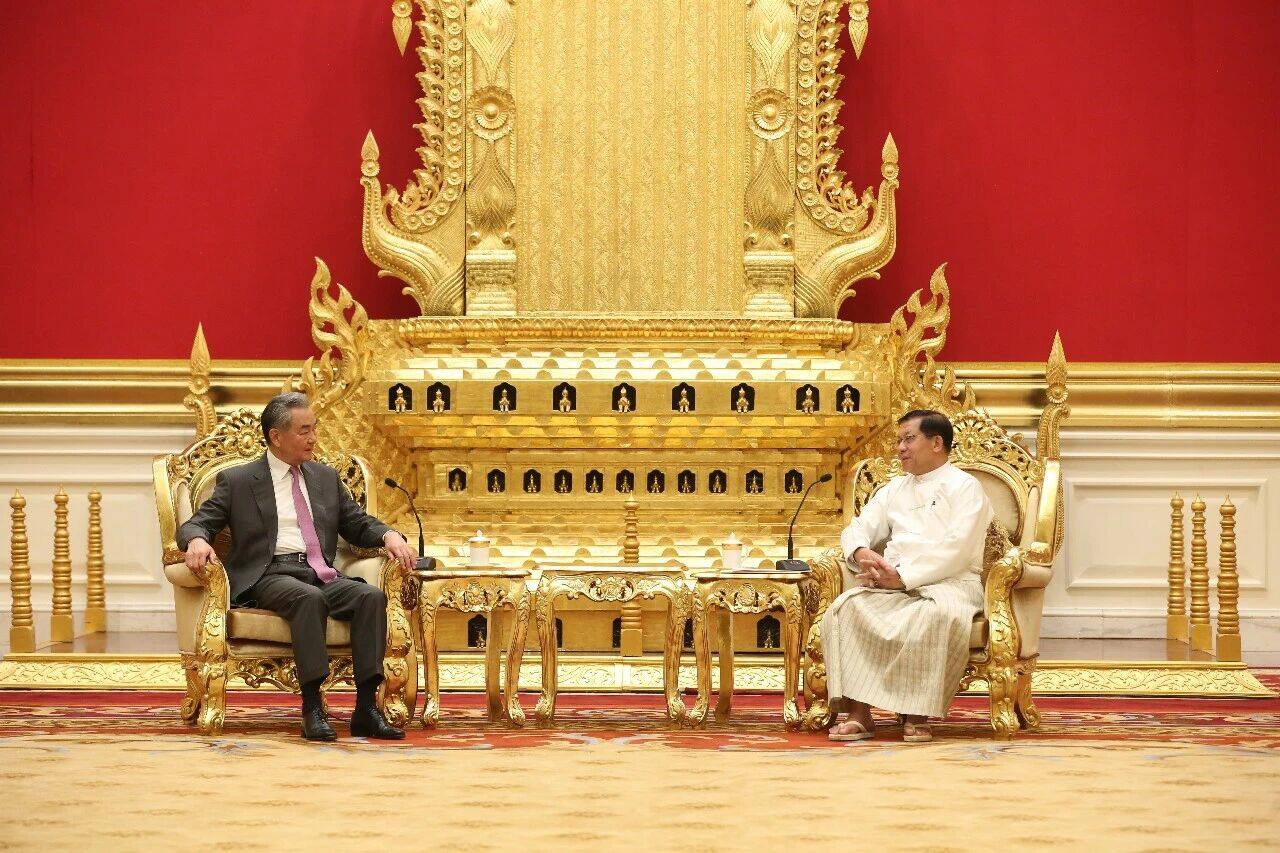
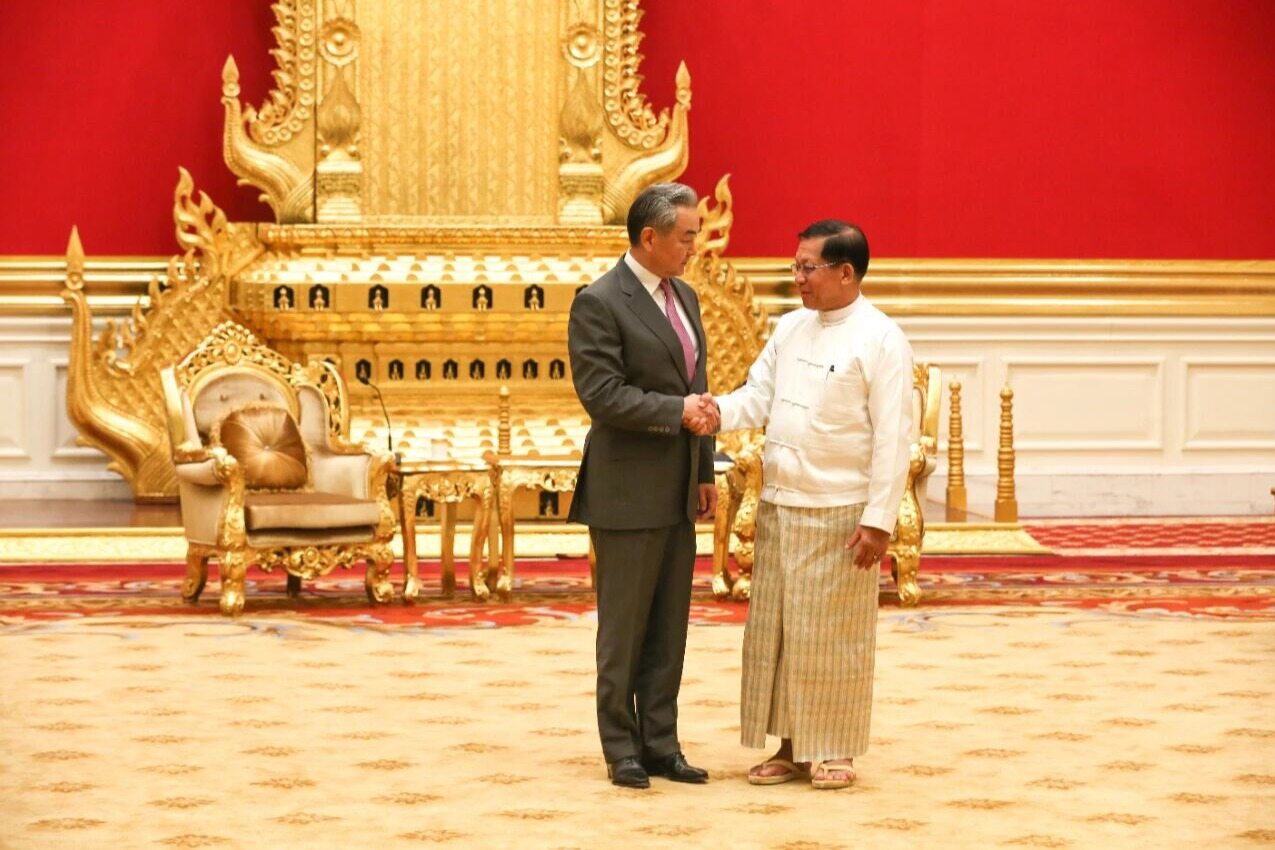
Upgrading and expanding the China Myanmar Economic Corridor
On April 25th, Myanmar's newly elected President Myint Aung Hlaing met with Wang Yi in Naypyidaw. Myanmar has made it clear that it will spare no effort to safeguard the safety of Chinese projects and personnel in Myanmar, work together to combat online gambling and fraud, and deepen border security cooperation. Both sides have reached multiple consensuses in areas such as the China Myanmar cross-border railway, power, oil and gas projects, and agricultural product trade, promoting the deepening and implementation of the construction of a China Myanmar community with a shared future. At this point, the cooperation framework between China and the three countries in the Indochina Peninsula has been upgraded from a single project cooperation to a full chain support system of mechanism mutual trust, industrial synergy, and security guarantee, laying a solid foundation for the core of ASEAN for the vast number of overseas entities.Editor/Gao Xue
Comment



 Praise
 Collect
 Comment

 Share
Share


Write something~