 Search


- Accelerate the implementation of hydropower projects and continue to release industrial and livelihood dividends
- Water conservancy and hydropower construction empowers development and consolidates the foundation of Uzbekistan's energy security
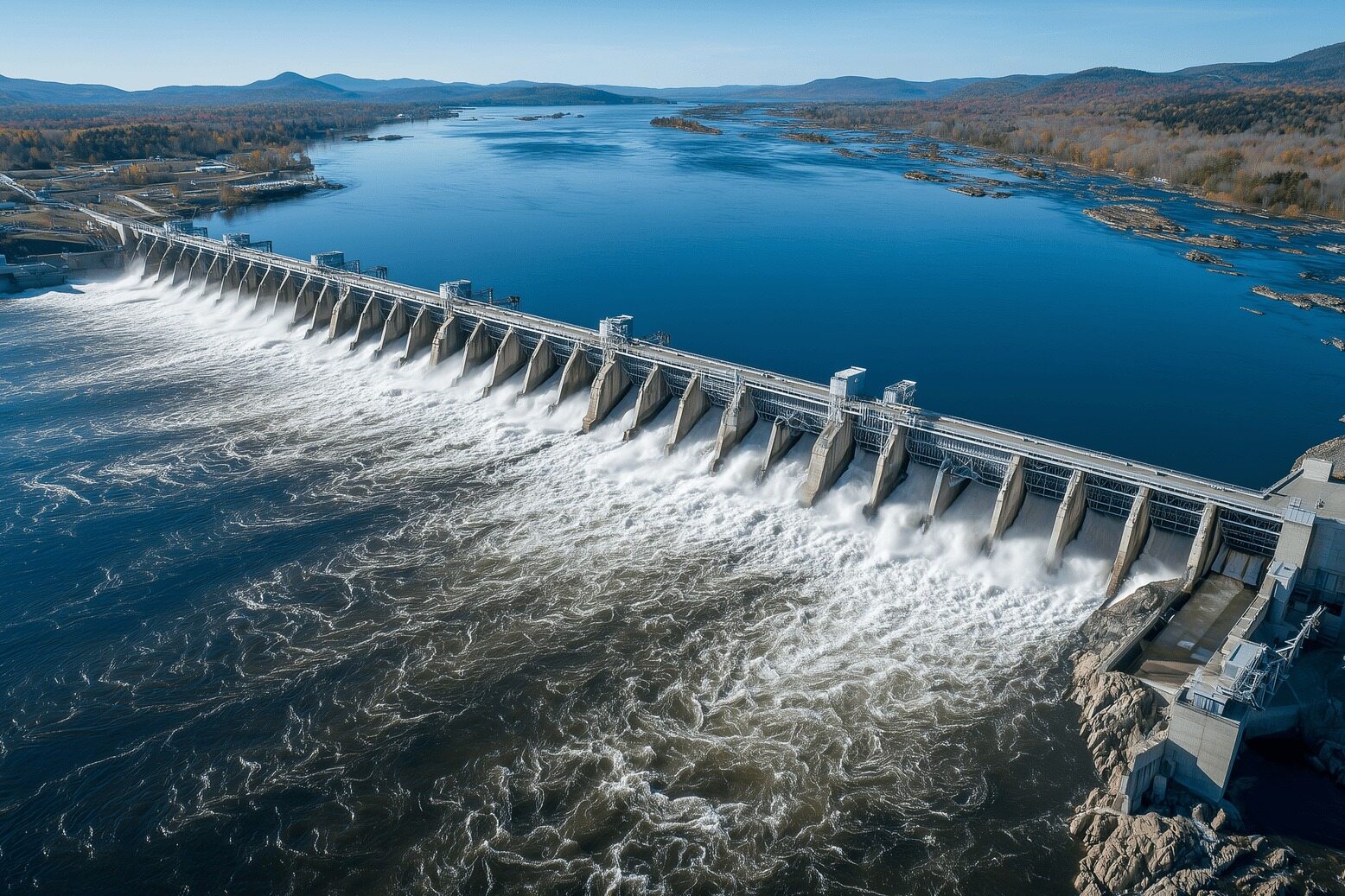
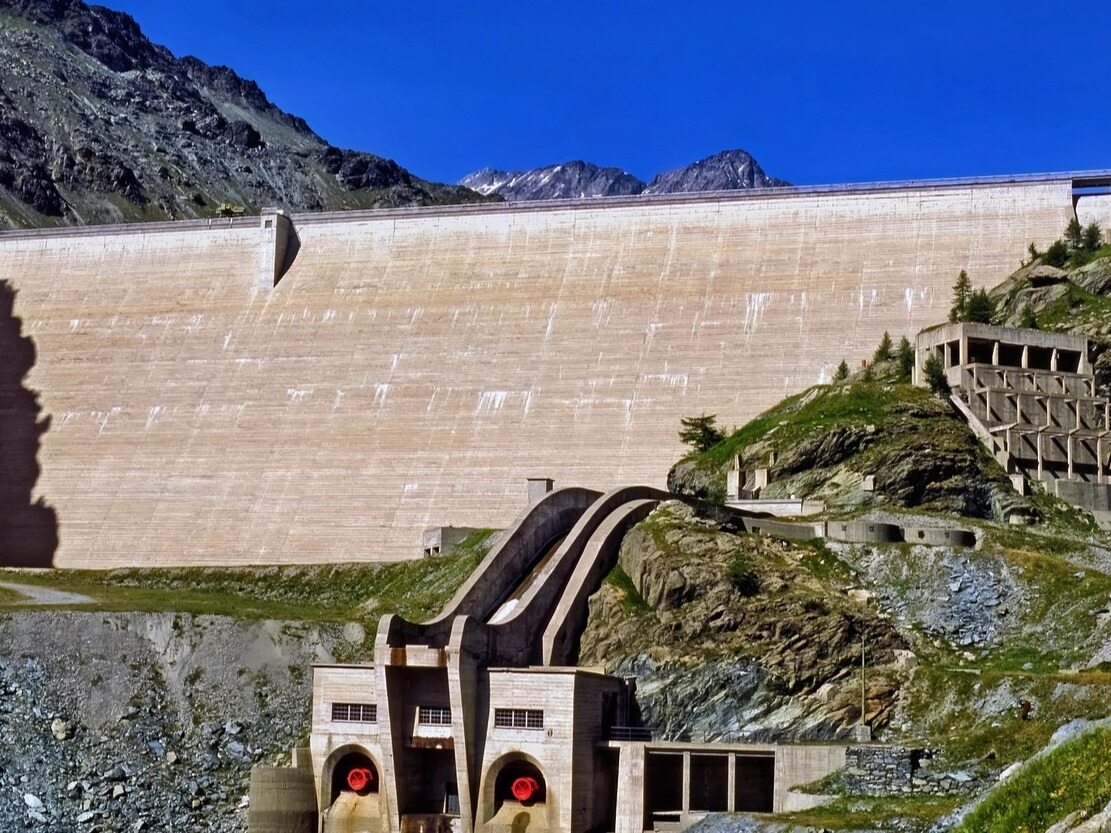
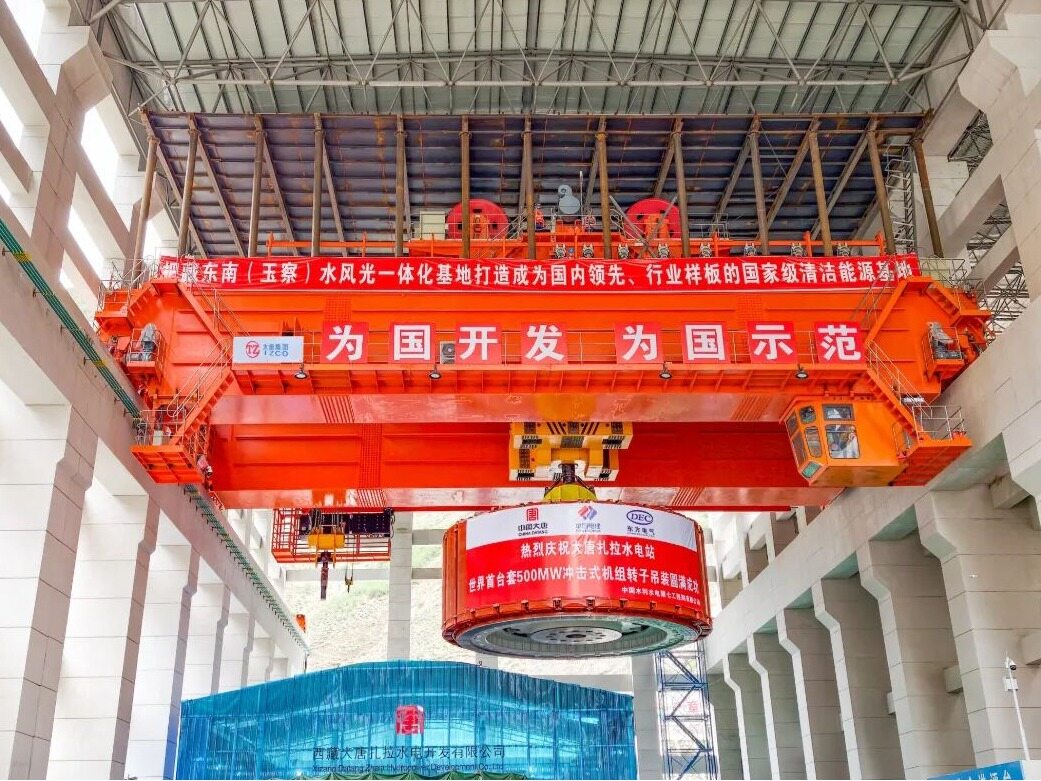
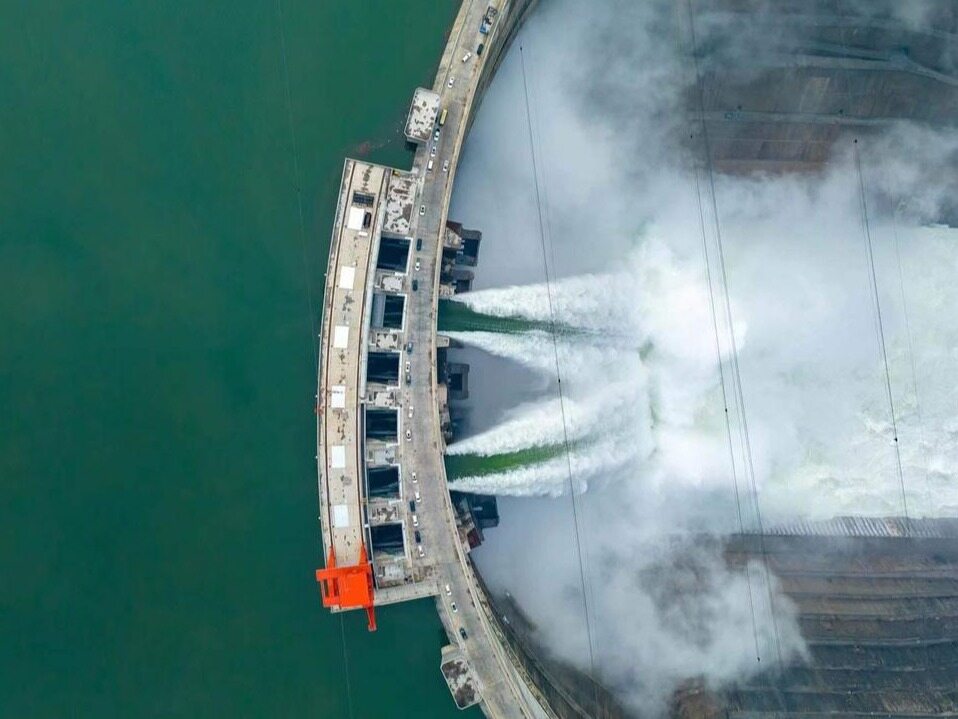
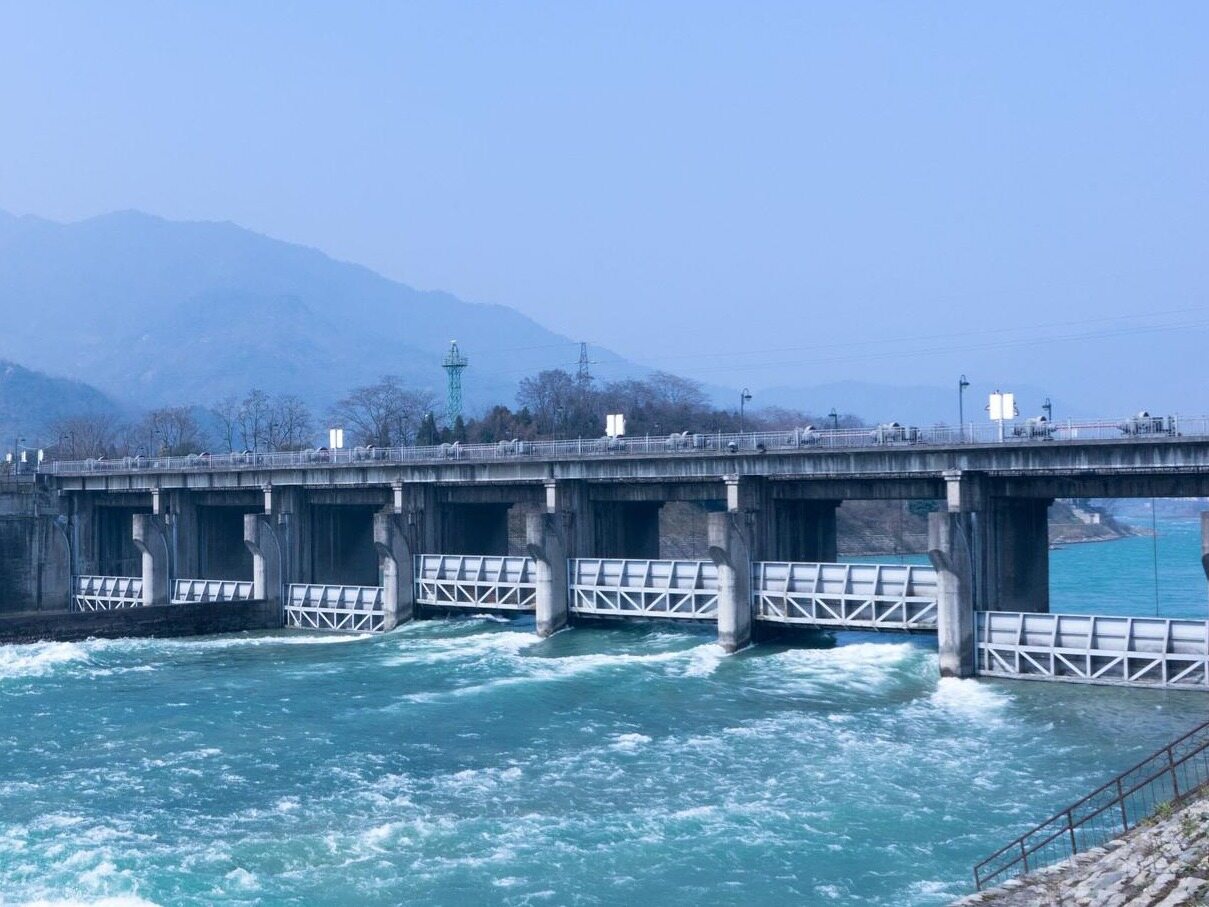
The construction of hydropower and water conservancy infrastructure is the core pillar to ensure Uzbekistan's energy security and promote steady economic development. The large-scale water conservancy and hydropower expansion project recently launched in Uzbekistan is not only an important strategic measure to optimize energy structure and reduce dependence on fossil fuels, but also a key economic and livelihood layout to expand investment scale, create employment opportunities, and improve urban living environment. It has outstanding industrial value and social benefits.
Multiple key projects are being implemented in an orderly manner
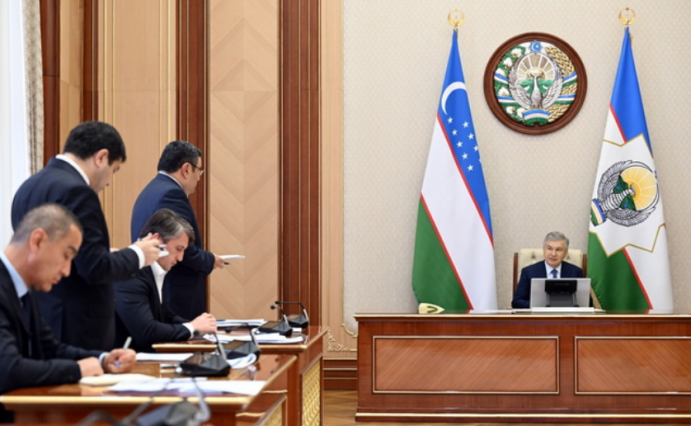
Recently, Uzbekistan's President Shavkat Mirziyoyev listened to a special report on the development status and prospects of the national hydropower industry, and clearly listed the hydropower industry as a key strategic development area of the country. According to the plan, Uzbekistan will implement 73 investment projects in the hydropower sector from 2026 to 2032, with a total investment scale of 5.8 billion US dollars and an expected increase in installed capacity of 3.6 gigawatts. In 2026, the focus will be on promoting the commissioning and operation of 13 hydropower stations, with a total installed capacity of 114 megawatts and an annual power generation of 537 million kilowatt hours. At the same time, it will drive the creation of new employment opportunities and empower people's livelihood development.
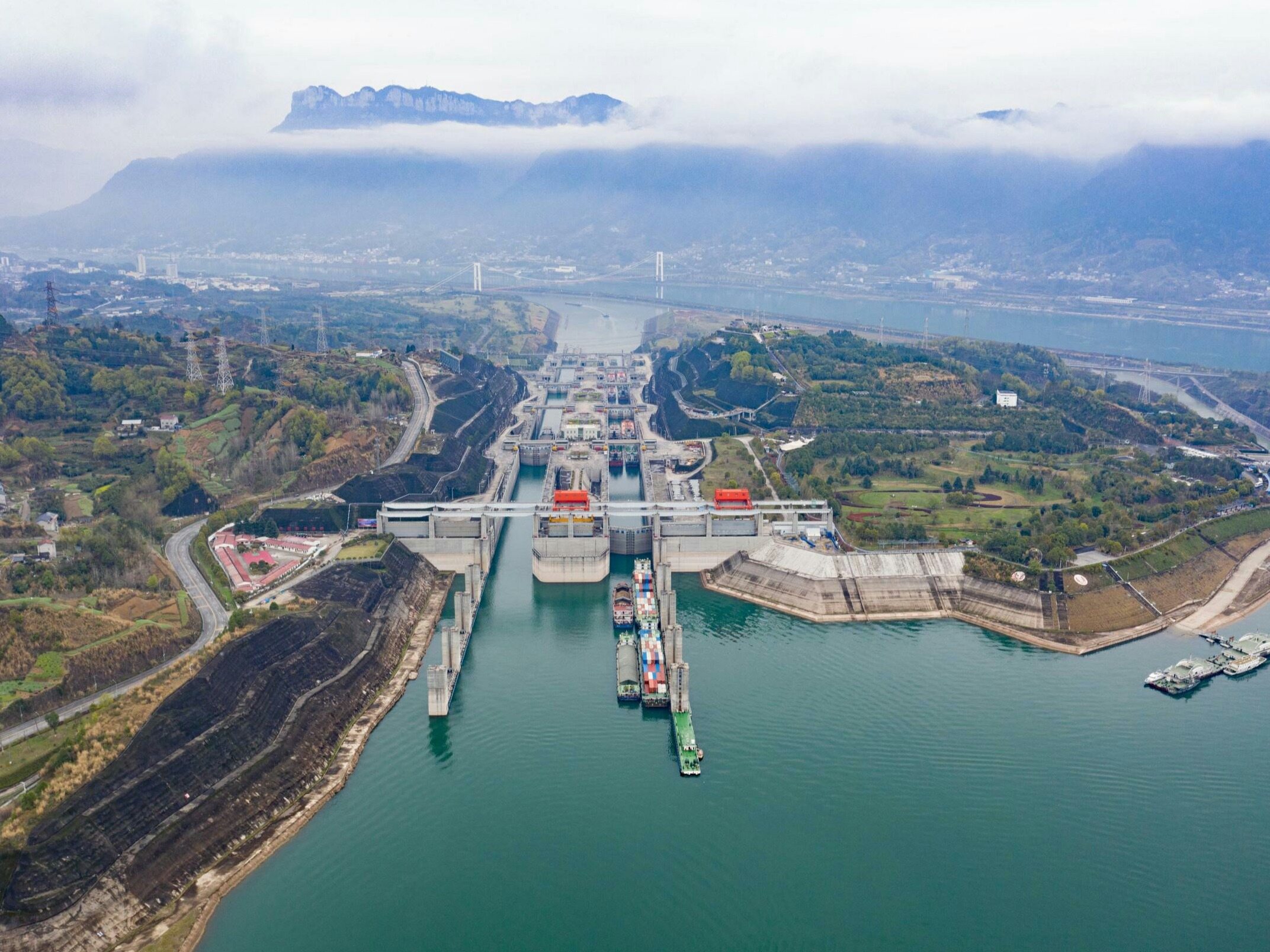
This plan covers multiple benchmark projects, including the Upper Puskam Hydropower Station with an investment of 365 million US dollars and the Sohe Hydropower Station in the Fergana region. At the same time, the country plans to build 3000 new small and medium-sized micro hydropower stations, as well as the Upper Pulang Water Resources Supporting Project. Three pumped storage hydropower stations with a total installed capacity of 1.4 gigawatts have entered the construction phase. The industry will be fully equipped with digital and AI intelligent monitoring systems, greatly improving the efficiency of hydropower operations. In addition, the capital Tashkent is making every effort to promote the comprehensive development of the waterfront area, planning to complete the greening transformation of 306 hectares of the Cherchik River, the construction of the Beckettir Canal landscape belt and artificial reservoirs. The President has issued a special directive to expand the special work team to 12 people to ensure the progress of the project.
Urgent demand for green energy transformation
Uzbekistan has superior water resource reserves, with a total length of over 150000 kilometers of various water systems such as rivers and canals, laying a natural foundation for hydropower development, agricultural irrigation, and water supply for people's livelihoods. At present, hydropower generation in the country only accounts for 10% -12% of the total power generation, and the energy supply is highly dependent on traditional fossil fuels such as natural gas and coal. The energy structure is single and the problem of supply-demand imbalance is prominent. Keywords: Uzbekistan, energy transition
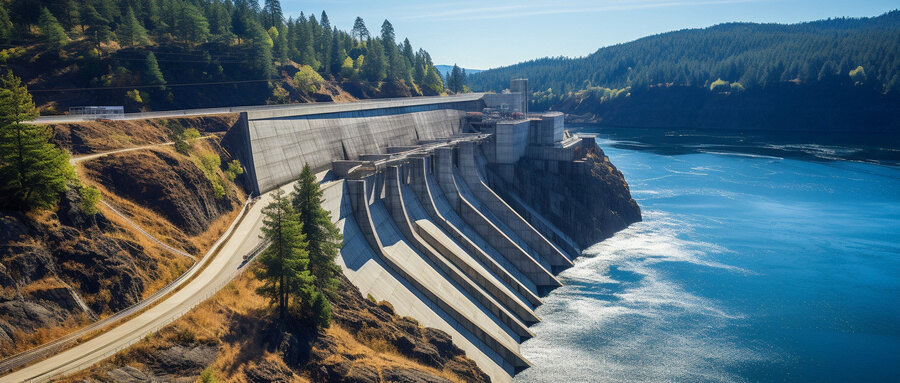
In recent years, Uzbekistan's hydropower industry has achieved remarkable results, with the number of hydropower stations in the country increasing from 36 in 2017 to 100 by 2025, and the installed capacity increasing from 1.6 gigawatts to 2.4 gigawatts. The successful operation of local hydropower stations has made Uzbekistan the only country in Central Asia with the production capacity of hydraulic turbines and supporting equipment. At present, there is still a significant gap in the development of hydropower resources in the country. Coupled with the sustained energy demand brought about by economic development and population growth, promoting the upgrading and expansion of hydropower and water conservancy infrastructure has become an inevitable trend in Uzbekistan's energy transformation and development.Editor/Gong Ziwei
Comment

 Praise
 Collect
 Comment

 Share
Share


Write something~