 Search


- The project spans a total length of 6900 kilometers across 13 countries
- This century project will be put into operation in 2031, reshaping the energy strategic landscape of Europe and Africa
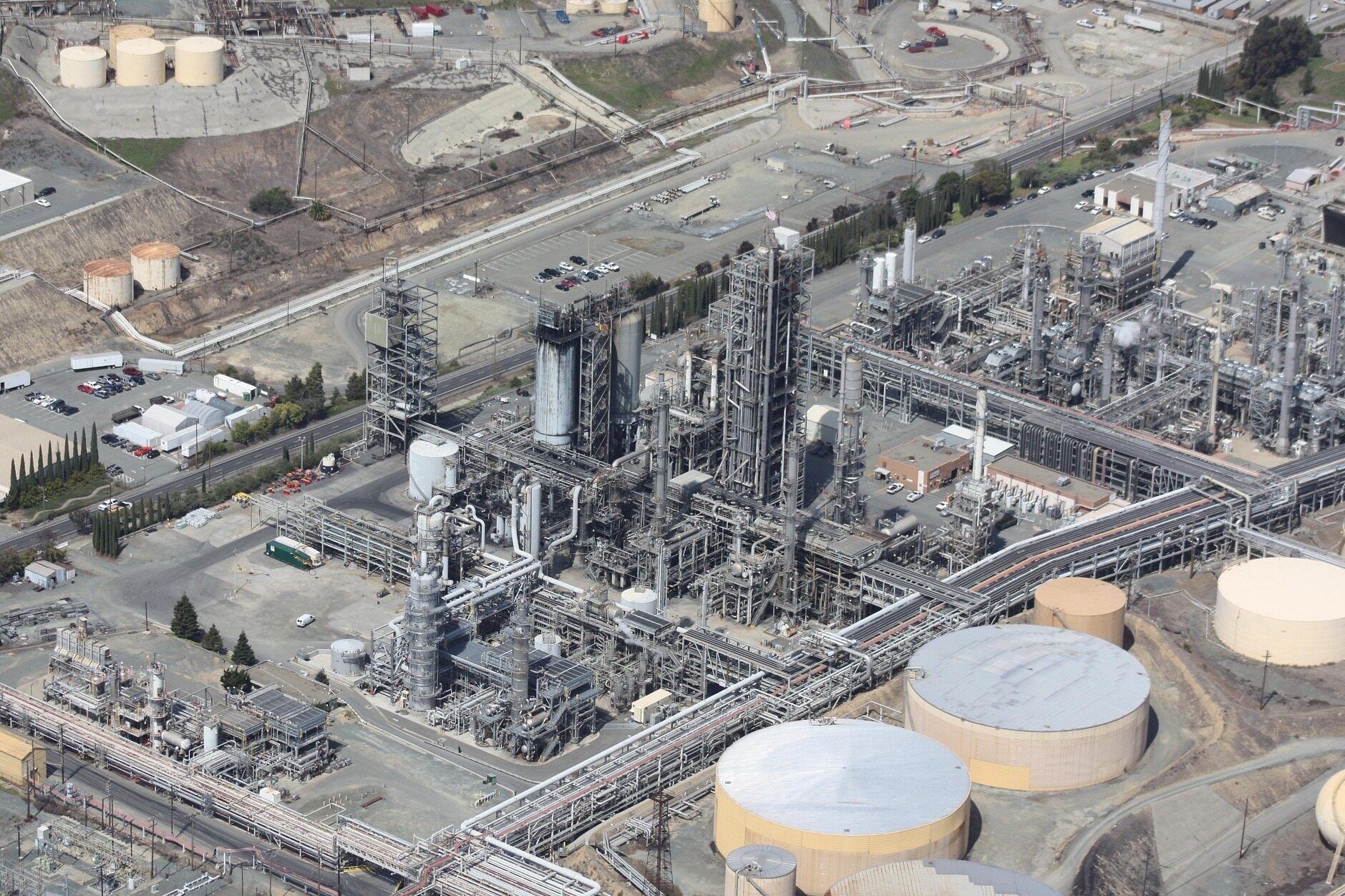
Against the backdrop of global energy restructuring and geopolitical supply-demand adjustments, a century long project spanning across the African continent has officially entered a critical stage of funding implementation. This is not only the pulse of the West African economy, but also a strategic extension of European energy security.
Recently, the official energy regulatory agency of Morocco announced that the cross-border natural gas pipeline project from Nigeria to Morocco has launched a comprehensive financing recruitment, with a huge amount of $25 billion being gathered, aiming to turn this energy artery with the highest planning specifications from blueprint to reality.
Newly restructured emerging talent debut management
The operator of this billion dollar capital feast is the Moroccan National Hydrocarbons and Mining Agency, which has just completed its shareholding reform. In February 2026, relying on Special Law No. 56.24, the institution transformed from a government department to a public limited liability operating enterprise. This is not a simple renaming, but a fundamental reshaping of functions and authorities - the restructured ONHYM enjoys exclusive exploration and development licenses for hydrocarbons and non phosphate minerals in Morocco. The policy empowerment has greatly expanded its market-oriented financing channels, enabling it to have comprehensive strength in coordinating large-scale cross-border infrastructure. This $25 billion financing action is its debut after restructuring, marking that the funding barrier for the project has been completely broken down.
6900 kilometers of steel dragon
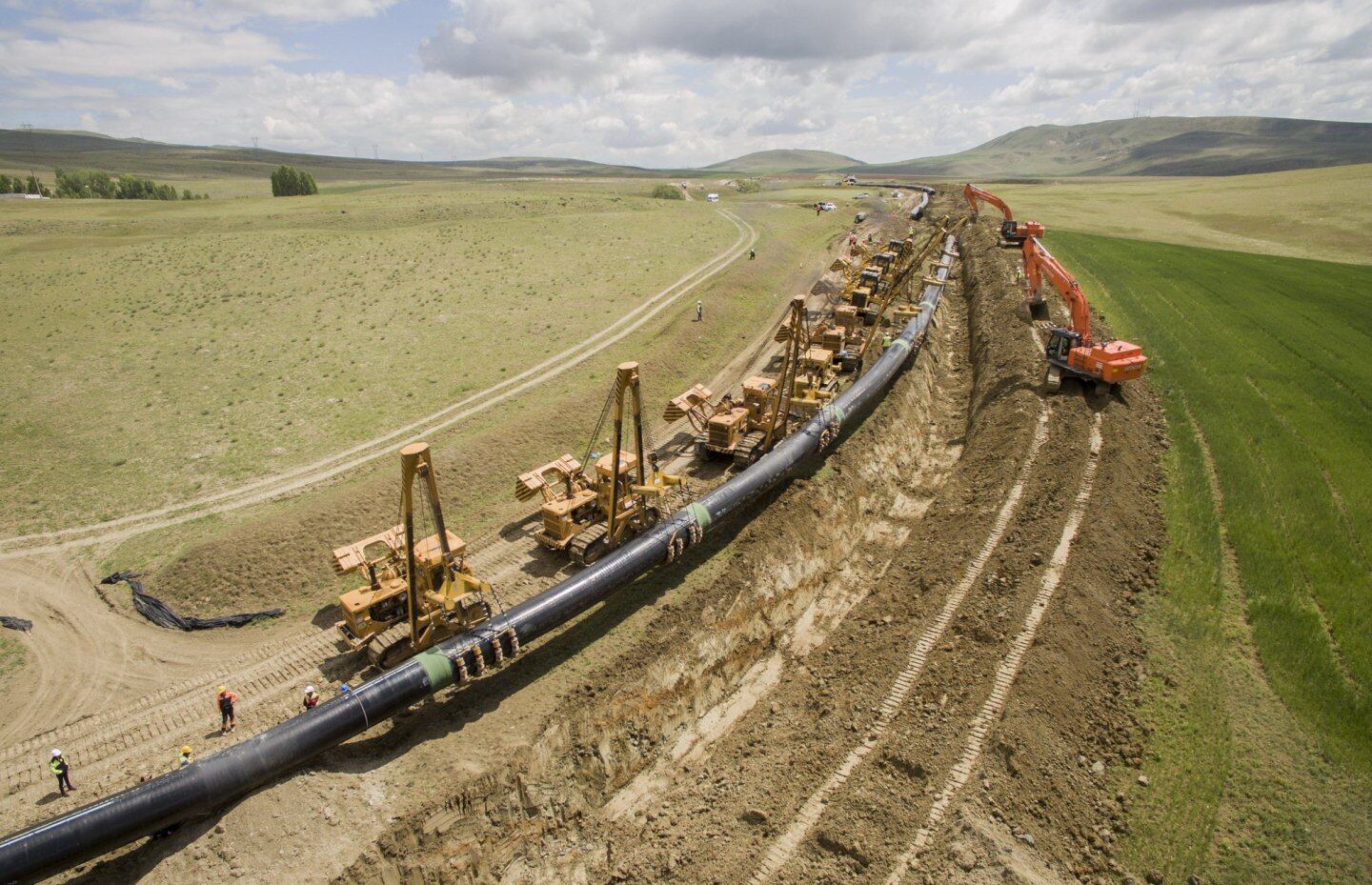
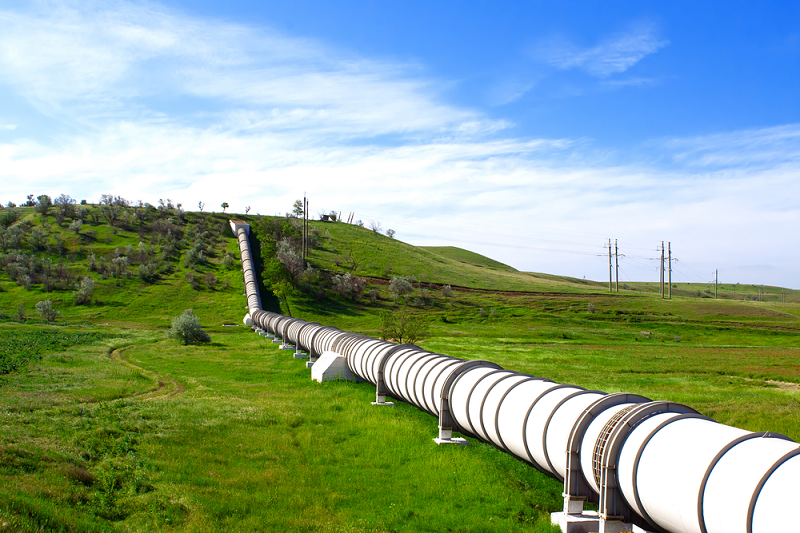
The ambition of this energy dragon is astonishing: it is approximately 6900 kilometers long and runs through 13 African countries along the west coast of the Atlantic Ocean, radiating 350 million people along the route. According to the plan, the annual gas transmission capacity of the pipeline will reach 30 billion cubic meters, of which 15 billion cubic meters will be reserved for local industries and people's livelihoods in Morocco, and the remaining half of the country will be transported to Europe through Morocco to fill the energy gap in Europe.
To alleviate financial pressure, the project adopts a scientific model of "segmented construction and gradual connectivity": initially focusing on the interconnection of pipeline networks in Morocco, Mauritania, and Senegal, then extending to Ghana and Cote d'Ivoire, and finally completing the docking with Nigeria's main gas fields by 2031, achieving the first batch of natural gas transmission.
The pace of project progress has been precise to the nearest second. Morocco and Nigeria have finalized a timetable to sign a core intergovernmental cooperation agreement within 2026. Keywords: international cooperation, natural gas pipeline projects
Subsequently, ONHYM will establish a joint venture with the National Oil Corporation of Nigeria to be fully responsible for the subsequent financing, construction, operation, and maintenance. This is not only an infrastructure project, but also a strategic bridge for energy security between Europe and Africa - it can help Europe break free from single energy dependence and inject strong impetus into West African industrialization, making Morocco truly a core hub connecting African resources and European markets.Editor/Cheng Liting
Comment

 Praise
 Collect
 Comment

 Share
Share


Write something~