 Search


- The heads of state of China and Tajikistan announced the deepening of the comprehensive strategic partnership
- Focus on high-quality development of the the Belt and Road and cooperation in the whole industrial chain of green energy
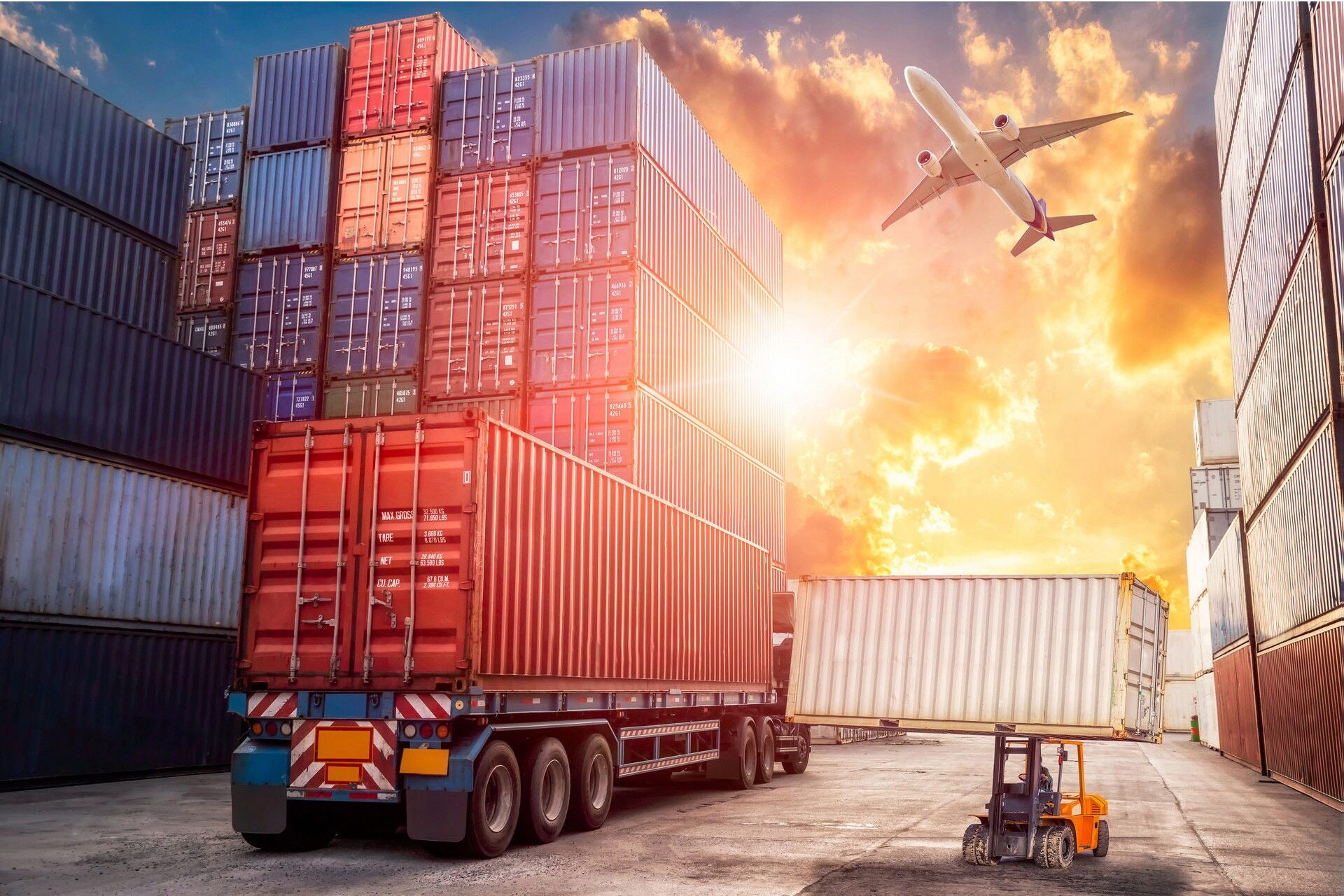
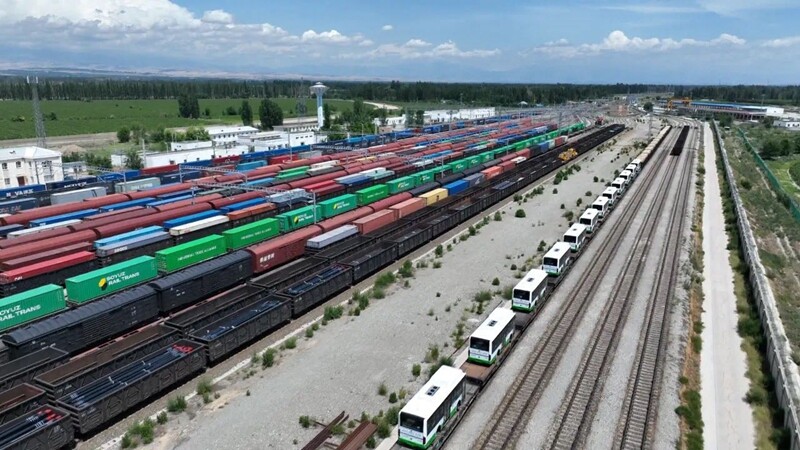
In May, on the Pamir Plateau, under the reflection of the ice and snow on Mount Mustagh, the traffic at the Karasu Port continues to flow. Truck driver Mr. Zhang has just unloaded a batch of photovoltaic panels and is waiting for the return of mineral products from Tajikistan. "The road is better, there are more goods, and now it is much faster than before." The change he said is the epitome of the high-quality development stage of the the Belt and Road jointly built by China and Tajikistan.
From May 11th to 14th, 2026, Tajikistan President Rahmon will pay a state visit to China. After the meeting, the two heads of state jointly announced that they will deepen the comprehensive strategic partnership in the new era and promote the construction of a China Tajikistan community with a shared future. The core of this cooperation upgrade lies in the deep connection between the the Belt and Road Initiative and Tajikistan's national development strategy before 2030, focusing on tapping the potential of connectivity and green energy.
Smooth flow of the road
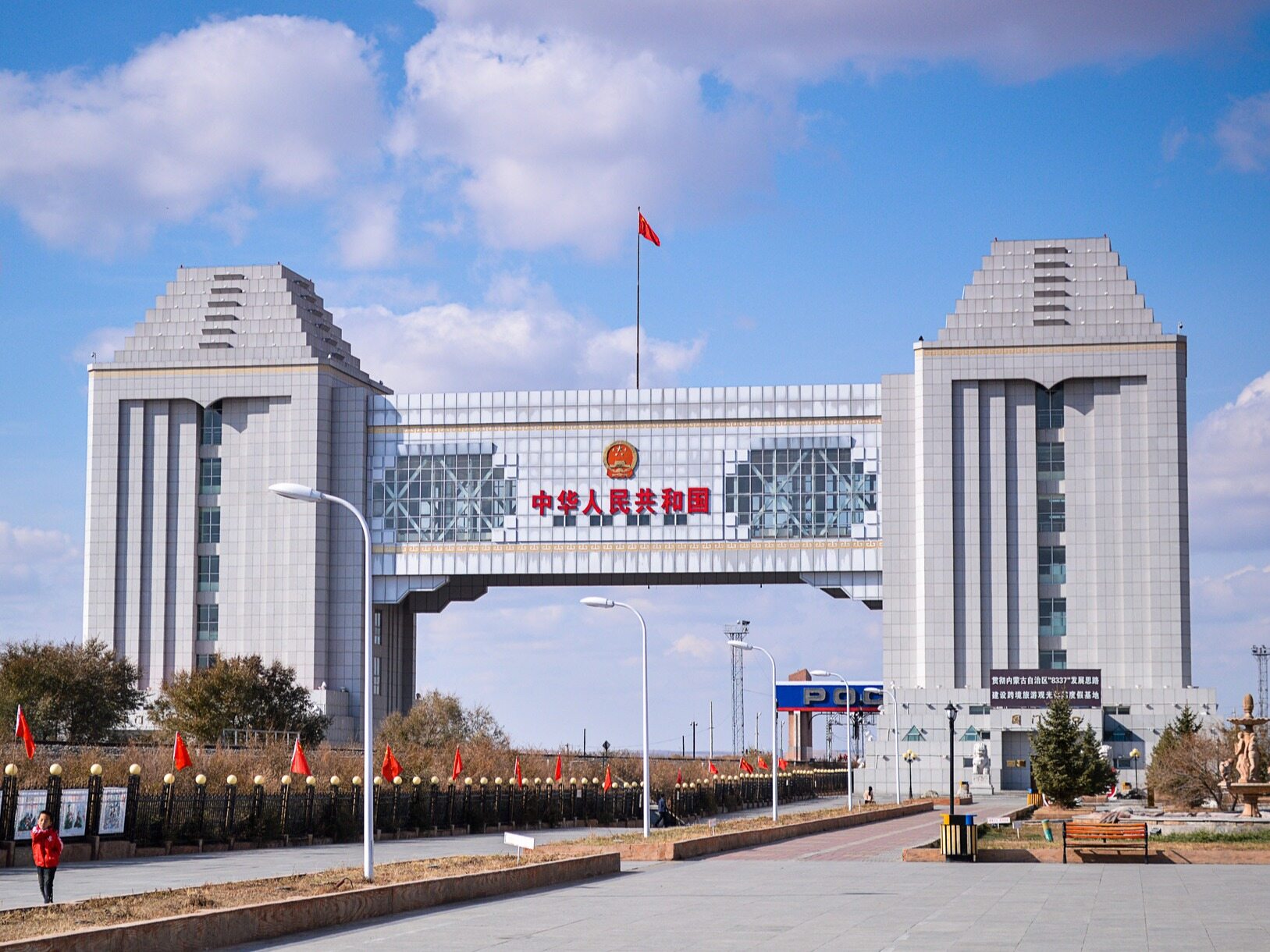
As the only land route between China and Tajikistan, the Karasu Port at an altitude of nearly 4000 meters is a barometer of trade between the two countries. In 2025, the import and export freight volume of the port will exceed 530000 tons, and the export of commodity vehicles will reach 24000, with rapid growth for three consecutive years.
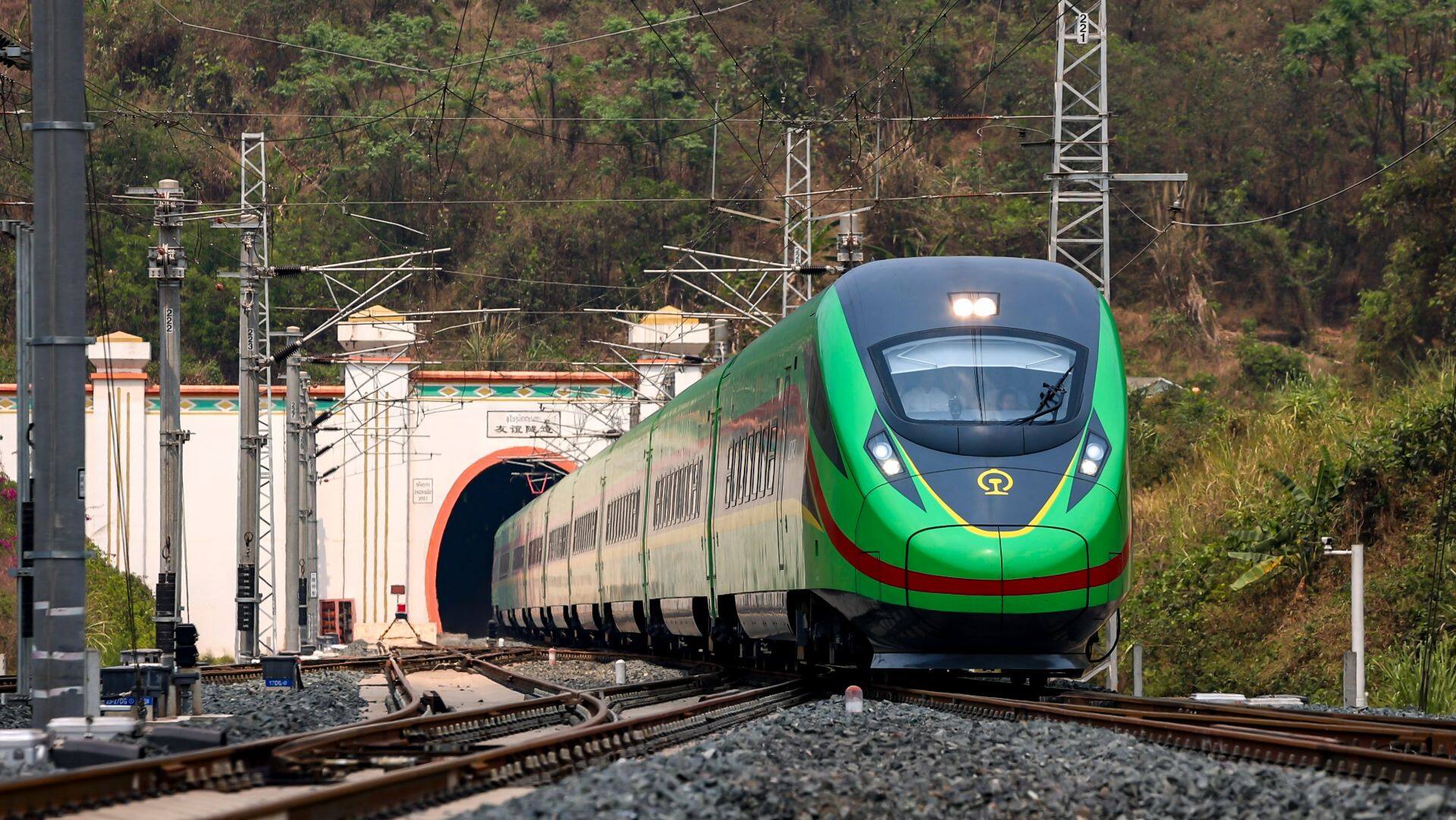
In order to further connect the meridians, both sides clearly stated in the statement that they will promote the modernization of the China Tajikistan Highway and the Karasu Kulemai Port. This not only means hardware upgrades, but also the establishment of a bilateral port cooperation mechanism to compress customs clearance time from the past few days to a few hours, significantly improving the level of connectivity between the two countries. This plateau sky road is becoming a logistics fast lane connecting China and Central Asia.
Green energy drive
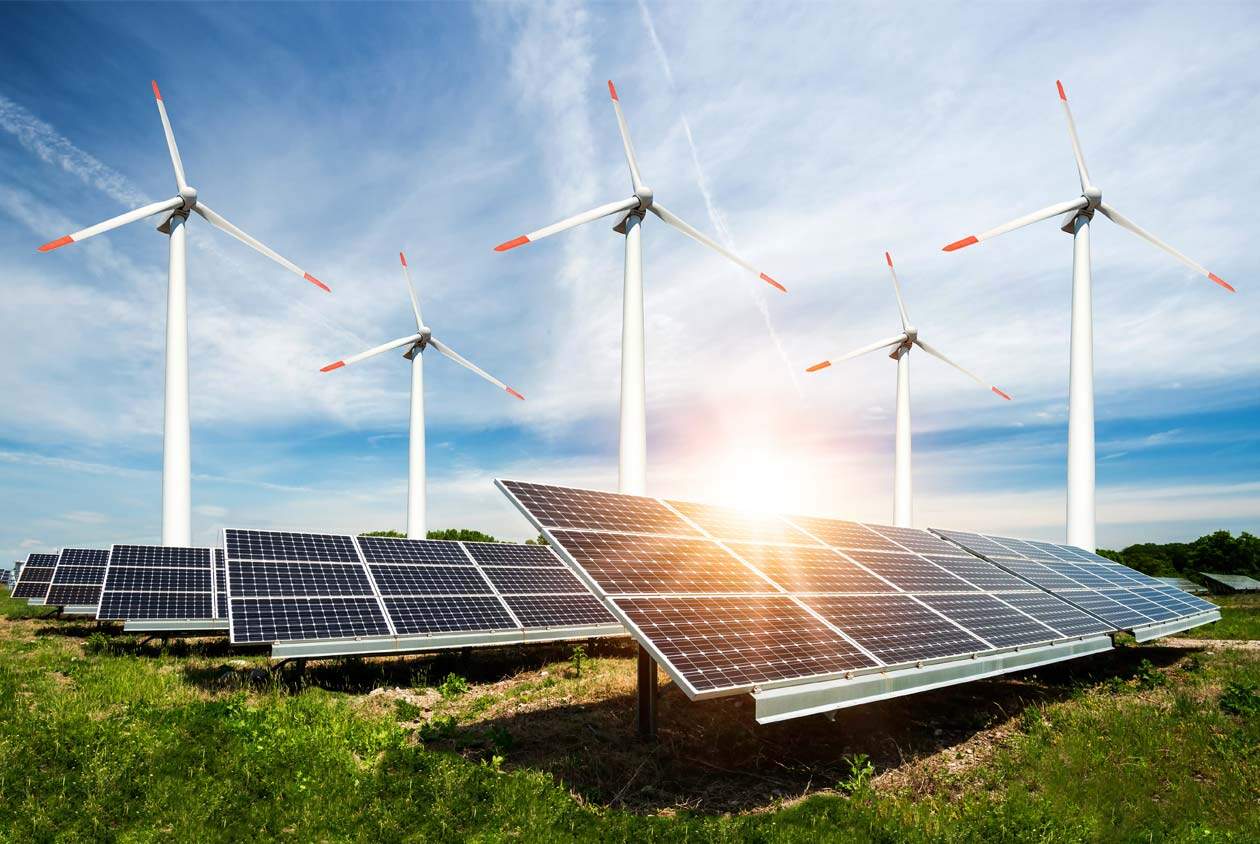
Tajikistan is known as the "water tower of Central Asia", but winter power shortages have always been a pain point for its development. Based on this, energy cooperation has become the highlight of this meeting. Both parties agree to implement a joint renewable energy project, covering the fields of photovoltaics, wind power, and energy storage. This includes not only equipment exports, but also full chain cooperation in technology, standards, and talent.
What is particularly noteworthy is that China will use modern remote sensing technology to provide glacier melting monitoring technology support for Tajikistan. This is not only related to climate change response, but also directly related to Tajikistan's energy security centered on hydropower. At the same time, both sides will develop full industry chain cooperation in the mineral field, transforming resource advantages into tangible development momentum.keywords:Engineering infrastructure,the Belt and Road
safe escort
Prosperity cannot be separated from security. In the context of jointly building the high-quality development of the the Belt and Road, the two sides especially emphasized the project security measures, committed to jointly combat the three forces and transnational organized crime, and build a security barrier for enterprises and personnel of the two countries.
From the plateau sky road to the green power station, the cooperation between China and Tajikistan is showing a distinct feature of "hard connectivity" and "soft connectivity" advancing simultaneously, driven by both "traditional infrastructure" and "new energy". As the the Belt and Road cooperation goes deep and solid, this cooperation road across the Pamirs is becoming more smooth and bright.Editor/Yang Meiling
Comment



 Praise
 Collect
 Comment

 Share
Share


Write something~