 Search


- The Moroccan government has announced the 2026 fiscal bill, planning to invest $38 billion in infrastructure construction
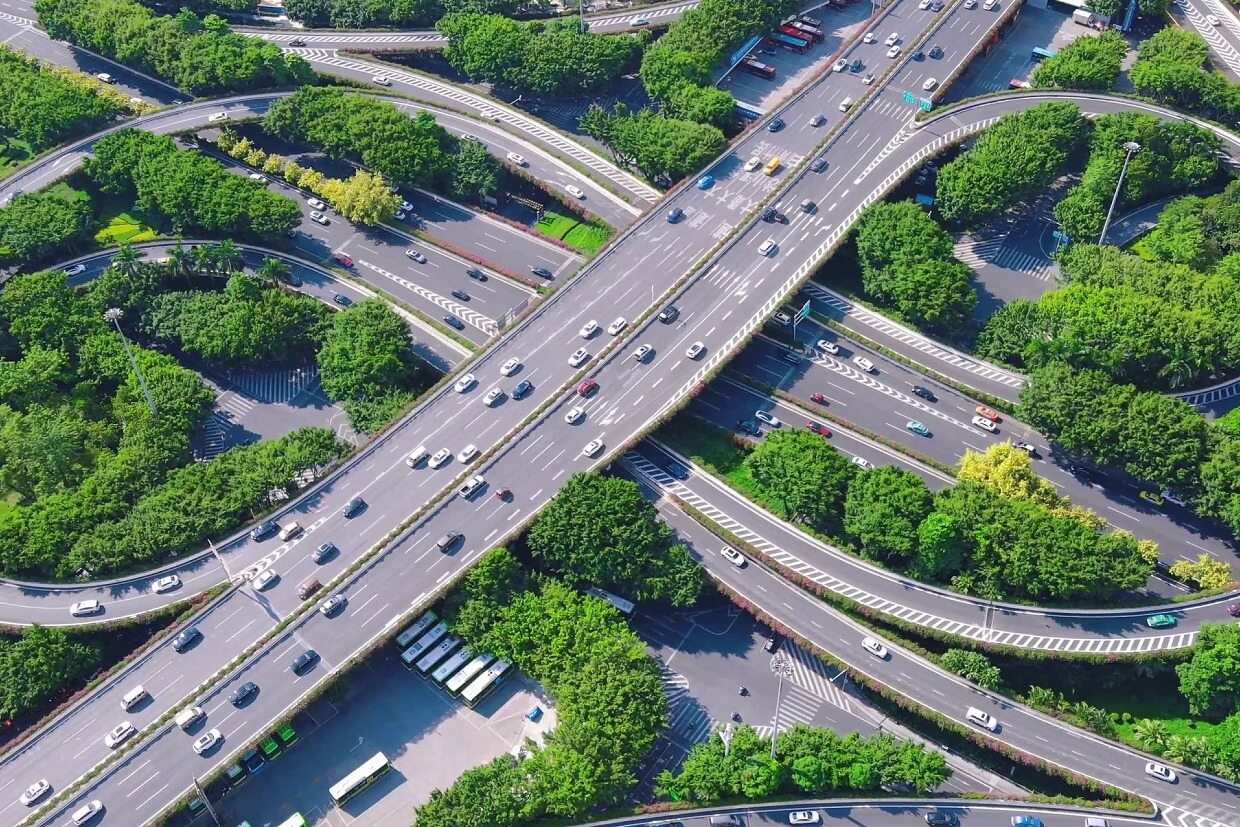
In May 2026, the Moroccan government announced the 2026 fiscal bill, which plans to invest $38 billion in infrastructure construction. More than 9.6 billion US dollars were invested in the transportation sector, and five civil engineering sections of the high-speed railway phase II project were implemented by Chinese companies. This North African country is taking the 2030 World Cup as an opportunity to accelerate its strategy of becoming a hub country for Europe and Africa.

9.6 billion US dollars to build a one hour economic circle
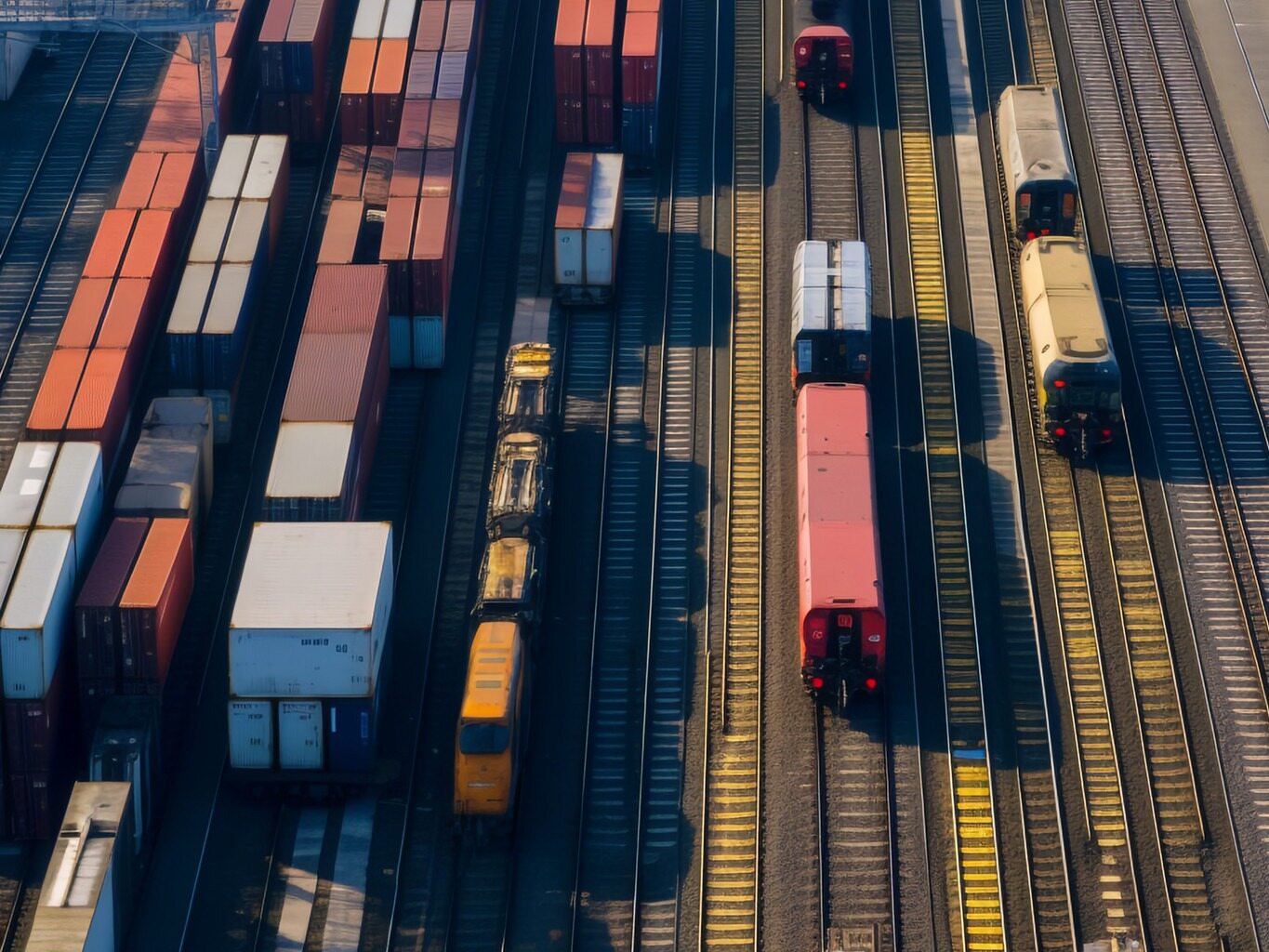
The total investment in transportation construction exceeds 9.6 billion US dollars, with the goal of achieving a one hour commute to major cities across the country. The second phase of the Kenitra to Marrakesh high-speed railway is 430 kilometers long, reducing the travel time from Tangier to Marrakesh from 7 hours to 2.5 hours. Chinese companies such as China Railway Fourth Bureau, China Railway 20th Bureau, Shandong Expressway, Gezhouba, and Hydropower Fifth Bureau participated in the civil engineering project. The new terminal building of Casablanca Airport is investing approximately $1.5 billion, making it the largest airport expansion project in Morocco in 70 years.
$5 billion invested in energy and water resources
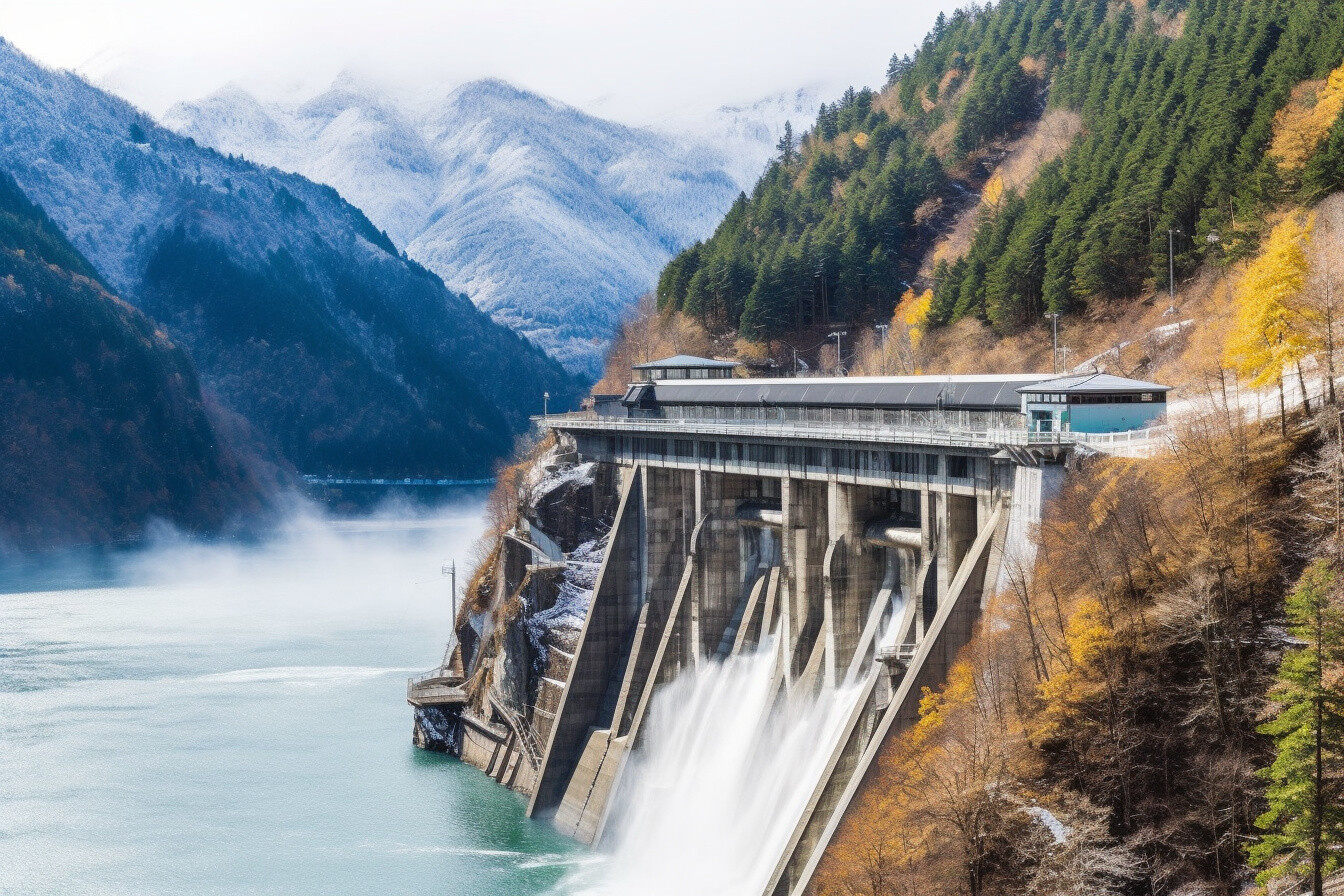
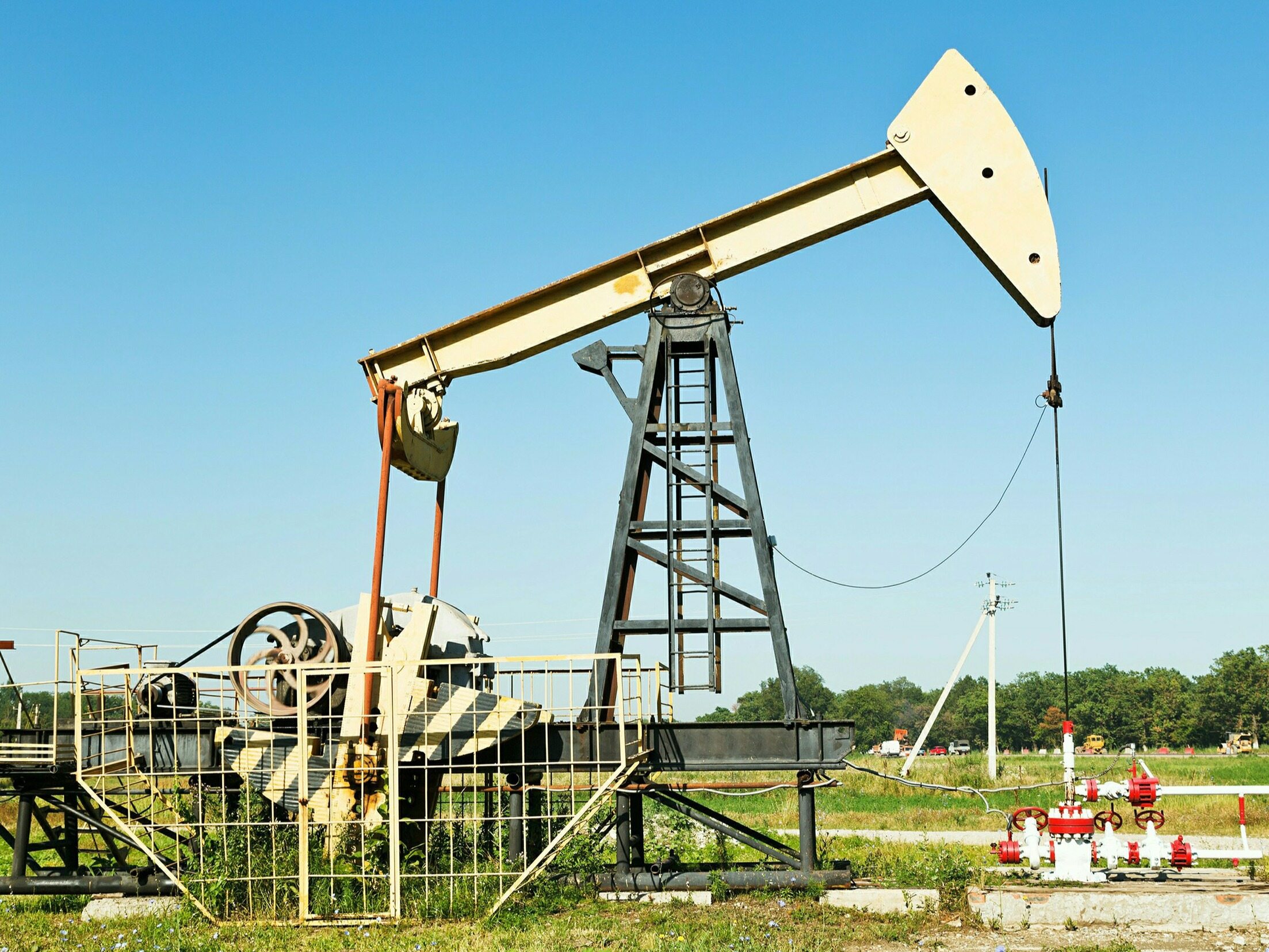
Morocco relies on imports for over 90% of its energy, and will invest over 5 billion US dollars in the energy sector by 2026, with a focus on developing solar energy, wind energy, and green hydrogen. In terms of water conservancy, two new large dams will be put into operation to promote the construction of three major seawater desalination plants in Casablanca, Tangier, and Agadir. The construction of sports venues has invested over 5 billion US dollars, and the Hassan II Stadium has 115000 fixed seats. After completion, it will become the world's second largest sports stadium. Keywords: infrastructure engineering, transportation, water conservancy, highways
Tangier Port becomes the largest port in Africa
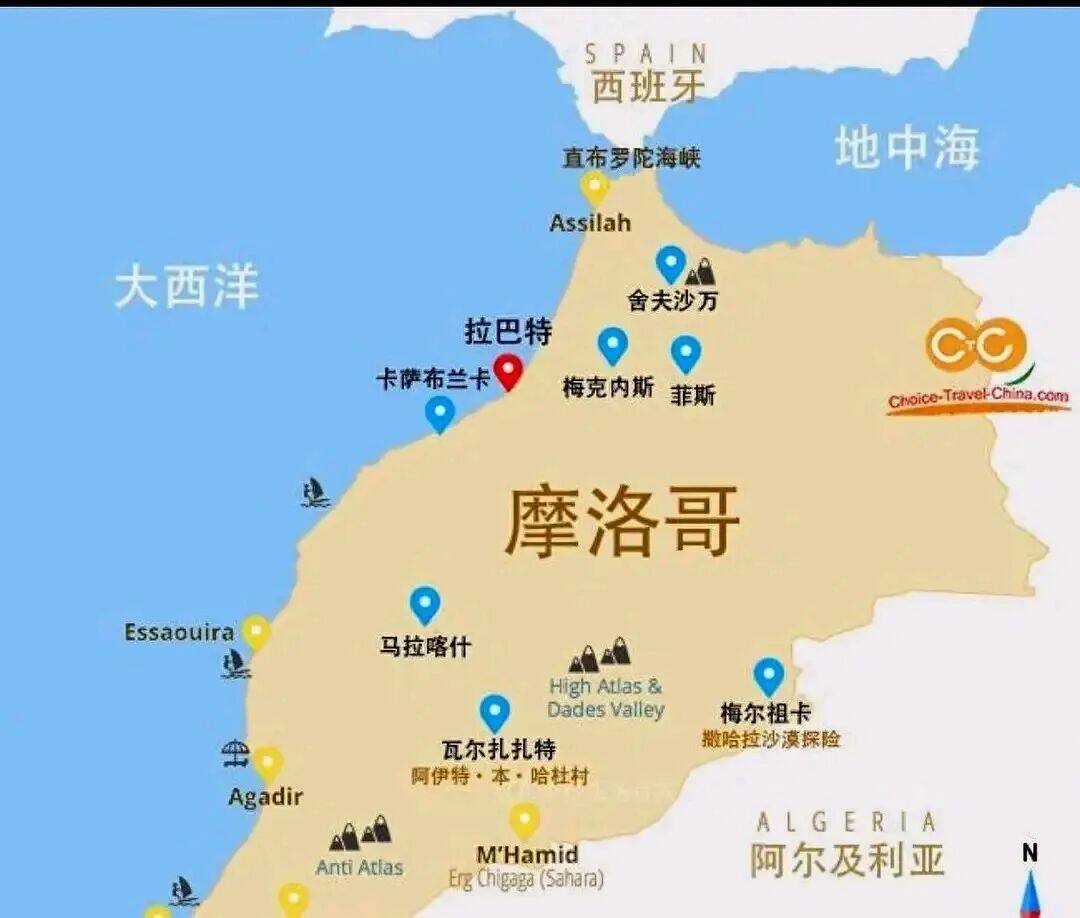
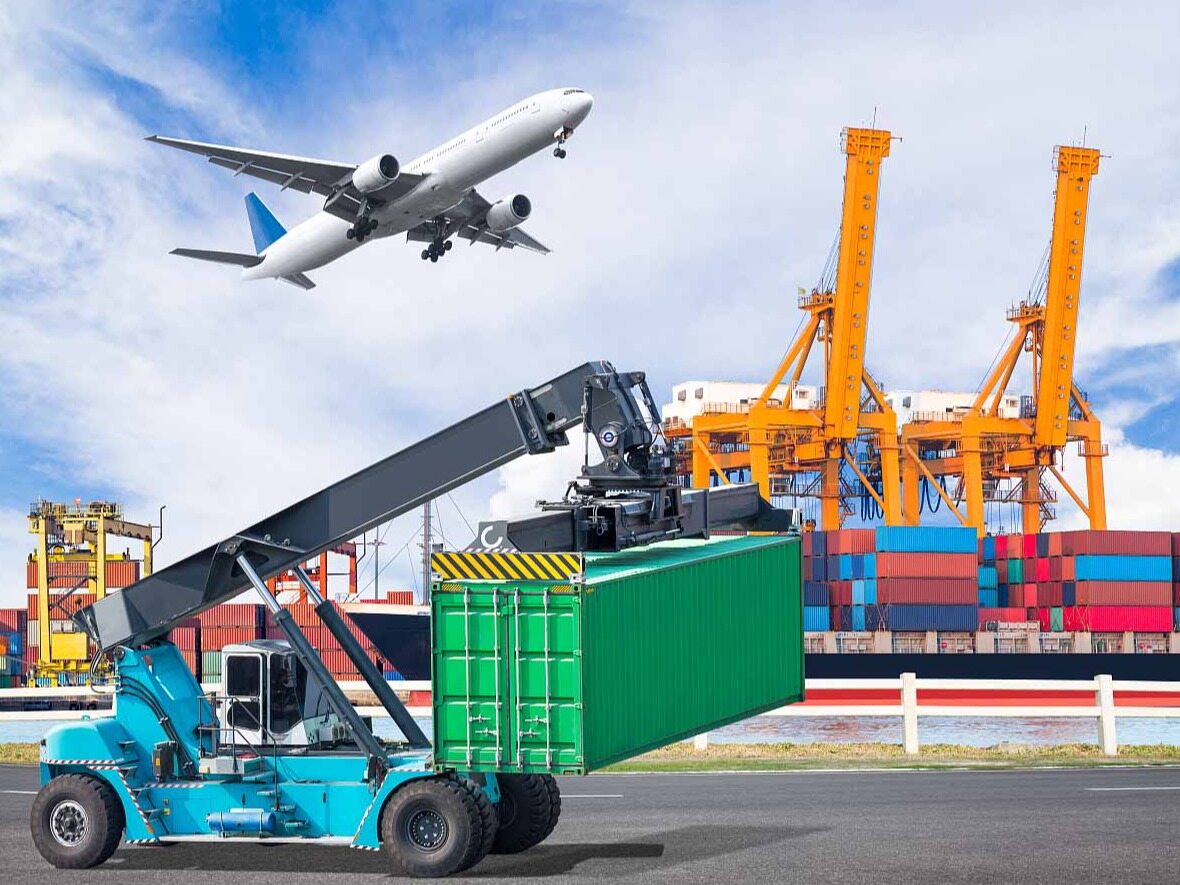
Tangier Mediterranean Port will exceed 10 million TEUs in 2024, becoming the largest container port in Africa and the Mediterranean. China Road and Bridge Corporation participated in the construction of the port, and the Tangier Technology City built around the port attracted companies such as Renault and Senqilin Tire to settle in. The Dakhla Atlantic Port is planned to be put into operation in 2028, providing an outlet for landlocked countries in the Sahel region. Chinese enterprises are transforming from infrastructure participants to leaders.Editor/Gao Xue
Comment


 Praise
 Collect
 Comment

 Share
Share


Write something~