 Search


- An important corridor to the west coast of Africa will be opened so that goods can be exported through the port of Lobito in Angola
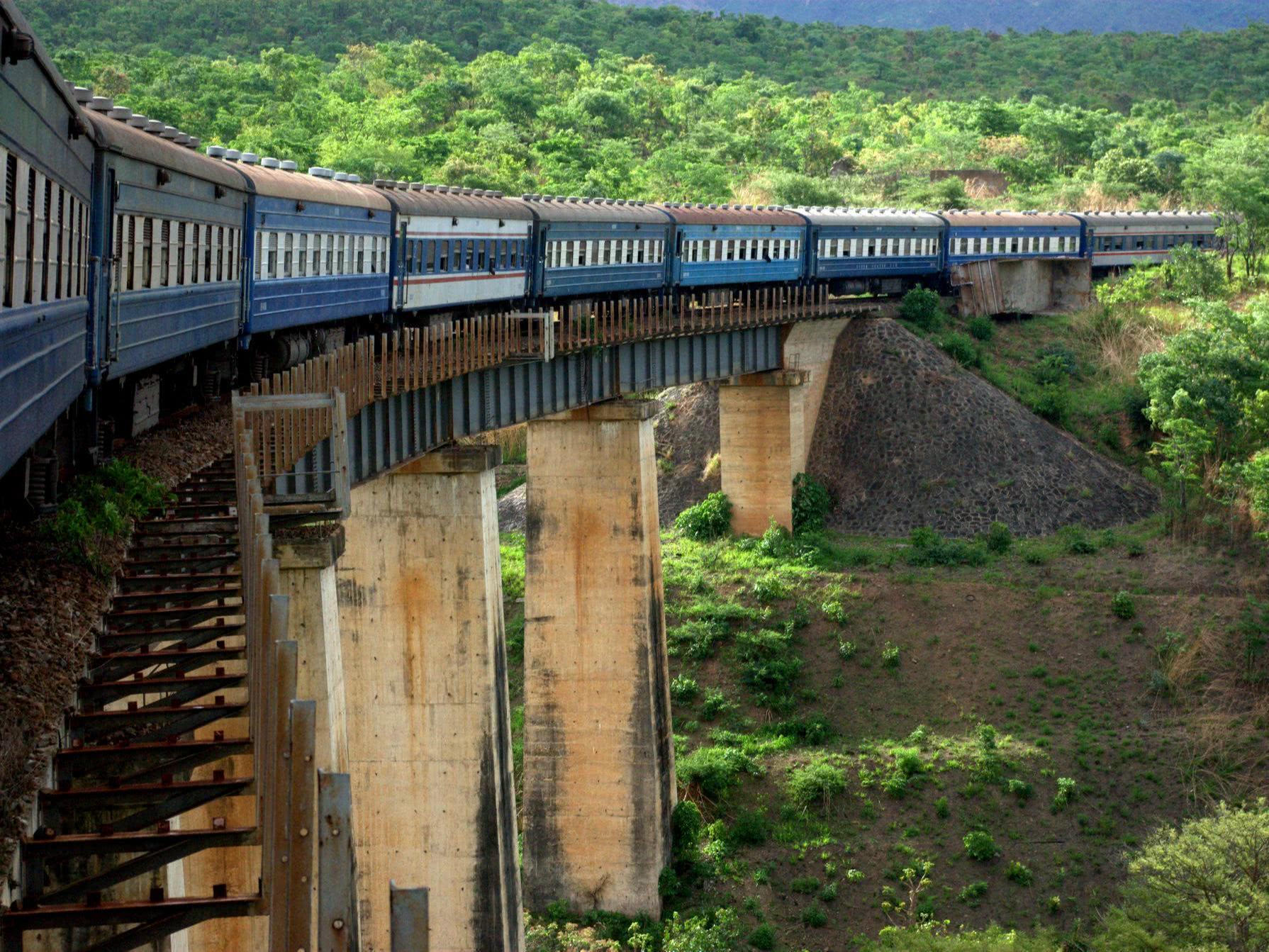
For a long time, the copper belt area in Zambia has been associated with the mining of minerals, which gave the area its name. But in recent years, copper mine output has increased substantially in the neighboring western regions.
However, although new mines have been increasing production capacity, much of the infrastructure (such as smelters) needed to process copper mines is still located around the older mines in the east. Iron ore is currently transported by road, but this has had a major impact on the government, which was forced to spend $100 million to repair the road network last year.
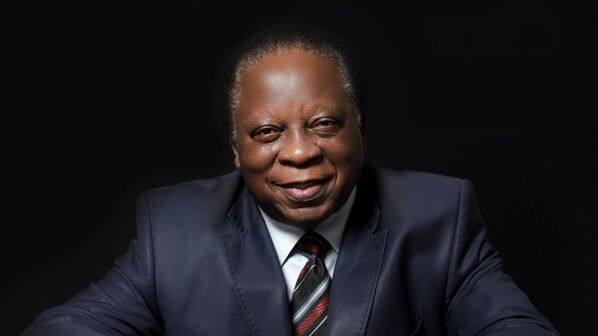
In order to alleviate this pressure on roads, Mr. Enoch Kavindele, former Vice President of Zambia, is taking the lead in building the Northwest Railway. Phase 1A will be from Chingola in the Copperbelt Province to Solvíz in the Northwest Province. Phase 1B will extend to Kalumbila, while Phase 2 will extend to the border of Angola, eventually connecting with the Benguela line in Angola at Lucano.
The entire project is expected to cost US$1.5 billion, of which Phase A cost US$500 million.
The 166-kilometer Phase 1A project will connect Chingola’s existing North-South Railway Corridor and the new Solwezi Freight Station. The production line will also be connected to the recently upgraded D-271 road to Kipushi on the border of the Democratic Republic of the Congo, creating a new export channel for Katanga mining production.
The ore will be shipped from Solwezi to Chingola, where some processing may take place, and then the mineral will be exported overseas through Durban in South Africa or Dar es Salaam in Tanzania.
After the completion of the second phase of the project, this railway line will also open up an important and more direct corridor to the west coast of Africa, allowing goods to be exported through the port of Lobito in Angola.
This line will pass through the middle of the Lobito Corridor, which includes the four provinces of Angola (Huambo, Benguela, Bay and Mexico), and the four provinces of the Democratic Republic of Congo (Cantanga, Tanzania, Los Angeles). Mami and Lulalaba)) as well as the copper belt of Zambia and the northwestern provinces.
Kavindele said that the land around the corridor has matured and the development industry has matured. Mining giants Rio Tinto and BHP Billiton have obtained mining licenses together with many Chinese companies.
In 2018, the African Development Bank provided US$1.8 million in grants to fund the Lobito Corridor trade facilitation project to formulate its development strategy. The area can also develop agriculture, Kavindele said, these industries may use new lines.
He said: "Zambia is a landlocked country, so we are trying to connect it to land." "The existing railway line runs from Zambia to Zimbabwe and South Africa, and another railway line reaches Dar es Salaam."
construction
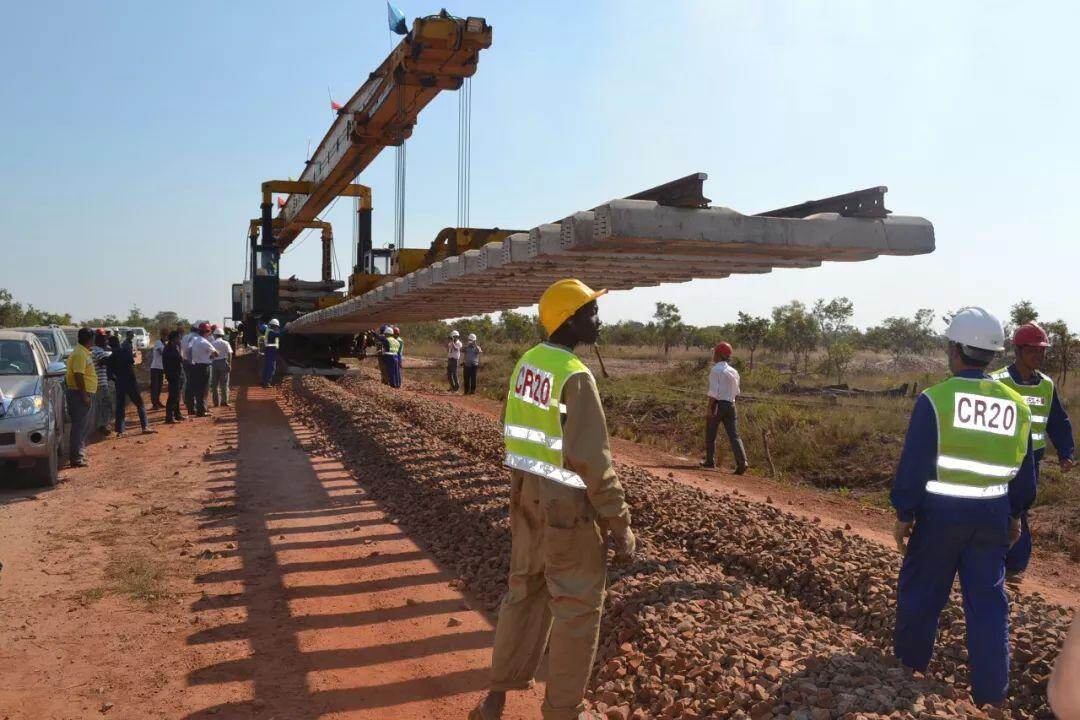
In November 2020, Northwest Railway signed a cooperation agreement with Smart Operations, a subsidiary of Uroven and Transmashholding in the UK, to build Phase 1A. The partnership will develop a bank feasibility study for Phase 1A, which is scheduled to be completed in the first quarter of 2021. The research will include land surveys and will also study the required land acquisition process.
After the feasibility study is completed, Smart Operations will lead and execute Phase 1A of the project together with selected partners. The company will provide an overall solution, which includes providing advanced control and maintenance systems, building production lines and providing locomotives and trucks. Northwest Railway is also in discussions with a British manufacturer to provide sleepers for the project.
Kavindele said that some preliminary works are underway, but due to heavy seasonal rain in the area, the main works cannot start immediately.
Kavindele acknowledged that raising funds for projects in countries such as Zambia is not an easy task, but he said that progress has been made. The government supports the project by providing land, and funding is provided through loans provided by various development banks operating in Africa.
This line is expected to be operated by a private company, whose revenue will be used to repay loans.
Phase 1A will be from Chingola to Solwezi, Phase 1B from Solwezi to Kalumbila, and Phase 2 from Kalumbila to the Angolan border.
As of the end of 2020, Zambia has made business headlines due to various wrong reasons. Before the 30-day grace period expired on November 13, the government failed to pay the overdue US$42.5 million in Eurobond coupons, marking the country’s first sovereign debt default since the African pandemic.
However, Kavindele said this will not affect the capital investment of the Northwest Railway. "As far as I know, this has no impact on the project." "This is a private-sector-driven project. These mines must still be in operation, so the copper mine must still be put on the market, thereby reducing the impact."
The government's support for the project is also very important, considering that strong road transporters are worried that this route will affect their business.
"We have overcome this problem because we have obtained government permits, obtained government support by providing land and government participation in the project," Kavindele said. "Unlike mines, railways are passing through many counties, so government support is crucial." This support provides a pipeline idea that North Rhine-Westphalia can explain that this line will bring to people living next to it the benefits of.
Thanks to the country’s strong response, the project was able to avoid the worst consequences of the Covid-19 pandemic. The biggest challenge posed by the pandemic was to restrict the introduction of outside experts into Zambia, but the work continued.
Thanks to China's strong response measures, the project has also avoided the worst impact of the Covid-19 pandemic. The biggest challenge posed by this pandemic was to restrict the introduction of outside expertise into Zambia, but work continued.Editor/Huang Lijun
Comment


 Praise
 Collect
 Comment

 Share
Share


Write something~