 Search


- Malaysia is the world’s second largest palm oil exporter after Indonesia, exporting approximately 17 million tons per year
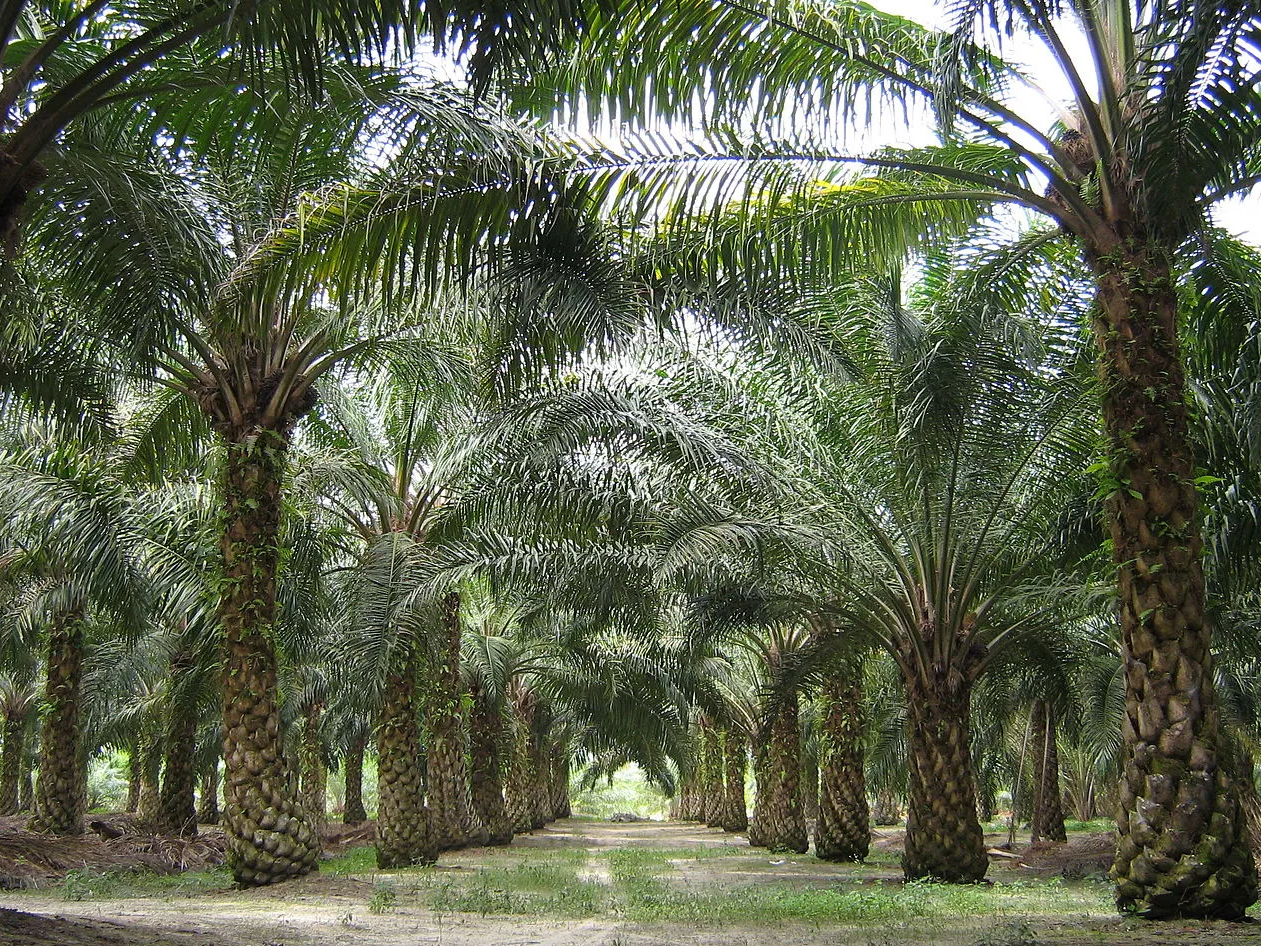
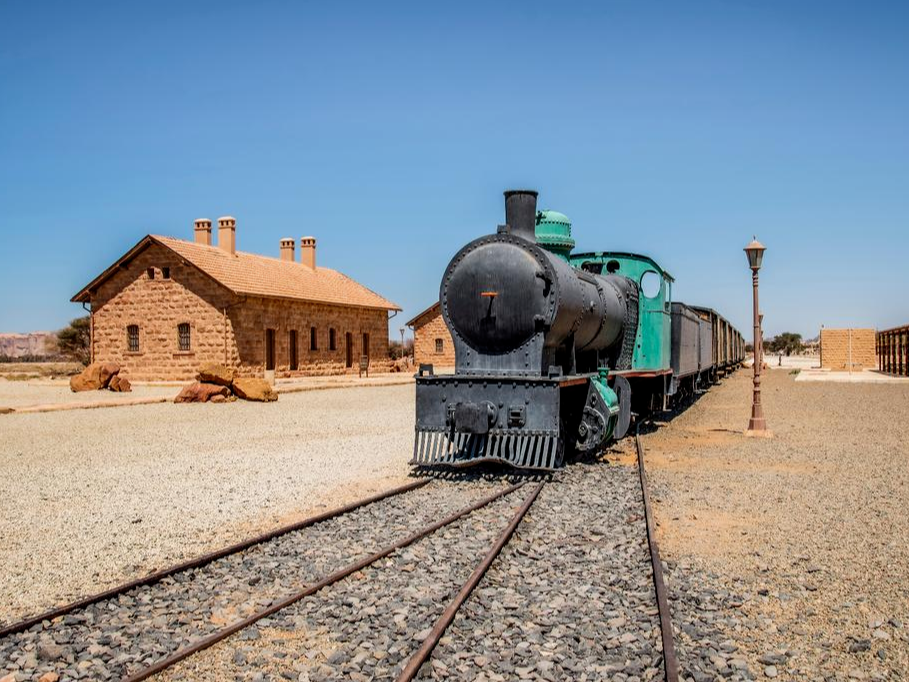
The Indian state-owned railway company Ircon International is negotiating with the Malaysian government to discuss plans to build a $1 billion railway on the west side of the peninsula, of which about $700 million will be covered by palm oil.
Ircon Chairman SK Chaudhary said: "We are studying this project in Malaysia and checking whether they can pay 70% of the project cost in the form of palm oil."
He added that the negotiations are at the preliminary stage and involve the design and construction of a route along the country’s west coast, with one of its terminals near Kuala Lumpur.
Railroad in exchange for palm oil
This transaction is unusual, but not unprecedented. In 2001, Ircon agreed to a similar agreement and established a 31-kilometer railway line between Ulai and Tanjung Pelapas in exchange for palm oil.
A large amount of palm oil usually flows between the two countries. Malaysia is the world’s second largest palm oil exporter after Indonesia, exporting approximately 17 million tons per year, while India is the world’s largest importer, purchasing approximately 9 million tons of palm oil per year. , Valued at approximately US$5.4 billion.
However, in January 2020, after Malaysian Prime Minister Mahathir Mohammad (Mahathir Mohammad) criticized India's policy towards Jammu and Kashmir, all edible oil trade between the two countries ceased. After Muhyiddin Yassin came to power, trade resumed in March 2021.
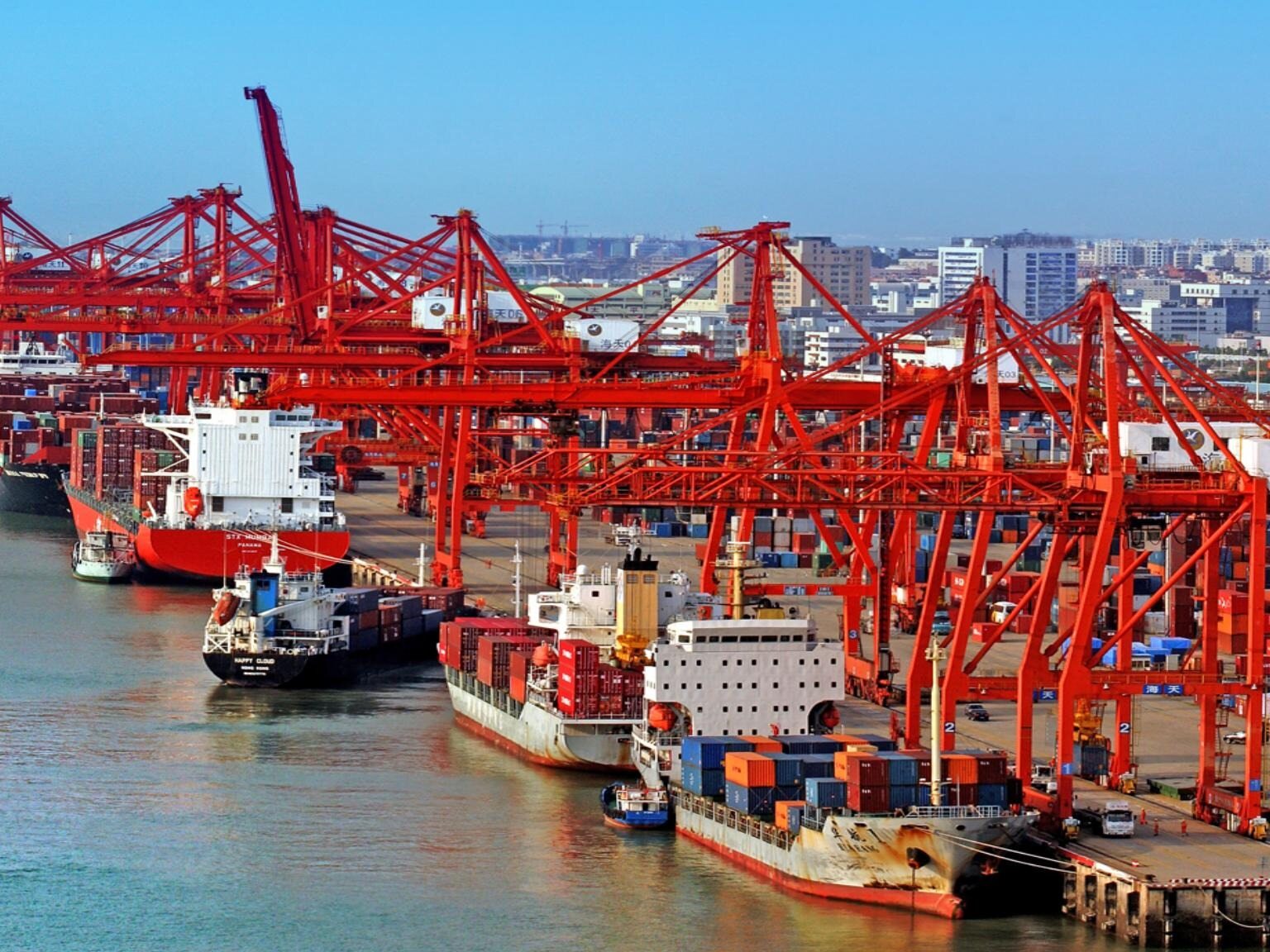
China reached another noteworthy palm oil deal in 2019. China agreed to accept Malaysia’s palm oil worth nearly US$150 million in exchange for construction services and civilian and defense equipment. Editor/Huang Lijun
Comment



 Praise
 Collect
 Comment

 Share
Share


Write something~