 Search


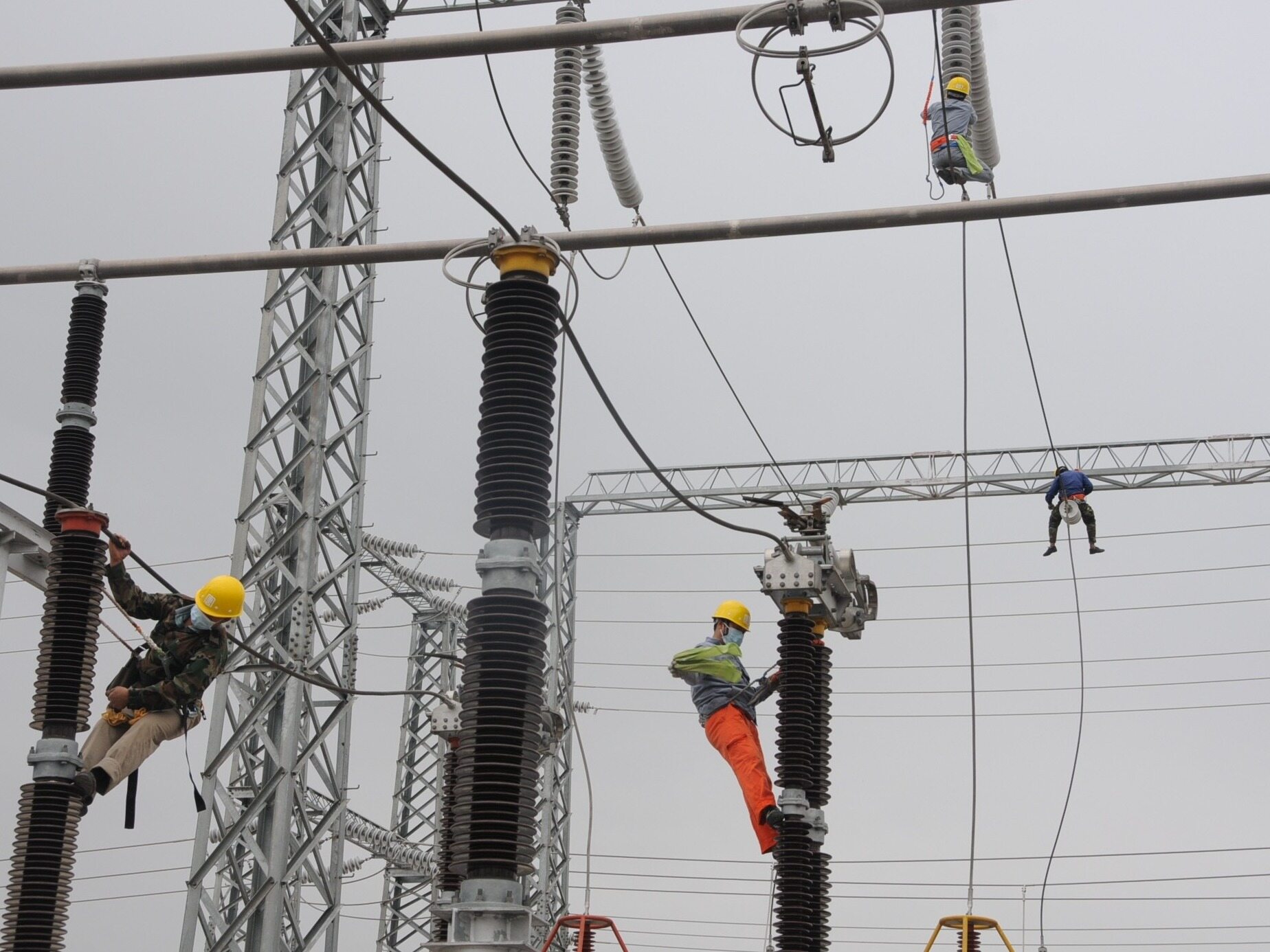
- With the overseas expansion of global power companies, competition in overseas investment is becoming increasingly fierce
In recent years, large-scale power generation groups in China have actively implemented the "Four Revolutions, One Cooperation" energy strategic thinking of General Secretary Jinping, actively participated in the construction of the Belt and Road Initiative and international energy cooperation, accelerated the pace of internationalization, and continued to strengthen their international competitiveness. According to the 2020 China Top 100 Multinational Companies and Multinational Indexes released by the China Enterprise Confederation and the China Entrepreneurs Association, SPIC, Huaneng, Huadian Group, and Datang are all in the top 100, with overseas assets exceeding 10 billion yuan.
Overseas layout of China's large power generation groups
The following will sort out the power projects and investment directions currently deployed by China's four major power generation groups overseas. SPIC's overseas investment is large and extensive, including nuclear power, thermal power, hydropower, new energy, mining, etc. The investment countries are all over Asia, Europe, Oceania, and South America. As of the end of 2019, SPIC’s overseas business was distributed in 45 countries including Japan, Australia, Malta, Brazil, Chile, Turkey, Pakistan, and Myanmar. Among them, 37 were in the Belt and Road countries. The installed capacity of investment in transport was 5.21 million kilowatts, including 234 hydropower. 10,000 kilowatts, coal power 1.82 million kilowatts, gas power 180,000 kilowatts, wind power 710,000 kilowatts, photovoltaic power generation 160,000 kilowatts, clean energy accounted for 65.1%; overseas installed capacity of 10.87 million kilowatts, of which coal power is 1.32 million kilowatts, Renewable energy is 9.55 million kilowatts. In addition, SPIC is also actively participating in Turkey's third nuclear power plant project, with a total scale of more than 20 billion U.S. dollars, and participating in the purchase of Karachi Electric Power in Pakistan.
Huaneng Group has a relatively large overseas installed capacity, and its investment types include thermal power, hydropower, coal mines, etc. It has entered the Singapore market through the acquisition of Singapore Tuas Energy Corporation and entered the British and Australian markets through the acquisition of International Power Corporation.
National Energy Group's overseas investments include thermal power, wind power, shale gas, coal, etc., and signed a memorandum of understanding with West Virginia in 2017 with a total investment of up to 83.7 billion U.S. dollars. The investment areas include power and chemical industries. Longyuan Power, a subsidiary of the National Energy Group, is actively deploying overseas. At present, there are 30 projects under negotiation in nearly 20 countries, with an installed capacity of 8760MW, mainly wind power.
Datang Group's overseas investment areas include hydropower, thermal power, clean energy, and power transmission and transformation. The main overseas investment projects are concentrated in the field of hydropower.
From the horizontal comparison of overseas investment layout, investment method, investment country, installed capacity, etc., it is found that China’s five major power generation groups have relatively consistent choices in investment methods and countries, but they have some differences in the breadth of the layout and installed capacity. difference. At present, SPIC has a large number of overseas investment projects, and its types and geographical distribution are relatively wide. It is in the forefront of overseas investment; although Huaneng Group has obtained high installed capacity through mergers and acquisitions, its layout is not as extensive as SPIC; In contrast, the number and installed capacity of Huadian Group are relatively small. As of the end of 2019, Huadian Group had 6 power stations in operation, with an installed capacity of 1.441 million kilowatts, which was only 28% of SPIC. From the perspective of investment direction, the five major power generation groups have invested more in thermal power and hydropower, but have gradually invested in wind power and photovoltaics. Among them, the National Energy Group has made outstanding progress in wind power; from the perspective of investment methods and countries, the five largest The investment of power generation groups is still mainly concentrated in the Belt and Road countries, especially Southeast Asian countries, where Indonesia, Myanmar and Cambodia are the regions with more investment; while in developed countries, the five major power generation groups mainly expand their business through mergers and acquisitions. Huaneng Group and National Energy Group have many merger and acquisition projects.
Although the five major power generation groups are in the forefront of Chinese companies in terms of internationalization, there is a certain gap in installed capacity and the number of overseas projects compared with the Three Gorges Group, which has greater influence in Portugal, the United Kingdom, Brazil, Pakistan and other countries. In addition, the degree of internationalization of Chinese power construction companies is generally higher than that of power generation groups. Power construction companies represented by China Power Construction have higher global business scale and influence than power generation groups, and they are also more advanced in international competition. status.
Future strategy
At present, investing abroad, especially in countries along the Belt and Road, is an important way for the five major power generation groups to expand their business scale. From the perspective of the strategies of the five major power generation groups, although overall their internationalization strategies are not very different, they all emphasize the importance of internationalization, but there are still certain differences in the direction of focus, and the epidemic has not stopped their overseas expansion. Specifically: SPIC emphasizes on grasping the trend of the global energy revolution, driven by advanced energy technology innovation, with clean energy supply and energy ecosystem integration as the direction, in order to promote the coordinated development of industries and regions, international development and build international brands As a path to build a world-class clean energy company with global competitiveness; Huaneng Group emphasizes participation in international governance in its corporate mission, serves the construction of the Belt and Road, and makes a positive contribution to building a community of human destiny as a "blue" company, in its strategic positioning Emphasize the global layout and deepen the development of international operations; National Energy Group emphasizes the improvement of international operations and enhance the voice and influence of the global energy industry; Datang Group takes internationalization and enhancement of international competitiveness as its development strategy; Huadian Group puts more emphasis on steadily improving overseas sustainable development capabilities and resource allocation capabilities, effectively implementing international strategies, continuously expanding the scale of overseas business, and promoting continuous optimization of business structure and high-end development in the value chain.
Global power companies' overseas business layout
In terms of overseas business scale, revenue, and coverage area, the five largest power generation groups in China still lag behind some leading energy groups in Europe and East Asia, such as EDF, ENGIE Group, National Electric Power Company, and Tokyo Electric Power Company. And Korea Electric Power Corporation. The United States, on the other hand, has a larger market and a weaker scale of individual companies than European and East Asian companies, so it mainly competes in China and has fewer overseas layouts.
EDF is the world's leading energy group, with high influence in the field of nuclear power, and its overseas investment is relatively large. In 2019, EDF’s combined installed capacity was 122GW, and revenue reached 71.3 billion euros (approximately 560 billion yuan), of which overseas combined installed capacity was 33.5GW, accounting for approximately 26%. From a regional perspective, EDF’s European power investments are mainly concentrated in the United Kingdom, Italy, Belgium, Russia, Spain, etc., and its business covers North America, Latin America, East Asia, Southeast Asia, South Asia, the Middle East, and the African market, in South Africa. , Congo, Ghana and Côte d’Ivoire. Relying on the world's leading nuclear power technology, EDF has become an important electricity supplier in the UK, with an installed capacity of 12.2GW, a power generation of 59.6TWh, and a 15% market share in the UK. In Italy, Belgium and Russia, EDF mainly expands its business by acquiring local power companies. When investing in developing countries, EDF often looks for partners. For example, when investing in power stations in Vietnam, Myanmar and Morocco, they all cooperate with Japanese companies, while hydropower stations built in Laos cooperate with Thailand, and hydropower stations built in Cameroon. Partners include the Africa50 fund established by the International Finance Corporation, the Cameroonian government, the African Development Bank and the governments of 20 African countries, and the STOA fund with French government background. In addition, EDF focuses on providing electricity in rural areas in Africa, but it does not connect to the transmission system.
The French ENGIE Group was formed by the merger of the French Suez Group and the French Gas Group in 2008 and was renamed the ENGIE Group in 2015. It is an important global energy group. In 2019, the group's revenue reached 60 billion euros (470 billion yuan). Its main business includes power generation, power transmission, natural gas transportation, etc., with an installed capacity of 97GW and an annual power generation of 417TWh. The French ENGIE Group has a high degree of globalization, with overseas revenue accounting for more than 60%. From the perspective of installed capacity, the French ENGIE Group has installed capacity of 36.6GW, 28.7GW and 19.7GW in Europe, the Middle East and Latin America respectively, and is an important manufacturer in the three major regions. The power generation structure of the French ENGIE Group is dominated by thermal power. The installed capacity of thermal power is 52.2GW, mainly natural gas. Renewable energy includes hydropower, wind power, solar power, etc., with installed capacities of 16.3GW, 7.4GW and 2.6GW, respectively.
The National Power Company of Italy is one of the most important companies in Italy. The Italian Ministry of Economy and Finance holds 23.6% of the shares and adopts a vertically integrated management system for power generation, transmission and distribution. In 2019, the Italian national power company's revenue reached 80.3 billion euros (about 630 billion yuan), with operations in 32 countries around the world, with an installed capacity of 84GW and a power generation of 229TWh, of which thermal power, hydropower, wind power and nuclear power accounted for 45.1. %, 27.3%, 11.7% and 11.5%. The Italian national power company's overseas power generation business is evenly distributed, and overseas business is dominant, and the profit level of overseas power generation business is significantly higher than that of Italy. Italy's national power company began to enter the overseas acquisition model in the 1990s, acquiring a number of Spanish and Brazilian companies, and expanding rapidly in the Iberian Peninsula and Latin America.
Tokyo Electric Power Company is Japan's largest electric power company, a large-scale electric power company integrating power generation, transmission and distribution, and is responsible for the power supply of Tokyo and the surrounding 8 counties. Although the Fukushima nuclear power plant accident has caused a lot of negative news from TEPCO, TEPCO is still one of the most important energy groups in Asia, with revenue of 6.3 trillion yen (approximately 380 billion yuan) in 2019, and power generation 230.3TWh, overseas investment is also its key development direction. Tokyo Electric Power Company and Japan Chubu Electric Power Company merged their thermal power business to form Jera Company, each holding 50% of the shares, and the combined installed capacity is approximately 75GW. It is the main force of Tokyo Electric Power Company’s overseas investment. It currently has about 25 projects worldwide with installed capacity With a capacity of 9GW, it covers Southeast Asia, the Middle East, Western Europe, North America, Latin America and other regions. In addition, TEPCO also directly invested in Vietnam's CocSan hydropower project in 2018, which was its first overseas hydropower project.
Korea Electric Power Corporation is a South Korean monopoly state-owned enterprise, a large-scale power company integrating power generation, transmission and distribution. In 2019, the electricity sales reached 521 TWh and the annual revenue was 51 billion U.S. dollars. KEPCO’s overseas investment is relatively large. As of the end of June 2020, there are 46 projects in 25 countries around the world, including 24 power generation projects in China, the United States, the Philippines, the UAE, Japan, Jordan, Vietnam, Saudi Arabia, Mexico, etc. 9 countries, with a total installed capacity of 24GW, and 5 projects under construction of about 5GW. Key projects include the nuclear power project in the UAE with an installed capacity of 5.6GW.
On the whole, the major global energy groups have relatively large overseas businesses, and they are generally ahead of China’s large power generation groups in the field of internationalization. Among them, the French ENGIE Group and the Italian National Power Company have a high degree of internationalization in power generation. The proportion is much higher than that of China's business, and other large power generation groups first base themselves on the local area and then expand overseas. Among them, EDF and Korea Electric Power Company are more internationalized than TEPCO.
development strategy
The world's leading energy groups have generally developed economies, relatively complete infrastructures, and high maturity of the electricity market, so overseas expansion has become an important development goal. Major global energy groups generally have monopoly positions in certain areas of their China, and the stable operation of their Chinese business will also provide adequate financial and technical support for their overseas expansion. At present, the world's major energy groups all regard renewable energy as an important development direction in the future, and some companies clearly emphasize the need to become a leader in the field of renewable energy.
As Europe attaches great importance to environmental protection and is committed to achieving the goal of carbon neutrality by 2050, many large European energy groups are aligning with this goal in their strategy formulation. EDF and Italian National Electric Company are expected to achieve carbon neutrality by 2050. neutralize. Since EDF is based on nuclear power, it is far ahead of the world’s major energy groups in terms of carbon emissions. However, EDF still focuses on the development of renewable energy and hopes to achieve an installed capacity of 50GW of renewable energy by 2030. And focus on expanding overseas. The French ENGIE Group is committed to becoming a leader in the field of emission reduction. In 2030, the amount of carbon emissions in the power generation field will be reduced to half of the current level, and the proportion of installed renewable energy capacity will increase from 28% in 2019 to 58 in 2030. %, continue its global expansion. Italy's national power company is the world's largest company in the field of renewable energy, with an installed capacity of up to 46GW, and requires that the scale of carbon emissions be reduced to half by 2020 in 2030.
The Japanese government announced that it will reduce carbon emissions by 80% in 2050. Therefore, Tokyo Electric Power Company has also made emission reduction as one of its main development goals. It proposes to build a new renewable energy installed capacity of 6 to 7 GW by 2030, but the development is not as strong as European companies. ; In terms of internationalization, Tokyo Electric Power Company, as the world’s major energy group with a relatively low degree of internationalization, is committed to global expansion and investing in new technologies through venture capital and other means. As the implementer of the national energy policy, KEPCO pays less attention to emission reduction and is still investing in coal power in the global expansion. Therefore, it has been criticized by some investors, including large asset management companies BlackRock Group and LGIM. It was recognized by LGIM as the worst performer in emission reduction among the world's large energy groups.
Summary and directions
Judging from the development of China Power Group, it can be seen that the investment direction of large power companies mainly includes two points. First, large-scale power generation groups in China have their layouts in developed/regional markets, and the major countries/regions involved include Europe, Singapore, Hong Kong and Macau. Although the growth potential of developed countries is low, some developed countries have stable electricity demand, good business environment, and close economic and trade relations with China. They can provide investors with stable returns and are an important way to expand overseas investment. Second, the expansion of some large power generation groups in the field of renewable energy is in line with international development trends, and developed countries have better subsidy policies for wind power and photovoltaics, which can also bring predictable returns to investors.
Compared with the world's large power generation groups, Chinese-funded enterprises lag far behind in the field of overseas investment, whether in terms of business scale, breadth of distribution, and investment methods. First of all, China's large power generation groups were established late, and stimulated by China's rapid economic growth, China's power generation has great potential for growth, and its emphasis on overseas investment is lower than that of major global energy groups. Second, the competition of major global energy groups in their home countries is lower than that of China Power Group in China, providing stable funds for overseas expansion, and overseas expansion is also the main way for these groups to expand their business. In South Korea, Korea Electric Power Corporation has a monopoly in the field of power transmission and distribution, and its market share in power generation has exceeded two-thirds;
The high regulatory characteristics have given KEPCO a stable income and cash flow, laying a good foundation for its international business expansion. The National Electric Power Company of Italy has a monopoly in the field of power transmission in Italy, EDF in the field of nuclear power in France, and Tokyo Electric Power Company in the Greater Tokyo area. The relatively fierce competition among China's power generation groups, their revenue scale is lower than that of the world's major energy groups, and their lack of high-margin power transmission business has affected profit growth and is not conducive to overseas expansion. However, with the slowdown of China's economic growth, the Chinese market has gradually matured, and overseas expansion is the key development direction of China Power Group in the future.
From the perspective of the development of major global energy groups, there are many investment directions that are worth learning from. From the perspective of investment methods, major global power generation groups often adopt joint investment methods when they expand overseas. The partners include other global energy groups as well as key companies in the invested countries. This investment method can reduce the risk of overseas expansion. , Can also speed up investment. In addition, in regions with better foreign investment policies, direct equity participation or holding of local power-related companies is a shortcut for investment. From the perspective of investment types, wind power and photovoltaics are the key development directions in the future, but thermal power still has sufficient space for development in some countries. In addition, power grids in some countries are open to foreign investment, and the transmission field has relatively high profitability due to its natural monopoly. Direct mergers and acquisitions of power grids under conditions will help to enhance the returns of overseas businesses. From the perspective of investment areas, South American renewable energy is an important investment area for large European energy groups, and the level of profitability is generally high, making it an ideal investment area. Africa has great potential for power growth. Although Africa’s business environment is facing many challenges, some energy groups have entered Africa and have a relatively high influence in the region. Southeast Asia and South Asia are still competitive markets for the world's major energy groups and are also important economic growth poles in the future. Therefore, increasing investment in Southeast Asia and South Asia is still the development direction of the world's major energy groups.
To sum up, although the epidemic has had a short-term impact on the global power market demand, with the rapid economic recovery after the epidemic and the increasing importance of energy conservation and emission reduction, whether it is a fast-growing emerging market or a greater emphasis on environmental protection Developed markets, the global power market still has great development potential and room for growth. At the same time, with the development of global power giants and the acceleration of overseas expansion of Chinese companies, competition in the field of overseas power investment will become increasingly fierce. Based on the benchmarking analysis of the above-mentioned global market trends and the layout of power companies, investors should seize the opportunity to actively expand overseas investment layout and investment types. On the one hand, they should seize market opportunities to deploy hydropower, wind power, photovoltaics and other renewable new energy projects as soon as possible. On the one hand, we can combine the growth potential, location advantages and emission reduction targets of the invested regions to actively explore areas where thermal power projects can be invested to enrich the energy investment portfolio; for some regions, such as high-quality and low-cost power projects in South America, Consider entering through mergers and acquisitions to reduce project construction risks and increase investment returns. In the post-epidemic era, the complexity of the global political landscape and the uncertainty of the economic recovery of various countries brought about by the continuous spread of the epidemic are the main risks faced by the current overseas deployment of Chinese-funded power generation groups. At the same time, in some countries, there are risks in the power industry such as frequent changes in planning and implementation of policies that are not as expected. In addition, at the project operation level, there are problems such as exchange rate fluctuations, frequent protests by environmental protection organizations, and changes in laws and regulations in some regions. Under the tone of controlling macro risks, Chinese-funded enterprises should strengthen the tracking of the dynamic changes in the power industry policy of the target country, and optimize the management of operating risks for overseas companies in the target country, including strengthening the management of foreign exchange risk hedging, focusing on energy conservation and emission reduction, and hiring professionals. People seek effective solutions to the risks of local policy implementation, etc. Editor/Xu Shengpeng
Comment


 Praise
 Collect
 Comment

 Share
Share


Write something~