 Search


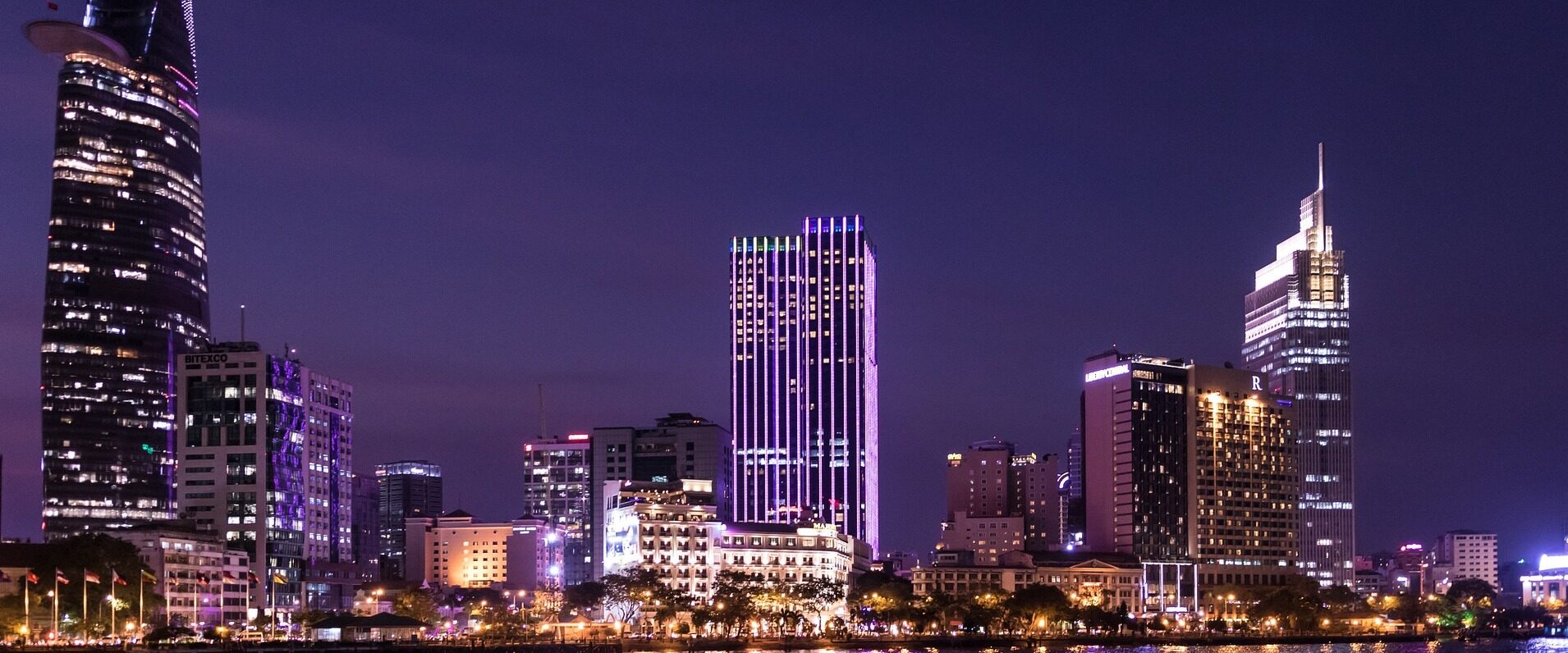
- With the influx of a large number of international factories, Vietnam has become the fastest growing economy in Southeast Asia
Vietnam has always followed the big brother to engage in a planned economy. In 1979, after China implemented the reform and opening up policy, Vietnam began to reform and open up. China is crossing the river by feeling the stones, while Vietnam is crossing the river by feeling China.
economic factors
In 2019, Vietnam’s GDP growth rate was 7.02%, exceeding 7% for two consecutive years, becoming the fastest growing country in Southeast Asia. The national GDP is equivalent to half of Shanghai or two-thirds of Shenzhen. The reason why many people are optimistic about Vietnam is that Vietnam is just China in the period of reform and opening up, so China's today is Vietnam's future.
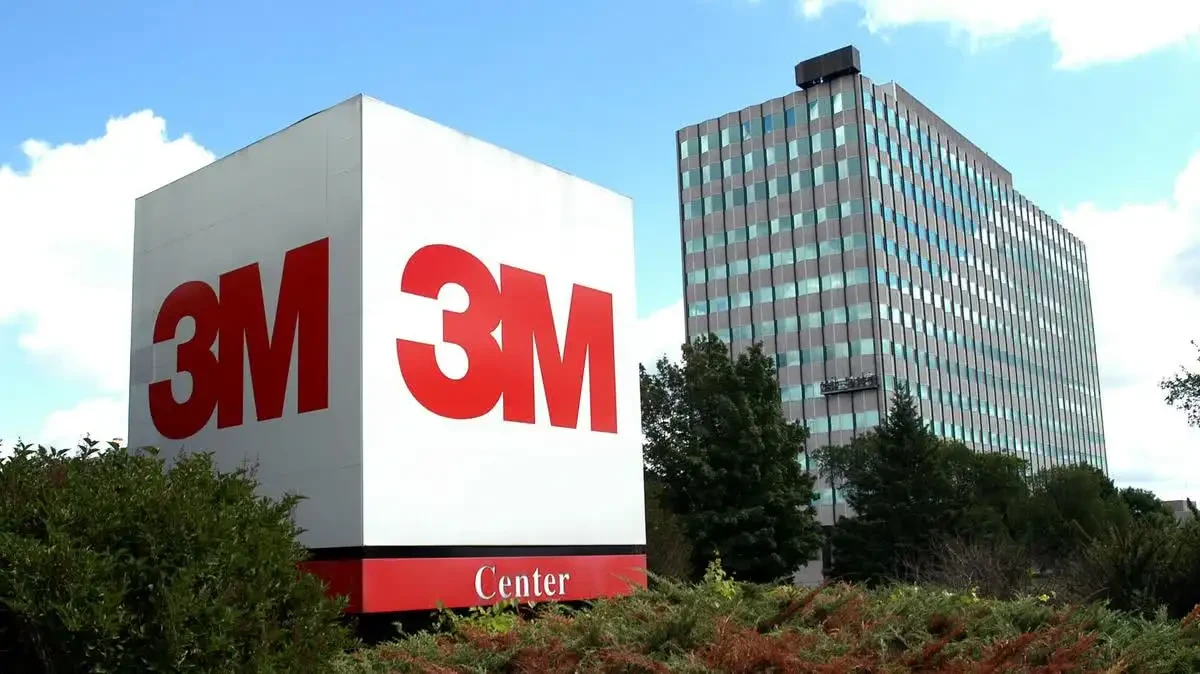
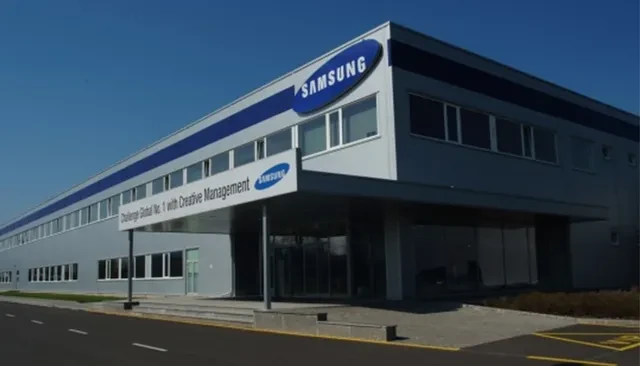
A big point is that many companies like to relocate their factories to Vietnam. The median age in Vietnam is 30.5 years old and the labor force is 54 million, while labor costs in China are rising. Vietnam is cheap, so many factories are moving there. For example, garment factories in coastal areas of China are basically moving to Xinjiang and Vietnam. In addition, South Korean companies especially like to go to Vietnam. They have been deeply involved in Vietnam for a long time. South Korea participated in the Vietnam War during the period of Park Chung-hee. Many South Korean chaebols earned their first pot of gold by receiving engineering orders from the US military in Vietnam. In 2019, the Samsung Electronics factory in Huizhou, Guangdong closed down and defected to Vietnam. Since then, Samsung’s history of making mobile phones in China has ended. When the news came out, many Western media claimed that China was "ending" and Vietnam was about to surpass China. The fact is that Samsung's mobile phone market share in China was too low, only 0.8% in 2018. But Samsung is different in Vietnam. Samsung has opened three factories in Vietnam, providing 120,000 jobs. In 2018, Samsung’s sales in Vietnam reached 65.7 billion US dollars, accounting for 30% of Samsung’s global sales. In 2018, Vietnam The GDP of Vietnam is only 244.9 billion US dollars, and Samsung accounts for a quarter of Vietnam's GDP.
It is difficult for us to say Korean cattle or Vietnamese cattle. Why is it developing so fast? Because of its small size, the real transcript is: Vietnam's population is 90 million, Guangxi's population is 48 million; Vietnam's GDP is 240 billion US dollars, Guangxi's US$ 300 billion; Vietnam's per capita GDP is 2,750 US dollars, and Guangxi's per capita GDP is 6,000 US dollars. The reality is very skinny.
Political Factors
Many people think that Vietnam is a socialist country, so they think Vietnam is similar to China. When we talk about Vietnam, we mean the four carriages, that is, the general secretary, the chairman, the prime minister, and the speaker. This is actually on the surface. The horsemen who really control the four carriages are the three major groups in Vietnamese politics: the party affairs, the government and the military.
The Chinese government is a game of chess for the whole country, and one person can serve in various fields, while Vietnam has three lines. During the Vietnam War, Vietnam was divided into North Vietnam and South Vietnam. North Vietnam is a socialist country, and the ruling party is the Vietnam Workers' Party. South Vietnam is a capitalist country, a dictatorship supported by the United States. The Labor Party organized the Southern Bureau in South Vietnam, which was responsible for the battlefield behind enemy lines. It was very independent, and even had an independent signboard to the outside world. It was called the Southern People's Revolutionary Party. Later, Ho Chi Minh died, and Le Duan, the leader of the Southern Bureau, inherited the work.
Therefore, there have always been North and South factions in Vietnam. This political culture has been broadcast in a different form after the reform and opening up. That is, the northern faction is dominated by party affairs cadres, and the southern faction is dominated by government economic cadres. In addition, the biggest difference between Vietnam and China is that the military is allowed to do business. All three groups have vested interests, all have organizational systems, and all have political influence. .
China's cadres may go up the ranks of the party, the government, state-owned enterprises, local governments, and the central government, but Vietnam is not. For example, Nguyen Phu Trong, General Secretary of the Communist Party of Vietnam, was born in Hanoi and is a native of the north. In 1967, he started to be the editor of the official publication "Communism" magazine. Then he became a four-carriage, and then he became the general secretary. The former Prime Minister Nguyen Tan Dung, born in Ca Mau Province, a southerner, worked all the way in government positions, doing economic and financial work, and later became Prime Minister.
The last is the military business, a typical example is Viettel, the full name of Vietnam Military Electronics and Telecommunications Group, Vietnam's largest mobile operator. The president is a major general, and the big boss is the Vietnamese Ministry of Defense. In 2019, revenue was $10.7 billion, with 50,000 employees and 110 million users. In the financial sector there is also the Army United Stock Commercial Bank, one of the largest banks in Vietnam. The fields that the Vietnamese army is involved in also include ports and airports, engineering construction, real estate, machinery and other industries. The annual output value of the military accounts for 10% of Vietnam's GDP.
Therefore, we cannot use China to speculate on Vietnam. Vietnam is not a game of chess for the whole country. The three groups are independent and often talk to themselves. In 2007, Vietnam wanted to join the WTO, so it decided to ban the military in accordance with its commitment. As a result, in 2012, Vietnamese Chairman Zhang Tan Chuang personally commended 100 outstanding military entrepreneurs. Vietnam has been reforming, opening up and peaceful for decades. In terms of economy, there is no party commanding gun in Vietnam.
"Eat and get a card", for example, most Chinese tourists have encountered to go to Vietnam customs to put some money in their passport, which is already a custom. Everyone is busy making money, and naturally fighting corruption is not easy. For many companies that go to Vietnam, this is the biggest trouble.
Sino-Vietnamese Relations
In the Han Dynasty, Vietnam was a part of China, and it broke away during the Five Dynasties and Ten Kingdoms. It fought again in the Ming Dynasty, and then gave up. Vietnam wants to be a little China in Southeast Asia. As a good comrade of socialism in modern times, Vietnam cannot build a country without the support of China. In the early days, the Viet Cong was active in China. The founding general Wei Guoqing went to Vietnam to direct the Viet Cong regime and won the victory of Dien Bien Phu. But in the 1960s, when China and the Soviet Union were at odds, all socialist countries had to face the same problem: choosing sides. The Soviet Union was far away, and China was close. From the perspective of practical interests, Vietnam believed that China was a greater threat to it, and the Viet Cong had ambitions. They wanted to lead the socialist movement in Southeast Asia, so they voted for the Soviet Union. Vietnam, assisted by the Soviet Union, attacked everywhere after the Vietnam War, and even invaded the Chinese border, claiming to have the third army in the world.
In 1979, China started a self-defense counterattack against Vietnam. After the reform and opening up, China-Vietnam relations returned to normal. Today Vietnam has three relatively important diplomatic lines, with China, the United States, and Southeast Asia. We all know that there is the South China Sea issue with China, which will inevitably happen after economic liberalization and nationalism rises. For China, it is an inseparable part. For Vietnam, such a huge sea area means a strategically important place. and a treasure trove of resources, so there is the South China Sea issue. However, Vietnam is very dependent on China's industrial support, so it cannot tear its face. There are three types of people's views on China: pro-China, anti-China, and indifferent. At present, China is getting stronger and stronger, and its influence will naturally enter Southeast Asia. Vietnam has always regarded itself as the hegemon of Southeast Asia, and there will be secret wars geographically. Therefore, China-Vietnam relations are currently more based on this delicate balance.
Shirts for planes, China is the last
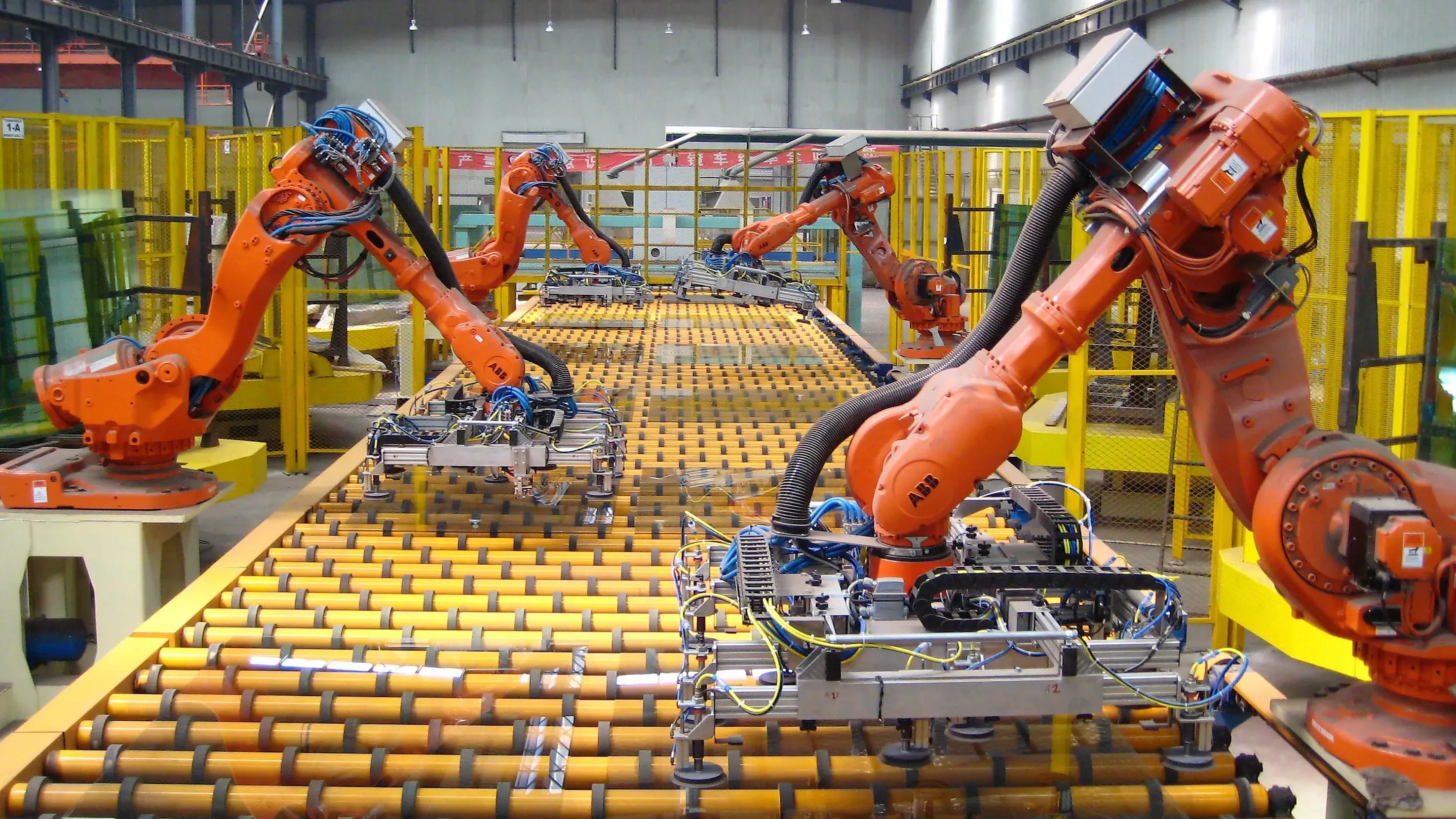
So can Vietnam surpass China? The answer is no. Let’s talk about factory relocation first. Samsung can be the king and hegemony. The Vietnamese government specially escorts and formulates policies. However, if the small factory moves there, I regret it. First of all, it is supporting. The cost of a product is not only the labor cost, but also the supporting cost. . China has the largest manufacturing supply chain in the world. For Chinese manufacturers, if you need materials and parts, you can quickly find matching products. Overseas investors change drawings in the morning, and factories in China can put the revised products on the assembly line in the afternoon, so the supporting cost is very low. Vietnam also needs to import packages from China. Chinese products account for 35% of Vietnam’s imports each year. Previously, import packages were dispatched and shipped in China, and now they have to go through a customs.
Can Vietnam gradually improve its supporting facilities? It is also difficult, because China is too convenient, and Vietnamese companies are short of things, so they buy directly from China, and the goods arrive in two days. The second is the poor infrastructure. Although Vietnam is a socialist government, its courage in infrastructure construction is not as good as China's. Traffic and electricity supply could not keep up, and there were power outages every three to five. The third is manpower efficiency. Costs do not exist independently and need to be coordinated with efficiency. China has a large group of engineers and workers, and the production efficiency is very high. Vietnam lacks technical and management talents. It has to send Chinese cadres to Vietnam, and those who send have to increase their salaries. The labor cost has not been significantly reduced. On the other hand, in China, you can see a tape measure for 1 yuan and an expansion screw for a few cents on Taobao. There is still money to be made at this price. This is the magic.
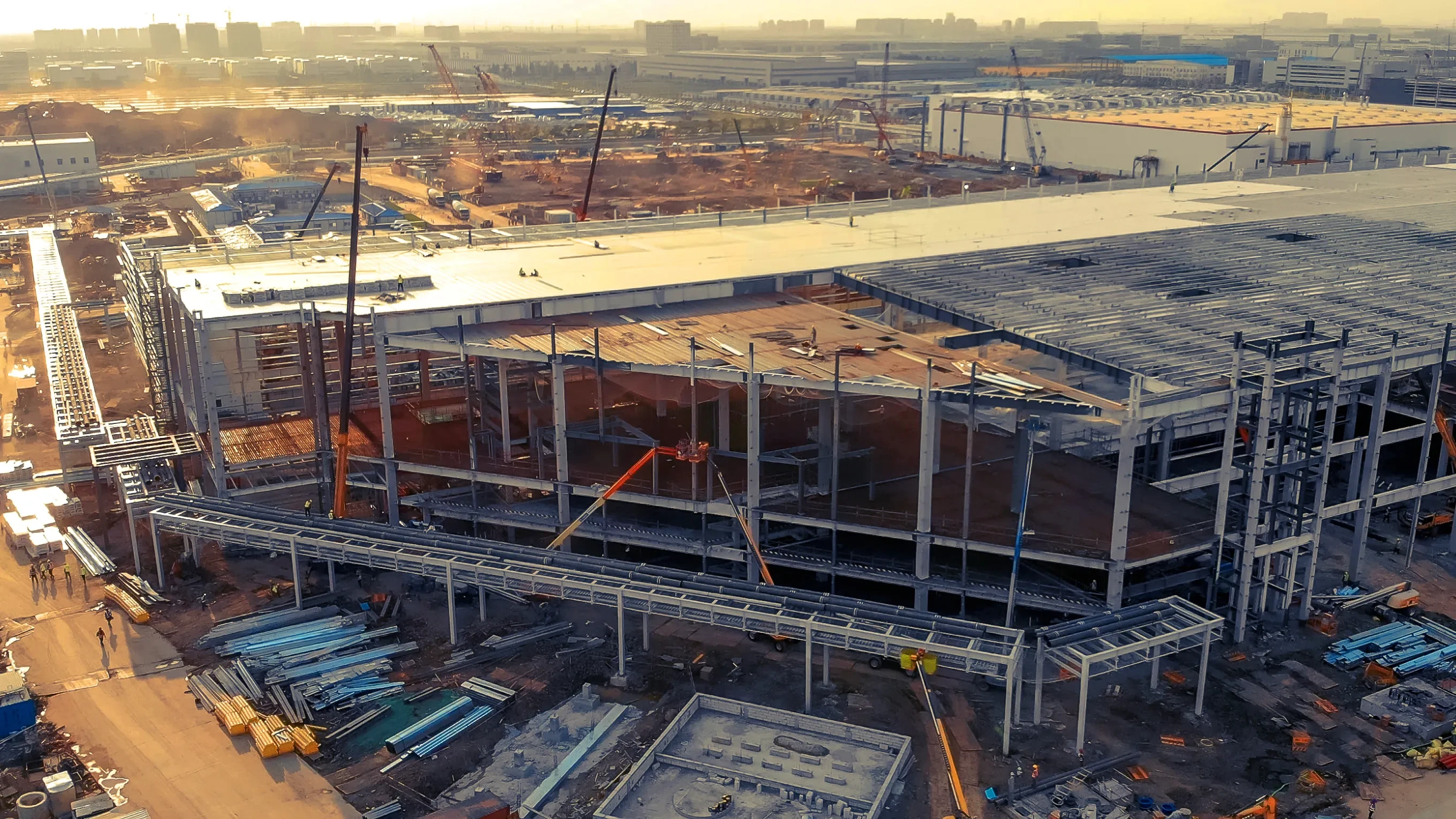
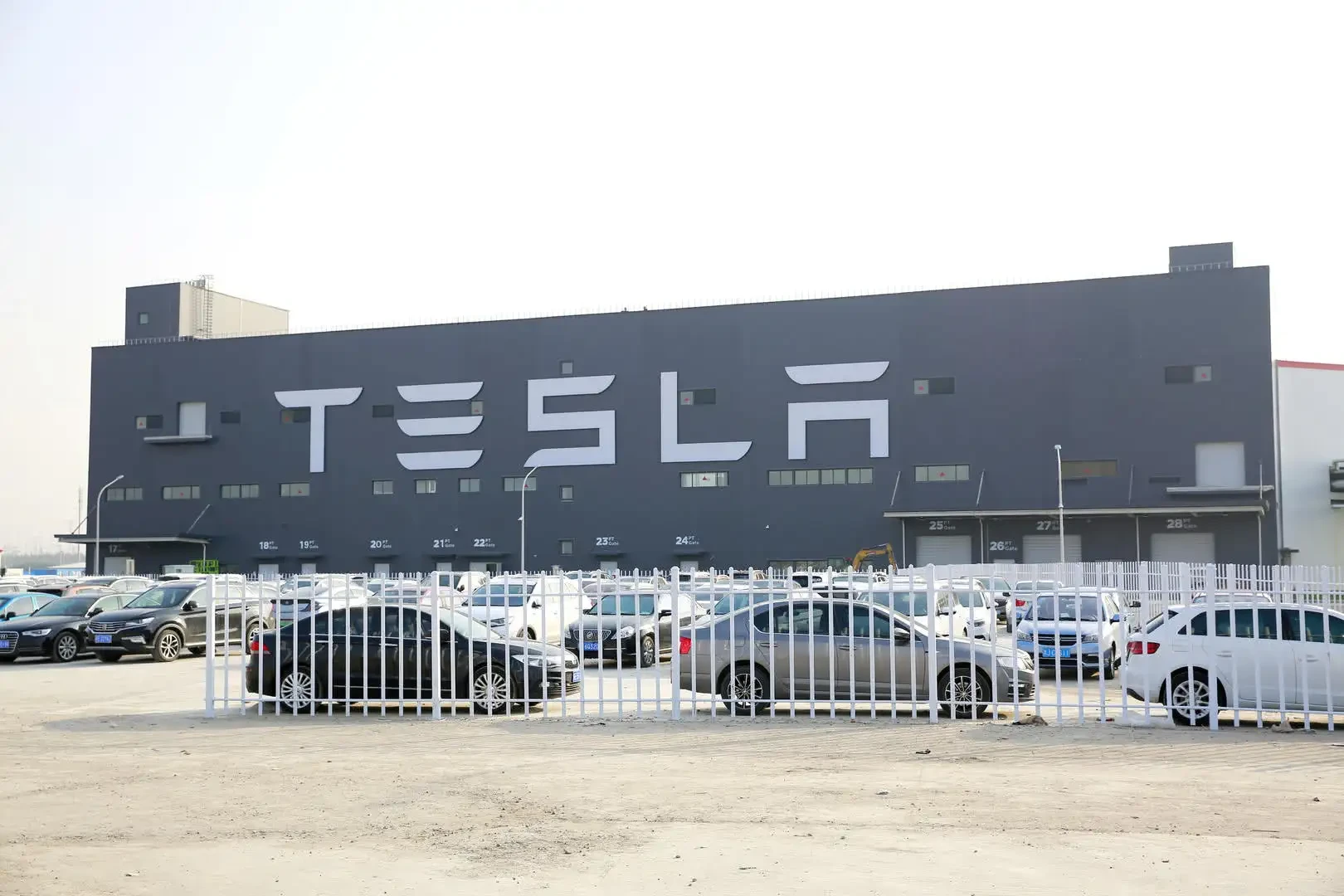
After Samsung closed its Chinese factory, it invested a $2.4 billion power battery production line and an automotive MLCC factory in Tianjin, and a $15 billion second-phase high-end memory chip project in Xi'an. In 2017, Samsung's investment in cutting-edge industries in China accounted for 52% of its total investment. In addition, there are Tesla Shanghai Gigafactory; Siemens has set up its first overseas artificial intelligence laboratory in Beijing; Swiss Ineos has established a regional headquarters in Shanghai, and China is moving towards a higher-end field.
In addition, has China's manufacturing industry declined? No, Jiangsu Danyang produces 1/3 of the world's glasses; Shenzhen Dafen produces 40% of the world's decorative oil paintings; Hunan Shaodong produces 70% of the world's lighters. With the super supply chain, low-end manufacturing can still make money. Shi Zhan, a professor at the China Foreign Affairs University, wrote a book called "Overflow". When he wrote the book, he interviewed the dean of the Economic University and Policy Research Institute of Hanoi National University. In the book, he talked about the best positioning of Vietnam is the economic relationship with China. Find Vietnam's comparative advantage in the connection, embed yourself in a reasonable position, and develop with China's freewheeling.
After China, there will be no other country that can simply copy China's successful path. Those countries that want to copy China's past experience will inevitably encounter many of the problems we encountered in the past at a certain stage of their development. To replicate means to replicate not only past successes, but also past problems. There are two points that they cannot replicate. One is China's size, and the other is China's ability to solve problems.
Now that the world is entering the era of mechanization, technological development has gradually reduced the demand for highly skilled personnel. China has begun to move closer to the first-tier manufacturing powerhouse, and China may be the last.Editor/XuNing
Comment



 Praise
 Collect
 Comment

 Share
Share


Write something~