 Search


- This project will help China and Vietnam to build a strategically significant community with a shared future side by side
- This project will help promote the comprehensive strategic partnership between China and Vietnam in the new era of deepening peace between the two countries
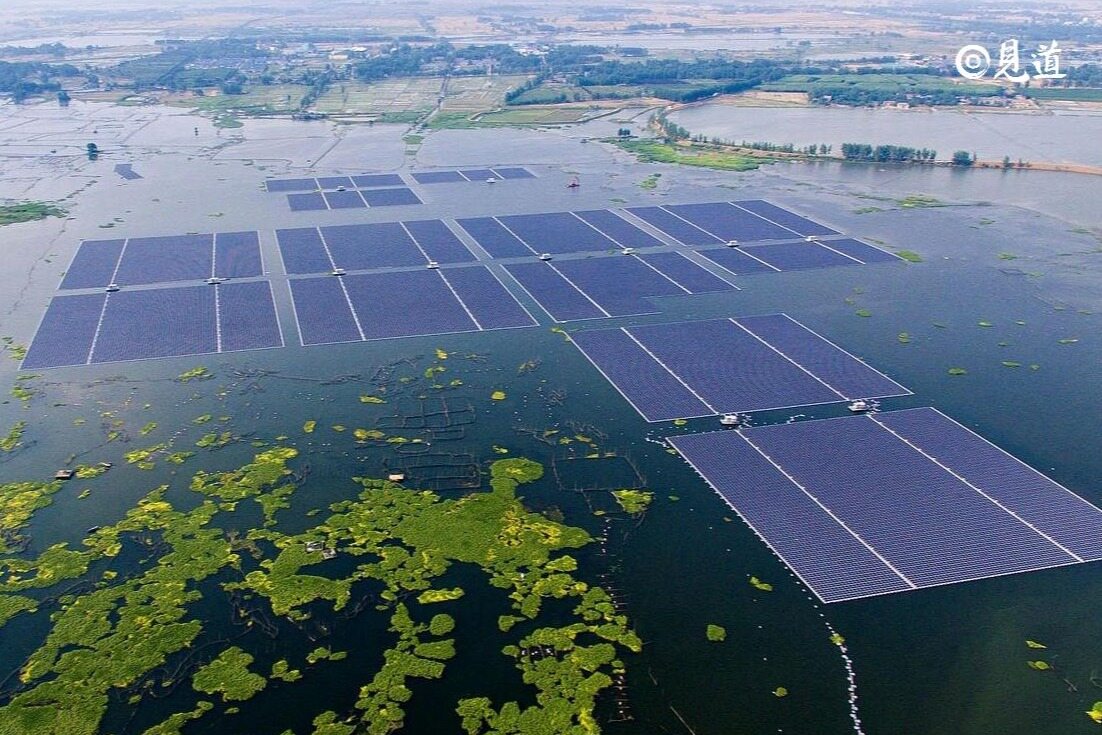
It is mentioned that Chinese companies have built the largest overseas photovoltaic industry cluster in Vietnam, and the invested photovoltaic and wind power stations have made positive contributions to Vietnam's energy transformation and development. They have invested in and constructed multiple waste to energy projects in cities such as Hanoi and Qinju.
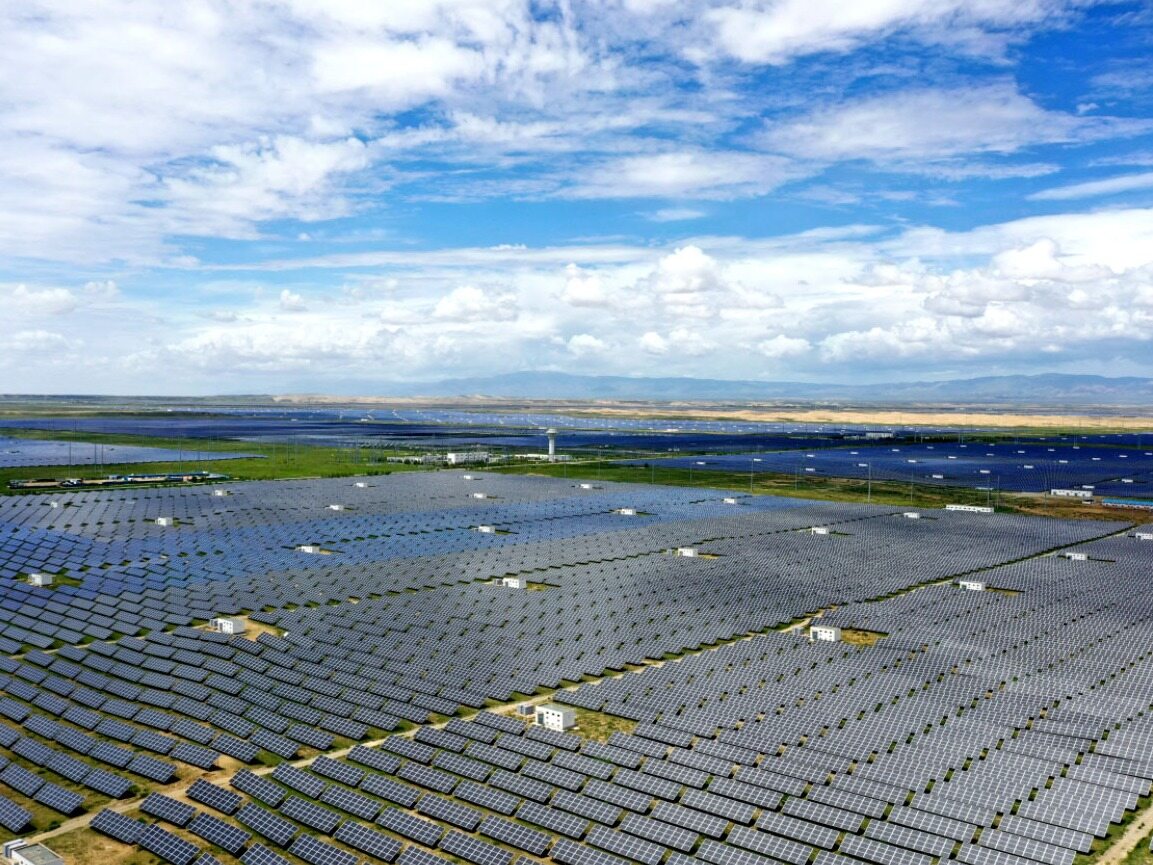
Vietnam has made significant progress in the development of photovoltaics and new energy in recent years, mainly due to the investment layout of Chinese enterprises. It is expected that Vietnam's photovoltaic installed capacity will reach 150GW by 2030, demonstrating the enormous potential of the Vietnamese photovoltaic market.
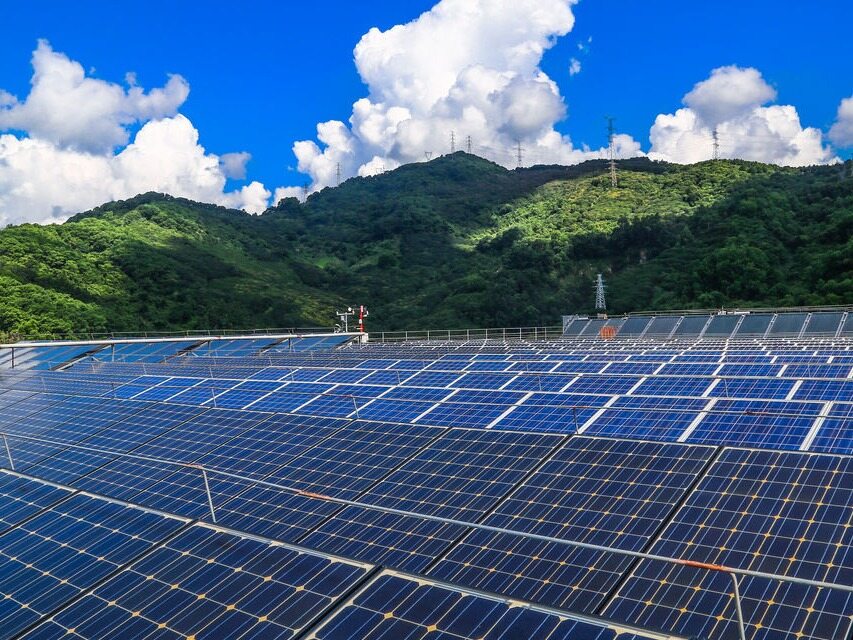
Vietnam has abundant solar energy resources, with a total installed capacity of approximately 70GW as of this year. Among them, the installed capacity of hydropower is about 20GW, while the installed capacity of photovoltaic has rapidly increased from 105MW in 2018 to 16GW in 2020. In addition, there is approximately 20GW of coal-fired power installed capacity.
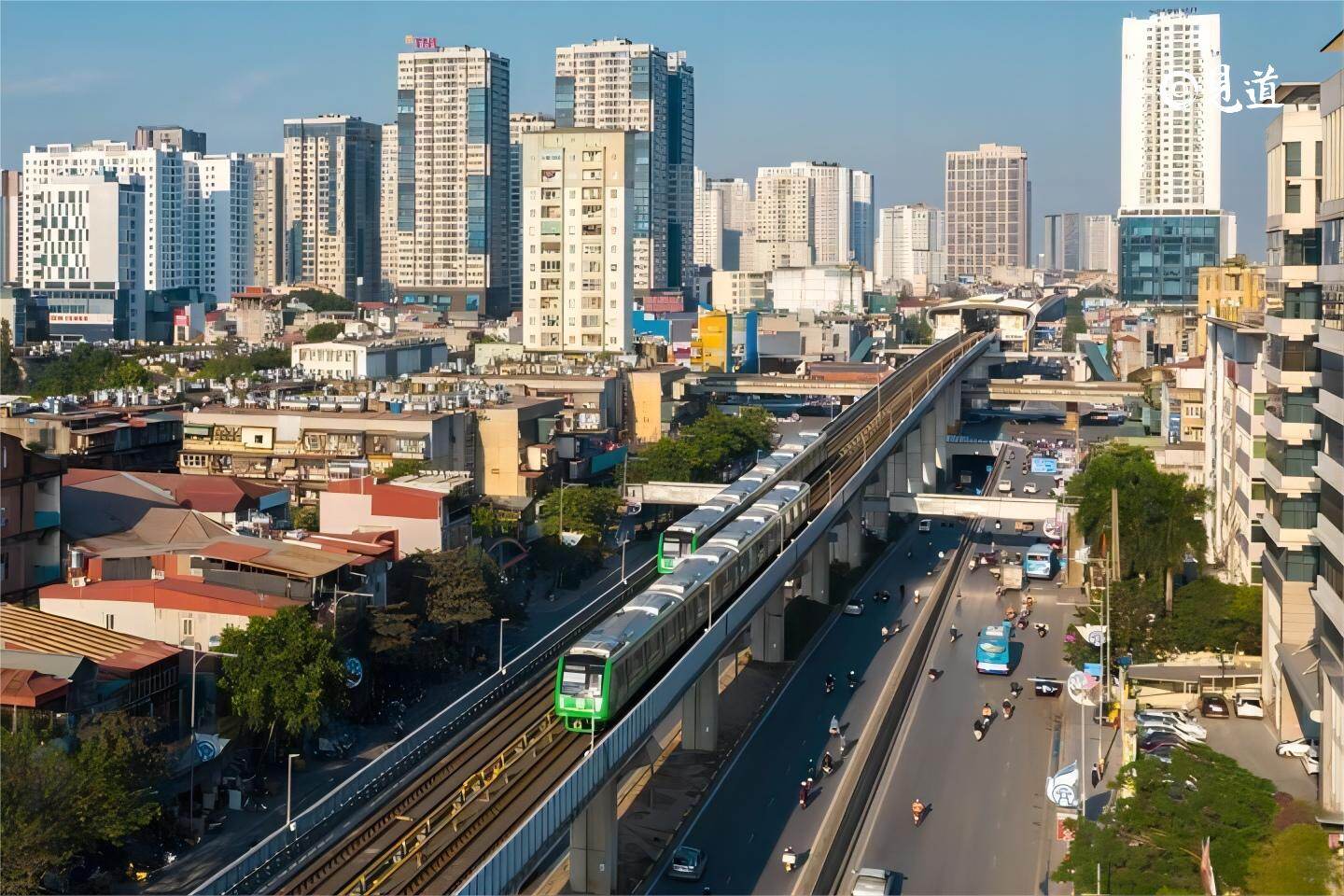
In terms of power generation, Vietnam has a relatively high proportion of hydropower and coal-fired power. However, due to high temperatures and reduced precipitation in summer, the water level of hydropower stations has dropped significantly, with some hydropower stations in northern Vietnam generating only one-fifth of last year's electricity. Therefore, Vietnam's photovoltaic industry still has enormous development potential.
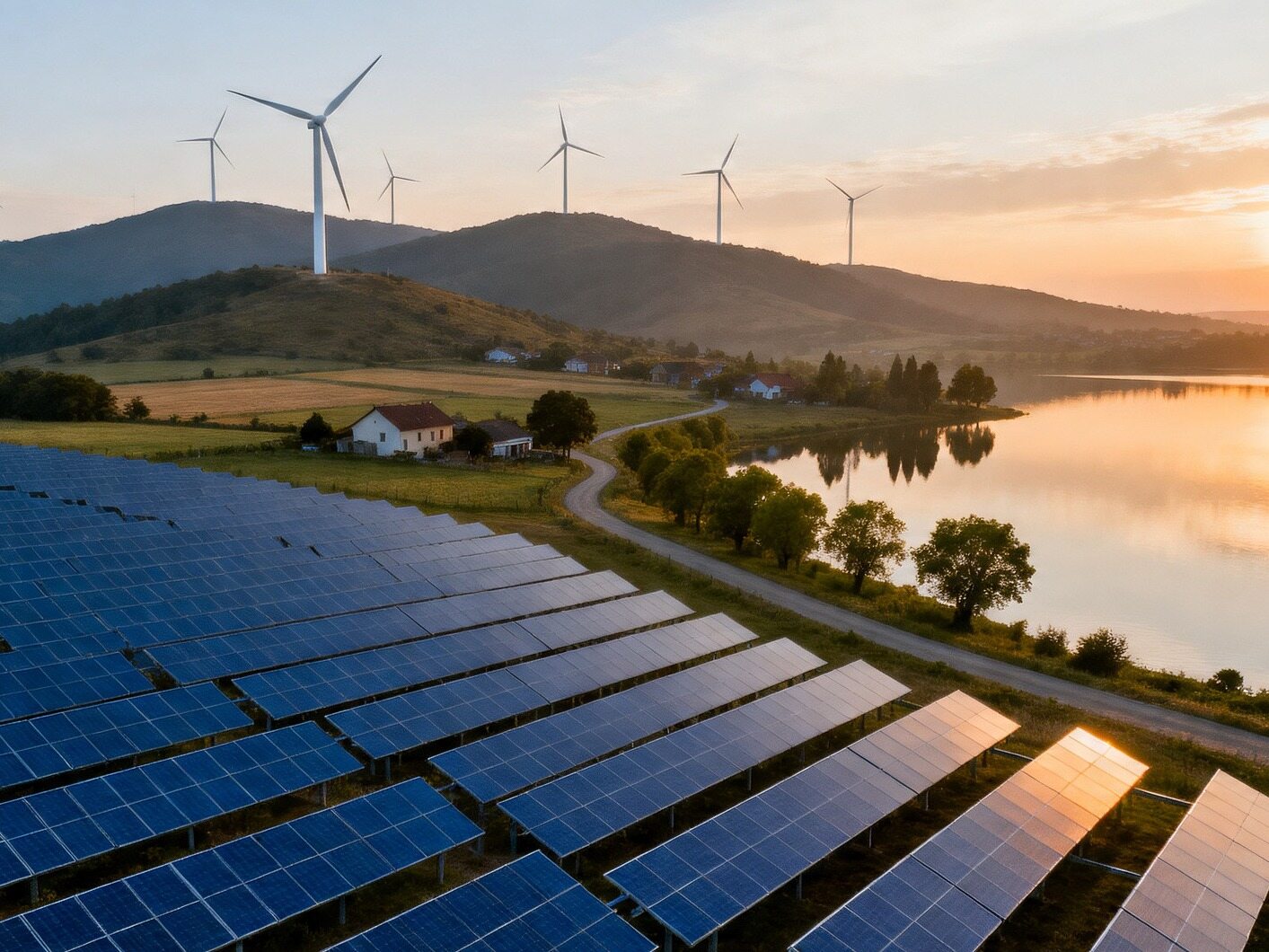
Vietnam is vigorously developing renewable energy represented by solar and wind energy, which not only helps to fill the electricity gap but also creates more employment opportunities. The prosperity of Vietnam's photovoltaic industry is also leading the development of Southeast Asia's photovoltaic industry. At present, Southeast Asian photovoltaic module exports, including Vietnam, account for one-third of the total global export volume, with Vietnam's market share in the global market exceeding 5%.
It is understood that Vietnam currently ranks seventh in the world in terms of solar power generation, and the number of solar panels installed in 2020 is only second to the United States and China. However, although Vietnam's installed capacity for photovoltaic power generation is currently about 20GW, the peak output of photovoltaic power generation during the heatwave is only about 10.5GW. PDP 8 continues to strongly support the development of renewable energy, with plans to add approximately 2188GW of onshore wind power, 6GW of offshore wind power projects, 12.836GW of photovoltaic projects, and 300MW of energy storage projects by 2030. The Ministry of Industry and Trade emphasized in its statement that by 2030, Vietnam will install photovoltaic systems on half of its office and residential roofs.
According to PDP 8's plan, Vietnam will achieve an installed capacity of 150GW by 2030, while also increasing renewable energy production capacity again, gradually replacing most of the current coal-fired power generation capacity through new energy generation. Due to cheaper labor resources and a broader development market, this has also attracted many photovoltaic companies to invest and build factories in Vietnam, making the layout of Vietnam an important step in the globalization of some photovoltaic industries.
Data shows that the cost of large-scale solar power generation in Vietnam can now be lower than that of new coal-fired or natural gas power stations. The unit megawatt hour cost of new large-scale solar projects in Vietnam ranges from $53 to $105, while the unit megawatt hour cost of new coal-fired power plants ranges from $73 to $94.
It is reported that many well-known large companies in the industry have gone to Vietnam to invest and build factories, including Longji Green Energy, Jingke Energy, Atlas, Dongfang Risheng, Jingao Technology, Foster, Baijia Era, Xinbo Co., Ltd., Yongzhen Technology, etc.
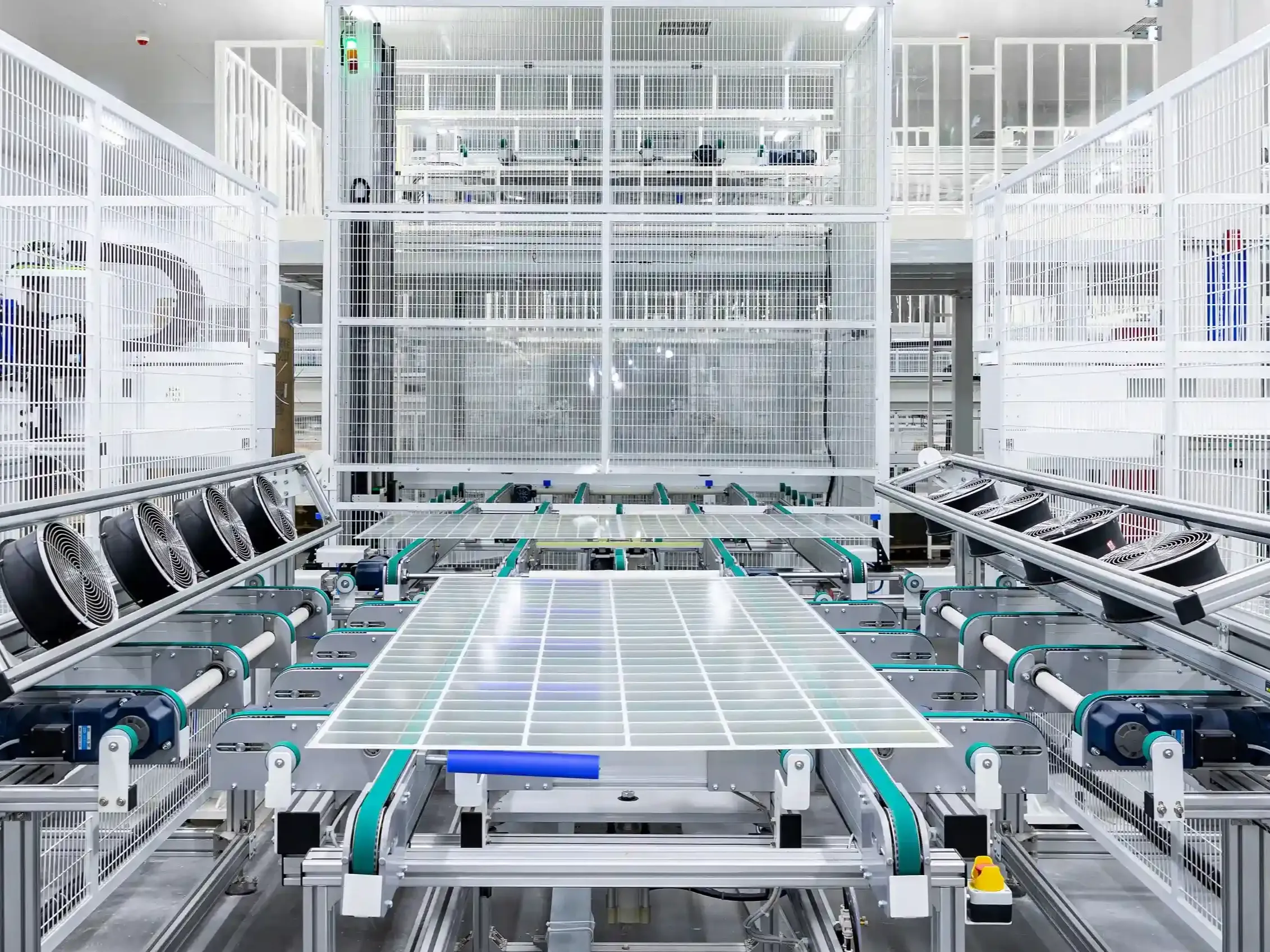
In November, Trina Solar is planning to establish a new factory in Vietnam. The new factory in this plan is expected to cover an area of 25 hectares and an estimated investment of 400 million US dollars. The company not only plans to invest in establishing production bases in Vietnam, but will also directly participate in investing in photovoltaic power generation projects in Vietnam. Since its establishment in Vietnam in 2014, Trina Solar has built two factories locally to produce photovoltaic components and modules, becoming one of the largest solar panel manufacturers in Vietnam.
Suzhou Saiwu Application Technology Co., Ltd.'s factory project in Vietnam has officially landed. The factory is located in Shuncheng Industrial Park, Beining Province, Vietnam, covering an area of 40.3 acres with a total construction area of approximately 27000 square meters. The total investment of the first phase project is nearly RMB 100 million. At present, the construction of the first phase of adhesive film production capacity project is about to be completed, and it is expected to achieve large-scale delivery in the second quarter of 2024. In addition, the company plans to launch a series of photovoltaic backboard products at the factory.
After successfully winning the EPC contract for the Phuoc Thai 2&3 150MWp photovoltaic project invested by Vietnam Power Group in September 2023 and starting construction, Dongfang Risheng has successfully completed the first batch of efficient component equipment shipments.
On December 11th, Huitian New Materials announced that its subsidiary, Huitian Rongsheng Co., Ltd., plans to establish a wholly-owned subsidiary in Vietnam and invest in the construction of a photovoltaic backboard project with an annual output of 26 million square meters.
Due to the increasingly fierce competition among domestic photovoltaic enterprises, building factories overseas has become one of the important ways for many photovoltaic enterprises to seek breakthroughs, especially in Southeast Asia. With some production cost advantages, it has attracted many new energy enterprises, including photovoltaics, to enter.
However, it is worth noting that although photovoltaic giants have invested heavily in building factories in Vietnam, Vietnam still imports a large amount of photovoltaic auxiliary materials from China for domestic photovoltaic production and manufacturing. According to the Global Times, in September 2023, Vietnam imported 59100 tons of photovoltaic glass from China, accounting for 19.5% of the total export volume of photovoltaic glass in that month, making it the largest importer of photovoltaic glass in China. Keywords: the Belt and Road news, the Belt and Road project, overseas project.
Therefore, investing in building factories in Vietnam is not an easy task. Firstly, building factories overseas requires consultation and negotiation with multiple departments. Secondly, due to the incomplete industrial chain, a large amount of photovoltaic auxiliary materials still need to be imported, and component factories are also facing a shortage of raw materials. For enterprises with smaller capital scales, these are practical challenges that need to be faced. (This article is from the official website of Jiandao: www.seetao. com. Reproduction without permission is not allowed, otherwise it will be punished. Please indicate Jiandao's website and the original link when reprinting.) Jiandao's mechanical column editor/Zhou Yingwen
Comment

 Praise
 Collect
 Comment

 Share
Share


Write something~