 Search


- 14.1 billion US dollars, 2.8GW, Mingyang Intelligent settled in Ethiopia. This is not simply selling components
- From taking a gamble on hydropower to saving lives with photovoltaics, the roof of Africa is facing an energy transformation
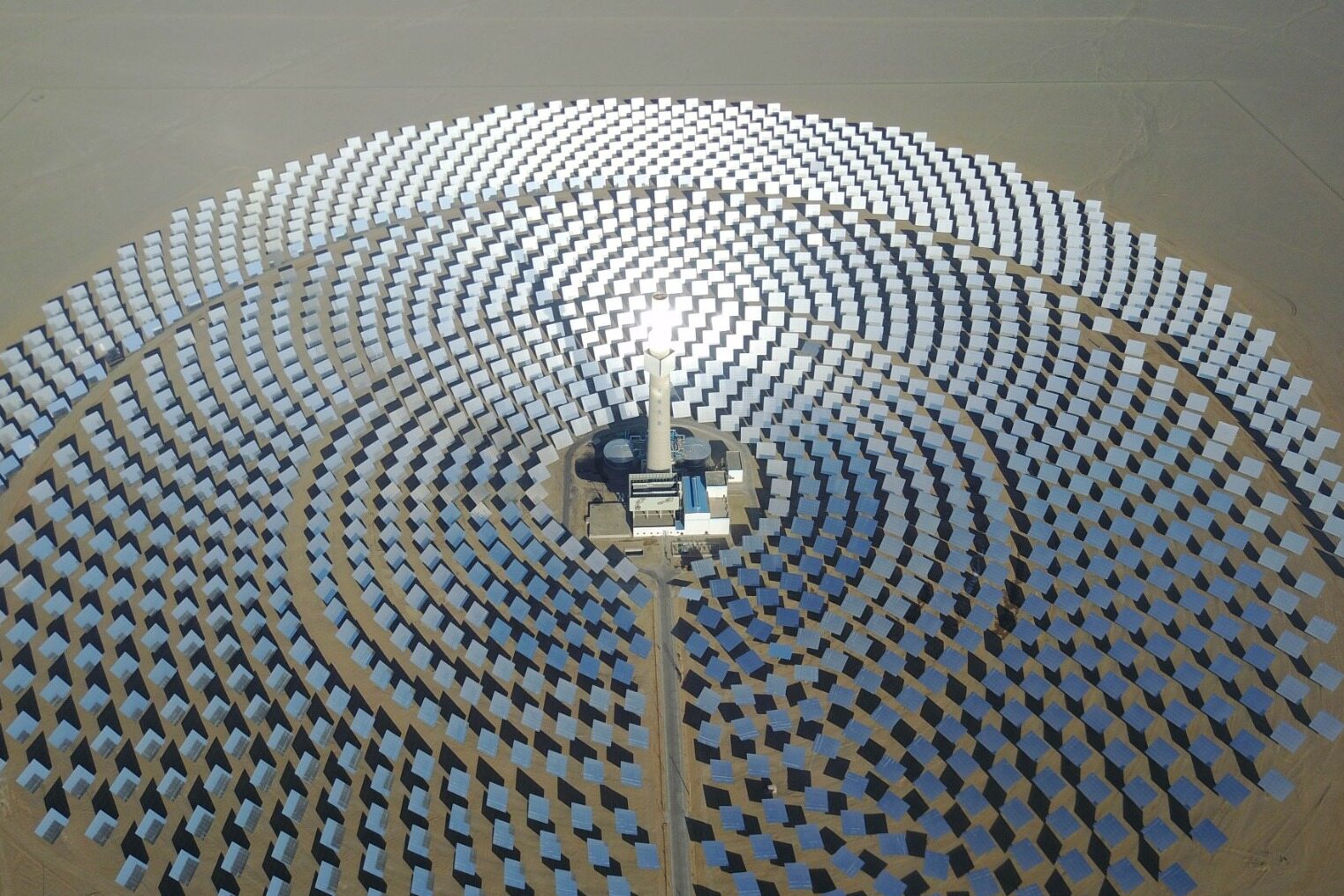
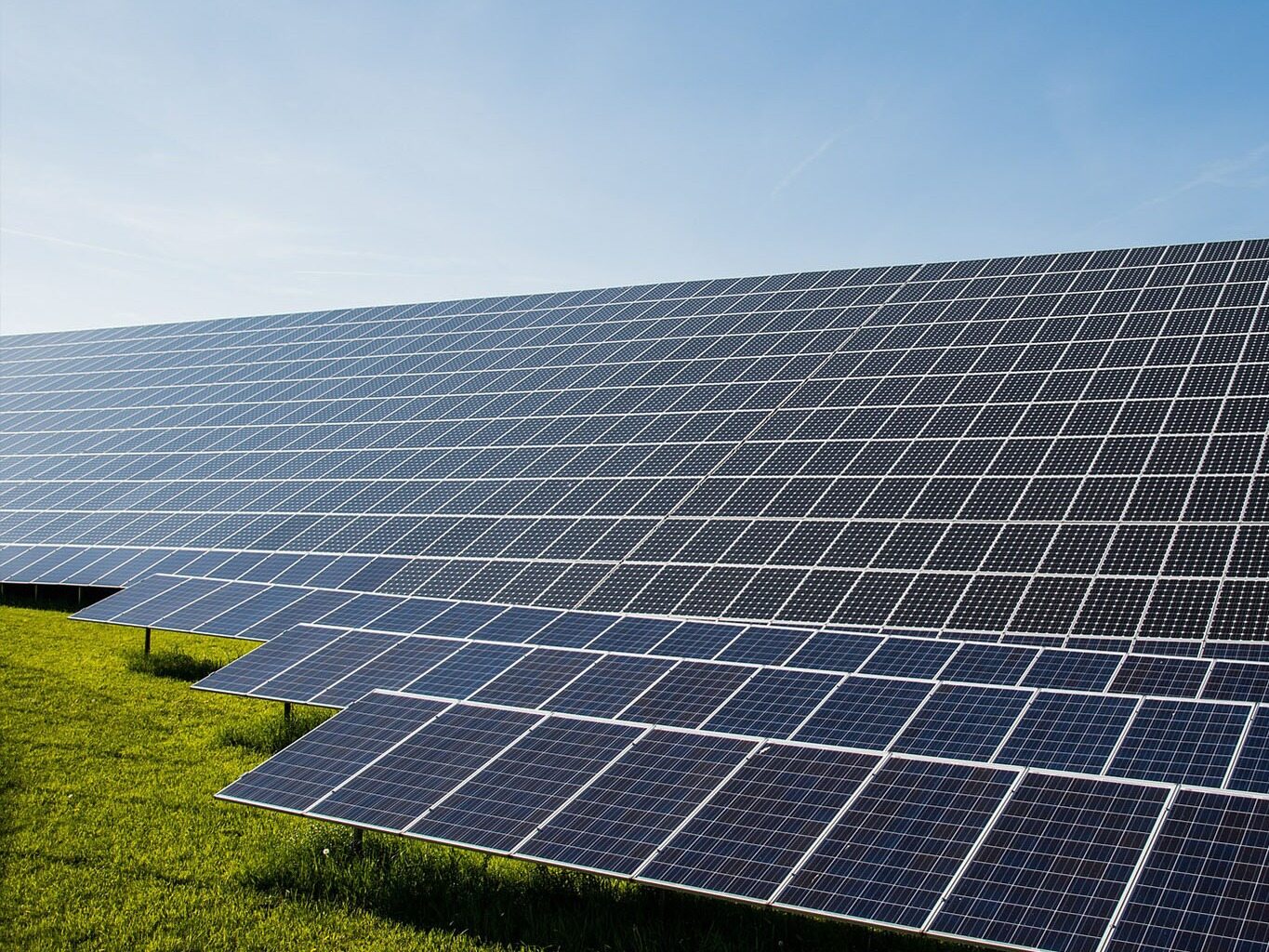
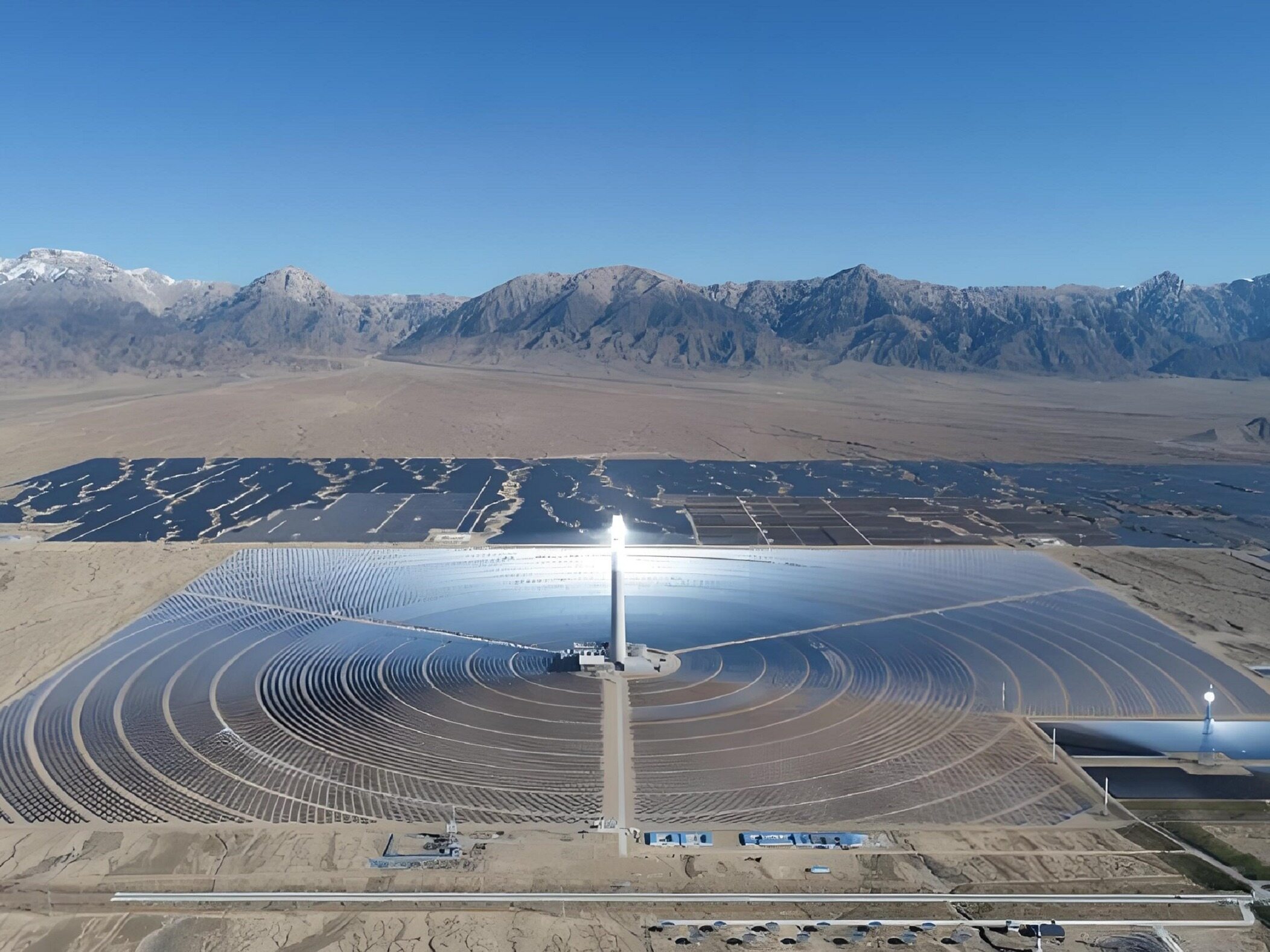
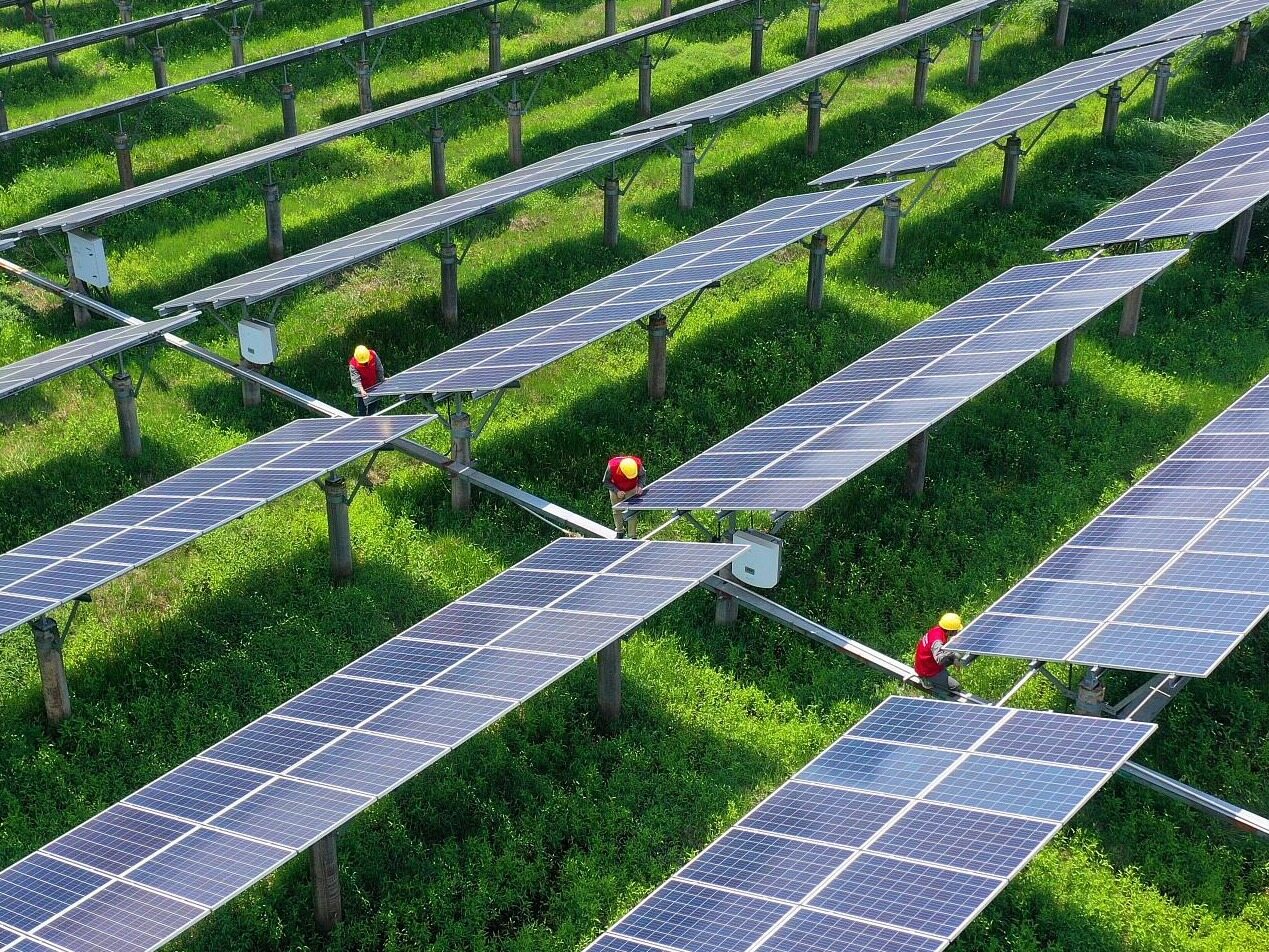
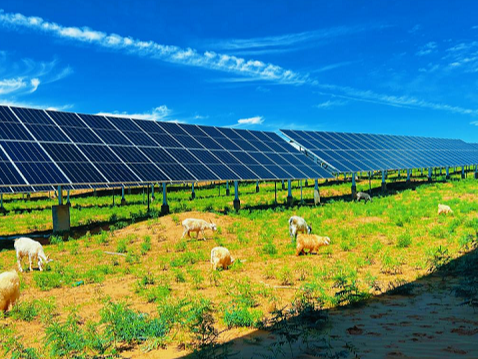
In mid May 2026, a heavyweight bomb will be dropped on the energy map of the Horn of Africa. The Ethiopian government announced the signing of a milestone memorandum of understanding with China's Mingyang Intelligent, with a total investment of up to 14.1 billion US dollars. According to the agreement, Mingyang Intelligent plans to deploy a total of 2.8GW of utility grade solar photovoltaic projects in multiple regions of Ethiopia. Behind this huge order is not only the overseas expansion of China's new energy production capacity, but also a reflection of Ethiopia's deep game in energy sovereignty.
The atypical logic of 14.1 billion US dollars
Normally, the cost of a 2.8GW ground mounted photovoltaic power station is between 2 to 3 billion US dollars. And Mingyang Intelligent's investment of 14.1 billion US dollars has an investment density of about 5 US dollars per watt, far exceeding the cost of building a simple photovoltaic power station. This implies that the agreement not only includes panel installation, but also involves large-scale energy storage, high-voltage transmission line infrastructure, and even localized manufacturing factories and green hydrogen facilities.
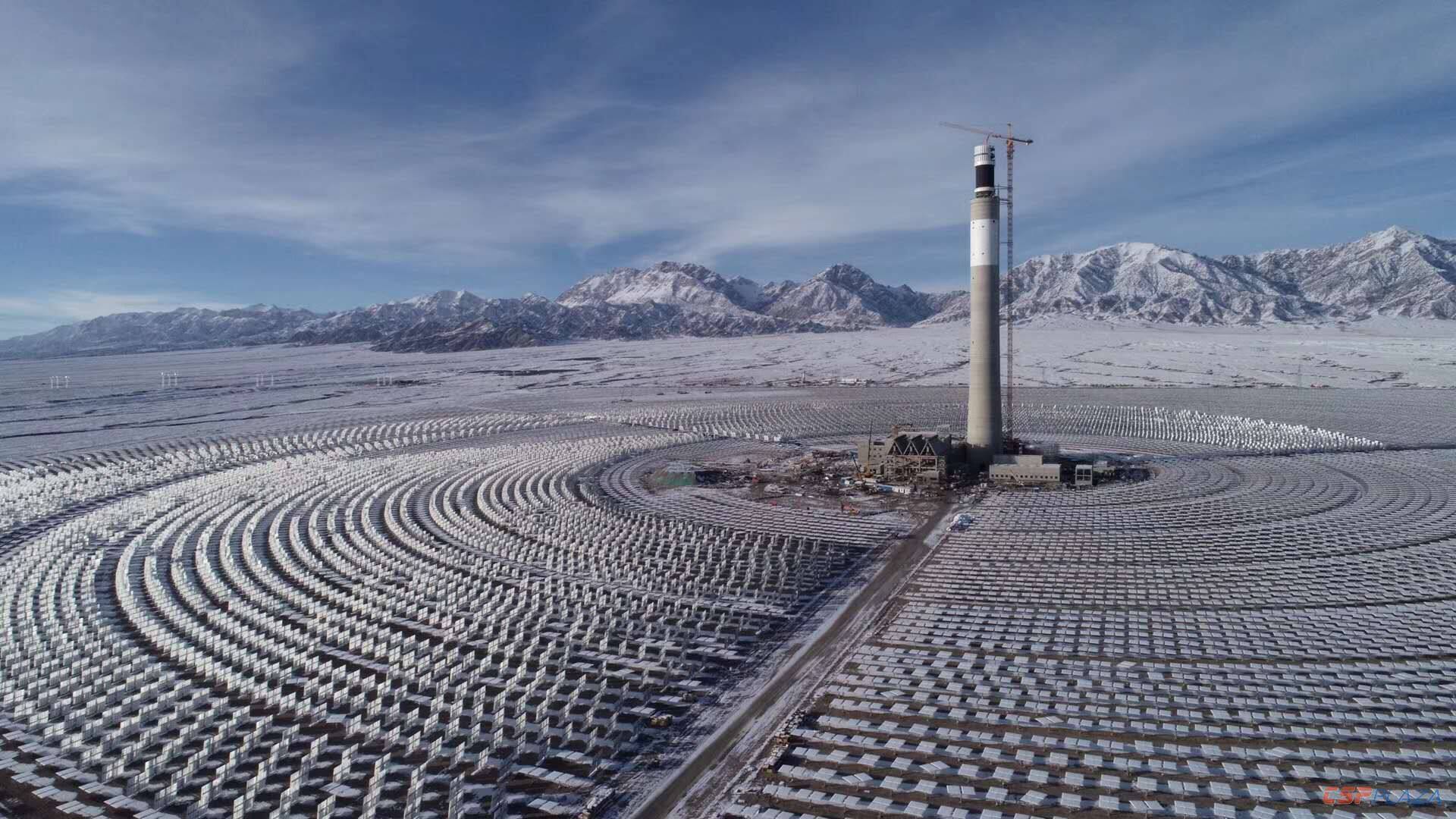
This huge investment is likely to include the following hidden attachments: Long Term Energy Storage (LDES) - in order to balance Ethiopia's fragile power grid, an extremely high proportion of energy storage systems must be allocated; Electric Highway - Ethiopia has rugged terrain with an average altitude of over 2500 meters, transporting 2.8 GW of electricity from well lit lowlands to the city center, requiring the construction of extremely expensive ultra-high voltage lines; Full industry chain implementation - the agreement may include the construction of factories for silicon wafers, batteries, or components locally to meet the country's demand for localization rate and employment.
From risking everything on hydropower to saving lives on photovoltaics
Ethiopia is known as the water tower of Africa, and currently relies on hydropower for over 90% of its electricity. This excessive dependence leads to severe power shortages during the dry season. Solar energy and hydropower have a natural seasonal complementary advantage - the dry season has the most abundant sunshine, which precisely compensates for the electricity gap caused by the drop in water level. Therefore, this project is a core measure for Ethiopia to diversify its energy structure and resist fluctuations in hydropower caused by drought.
Ethiopia is the second most populous country in Africa after Nigeria, and has actively attracted Chinese AI computing centers and manufacturing industries in recent years. The electricity gap is a market opportunity. Mingyang Intelligent has identified this urgent need and taken photovoltaics as the entry point to provide an energy base for this country that is accelerating industrialization.
From wind power giant to operator of new energy infrastructure in Africa
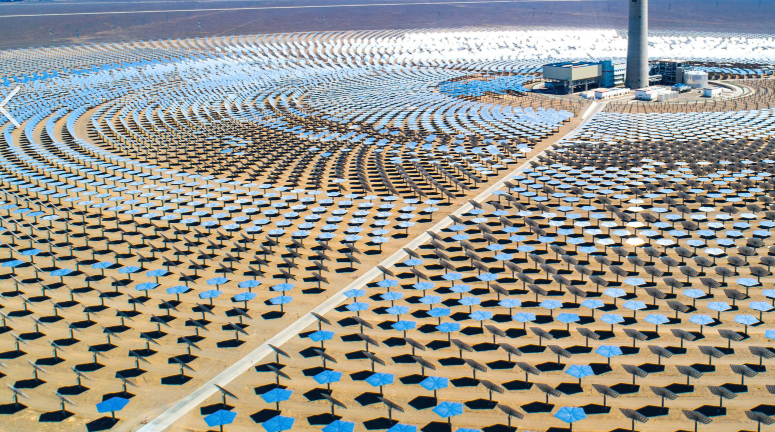
As a leading enterprise in China's wind power field, Mingyang Intelligent's large-scale entry into photovoltaics in Africa reflects its strategic shift in focus. By leveraging its extensive experience in large-scale system integration in the wind power field, Mingyang is attempting to address the pain points of light storage integration in the complex geographical environment of Africa. Compared to directly exporting components to Europe and the United States, deepening the African market can provide more stable long-term returns and sovereign fund guarantees.
This massive investment of 14.1 billion US dollars marks the entry of Chinese new energy enterprises into the 3.0 era of going global: the 1.0 era is simply exporting components and selling goods, the 2.0 era is EPC contractors working, and the 3.0 era is energy system solution providers and long-term operators deeply participating in national governance. Although the figure of $14.1 billion may seem a bit extravagant in the current global photovoltaic field, it reflects the high premium nature of power infrastructure in extreme environments. For Mingyang Intelligent, this is not only the overseas digestion of production capacity, but also the establishment of a demonstration sample of integrated wind solar hydrogen storage in the heart of Africa. If this move is successful, Mingyang will completely evolve from a wind turbine supplier to a world-class new energy infrastructure giant. (This article is from the official website of Jiandao www.seetao.com. Reproduction without permission is prohibited, otherwise it will be prosecuted. Please indicate Jiandao+original link when reprinting.) Jiandao Southeast Asia column editor/Yang Beihua
Comment

 Praise
 Collect
 Comment

 Share
Share


Write something~