 Search


- The largest single photovoltaic base in Europe has landed in Romania, and the 1.24GW super project has officially started
- From following to leading, Romania has risen to become the main battlefield for green energy investment in Europe
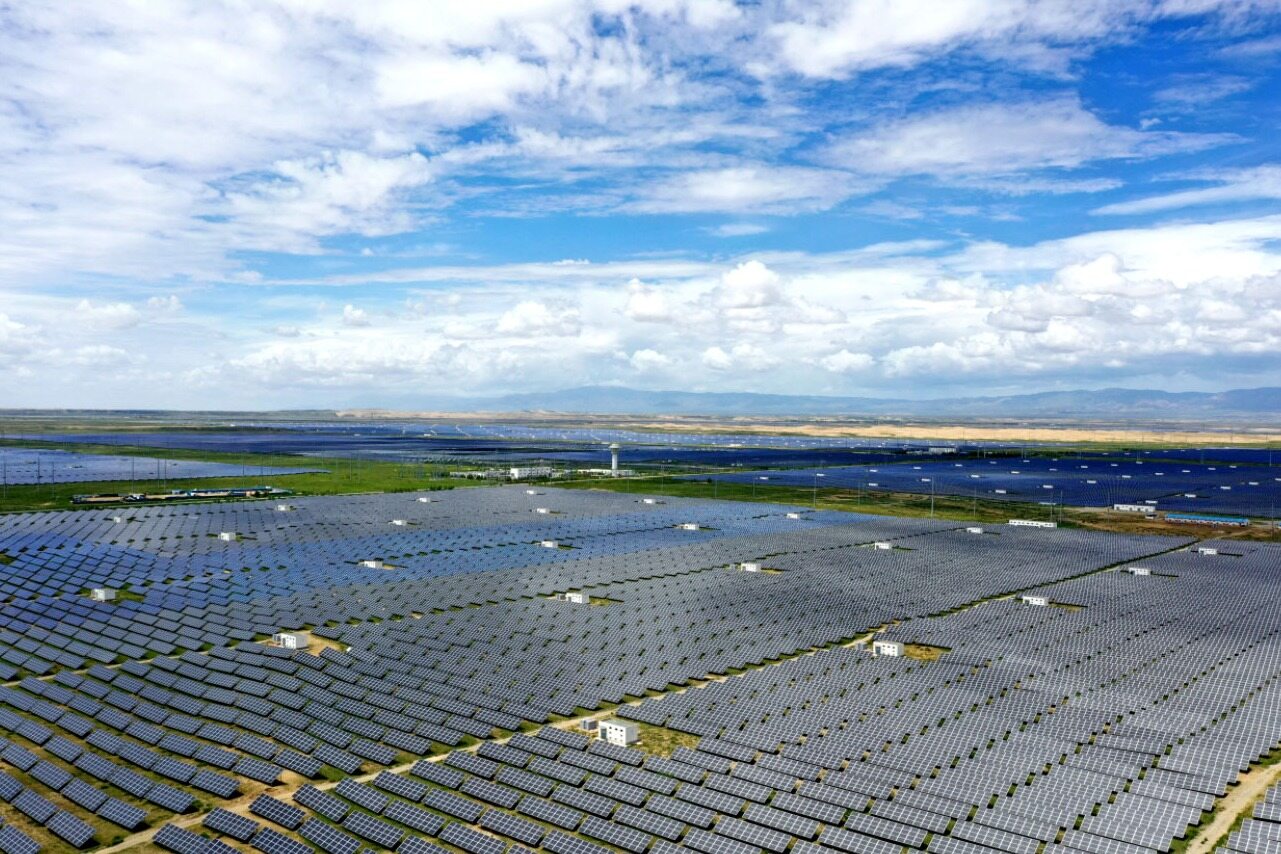
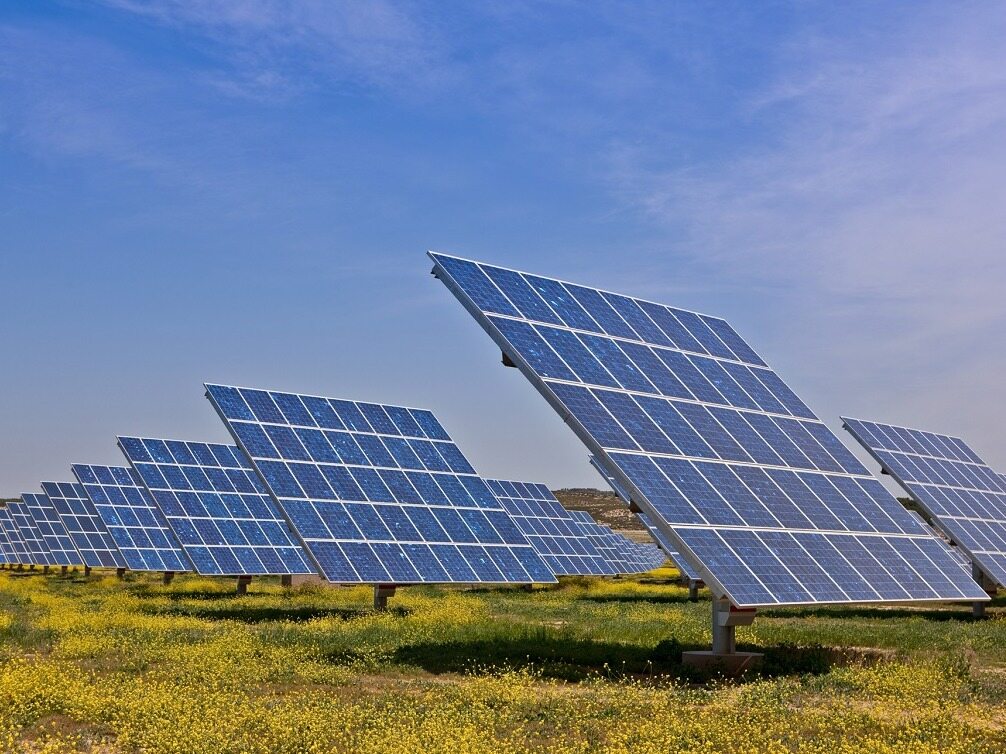
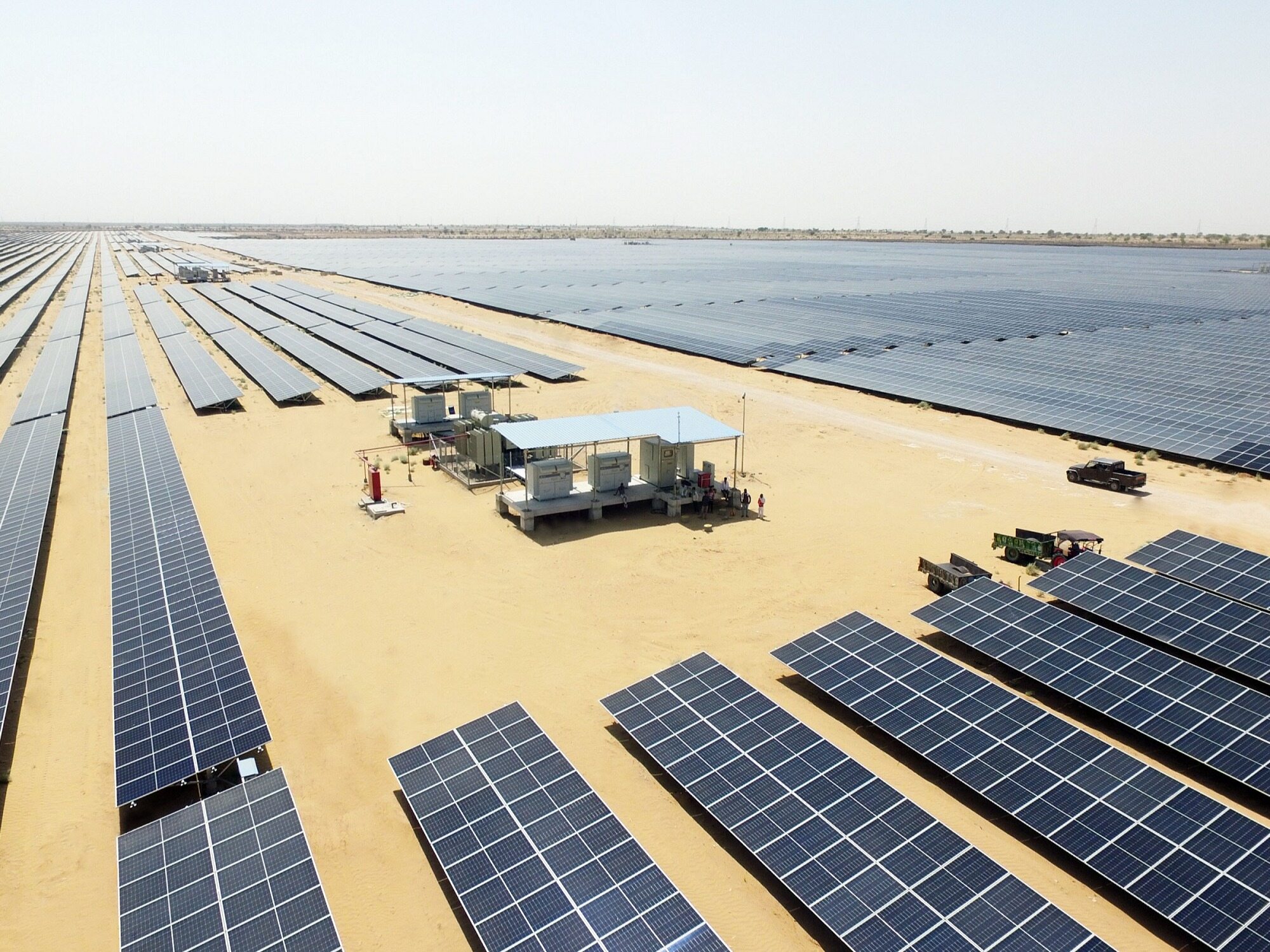
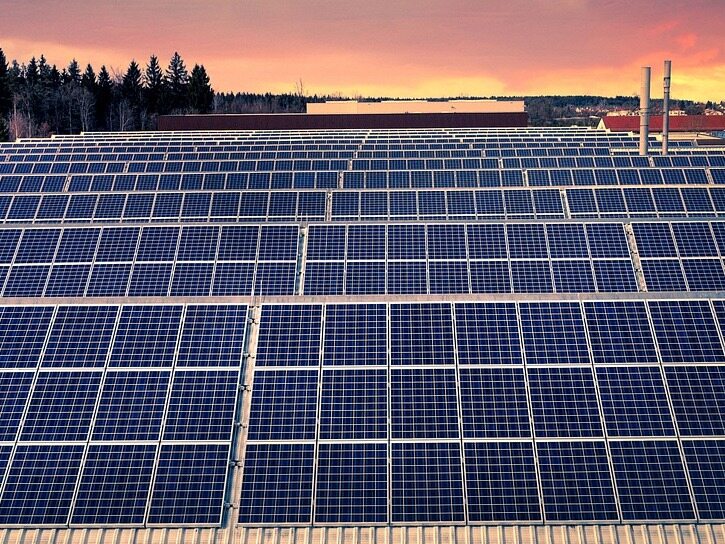
On May 14, 2026, a crucial milestone will fall on the energy map of Eastern Europe. Rezlov Energy has officially announced the launch of a giant photovoltaic power plant project called Dama Solar in Arad County, Romania. This solar park with an installed capacity of up to 1.24 GW not only breaks Romania's historical record, but will also become the largest single photovoltaic base in Europe. For Chinese photovoltaic companies going global, this is a landmark moment - the Romanian energy market has officially entered the "era of large bases".
1.24GW super project landing
The launch of the Dama Solar project marks a qualitative change for Romania from "following" to "leading" in the field of renewable energy. The installed capacity of 1.24 GW will generate significant economies of scale, significantly reducing levelized cost of electricity (LCOE) and providing highly competitive green electricity for the local area. The project is located in Arad County in western Romania, which has abundant sunshine resources and is geographically close to the Central European consumption center, making it convenient for power consumption and regional energy interconnection. The implementation of this' mega 'project will significantly enhance Romania's energy self-sufficiency rate and accelerate its transition away from dependence on traditional fossil fuels.
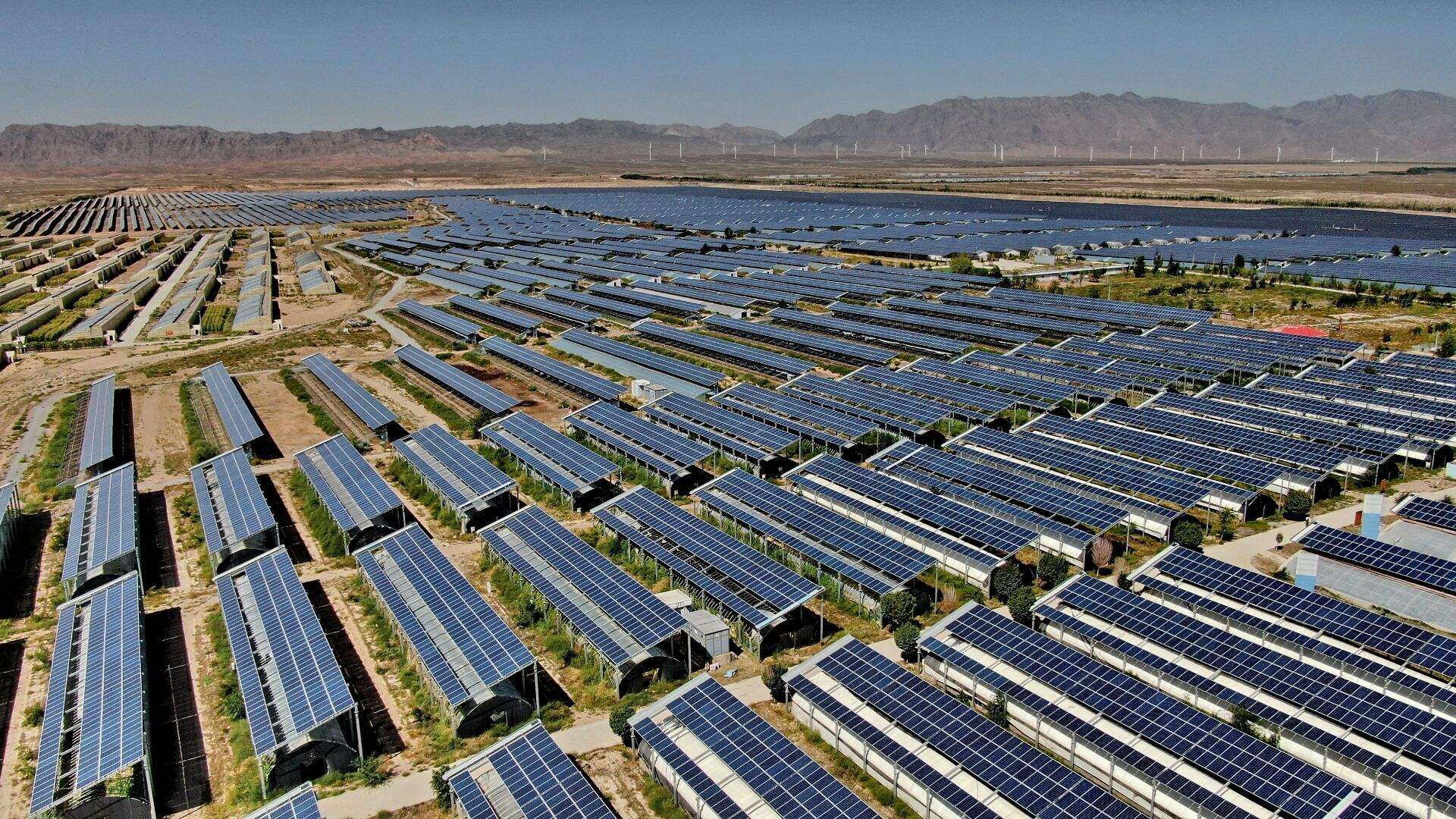
Previously, large-scale photovoltaic projects in Europe were mostly concentrated in mature markets such as Spain and Portugal. The launch of Dama Solar marks the acceleration of large-scale investment towards Eastern Europe, which has good resource endowments, relatively low land costs, and fast policy replenishment. For investors, Romania is transforming from a "potential stock" to a "main battlefield" for European green energy investment, and this regional incremental opportunity is the golden window for Chinese companies to go global.
2GW layout
Dama Solar is not an isolated case. As a leading renewable energy platform in Central and Eastern Europe, Rezlov Energy is building a diversified clean energy portfolio in Romania: the VIFOR wind farm located in Buzeu County with an installed capacity of 461 MW; the Danube East West Wind Farm located in Constanta County with a total capacity of 600 MW; and with the St. George photovoltaic project already connected to the grid in Bulgaria, Rezlov Energy's clean energy portfolio in both Romania and Bulgaria is approaching 2 GW.
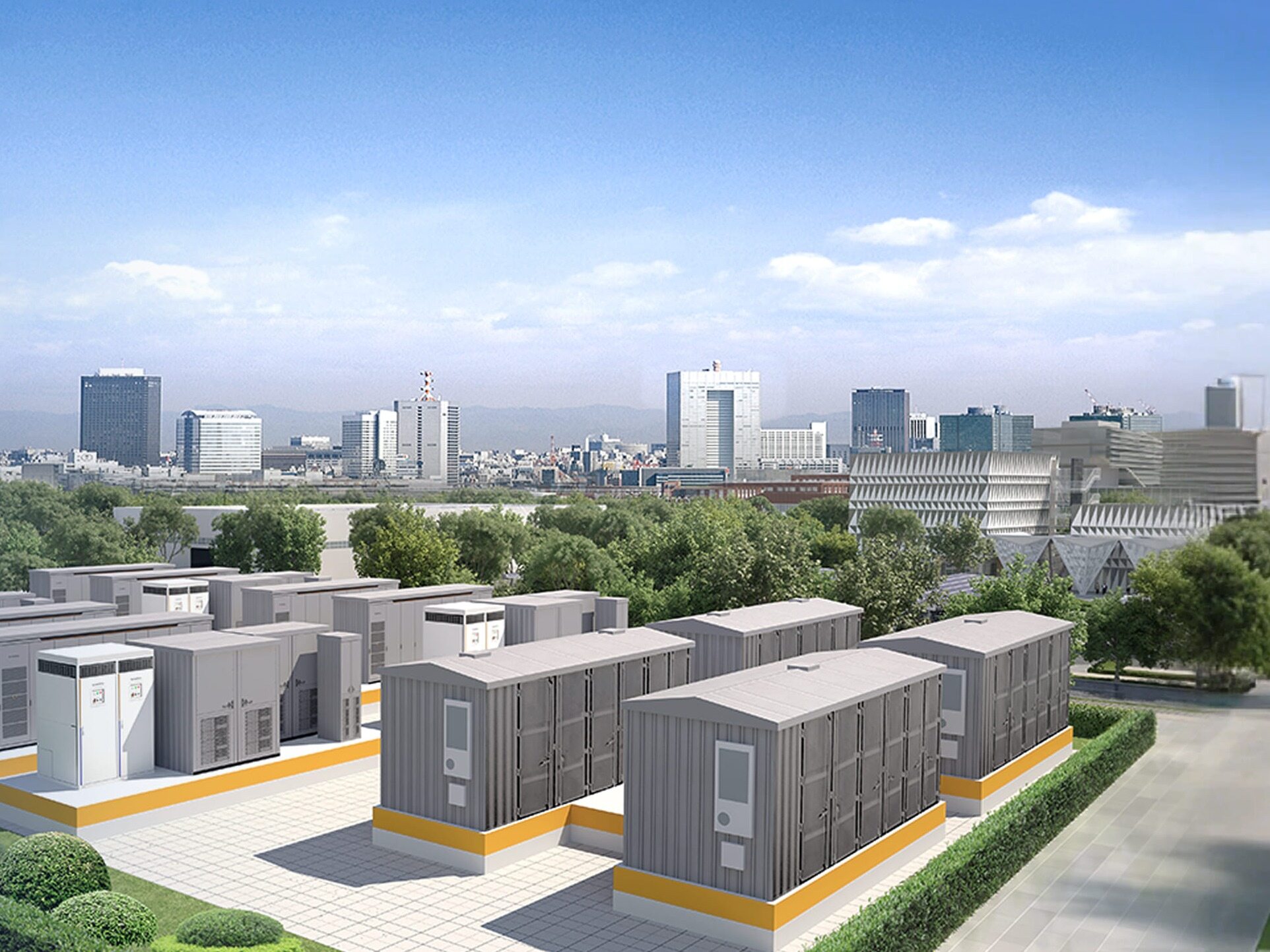
This development model of "large base, multi energy complementarity" places extremely high technical requirements on large capacity inverters, efficient N-type components, and large-scale energy storage systems (BESS), which are the traditional advantages of China's new energy supply chain. Chinese enterprises are fully capable of providing core equipment and technical support in this round of construction.
How Chinese enterprises can seize opportunities
Romania is currently in a "window period" of renewable energy explosion. Its core appeal lies in: in terms of policy dividends, the Romanian government is committed to achieving the EU's emission reduction targets, providing relatively clear profit expectations through mechanisms such as Contracts for Difference (CfD); In terms of infrastructure gap, with the planning of a large number of GW level projects, the demand for power electronic equipment, power transmission and transformation engineering (EPC), and smart operation and maintenance in the local area is growing exponentially; In terms of favorable conditions for Chinese investment, the full industry chain cost advantage of Chinese enterprises in photovoltaic manufacturing and large-scale power plant construction perfectly matches Romania's demand for fast and large-scale installation.
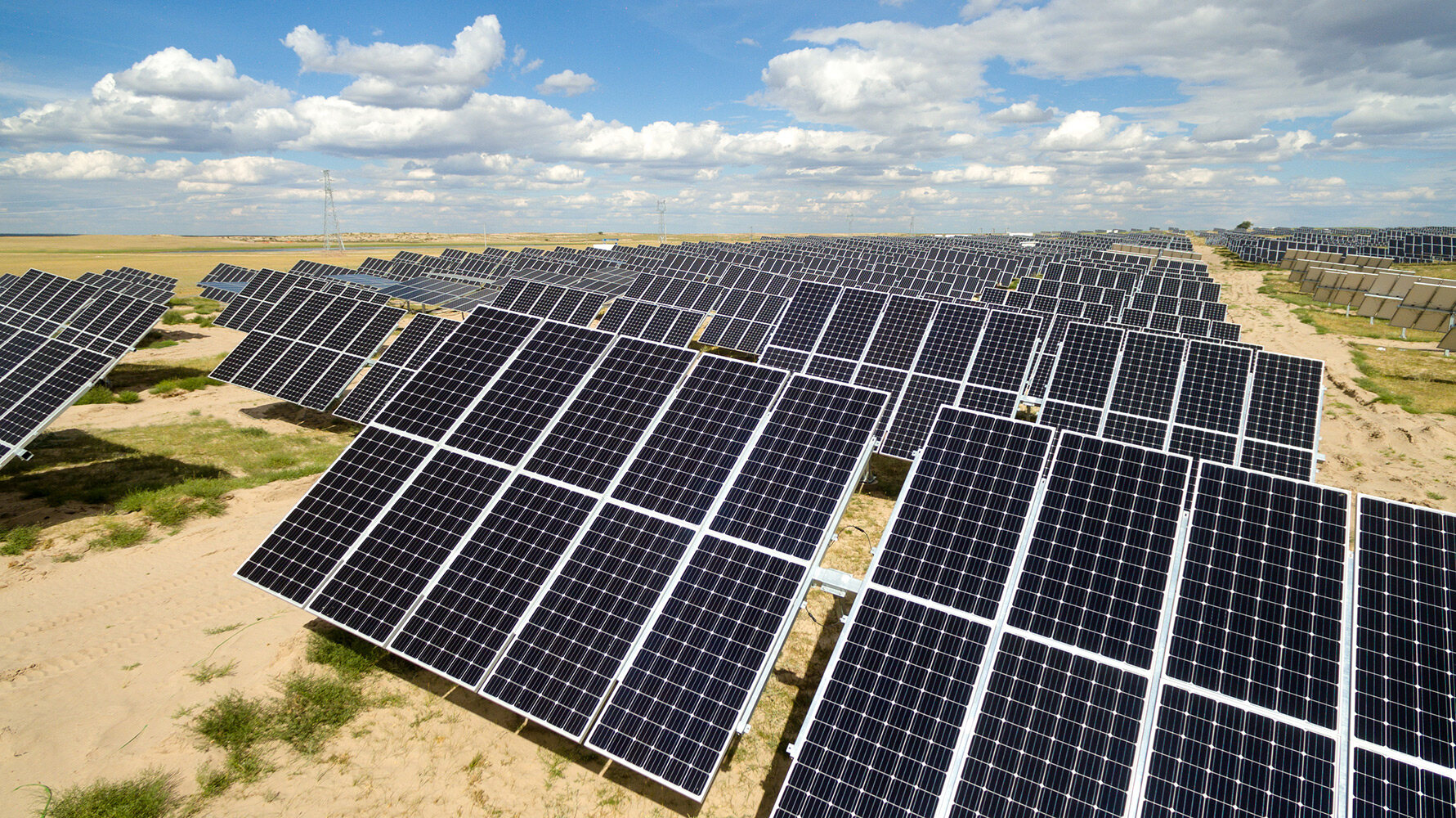
Faced with large-scale projects at the 1.24 GW level, Chinese companies should focus on three directions: first, deepening the supply chain. Mega projects like Dama Solar require extremely high stability and consistency in module supply, and Tier 1 manufacturers with long-term financing endorsements and overseas delivery capabilities are more competitive; Secondly, we will expand our technology overseas and provide intelligent support systems and grid balancing solutions tailored to the adaptability of Eastern European power grids; The third is local compliance, closely monitoring the compliance requirements of the European Union and Romania in labor, environmental protection, and grid connection processes, and reducing non-technical risks through joint ventures or localized operations.
The official launch of the Dama Solar 1.24 GW project in May 2026 is just a microcosm of the new energy boom in Romania and even Eastern Europe. As the forefront of Europe's green transformation, Romania is embracing partners with technological strength and strong capital. For Chinese investors and companies, following this trend and accurately positioning their roles in the industry chain will be the key to tapping into the Eastern European market. Editor/Gao Xue
Comment

 Praise
 Collect
 Comment

 Share
Share


Write something~