 Search


- Saudi Arabia's trillion-dollar infrastructure market is fully open
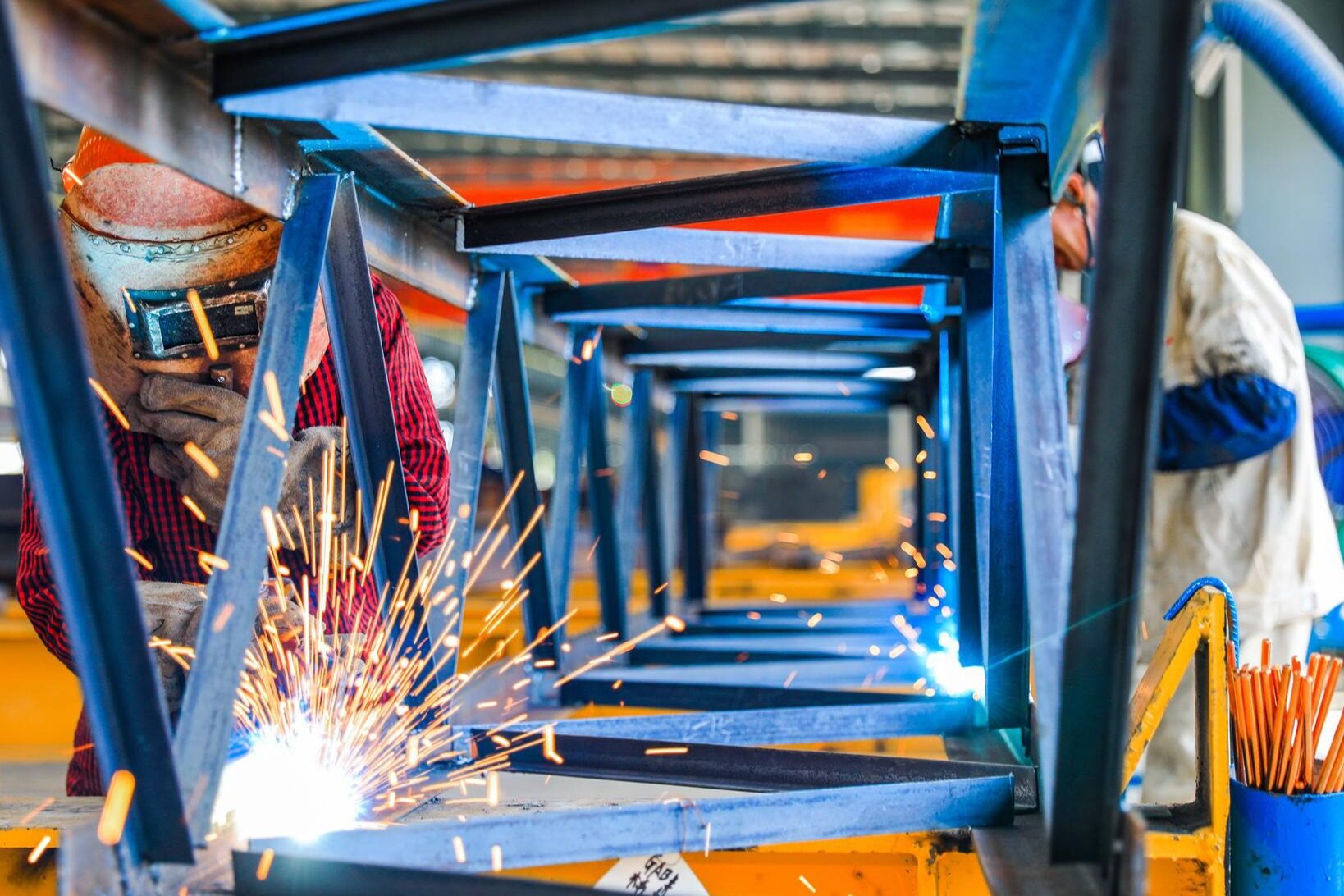
Saudi Arabia recently released a major infrastructure investment signal, announcing that it will release more than $1.15 trillion in demand for building materials in the next five years, bringing unprecedented market opportunities to Chinese building materials companies. On July 28, Saudi Arabia's sovereign wealth fund PIF made it clear that national projects such as NEOM Future City will enter the comprehensive construction stage, of which 40%-45% of building materials will be purchased through global bidding, and special emphasis will be given to cooperation with enterprises with mature international capabilities such as China, Japan and South Korea.
This round of infrastructure boom stems from Saudi Arabia's "Vision 2030" national transformation plan, including more than ten mega-projects such as NEOM Future City, Red Sea Tourism Project, and Qiddiya Entertainment City, and its scale and policy support are rare in the world. Saudi Crown Prince bin Salman has made it clear that he will "redefine the Middle East with technology, industry and modern cities" through these projects.
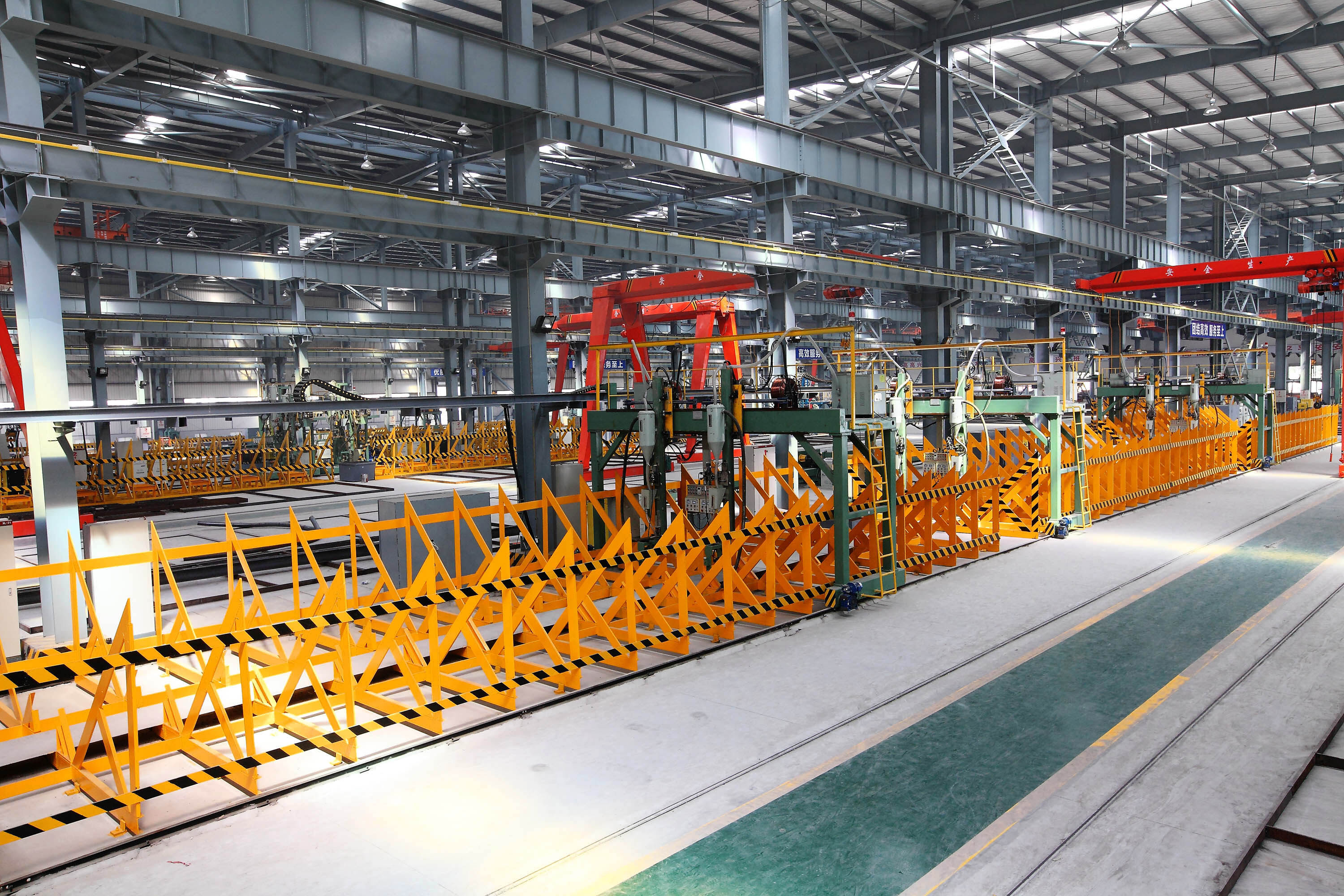
Chinese building materials companies have taken the lead in laying out the Saudi market. China National Building Materials Group has set up a Middle East headquarters to lead a number of cement and glass projects; Conch Cement invested US$1.5 billion to build Saudi Arabia's largest cement plant; Beijin New Materials put into production gypsum board production line to directly supply NEOM project; Sinoma International and China Glass Group have also established production bases in the fields of clinker production and float glass respectively. These companies are transforming from a single product supplier to a local service provider of the whole industry chain.
The Saudi government has introduced highly competitive policies to attract foreign investment: locally produced building materials enjoy 12%-20% tariff protection; corporate income tax is less than 15%; intelligent manufacturing and green building materials projects can receive 30% subsidies; Foreign-funded enterprises can hold 100% of the shares and enjoy supporting support such as land and energy. These policies provide Chinese companies with a significant competitive advantage.
Industry analysis points out that 2025-2027 will be a key window period for Chinese companies to establish their position in the Saudi market. At present, Saudi Arabia project funds are in place and land has been allocated, and there is an urgent need to establish a stable core supplier system. Enterprises that lay out in advance are expected to obtain long-term large orders and local market dominance, while late-stage entrants may face higher thresholds.
This Saudi infrastructure boom is different from ordinary international bidding, and its large scale, excellent policies and practical implementation provide a rare opportunity for China's building materials industry to transform and upgrade. With the in-depth connection between the Belt and Road Initiative and Saudi Arabia's "2030 Vision", Chinese building materials companies are expected to achieve a strategic leap from "going out" to "going in" in Saudi Arabia and even the Middle East market.(This article is from the official website of Jiandao www.seetao.com it must not be reprinted without permission, otherwise it will be investigated, please indicate the reprint of Jiandao.com + original link) See the Middle East column editor/Gao Xue
Comment

 Praise
 Collect
 Comment

 Share
Share


Write something~