 Search


- Morocco is taking decisive action to address the huge natural gas demand gap
- Proposed construction of a floating LNG receiving terminal at the central seaport in Nazur West
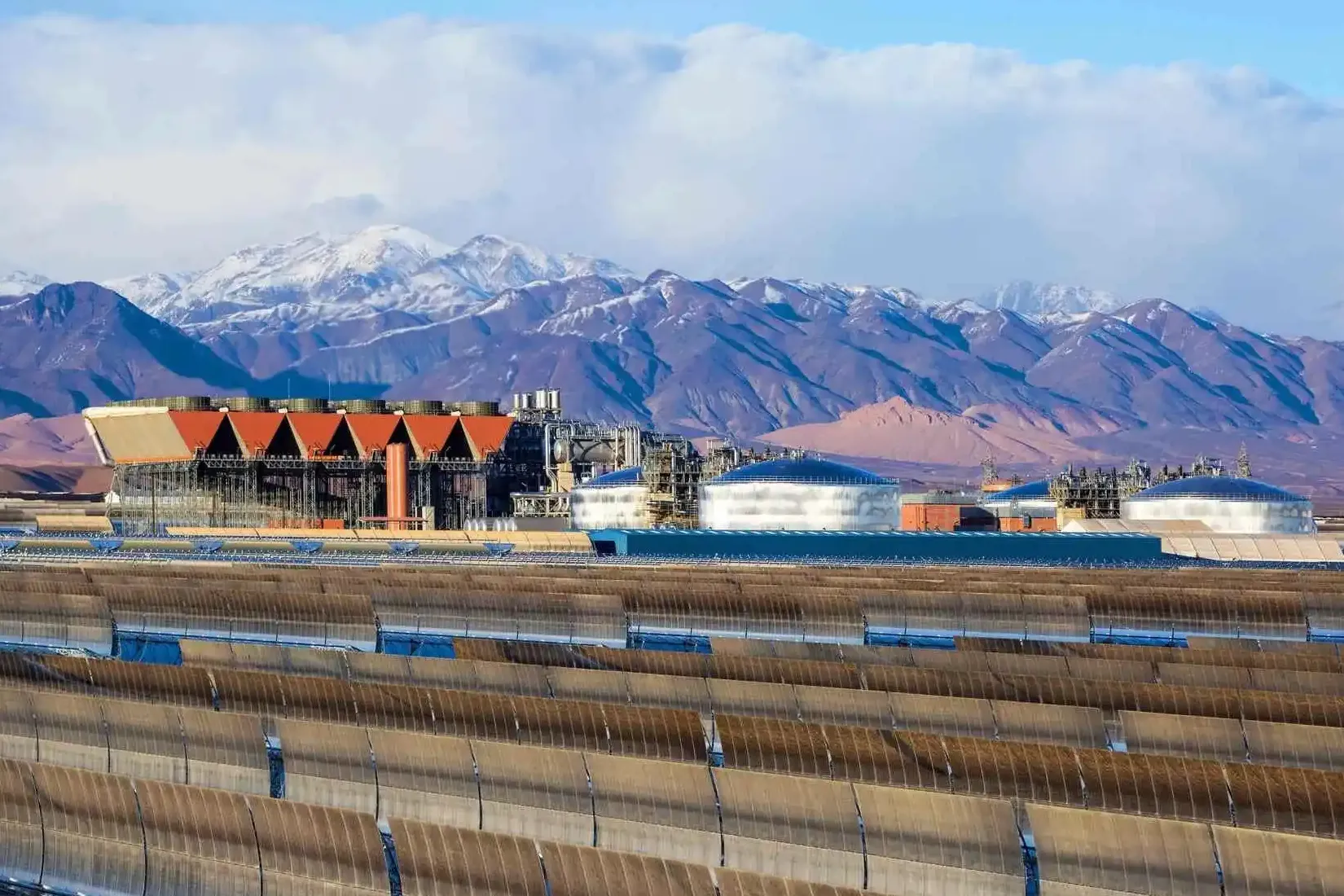
In order to promote the diversification of energy structure and ensure the sustained growth of domestic demand, the Moroccan Ministry of Energy Transition and Sustainable Development (MTEDD) has recently launched bidding procedures for two key natural gas infrastructure projects.
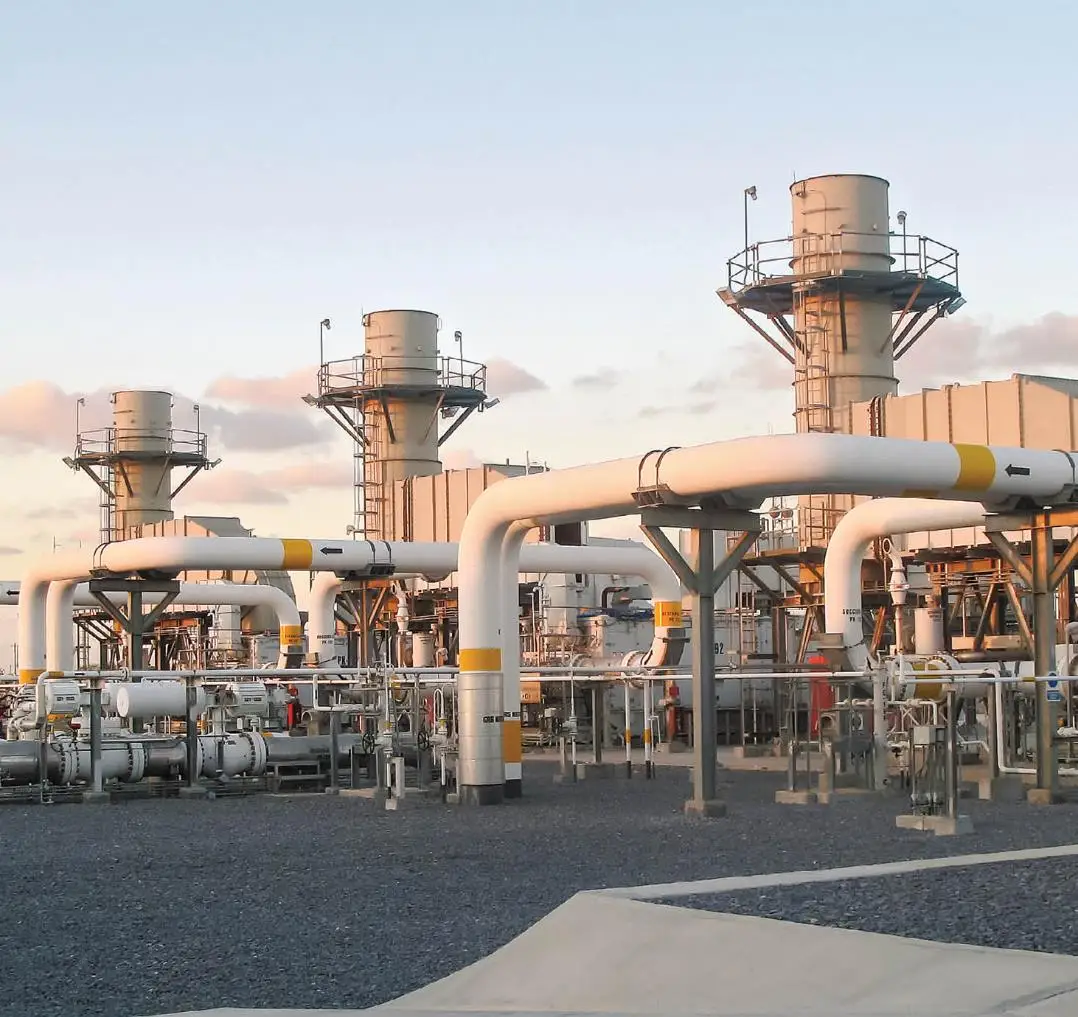
One of the plans is to lease a floating storage and regasification unit (FSRU) through bidding for a liquefied natural gas terminal at the Nazur West Mediterranean Sea Port. The winning bidder is not only responsible for the supply and operation of the vessel, but also needs to complete the construction of some of the terminal's "upper module" facilities, including loading arms and pipeline connection systems. After completion, the liquefied natural gas import terminal will be connected to the Maghreb Europe Gas Pipeline (GME), with an estimated total investment of approximately 273 million US dollars.
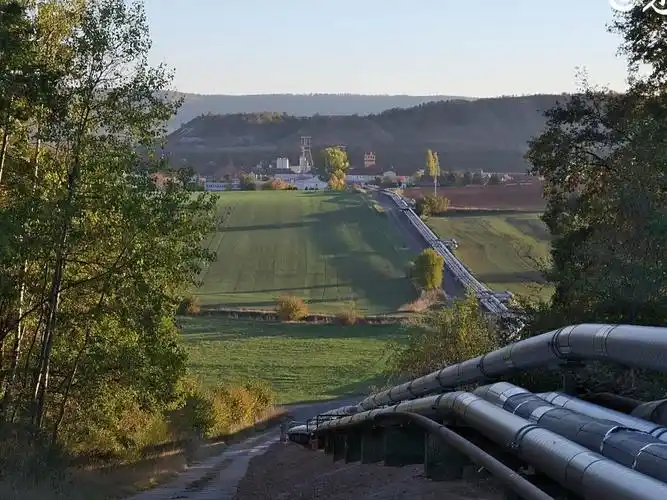
At the same time, the department also released another pre qualification announcement for natural gas pipeline projects promoted through a public-private partnership model. The new pipeline is planned to connect from the western Mediterranean port of Nazur to the GME pipeline and continue southward, covering the industrial areas of Ganitra and Mohammadiya. The total investment of the entire transportation system is about 681.2 million US dollars, of which the investment in the main pipeline from GME to Mohammadiya is about 638.7 million US dollars, and another 42.5 million US dollars will be used to build supporting branch pipelines leading to the above-mentioned industrial zone. According to the plan, the pipeline system is expected to be put into operation in 2027 to cope with the rapidly increasing demand for natural gas. Keywords: the Belt and Road, the Belt and Road News
Driven by the gasification transformation of existing power plants, industrial growth, and the gradual withdrawal of coal and fuel oil, the annual demand for natural gas in Morocco is expected to increase significantly from the current 1.2 billion cubic meters to 8 billion cubic meters by 2027, and is expected to reach 12 billion cubic meters by 2030. The advancement of the two major infrastructure projects mentioned above will provide key support for Morocco to build a stable and flexible natural gas supply system, helping it achieve its energy transformation and sustainable development goals. Editor/Xu Shengpeng
Comment


 Praise
 Collect
 Comment

 Share
Share


Write something~