 Search


- The Middle East natural gas industry has ushered in explosive growth and production will exceed 90 billion cubic feet per day in 2030
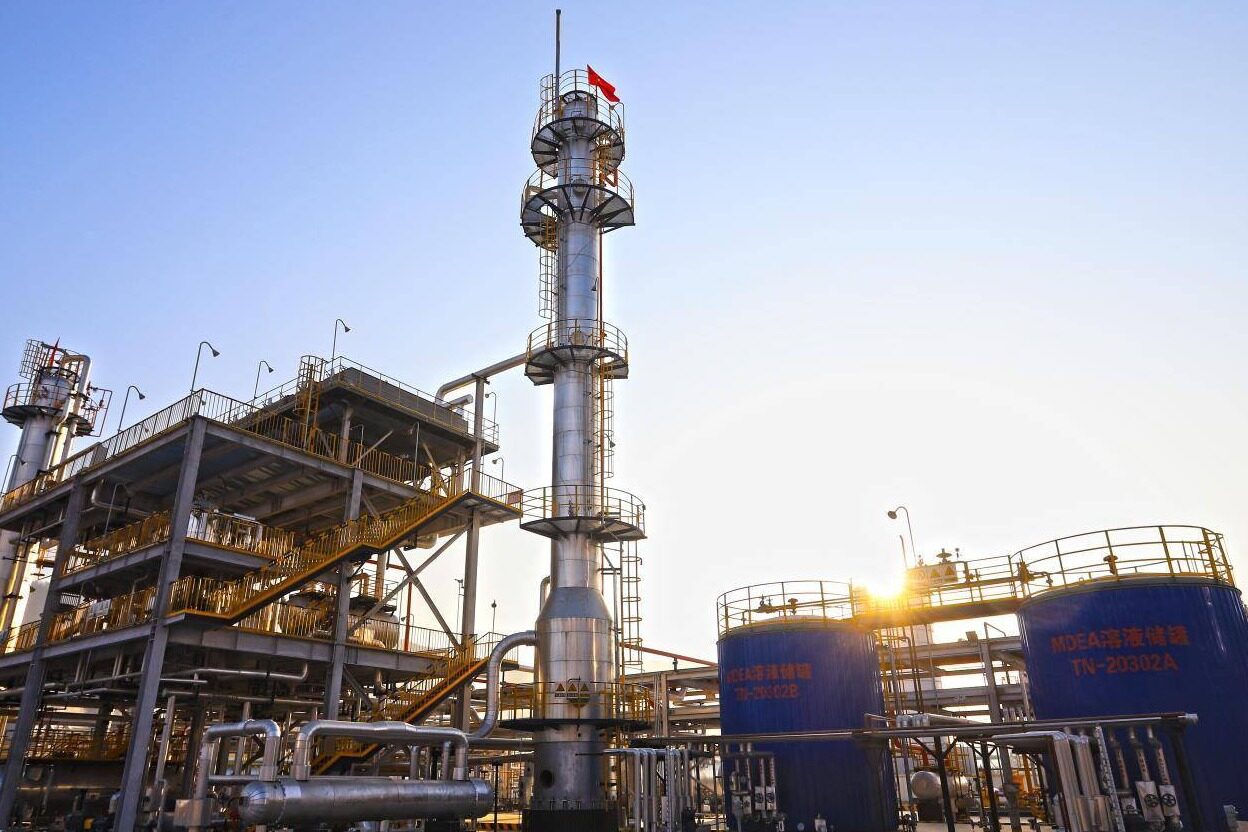
According to the latest research report by Norwegian energy consulting firm Rystad, the Middle East is accelerating its rise as a global natural gas production center. The region has seen a 15% increase in natural gas production since 2020 and is expected to surpass other regions by 2025 to become the world's second-largest natural gas producer after North America. The current average daily production in the Middle East is about 70 billion cubic feet, which is expected to increase by 30% to 90 billion cubic feet per day by 2030 and further climb by 34% in 2035.
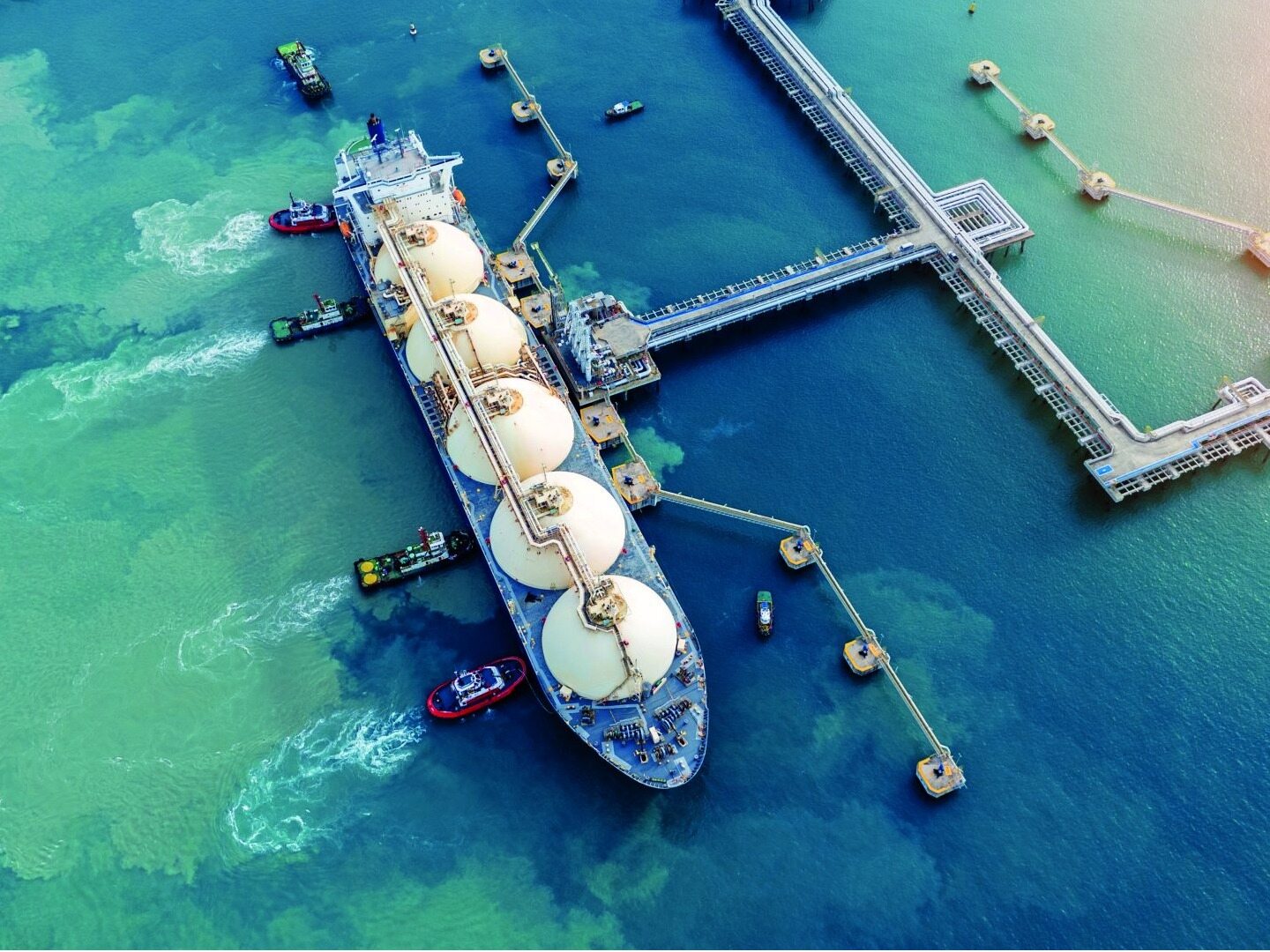
Gulf countries such as Qatar and the United Arab Emirates are vigorously promoting the expansion of liquefied natural gas (LNG) production capacity. The expansion project of the northern gas field in Qatar will increase the country's LNG production capacity by 80% to 142 million tons/year by 2030; The Ruwes LNG project in the United Arab Emirates has a planned annual production capacity of 10 million tons; TotalEnergies' Marsa LNG project in Oman has an annual capacity of 1 million tons. It is expected that by 2028, the Middle East will add 60 million tons/year of LNG production capacity, with a total investment of more than US$50 billion.
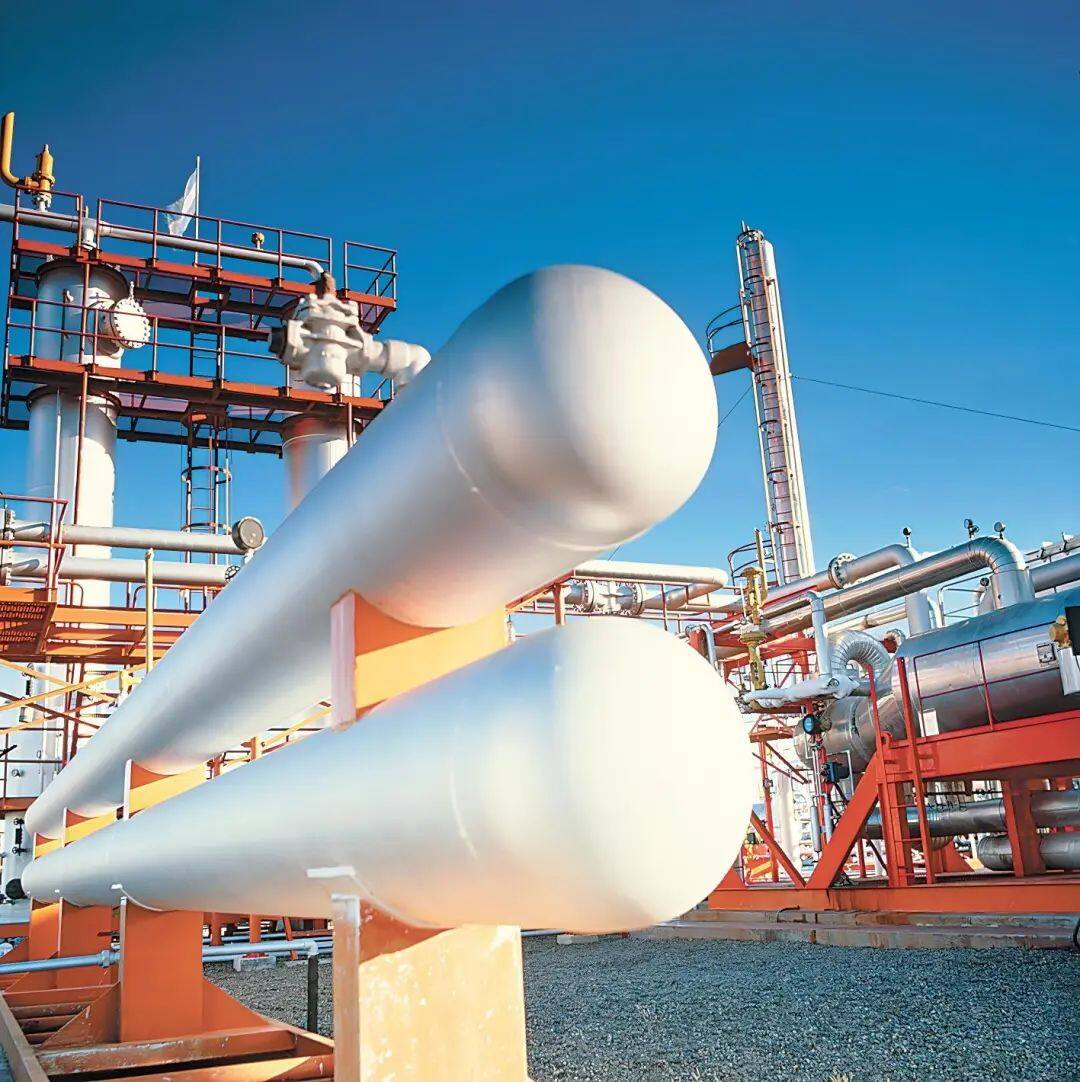
Although Iran currently ranks first in the region with 25 billion cubic feet per day of production, it has limited growth due to international sanctions. In contrast, Qatar is expected to increase production by 50% to 24 billion cubic feet per day with the development of gas fields in the north, and may replace Iran as the region's largest producer in the early 2030s. The UAE and Saudi Arabia are expected to each add 3 billion cubic feet per day of production.
The Middle East region plans to add 10 billion cubic feet per day of export capacity by 2030, focusing on supplying the European and Asian markets. Its natural gas projects have significant cost advantages, with breakeven costs of less than $5/thousand cubic feet, making them competitive even in a low-price environment. Rystad Vice President pointed out that if gas prices remain at $7-9/million British thermal units, production in the Middle East will maintain strong growth; If it falls below $6, the growth rate may slow down.
As the global energy transition continues to advance, the Middle East is consolidating its position as a global LNG trading center with its abundant natural gas reserves and cost advantages. The expansion of production capacity in countries such as Qatar and the UAE will further enhance the region's influence in the international energy market and make an important contribution to the security of global energy supply.(This article is from the official website of Jiandao www.seetao.com it must not be reprinted without permission, otherwise it will be investigated, please indicate the reprint of Jiandao.com + original link) See the Middle East column editor/Gao Xue
Comment



 Praise
 Collect
 Comment

 Share
Share


Write something~