 Search


- Eurasia's $234 billion infrastructure investment reshapes the logistics landscape

The latest Eurasian Transport Network Observation Report released by the Eurasian Development Bank shows that Eurasia is undergoing an unprecedented transportation infrastructure revolution. 325 infrastructure projects under construction and planned across 13 countries, with a total investment of up to US$234 billion, will completely reshape the logistics landscape of this vast region.
Russia played a key role in this infrastructure boom, winning seven seats in the top 10 infrastructure projects. Among them, the "Nordic-Asian Corridor" has become the biggest highlight with an investment scale of 78 billion US dollars, and after the completion of this transportation artery running through Russia's east and west, it will become the fastest land corridor connecting Europe and the Asia-Pacific region. At the same time, Central Asia has shown amazing development potential, attracting 22.6% of investment despite only 27.7% of the number of projects, and Kazakhstan contributes nearly half of the region's infrastructure projects.
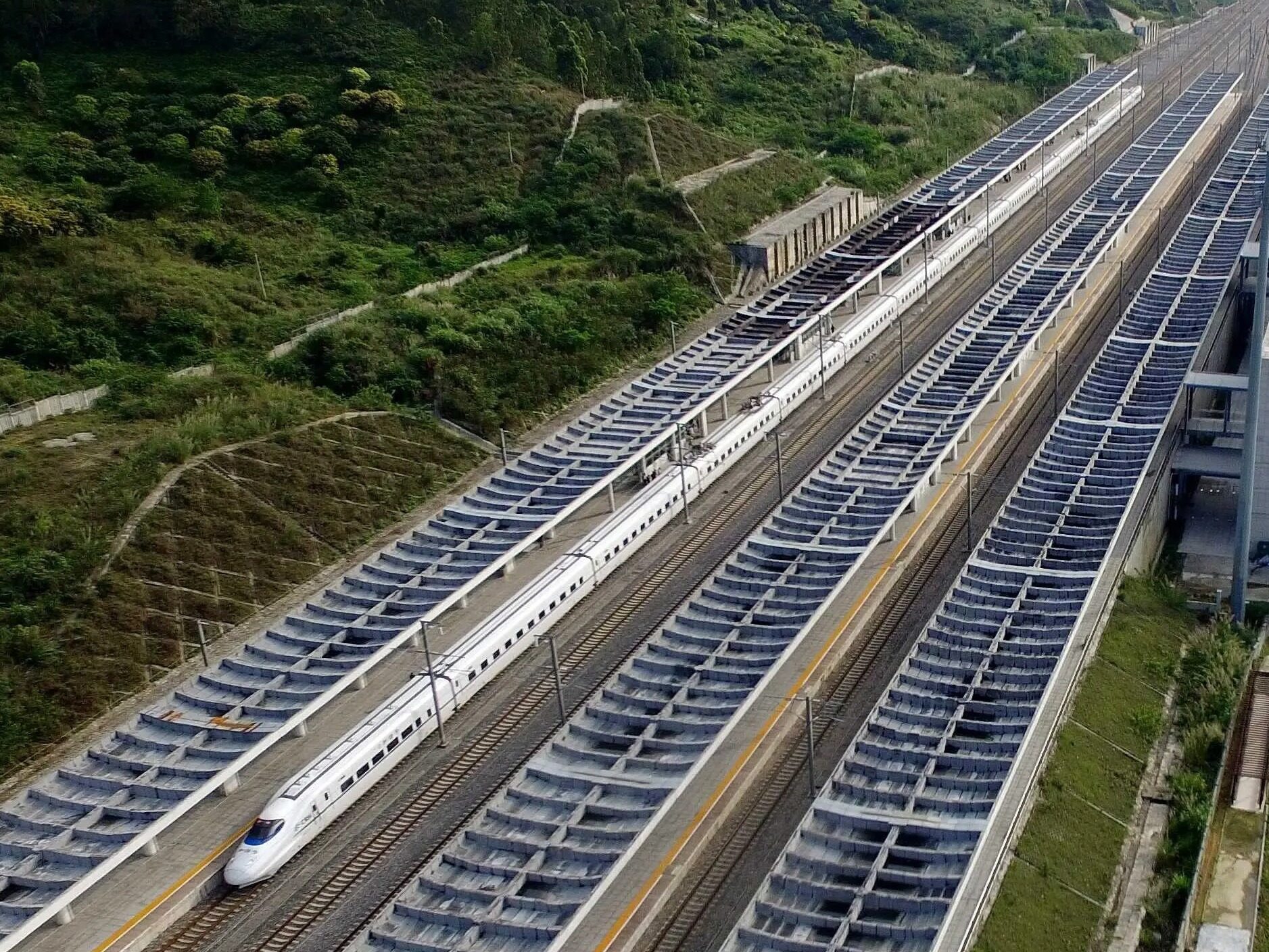
In terms of construction type, highway projects received the greatest attention, accounting for 51% of the total investment. The advancement of projects such as the Tashkent-Andiyan Toll Road in Uzbekistan and the Ashgabat-Turkmenbashi Highway in Turkmenistan is weaving a dense network of "Steel Silk Roads". The China-Kyrgyzstan-Uzbekistan railway project, which has been stagnant for more than 20 years, has been restarted with multilateral financial support, and the $4.7 billion project is expected to shorten freight time from China to Europe by nearly a week when completed in 2028.
International multilateral institutions have played a key role in this round of infrastructure boom. The Eurasian Development Bank pointed out that in landlocked mountainous countries such as Afghanistan, multilateral institutions not only provide financial support, but also make important contributions to the formulation of technical standards and cross-border coordination. With the advancement of these projects, Eurasia is gradually achieving seamless connectivity in the true sense, and Central Asian countries will also change from "land-locked countries" to "land-linked countries" and occupy a more important position in the global supply chain.
Experts said that the improvement of this transportation network will not only greatly improve logistics efficiency, but also profoundly affect the regional industrial layout and economic and trade relations. The Eurasian Development Bank is committed to continuously updating the project database to provide the most up-to-date reference for policymakers and investors. It is foreseeable that the transportation map of Eurasia will continue to be rewritten in the next few years, and a more closely connected Eurasian economic space is taking shape.(This article is from the official website of Jiandao www.seetao.com it must not be reprinted without permission, otherwise it will be investigated, please indicate the reprint of Jiandao Network + original link) See the traffic column editor of Jiandao Network / Gao Xue
Comment


 Praise
 Collect
 Comment

 Share
Share


Write something~