 Search


- This project will upgrade Budapest Airport into a transportation center that integrates the city and major domestic city road networks
- As a large-scale infrastructure project costing 1 billion euros, it attempts to verify the feasibility of a franchise model that relies entirely on private capital and recovers costs through market-oriented ticket prices in Central and Eastern Europe
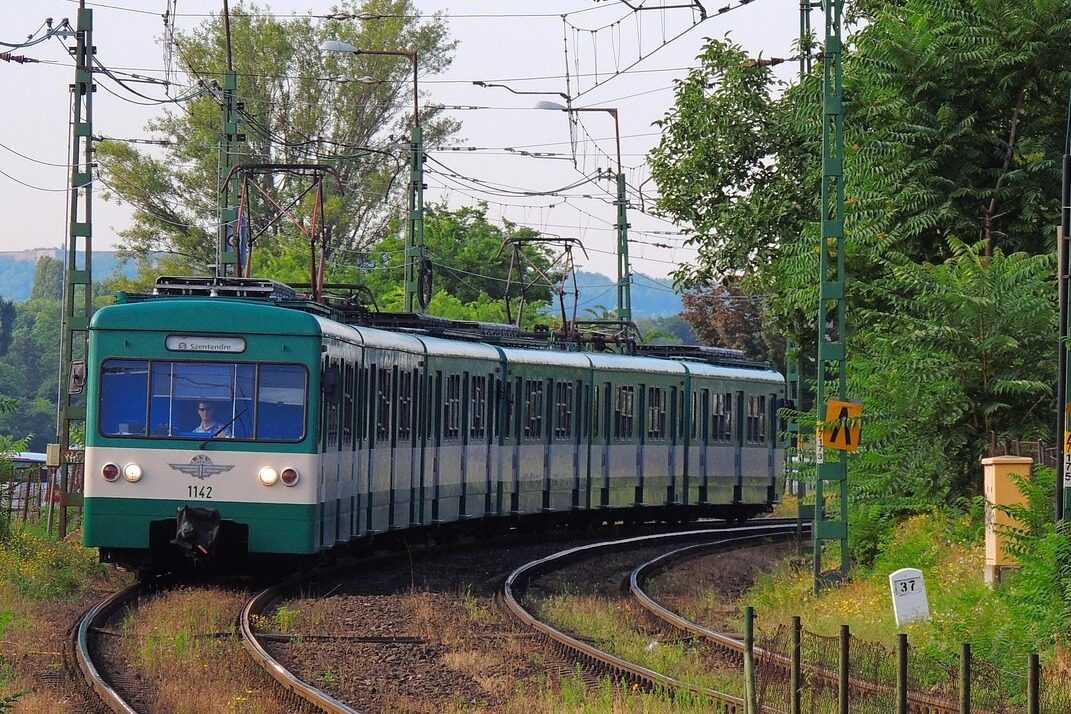
Recently, the Hungarian government announced a major infrastructure decision: the railway project connecting Budapest city and Ferenc Liszt International Airport has been officially approved, and international bidding is planned to start in January 2026.
This dedicated railway with a total investment of about 1 billion euros and a total length of 27 kilometers is not only one of the largest infrastructure projects in modern Hungarian history, but also expected to upgrade Budapest Airport into a truly comprehensive transportation hub in Central and Eastern Europe.
19 minute connection to the city center, building a regional transportation artery
According to the plan, this airport railway will directly connect the airport with Budapest West Railway Station, with a designed maximum speed of 160 kilometers per hour and a shortened one-way travel time of about 20 minutes. The project is planned to operate on high-frequency shifts of 5 to 10 minutes, with an estimated daily passenger capacity of 33000.
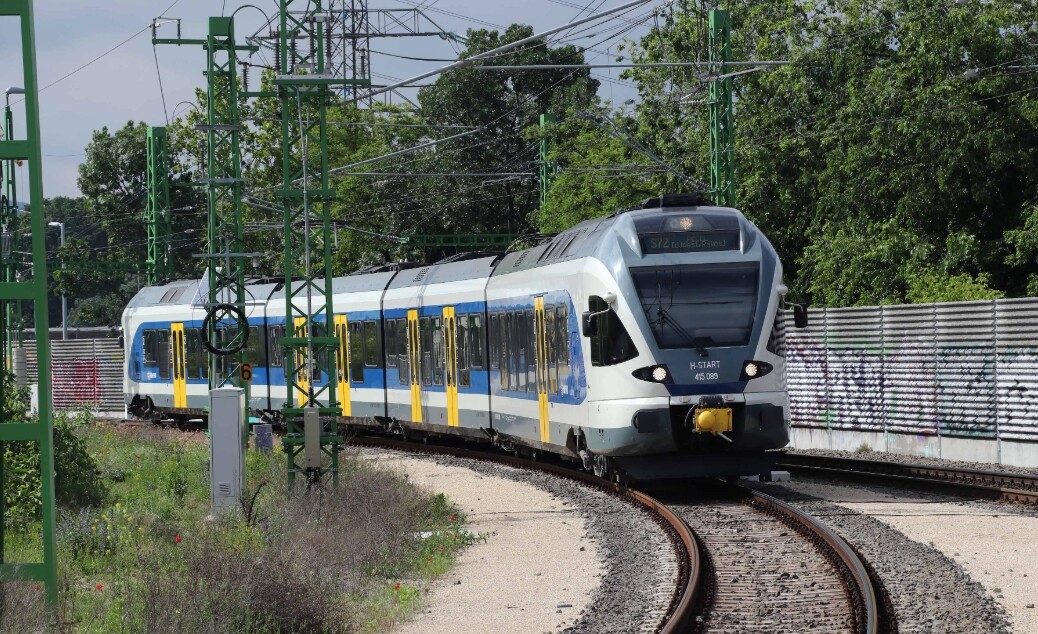
The broader vision of the project is to connect regions. The new railway will not only serve urban passengers, but will also be fully integrated into the Hungarian national railway network. This means that in the future, passengers from major cities in Hungary such as Gy ö r and Debrecen can take trains without transferring and directly arrive at the airport.
The entire railway project is expected to be completed between 2034 and 2035, which is in line with the airport's plan to put the newly built Terminal 3 into operation at a cost of 1 billion euros.
Franchise model driven entirely by private capital
Unlike many large-scale infrastructure projects, the Hungarian government has chosen a unique financing and construction path for this project. The franchise model fully adopts private financing and does not require direct investment from the national budget.
This model transfers the risks and responsibilities of project financing, construction, and operation to private investors. The winning bidder needs to bear its own profits and losses, recover costs and make profits through future operating income, and even need to pay fees to the government. The preliminary estimated ticket price is between 3000 and 4000 forints, and the government emphasizes that this will have a price advantage over taxis.
At present, multiple international companies, including one of the shareholders of Budapest Airport in the French Wanxi Group, Chinese related enterprises, Austrian companies, and the Hungarian local construction group V-H í d, are considered potential strong bidders.
Hungary's Infrastructure Ambition and Financial Challenges
The airport railway project is a core part of Hungary's efforts to enhance its transportation hub status. Bokoy Marten, Deputy Minister of the Ministry of National Economic Development of Hungary, once said that Hungary hopes to strengthen connectivity in transportation and logistics, and firmly supports the the Belt and Road Initiative.
This project also aligns with the EU's advocacy for sustainable transportation. The European Investment Bank is currently evaluating a Hungarian railway modernization financing plan worth approximately 3.057 billion euros, aimed at improving railway service quality and promoting environmentally friendly travel.

However, the progress of the project is not without controversy. Recently, the Hungarian government has faced criticism from transportation experts and opposition groups for reallocating 18 billion forints of funds originally intended for railway development to highway projects. This to some extent highlights the complex decision-making environment and funding balance challenges faced by Hungary in advancing its massive infrastructure agenda.
The launch of the Budapest Airport railway project marks a crucial step for Hungary in strengthening its strategy as a logistics and transportation hub in Central and Eastern Europe. It is not just a railway that shortens commuting time, but also a large-scale infrastructure experiment that connects domestic cities, integrates regional transportation, and attempts to achieve it through innovative financing models. International News and Information, International News Network
As the bidding approaches, how to turn this future path from blueprint to reality will test the wisdom of all parties and have a profound impact on the travel map of the region.Editor/Cheng Liting
Comment




 Praise
 Collect
 Comment

 Share
Share


Write something~