 Search


- Vietnam steel industry presents a differentiated development pattern of northern construction steel and southern sheet metal processing
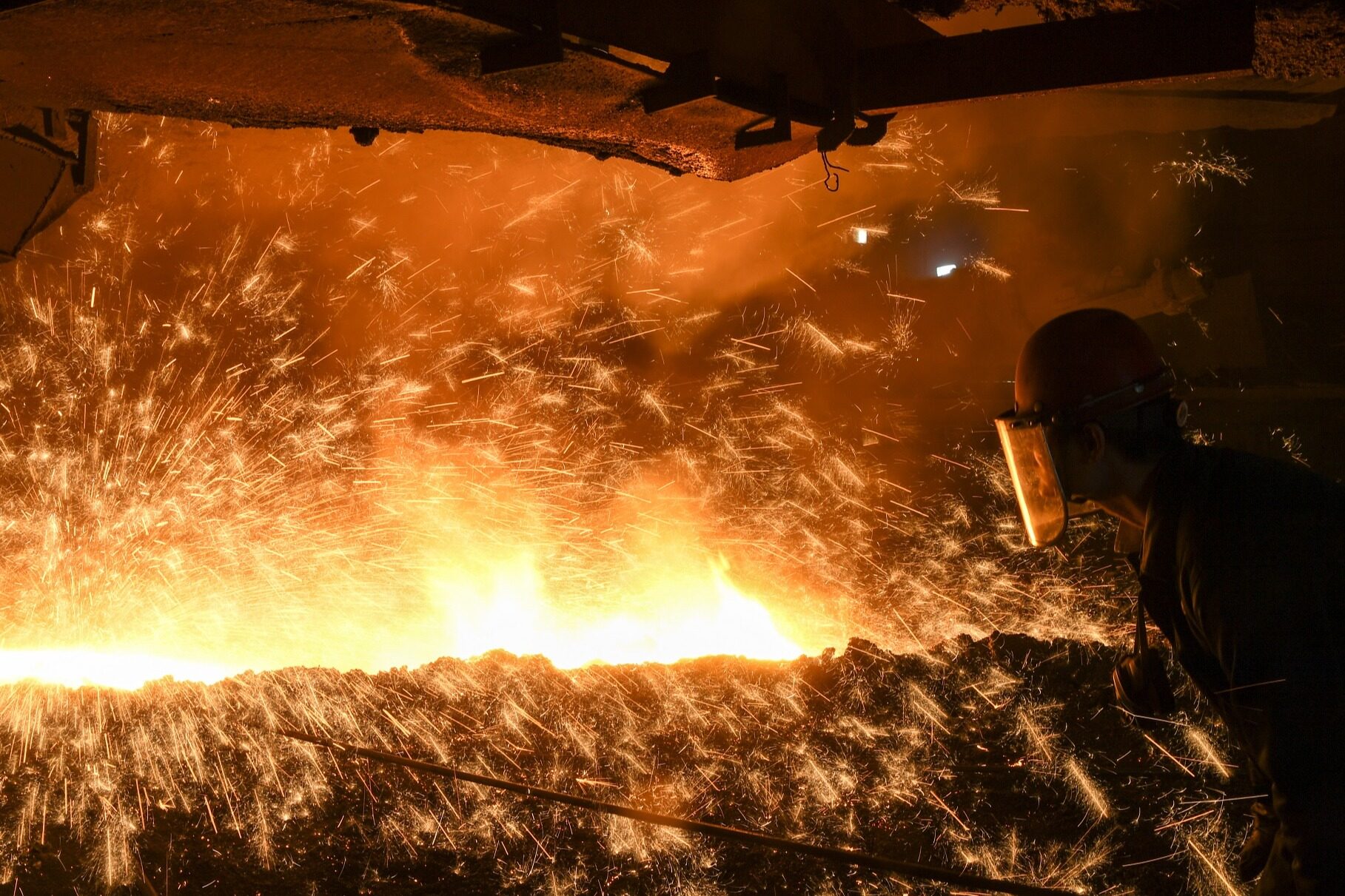
In 2024, Vietnam ranked 11th in the world with a crude steel production of 22.1 million tons, demonstrating a thriving steel industry. At present, the actual crude steel production capacity in the country is about 30 million tons, with a capacity utilization rate of around 70%, of which construction steel accounts for 55% and hot-rolled coils account for 30%. It is worth noting that the steel production process structure in the country has undergone significant changes, with the proportion of blast furnace converter long process technology increasing to 64%, while the proportion of electric furnace short process technology has decreased from 95% in 2011 to 36%.
In terms of resource endowment, Vietnam's domestic iron ore resources are mainly concentrated in mining areas such as Lao Cai Province, An Pei Province, and Phu Tho Province in the northern Red River Basin, as well as in the mining area of Ha Tinh Province in the central region. However, due to policy restrictions and technological backwardness, the self-sufficiency rate of domestic iron ore in 2024 will be less than 20%, with over 60% of iron ore relying on imports from the Commonwealth of Australia and the Federal Republic of Brazil. In terms of coal resources, although the total reserves reach billions of tons, the proportion of coking coal suitable for steelmaking is less than 5%, and about 90% of metallurgical coke demand relies on imports.
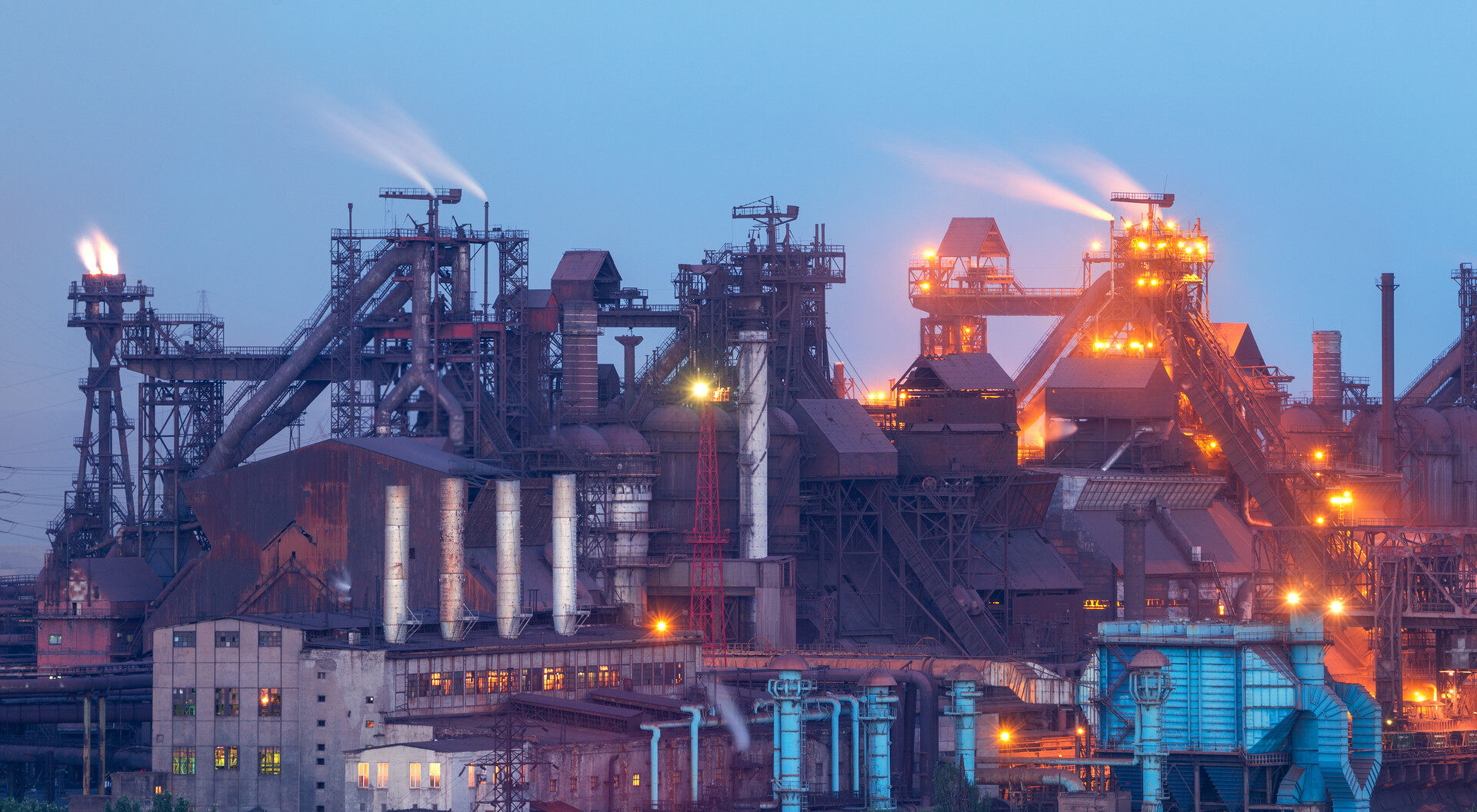
The steel industry in Vietnam exhibits obvious regional differentiation characteristics. In the north, enterprises mainly engaged in construction steel are concentrated around Hanoi and Taiyuan provinces, while in the central provinces of Ha Tinh and Quang Tri, more than 47% of large-scale integrated projects in the country are concentrated. In the south, sheet metal processing and trade are the main industries. Industry leading enterprises include Hefa Steel, Formosa Plastics Hejing Steel, etc. More than 90% of their core equipment comes from China, and their main technical partners include Chinese companies such as MCC Saidi Engineering Technology Co., Ltd.
Expert analysis points out that while Vietnam's steel industry is developing rapidly, it still needs to address issues such as high dependence on external resources and uneven regional development. Especially in the field of high-end products such as hot-rolled coils, a self-sufficiency rate of 39% shows a significant capacity gap. In the future, the development of Vietnam's steel industry will largely depend on the stability of international resource supply and the continued depth of cooperation with China in technology, equipment, and other fields. (This article is from the official website of Jian Dao www.seetao.com. Reproduction without permission is prohibited, otherwise it will be prosecuted. Please indicate Jian Dao website+original link when reprinting.) Jian Dao website feature editor/Yang Beihua
Comment



 Praise
 Collect
 Comment

 Share
Share


Write something~