 Search


- Combining hydropower and photovoltaics to ensure power supply, electricity price reform supports sustainable development
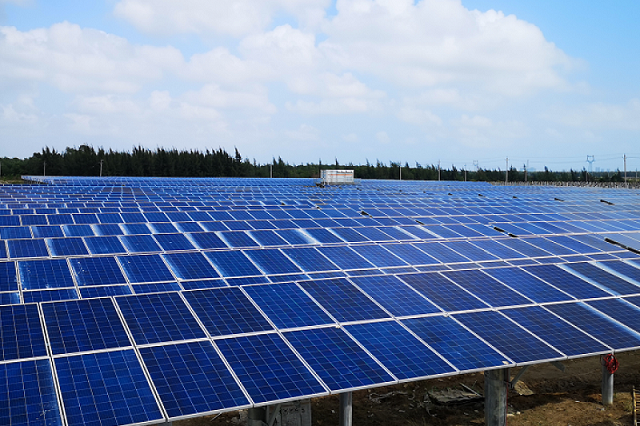
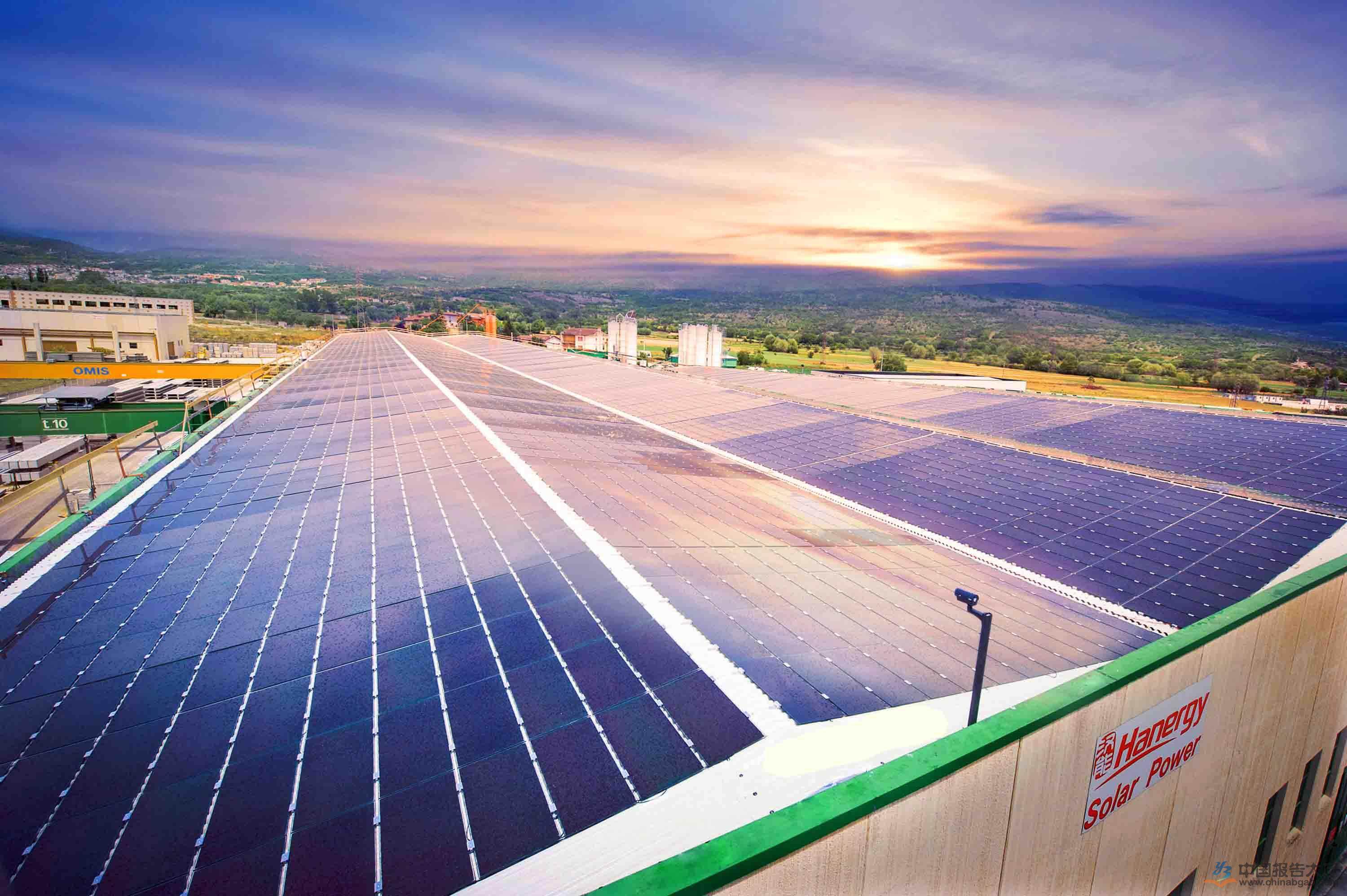
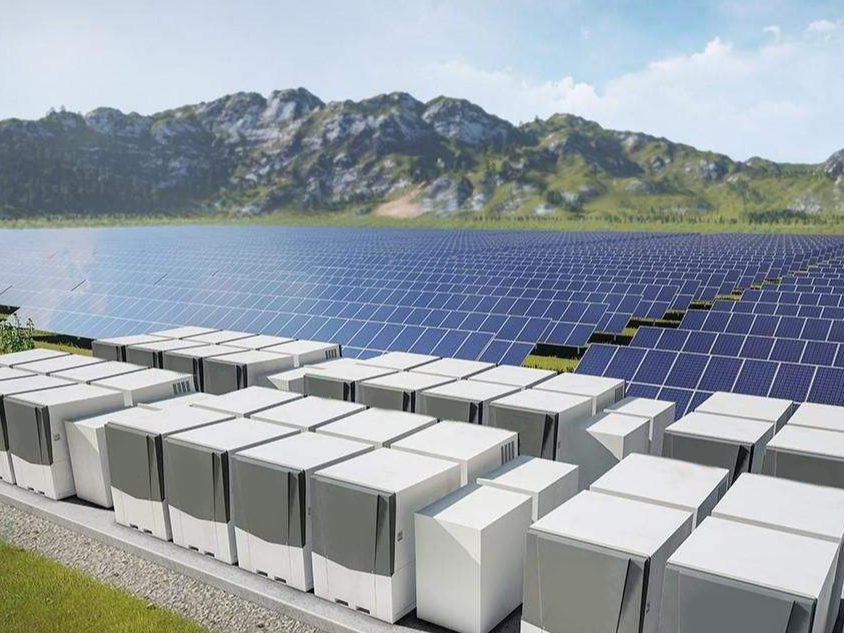
Recently, the State Power Company of Laos held a mid year summary meeting, where General Manager Akonde Ongsay reported on the company's business performance in the first half of the year and its planned direction for the second half. To ensure stable domestic power supply, the company has formulated emergency measures for 2025-2027, with a focus on accelerating the construction of the South Russia No. 3 hydropower station, prioritizing the promotion of large-scale photovoltaic projects, and vigorously developing small-scale distributed photovoltaic systems.
Accelerate the construction of the South Russia No. 3 hydropower station, ensure power supply in the central region, and reduce imports during the dry season
The South Russia No. 3 hydropower station will be completed and put into operation as planned in 2027, aiming to enhance the power supply capacity of the central region of Laos, alleviate the power shortage during the dry season, and reduce dependence on imported electricity.
Prioritize the development of large-scale photovoltaic projects, with a total installed capacity of 680 megawatts in 12 power stations
The State Power Company of Laos will vigorously promote large-scale photovoltaic projects, including 12 power stations, with a total installed capacity of 680 megawatts. Among them, the Sino Agripotas Farm solar power station (50 MW) located in Gammon Province, Laos has been completed and put into operation.
Promote small-scale photovoltaic systems to enhance grid stability
In the first half of 2025, there were a total of 237 power outages and voltage drops in the national transmission system, a decrease of 35 compared to the same period last year; There were 2396 incidents related to the power distribution system, a decrease of 1107 incidents compared to the same period last year. To improve voltage quality, the Lao National Power Company has gradually replaced thick cables and increased transmission equipment.
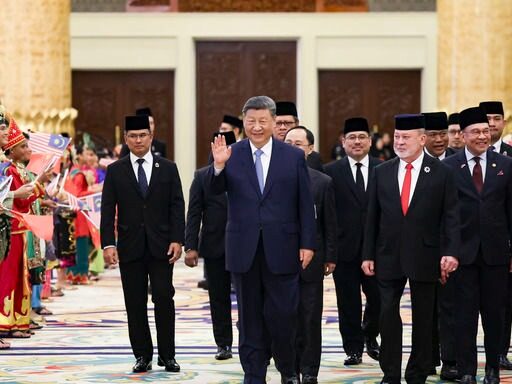
Minister of Industry and Trade of Laos, Malaiton Gommasi, pointed out at the meeting that the above measures will effectively enhance the stability of power distribution. Aconde Onsai emphasized that the company is advancing operational reforms to improve the efficiency of state-owned enterprises and reverse the situation of continuous losses and debt accumulation. The reform includes adjusting the electricity price structure to make it closer to the actual distribution cost.
In February of this year, the Laotian government released a new policy of tiered electricity pricing for 2025-2029, which significantly increased the prices of various types of electricity. The electricity price for household monthly electricity consumption from 0-25 kWh increased from 355 Kip per kWh in January to 679 Kip in July, a 91.27% increase. The higher the electricity consumption, the higher the unit price. By 2029, this electricity price will reach 911 Kip, and households with electricity consumption exceeding 1500 kWh will need to pay 2223 Kip per kWh.
The rise in electricity prices has sparked widespread concern in society, and several members of the Lao National Assembly called on the government to reconsider policies and reduce the burden on the people. According to government guidance, the Lao National Power Company, responsible for power allocation, is negotiating with hydropower companies to negotiate lower purchase prices and provide subsidies for low-income families.
Aconde stated that currently, the State Power Company of Laos transmits electricity through 103 power plants (with a total installed capacity of 4930 megawatts), covering households across the country, and the scale and power structure of the power grid continue to be optimized. (This article is from the official website of Jian Dao www.seetao.com. Reproduction without permission is prohibited, otherwise it will be prosecuted. Please indicate Jian Dao website+original link when reprinting.) Jian Dao website feature editor/Yang Beihua
Comment




 Praise
 Collect
 Comment

 Share
Share


Write something~