 Search


- The Shanghai Hangzhou high-speed railway has received national approval, with a total investment of over 67 billion yuan
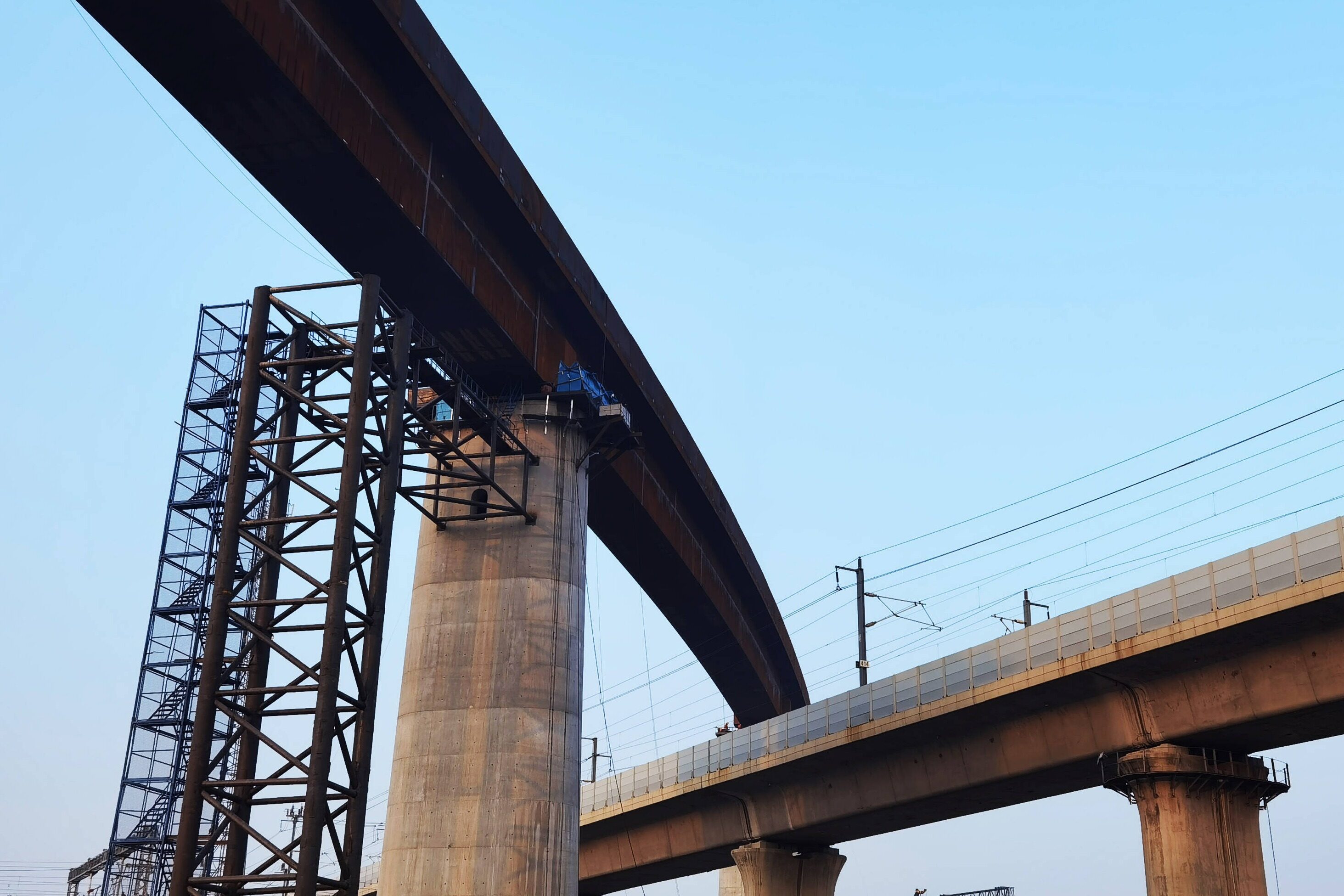
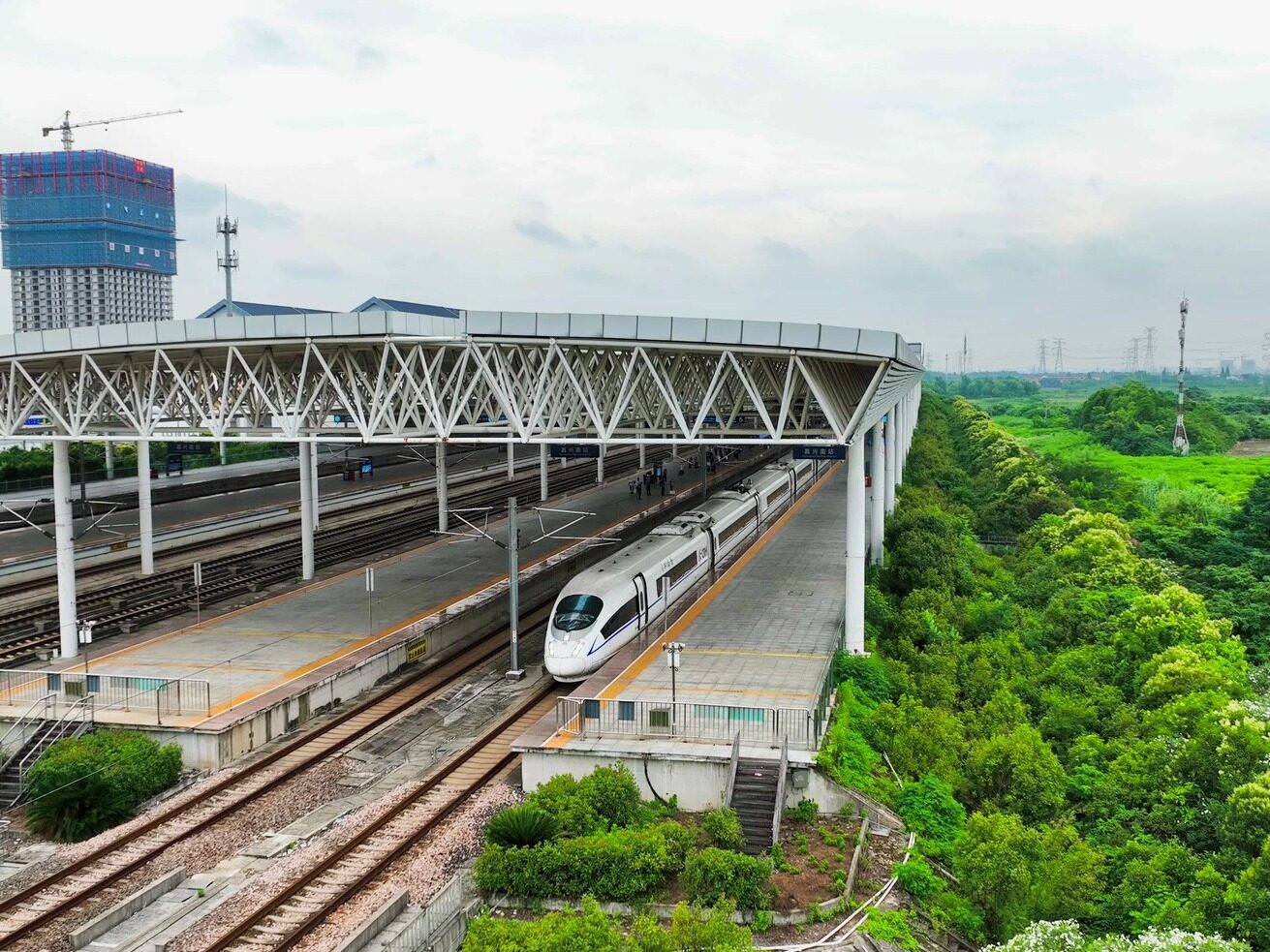
Recently, the National Development and Reform Commission officially approved the feasibility study report of the new Shanghai Hangzhou high-speed railway project, marking that this major transportation project is about to enter the implementation stage. The total length of the project route is about 223.8 kilometers, with a total investment scale of 67.097 billion yuan and a designed speed of 350 kilometers per hour. It is a key backbone project in the integrated transportation planning of the Yangtze River Delta.
The new Shanghai Hangzhou high-speed railway will be laid along the north bank of Hangzhou Bay, connecting important areas such as Pudong, Lingang New Area, Jinshan, Jiaxing City, Tongxiang City, and the western part of Hangzhou in an east-west direction, effectively filling the gap in high-speed railway services in coastal areas and strengthening the multi-channel pattern between Shanghai and Hangzhou. The project will focus on serving national strategic platforms such as the Shanghai Free Trade Zone Lingang New Area, Jiaxing Science and Technology City, and Hangzhou West Science and Technology Innovation Corridor, significantly enhancing regional comprehensive transportation service capabilities.
As a major infrastructure for implementing the integrated development strategy of the Yangtze River Delta, the Shanghai Hangzhou high-speed railway will undertake the rapid connection function between the coastal corridor and the Shanghai Kunming corridor, effectively diverting the transportation pressure of the existing Shanghai Hangzhou corridor and achieving a reasonable division of labor between mainline railways and intercity railways. After the completion of the project, it will mainly undertake long-distance cross line passenger flow between the Beijing Tianjin Hebei, Guangdong Hong Kong Macao, Yangtze River Economic Belt and other regions and the Yangtze River Delta urban agglomeration, as well as intercity commuting passenger flow between Shanghai and Hangzhou for the development of urbanization.
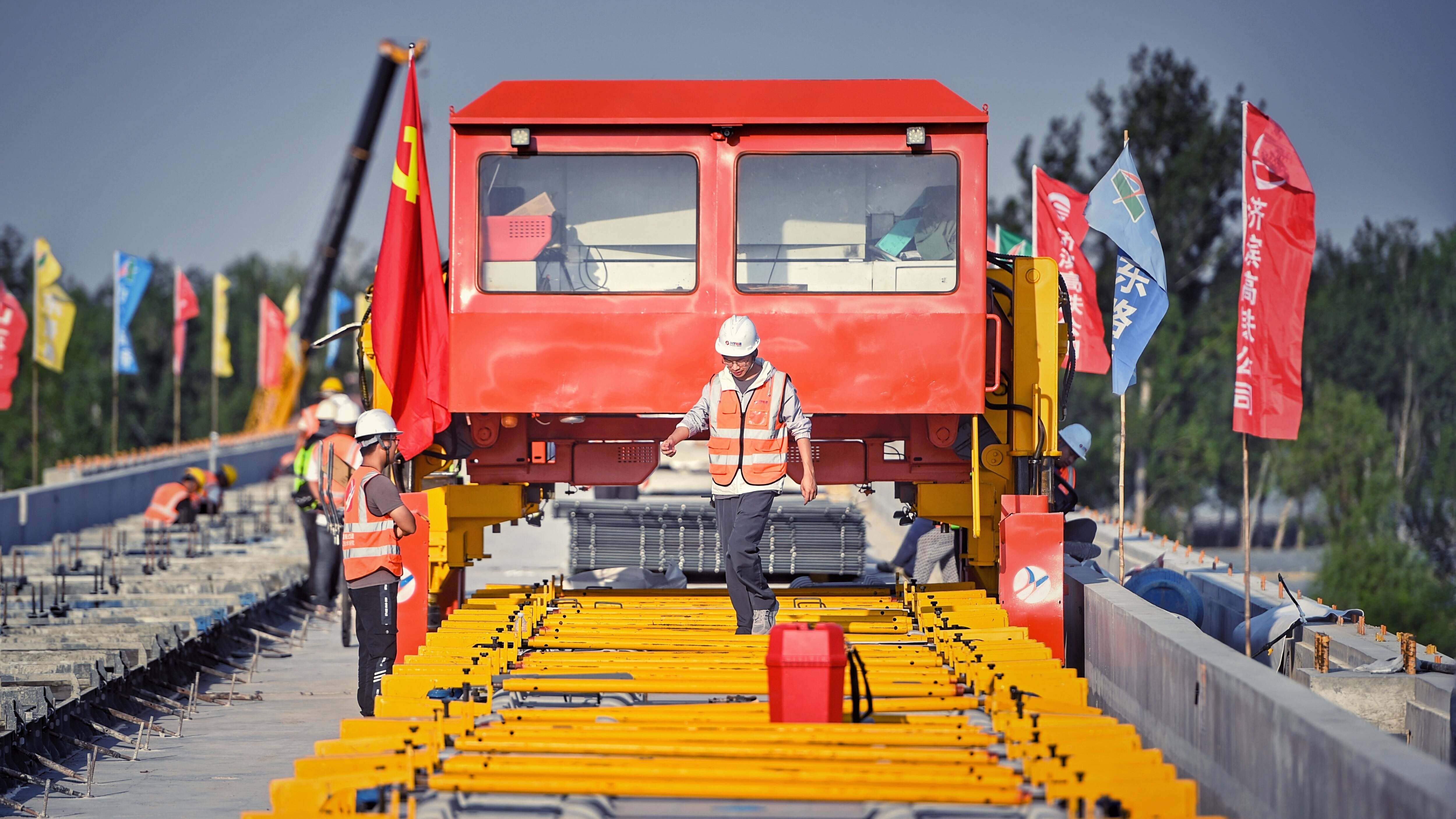
From an economic perspective, the construction and operation of the project will directly drive the development of related industries such as building materials, equipment manufacturing, and electronic information, creating a large number of job opportunities. According to professional evaluations, every 1 yuan invested in high-speed rail will drive comprehensive economic benefits of more than 3 yuan. After the project is completed, it can save about 5 billion yuan in social time costs and reduce logistics costs by about 3 billion yuan per year. It has profound significance in promoting talent flow, industrial cooperation, and regional coordinated development.
The construction of the Shanghai Hangzhou high-speed railway will further improve the national "eight vertical and eight horizontal" high-speed railway network layout, significantly enhance the hub function of the Yangtze River Delta region connecting the Yangtze River Economic Belt and the Guangdong Hong Kong Macao Greater Bay Area, and provide important support for building a new development pattern. This project not only reflects the advanced level of China's high-speed rail technology, but also demonstrates the country's strategic determination to promote regional coordinated development, injecting new momentum into the higher quality integrated development of the Yangtze River Delta. (This article is from the official website www.seetao.com of Jian Dao. Reproduction without permission is prohibited, otherwise it will be prosecuted. Please indicate Jian Dao website+original link when reprinting.) Jian Dao website infrastructure engineering column editor/Yang Beihua
Comment

 Praise
 Collect
 Comment

 Share
Share


Write something~