 Search


- Brazil synchronously promotes the construction of Niter ó i light rail and Rio Metro Line 3, achieving a leap in commuting efficiency
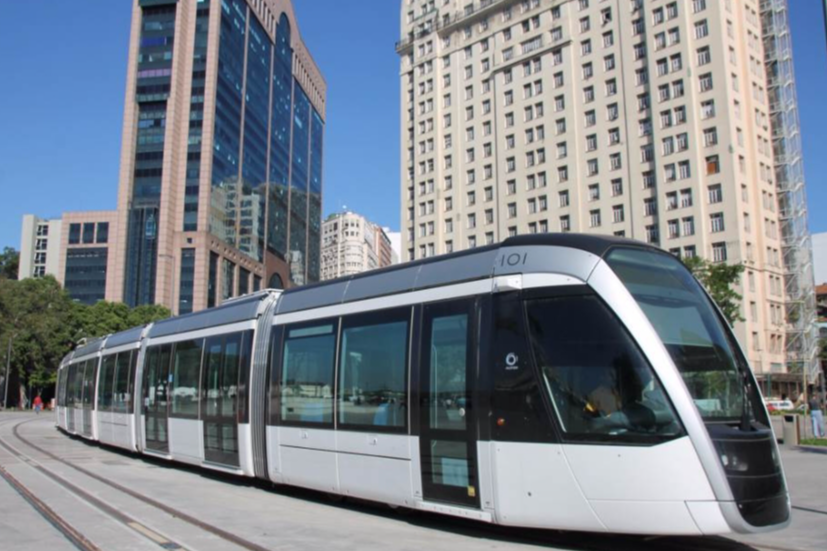
Brazil's transportation infrastructure has achieved a double breakthrough. Finance Minister Fernando Haddad has approved a 450 million Brazilian real investment in Niteroy's first 5-kilometer light rail line, connecting the Bareto community with the city center, with 10 stations and passing through areas such as Ngenhoka. The project has received support from the new growth acceleration plan, aiming to divert public transportation passenger flow from surrounding towns such as San Gonzalo and optimize transportation linkage between the north and the city center. Although federal funding does not cover the procurement of low-risk alternatives, the route will form a multimodal transport network with buses, subways, and other transportation options.

At the same time, the Rio de Janeiro state government announced an expansion plan for Metro Line 3: this 28 kilometer intercity line will span Guanabara Bay, connecting Rio, Niteroi, and San Gonzalo, with 15 stations and reserving conditions for a northeast extension to Itabole. The first phase of the project will use an underwater tunnel to connect the 15th district of Placa in the city center with Alariboya. The subsequent ground section will extend to the Guaciniba hub station next to the BR-101 highway, achieving bus connections with five towns including Itabole and Mahe.
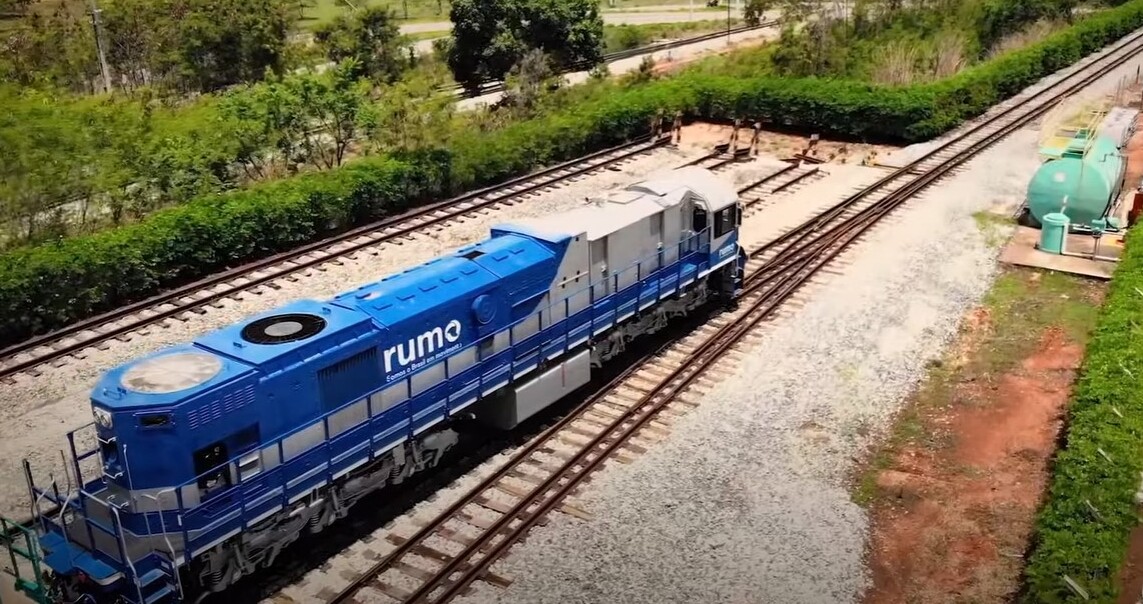
The subway line 3 is expected to serve 650000 people per day, reducing the commuting time across the bay from 2 hours to 40 minutes, significantly alleviating regional congestion and pollution, and creating thousands of job opportunities. As Brazil's first intercity subway project, its coordinated construction with the Niter ó i light rail marks the transformation of the Rio metropolitan area from a single core radiation to a multi center networked transportation mode, providing a new paradigm for the integrated development of South American urban agglomerations.Editor/Cheng Liting
Comment




 Praise
 Collect
 Comment

 Share
Share


Write something~