 Search


- This project accelerates the construction of a national water infrastructure network through public-private partnerships
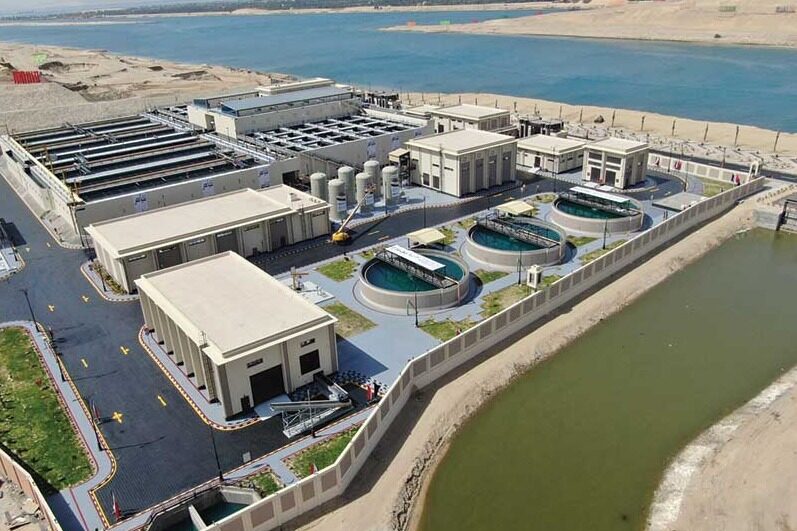
Saudi Water Transport Company recently announced that it has officially launched the engineering, procurement, and construction general contracting bidding for two independent water transport system projects under the public-private partnership (PPP) model, in accordance with the 2030 National Water Resources Strategy. As an entity wholly owned by the Saudi government, WTCO has been operating in a commercial mode since its establishment in September 2019 under Cabinet Resolution No. 32. It is responsible for the planning, development, design, and operation of the national water supply network and strategic water storage facilities, and has been authorized by the Saudi Water Authority to manage seven integrated water systems.
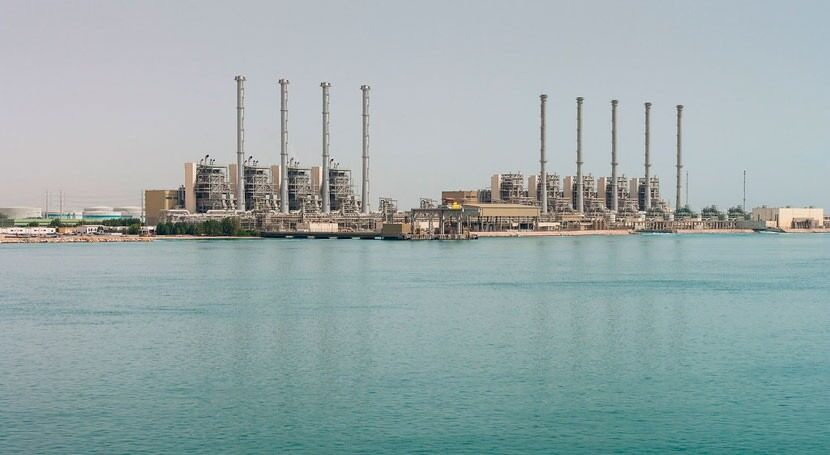
The two major projects in this bidding are focused on the construction of desalination water transmission networks: one is the Ras Mohaisen Baha Makkah water transmission project, with a designed maximum daily water transmission capacity of 542000 cubic meters, a total pipeline length of 325 kilometers, including four pumping stations, connecting the Ras Mohaisen desalination plant with the water distribution networks of Mecca and Baha, and supporting water storage facilities; The second one is the Jubail Bryda 2 water transmission project, which is a core component of the Jubail Bryda water transmission plan. It has a designed daily water transmission capacity of 840000 cubic meters and a total pipeline length of 348 kilometers. It is equipped with a main pump station to transport the desalinated water from the Jubail desalination plant to the cities in the Kassim area, while also constructing a strategic water storage system.
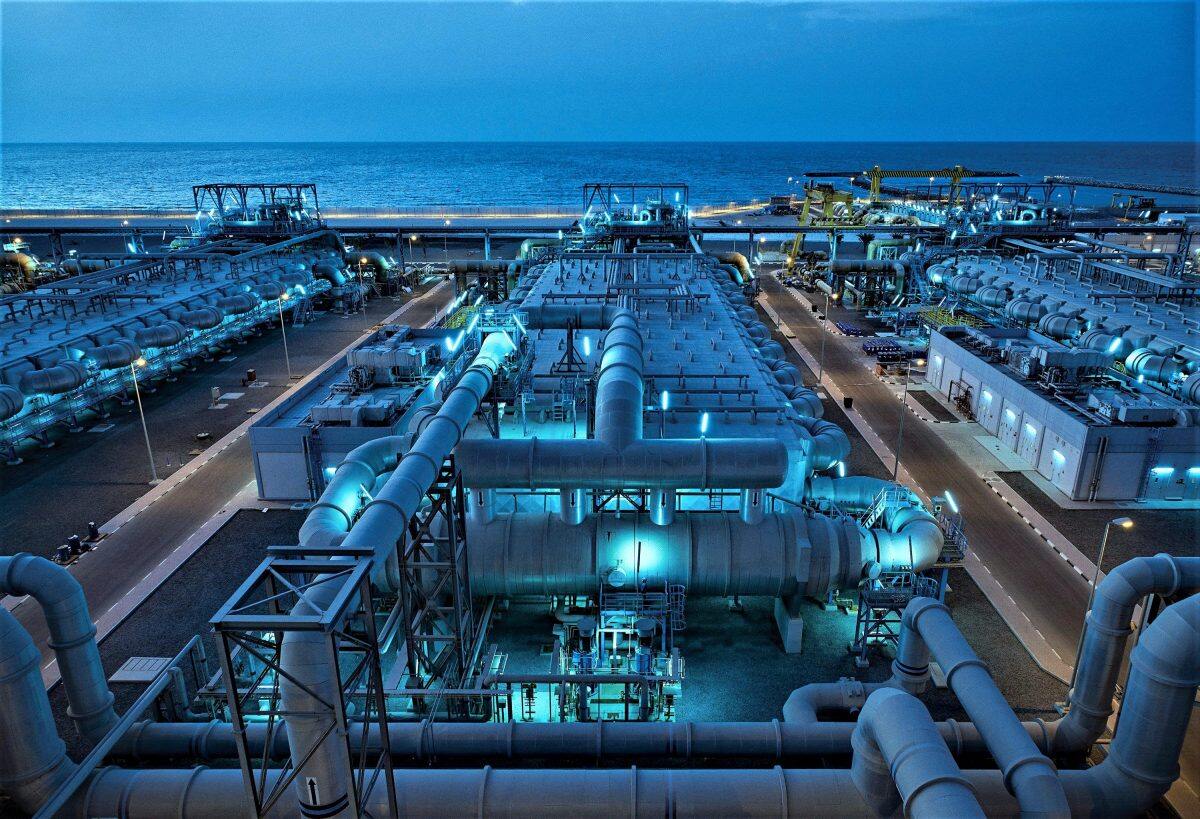
Both projects are tendered using a turnkey EPC model, marking Saudi Arabia's strategic determination to introduce private sector technology and funding through the PPP mechanism and accelerate the construction of a modern water infrastructure network. After the project is implemented, it will significantly enhance the stability of desalinated water supply in the western and central regions of Saudi Arabia, strengthen the national water resources strategic reserve capacity, and provide key support for economic diversification transformation and population growth needs.Editor/Cheng Liting
Comment


 Praise
 Collect
 Comment

 Share
Share


Write something~