 Search


- Australia's new freight plan is expected to help the freight industry overcome its current difficulties
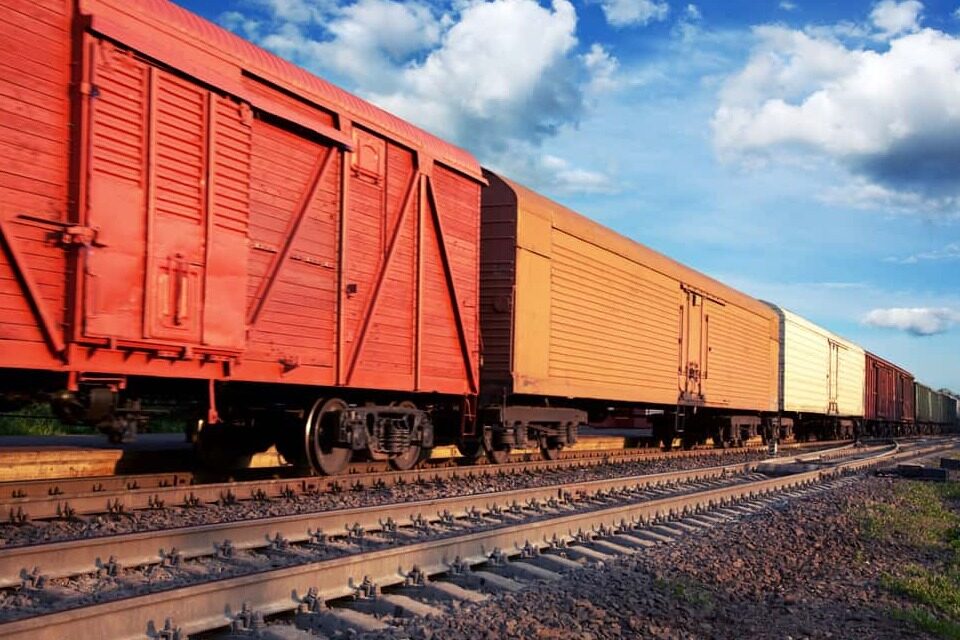
Recently, the Australian federal government updated the National Freight and Supply Chain Strategy and launched a new National Action Plan to address the issues exposed in industry changes and provide direction for future freight development.
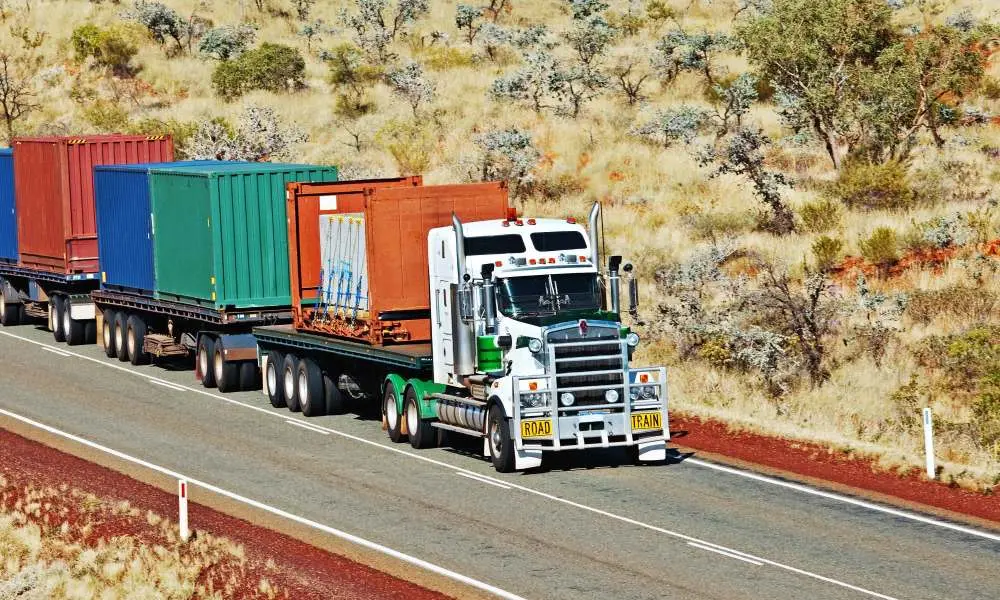
In the past five years, Australia's freight industry has undergone major changes, with the COVID-19 epidemic, extreme weather, staff shortages and other problems coming one after another, bringing huge challenges to the supply chain. In this context, the federal government has identified productivity, resilience, decarbonization, and data as key areas of focus, and has identified priority areas for joint efforts between the government and the freight industry in the National Action Plan for the next five years.
Firstly, formulate a national freight resilience plan to ensure consistent and coordinated response to major supply chain disruptions, and enhance the industry's ability to resist risks. Secondly, establish an investment framework for freight infrastructure to provide scientific guidance for infrastructure investment decisions and optimize resource allocation. Thirdly, conduct safety research on batteries and zero emission traction technology, apply them to freight vehicles and locomotives, and promote the green transformation of the industry. Fourthly, model the current and future freight network, clarify the necessary conditions to support efficient operation, and assist in the sustainable development of the industry.
From the current situation of freight transportation, in 2023-24, railways will bear slightly less than two-thirds of the domestic freight volume, mainly transporting bulk goods such as coal and iron ore, with a transportation volume of 447.9 billion tons per kilometer; The road transportation volume is 249 billion tons per kilometer. However, the market share of railways only increased by 1.1%, while that of highways increased by 3%, indicating that the potential for railway development needs to be further explored.
The strategic document also predicts the growth of freight transportation by different modes of transportation in 2050 compared to 2020: aviation growth of 103%, road growth of 77%, railway growth of 6%, and domestic coastal shipping growth of 0%. This indicates that the demand for freight transportation will significantly increase in the future, and various modes of transportation need to develop in coordination.
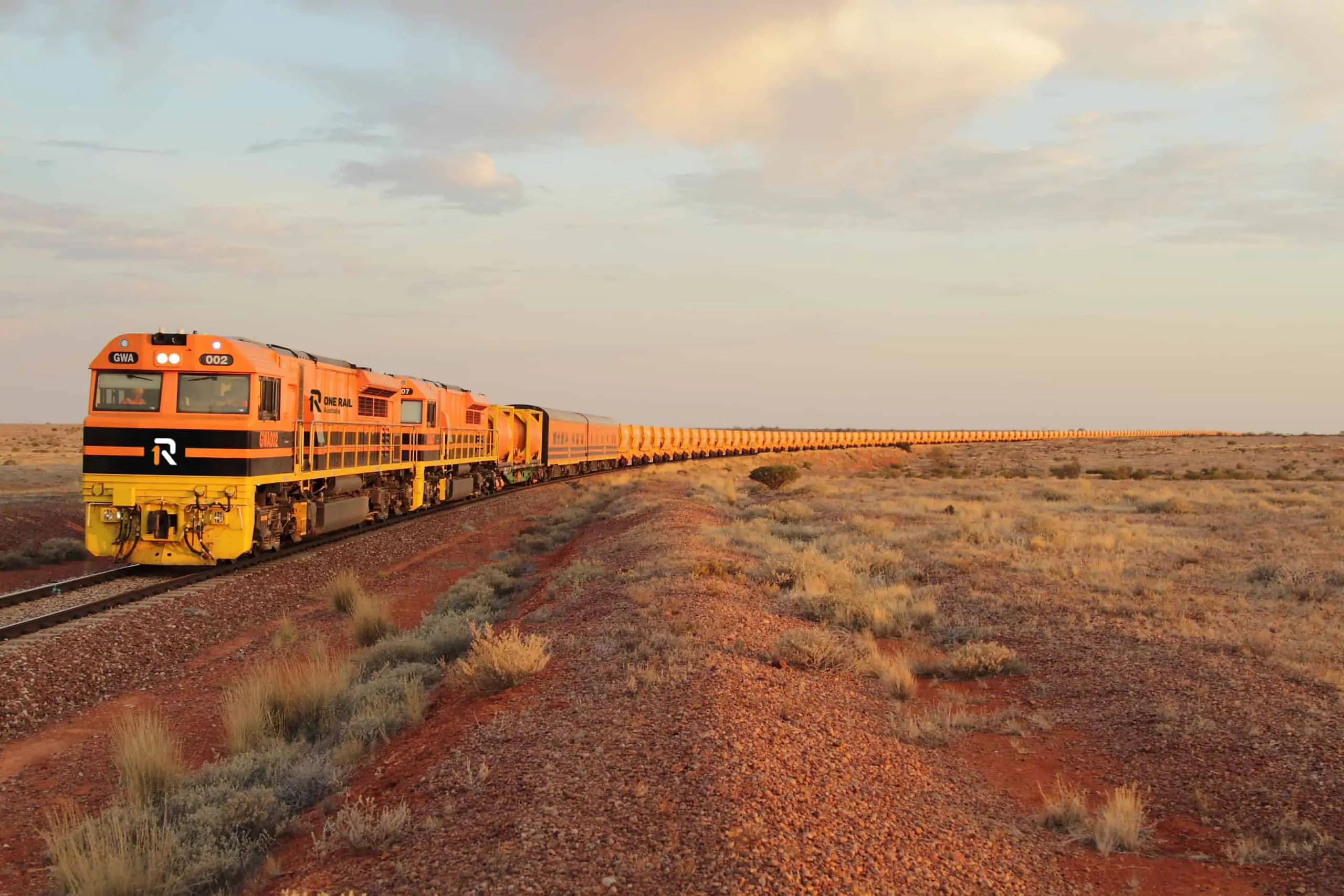
Caroline Wilkie, CEO of the Australian Railway Association, welcomed the strategic release, stating that the freight industry is at a critical turning point and urgently needs to make more use of railways to build a more productive and sustainable national freight network to meet future demand. This strategic update and action plan launch is expected to drive high-quality development of the Australian freight industry in response to challenges. Editor/Cheng Liting
Comment



 Praise
 Collect
 Comment

 Share
Share


Write something~